Why Mulching Is Worth Doing Right
A thin, uneven layer of mulch scattered across a bed looks like effort but delivers little benefit. Done correctly, mulching is one of the most effective, low-cost interventions available to a home gardener - suppressing weeds, slowing water evaporation, moderating soil temperature, and gradually enriching the soil as organic material breaks down. Done poorly, it can waterlog roots, create rot conditions at plant bases, or invite pests.
The good news: the difference between effective mulching and ineffective mulching comes down to a handful of consistent practices, not expensive materials. Whether you're managing ornamental beds, a vegetable garden, or the area around established trees, these principles apply across the board. For a deeper look at how soil health underpins everything you plant, see our plain-language soil health explainer.
25-50%
Reduction in soil moisture loss with mulch
University cooperative extension research broadly indicates that a 2-4 inch organic mulch layer can reduce soil moisture evaporation by roughly 25-50% compared to bare soil.
~90%
Weed suppression rate with adequate mulch depth
A consistently maintained 3-4 inch mulch layer can prevent the majority of annual weed seed germination by blocking the light weed seeds need to sprout.
Choosing the Right Mulch Material
Not all mulches are created equal, and the right choice depends on what you're growing and what you want the mulch to do over time.
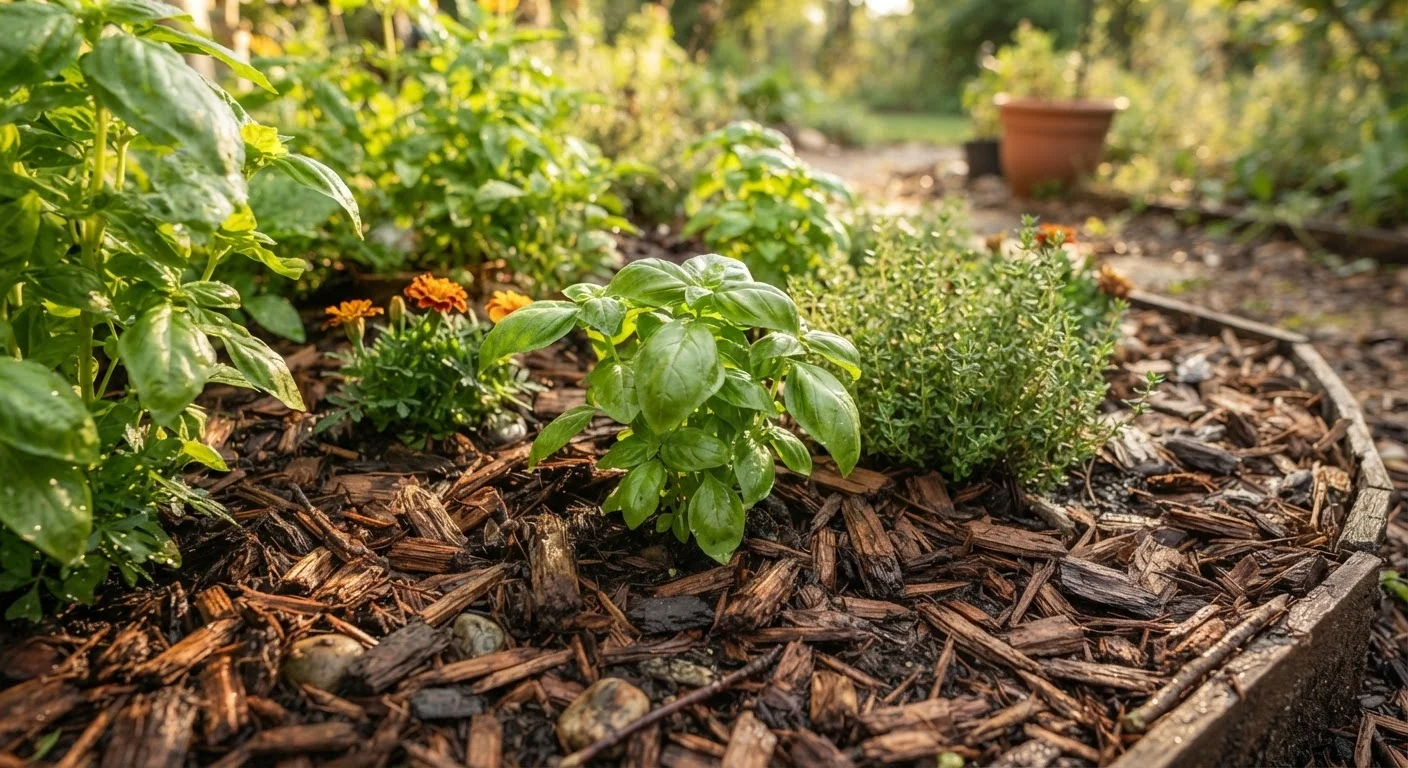
Organic mulches - such as shredded bark, wood chips, straw, or shredded leaves - decompose gradually, improving soil structure and feeding beneficial organisms. They're generally the better choice for garden beds where long-term soil health matters. Shredded hardwood bark is a common, durable option for ornamental beds. Straw works well for vegetable gardens because it breaks down faster and is easy to turn in at season's end.
Inorganic mulches - gravel, crushed stone, or rubber chips - don't break down or improve the soil, but they last longer and suit paths, rock gardens, or areas where you want a permanent, low-maintenance surface.
One nuance worth knowing: fresh wood chip mulch can temporarily tie up nitrogen in the soil surface as it begins decomposing. This is most relevant when chips are tilled into soil - left on the surface as a mulch layer, the effect is minimal for established plants, though it's worth keeping fresh chips away from seedbeds and newly transplanted annuals.
A Note on Dyed and Treated Mulches
Colored mulches - red, black, or brown dyed wood chips - are widely available and generally considered safe for garden use when the dye is water-based and the wood source is disclosed. However, mulch made from recycled pallets or construction lumber may contain chemical treatments. When in doubt, look for mulch that discloses its wood source, or opt for natural, undyed alternatives for beds where edibles are growing.
The Practices That Actually Make a Difference
These are the specific habits that separate a mulching job that works from one that wastes time and material.
Apply mulch at a depth of 2-4 inches across the entire bed surface.
Too little mulch - under 2 inches - allows weed seeds to germinate and moisture to escape quickly. Too much - over 4 inches - can suffocate soil, prevent rainwater from penetrating, and create anaerobic conditions that harm plant roots. The 2-4 inch range is the consistent sweet spot recognized by cooperative extension programs across the US.
Keep mulch 2-3 inches away from plant stems, crowns, and tree trunks.
Piling mulch directly against stems - commonly called 'volcano mulching' around trees - traps moisture against bark, encouraging rot, fungal disease, and in some cases, rodent activity. Leaving a clear gap allows air circulation and prevents chronic moisture damage to vulnerable plant tissue.
Weed the bed thoroughly before laying mulch, not after.
Mulch suppresses new weed germination effectively, but it won't kill established weeds already rooted in the soil - those will simply grow up through it. Removing existing weeds before mulching means you start with a clean surface the mulch can actually protect.
Match mulch type to the specific needs of the planting area.
A single mulch type rarely suits every bed. Fine-textured mulches like shredded leaves work well around densely planted perennials, while coarser wood chips suit tree rings and shrub beds where long-term durability matters. Vegetable beds often do best with straw or untreated grass clippings, which break down quickly and are easy to incorporate.
Refresh mulch annually rather than repeatedly piling on new layers.
Year after year of new mulch added without removing or turning older layers can build up to excessive depths, compacting into a water-repellent mat and becoming counterproductive. An annual assessment and refresh - adding only what's needed to restore the target depth - keeps benefits consistent without creating problems.
Timing Your Mulch Applications
When you mulch is nearly as important as how. A spring application, done after the soil has warmed slightly but before summer heat arrives, traps moisture that would otherwise evaporate during the hottest months. Mulching too early in spring over cold, wet soil can slow soil warming and delay planting.
A fall application - after the first hard frost has killed annual growth and perennials have gone dormant - helps insulate root systems through winter temperature swings. Avoid heavy fall mulching around the crowns of marginally hardy perennials, as excess moisture trapped against the crown can cause rot during freeze-thaw cycles.
Most beds benefit from being refreshed once per year, typically in spring, with a top-up rather than a full reapplication. Rake existing mulch to break up any compacted or matted layers before adding new material on top. This is a natural time to also check soil condition - something our spring garden preparation checklist covers in detail.
Pairing Mulch with Broader Low-Maintenance Strategies
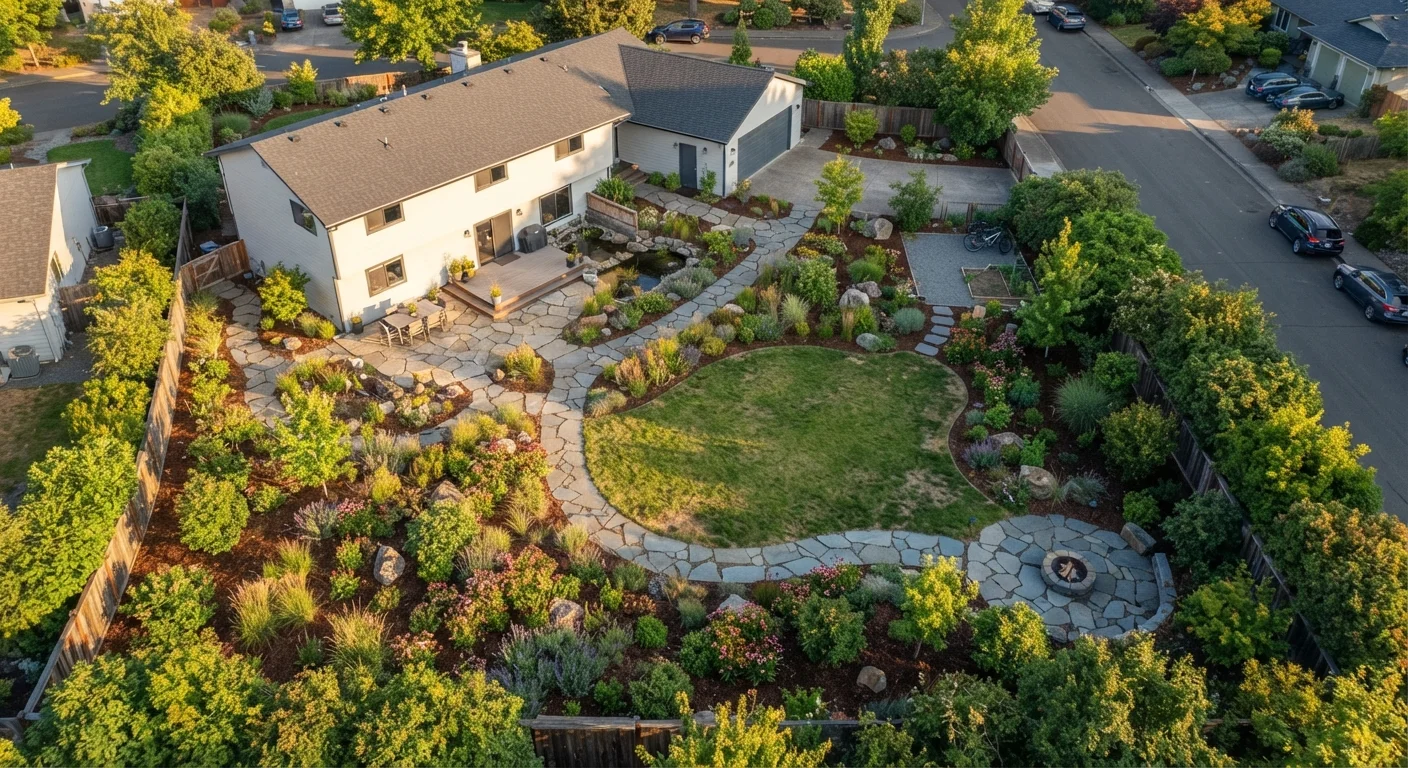
Mulching is most powerful when it's part of a wider approach to reducing garden workload. Combined with thoughtful plant selection, good watering habits, and smart bed design, it can dramatically cut the time you spend weeding and watering each week. Our guide on designing a low-maintenance yard explores how mulching fits into a broader landscape strategy.
If you're also building soil fertility from the ground up, pairing mulch with compost is especially effective - see composting at home for how to create a steady supply of soil-enriching material. And if mulching certain areas makes you reconsider whether some low-traffic lawn zones even need grass, ground covers that replace grass offers practical alternatives worth considering.
The bottom line: mulch is a small investment - of money and time - that compounds in value every season when applied with intention.