
Why Water Is a Nutritional Necessity, Not Just a Beverage
Most people think about nutrition in terms of what they eat - proteins, carbohydrates, fats, vitamins, minerals. Water rarely makes the list. Yet water is involved in virtually every process your body uses to extract value from food.
Digestion begins in the mouth, where saliva - mostly water - starts breaking down carbohydrates. In the stomach, water helps dissolve food particles so digestive enzymes can work efficiently. Further along the gastrointestinal tract, water assists in moving digested material and enabling nutrient uptake through the intestinal walls.
Think of water as the medium in which your nutrition actually happens. Without enough of it, even a well-planned diet can underperform. For a deeper look at the specific nutrients that depend on this process, see our guide to vitamins and minerals.
~60%
Of the adult human body is water
According to the U.S. Geological Survey, water makes up roughly 60% of the adult body and is involved in virtually every biological function.
~20%
Of daily fluid intake comes from food
The National Academies of Sciences estimate that approximately 20% of total daily water intake typically comes from moisture in solid foods.
1-2%
Body water loss before performance declines
Research published in sports and exercise science literature indicates that losing as little as 1-2% of body water can measurably affect physical and cognitive performance.
How Water Helps Your Body Absorb Nutrients
Nutrients don't simply pass from your food into your bloodstream automatically. They require the right conditions - and water is central to creating those conditions.
Water-soluble vitamins - including all eight B vitamins and vitamin C - dissolve in water, which is how they travel through the digestive tract and into cells. Without adequate fluid, their absorption and transport can be compromised.
Minerals like calcium, magnesium, and potassium also depend on water to move across cell membranes. Even fat-soluble vitamins (A, D, E, and K) rely on a well-hydrated digestive system to produce the bile needed to absorb them properly.
Fiber - one of the most important components of a healthy diet - literally requires water to do its job. Soluble fiber absorbs water and forms a gel that slows digestion beneficially, while insoluble fiber needs fluid to move smoothly through the intestines. A fiber-rich diet without sufficient hydration can actually cause digestive discomfort. For more on how fiber functions, explore our breakdown of fibre and digestion.
A Simple Way to Support Both Goals
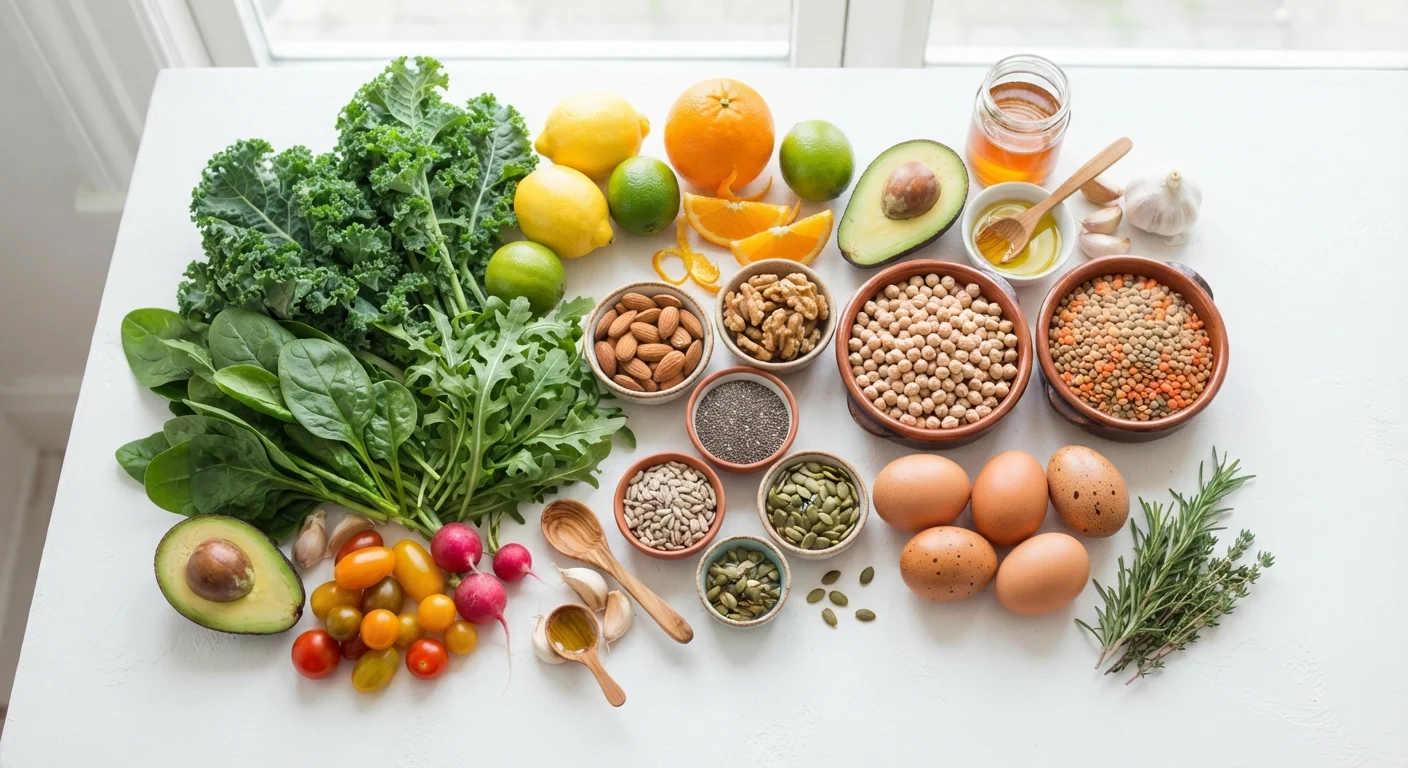
Starting each meal with a glass of water and incorporating high-water-content foods - like leafy greens, citrus fruits, and cucumbers - is one of the most straightforward ways to support both hydration and nutrition at once. You don't need to overhaul your entire routine; small, consistent habits add up meaningfully over time.
Dehydration's Quiet Effect on Energy and Appetite
One of the most underappreciated effects of inadequate hydration is how it mimics - or worsens - nutritional gaps. Fatigue, difficulty concentrating, and low mood are among the symptoms that both dehydration and nutrient deficiencies share. This overlap can make it harder to identify the actual cause.
Research also suggests that thirst is sometimes confused with hunger, leading people to eat when their body is primarily signaling a need for fluid. Staying consistently hydrated may support more accurate appetite awareness throughout the day.
If you've been experiencing signs like persistent fatigue or trouble concentrating, hydration is worth examining alongside diet quality. Our article on recognizing nutritional gaps can help you think through both dimensions.
This article is for general informational purposes only and is not a substitute for personalized medical or nutritional advice. Please consult a qualified healthcare professional with any questions about your individual health needs.