Why Preparation Makes Every Vet Visit More Productive
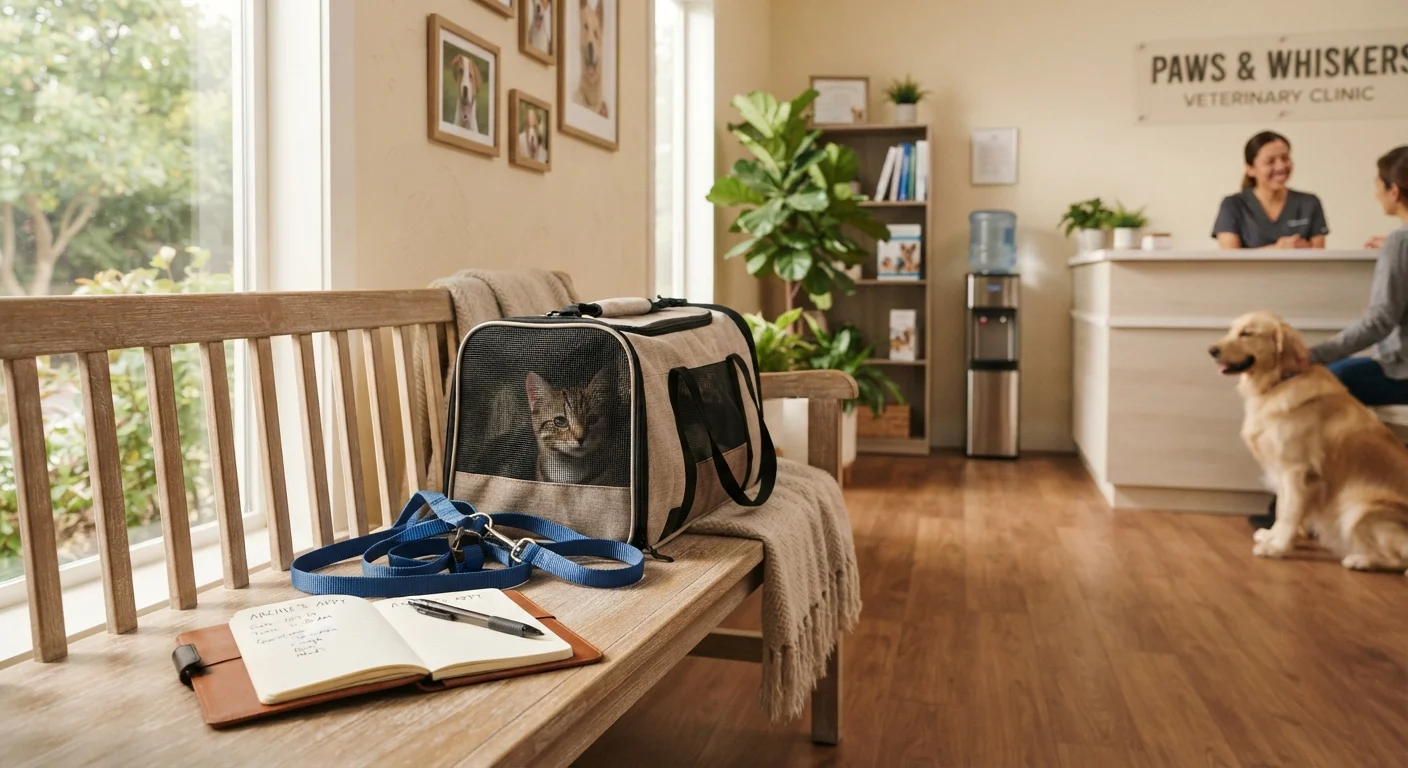
A typical veterinary appointment lasts 20 to 30 minutes. That window goes fast, and it's easy to forget key details once you're in the exam room - especially if your pet is anxious or the vet raises an unexpected concern. A little structured preparation changes that dynamic considerably.
Working through this checklist before each appointment means your vet spends less time reconstructing history and more time actually examining your pet. It also means you walk away with answers rather than the nagging sense that you forgot to ask something important.
This applies whether it's a routine wellness exam, a follow-up visit, or an urgent appointment for a specific concern. If you're new to pet ownership, pairing this checklist with a broader routine is worthwhile - see our guide to building a health routine from day one for a solid foundation. For owners of older animals, the guide to senior pet health needs covers the additional considerations that come with age.
Records and Documentation
Symptoms and Behavioral Observations
Questions to Prepare
Samples and Physical Items to Bring
Logistics and Day-Of Preparation
What to Bring and How to Use This Checklist
Run through the checklist the evening before - not the morning of - so you have time to locate records, collect samples if needed, and write down your questions without rushing. Keep a dedicated folder (paper or digital) for your pet's health documents so nothing is hard to find under pressure.
Pet health folder (physical or digital)
Keeps vaccination records, medication lists, and visit notes organized and easy to retrieve quickly.
Smartphone with camera
Used to record short videos of abnormal behaviors or symptoms that may not be visible during the exam.
Sterile sample containers
Required for collecting stool or urine samples to bring for laboratory analysis when requested.
Secure pet carrier or vehicle restraint
Ensures your pet travels safely and arrives calm enough to cooperate during the examination.
Written question list
Keeps your priorities front of mind during the appointment so you don't leave with unresolved concerns.
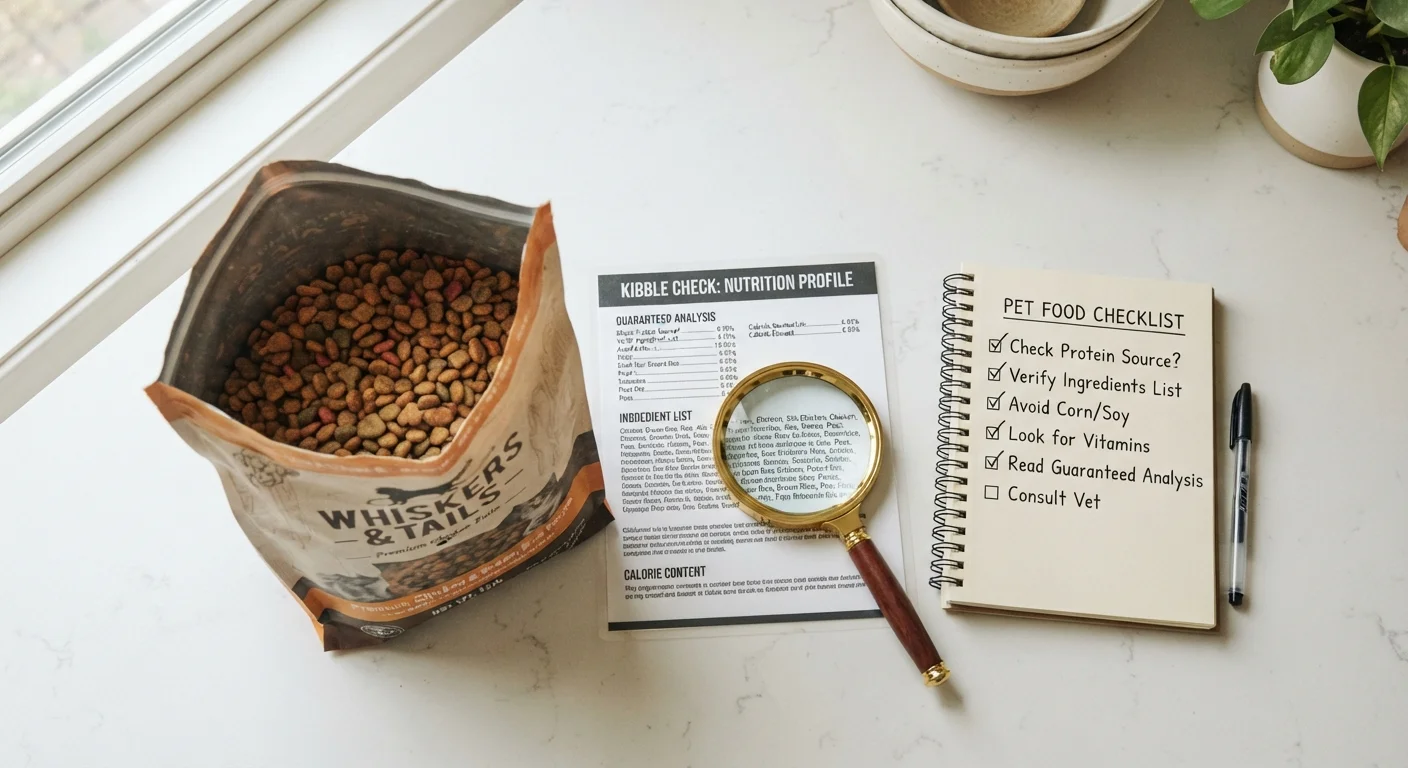
On the day of the appointment, bring your written question list and don't hesitate to refer to it during the exam. Vets welcome prepared owners - it leads to more efficient, productive conversations. If your pet is on any medications or supplements, including anything you've added to their diet recently, note those down too. Our checklist for evaluating new pet foods can help you assess whether a recent diet change is worth flagging at the visit.
Vaccination records deserve special attention. Knowing exactly which vaccines are current and which are due helps your vet plan the visit and avoid unnecessary repeat doses. For a plain-language breakdown of core and optional vaccines, see our article on core shots, boosters, and timing.
Don't Rely on Memory During the Exam
The stress of the clinic environment - for both you and your pet - makes it easy to forget symptoms, medication names, or questions you meant to ask. Studies in human medicine consistently show that patients recall fewer details in clinical settings than they expect. Writing everything down beforehand, and physically referring to your notes during the visit, is a simple habit that meaningfully improves outcomes.
This article provides general information for educational purposes and is not a substitute for professional veterinary advice. Always consult a licensed veterinarian regarding your pet's specific health needs.