
Why Home Remedies Feel Logical but Can Be Dangerous
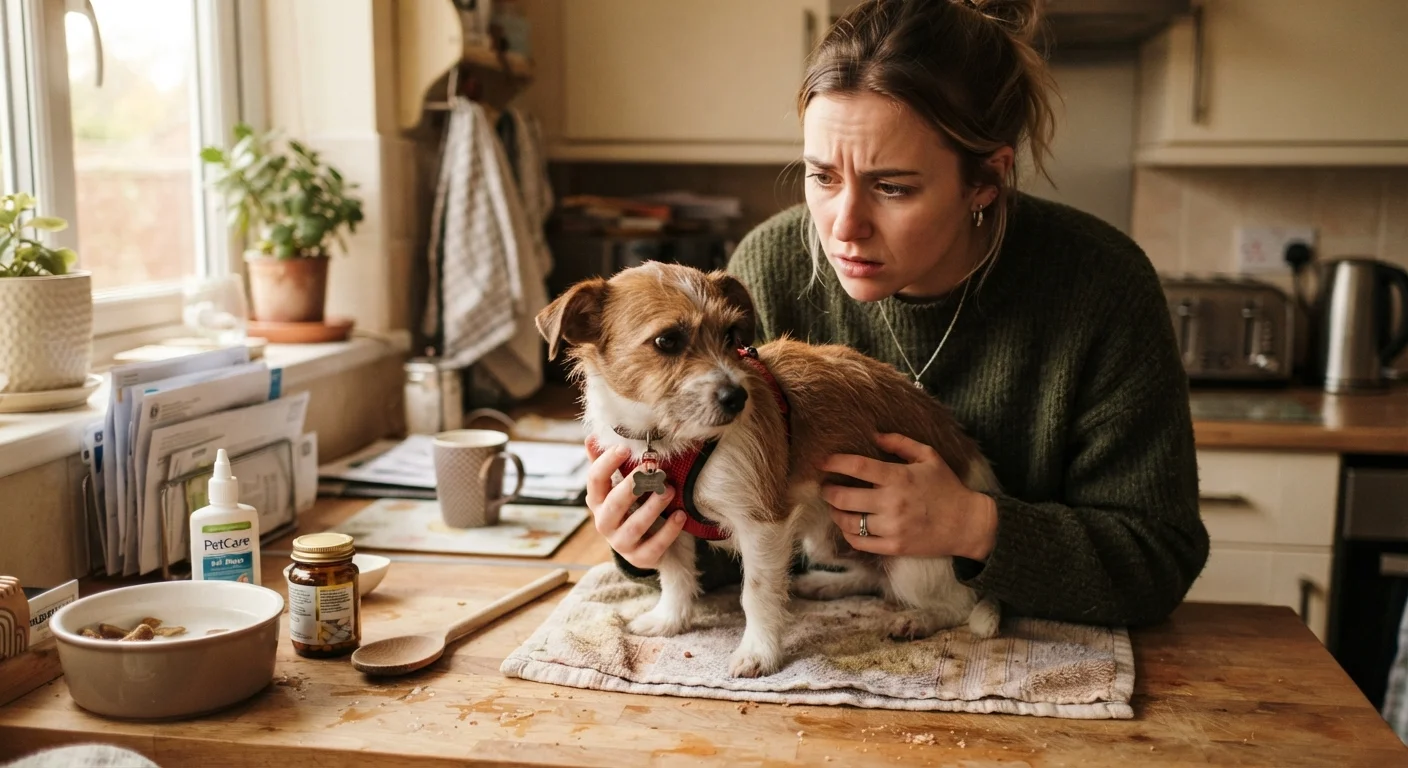
When a pet is uncomfortable and a vet visit isn't immediately accessible, reaching for something from the medicine cabinet or pantry can feel like responsible action. The problem is that pets - particularly cats - metabolize substances very differently from humans, and what is harmless or even therapeutic for us can be acutely toxic to them.
This isn't about blaming well-meaning owners. It's about closing the knowledge gap that makes these mistakes so common. Understanding why certain remedies backfire makes it easier to pause before trying them.
Garlic and Onion Are Not Safe Tonics
Some owners believe garlic repels fleas or boosts immune health in dogs. In reality, garlic and onion - in any form, including powder - contain compounds toxic to dogs and cats that damage red blood cells. Even small, repeated doses can cause cumulative harm. Do not use these ingredients as supplements or home remedies.
If your pet has ingested something potentially toxic, don't wait to see if symptoms appear. Contact the ASPCA Animal Poison Control Center (ASPCA APCC) or your veterinarian immediately - early intervention significantly improves outcomes.
Common Home Remedy Mistakes and How to Avoid Them
The following mistakes are among the most frequently reported to veterinary professionals and poison control lines. Each one stems from a reasonable impulse - but each carries real risk.
Giving pets over-the-counter human pain relievers like acetaminophen or ibuprofen.
Why it happens: Owners assume that medications safe for humans at low doses should be fine for pets in smaller amounts, especially when a vet visit isn't immediately possible.
Using essential oils topically or in diffusers near pets, assuming "natural" means harmless.
Why it happens: Essential oils are widely marketed as wellness products, and owners often don't realize that a pet's physiology - especially a cat's liver - cannot process certain aromatic compounds.
Inducing vomiting at home after a pet ingests something potentially toxic.
Why it happens: Owners have heard that making a pet vomit quickly removes the substance, and hydrogen peroxide is frequently cited online as a home method.
Treating skin conditions or wounds with undiluted hydrogen peroxide or rubbing alcohol.
Why it happens: These antiseptics are household staples, and many owners learned to use them on their own minor cuts. Applying the same logic to pets feels intuitive.
Using flea or tick products labeled for dogs on cats, or vice versa.
Why it happens: Packaging looks similar, and owners may not read species-specific warnings carefully, especially in a hurry.
Feeding pets "medicinal" foods like garlic, onion, or certain herbs to treat illness.
Why it happens: Folk remedies and online advice often present these foods as natural boosters without adequately explaining species-specific toxicity.
Human Medications Can Be Lethal to Pets
Even small doses of over-the-counter pain relievers like ibuprofen, naproxen, and acetaminophen can cause kidney failure, liver damage, or death in dogs and cats. Never give your pet any human medication without explicit veterinary authorization. If accidental ingestion occurs, contact your veterinarian or a poison control hotline immediately - do not wait for symptoms.
If you're also cooking meals for your pet at home, be aware that nutritional gaps are easy to miss - even without adding harmful ingredients. Our guide to homemade pet food nutritional gaps covers what's hardest to balance without professional guidance.
What to Do Instead: Building a Safer Approach
The safest rule is simple: when your pet shows signs of illness or discomfort, call your veterinarian before trying any treatment at home - including ones labeled as natural or herbal. A brief phone consultation is often enough to get guidance or rule out an emergency.
Keep a short list of emergency contacts accessible: your regular vet's after-hours line, a local emergency animal hospital, and the ASPCA Animal Poison Control Center. These resources are more useful in a moment of stress than any home remedy.
For ongoing health topics like common pet dental care mistakes or nutrition guidance, build your knowledge from vet-aligned sources so that in low-stakes moments, you're already informed - and in higher-stakes ones, you know to reach for the phone rather than the pantry.
This article is for general informational purposes only and does not constitute veterinary medical advice. Always consult a licensed veterinarian for guidance specific to your pet's health and circumstances.