Why Weight Is a Health Metric, Not an Appearance Issue
When a pet's body carries more fat than its frame is built to support, the consequences show up in blood work, joint X-rays, and organ function - not just in how the animal looks. Veterinary researchers have consistently found that overweight pets develop conditions including type 2 diabetes, osteoarthritis, hypertension, respiratory compromise, certain cancers, and reduced immune function at significantly higher rates than lean animals of the same species and breed.
Perhaps the most striking finding: studies of dogs maintained at an ideal body weight throughout life have shown they can live measurably longer - in some research, nearly two additional years - compared with dogs who carried excess weight during their adult years. For cats, chronic obesity is one of the leading preventable contributors to diabetes mellitus and bladder disease.
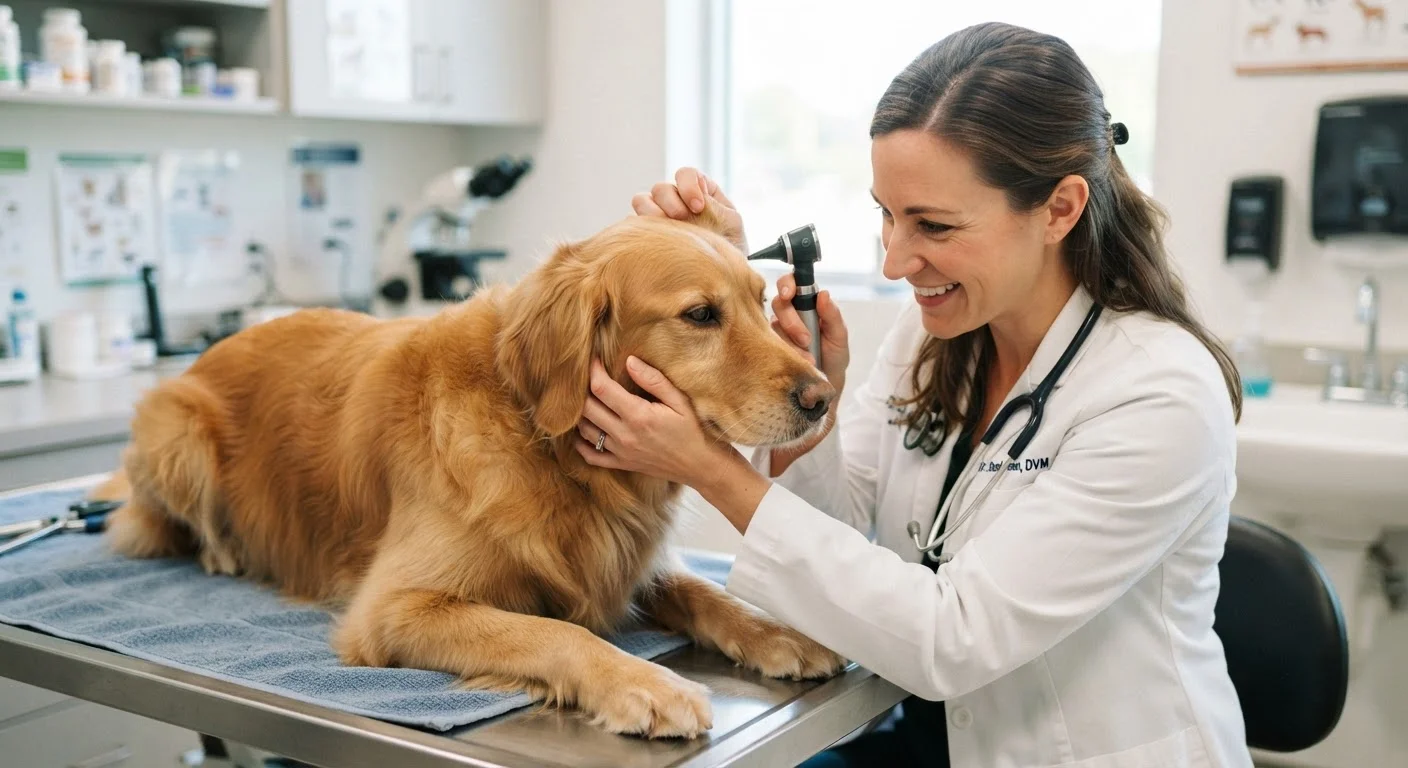
Framing excess weight as a cosmetic issue leads owners to delay intervention. Framing it accurately - as a chronic disease state - leads to earlier, more effective action. Your veterinarian is the right partner for that conversation. Annual wellness exams are a key opportunity to catch weight creep before it becomes entrenched.
59%
Dogs classified as overweight or obese in clinical surveys
The Association for Pet Obesity Prevention has reported in annual clinical surveys that the majority of dogs seen in US veterinary practices are above ideal body condition.
61%
Cats classified as overweight or obese in clinical surveys
The same Association for Pet Obesity Prevention surveys indicate cats are affected at rates similar to or higher than dogs, reflecting widespread overfeeding in domestic settings.
~1.8 yrs
Potential lifespan reduction linked to obesity in dogs
A landmark long-term feeding study (Kealy et al., published in JAVMA) found dogs maintained at lean body condition lived approximately 1.8 years longer than their paired littermates fed to a heavier weight.
How Veterinarians Assess Body Condition
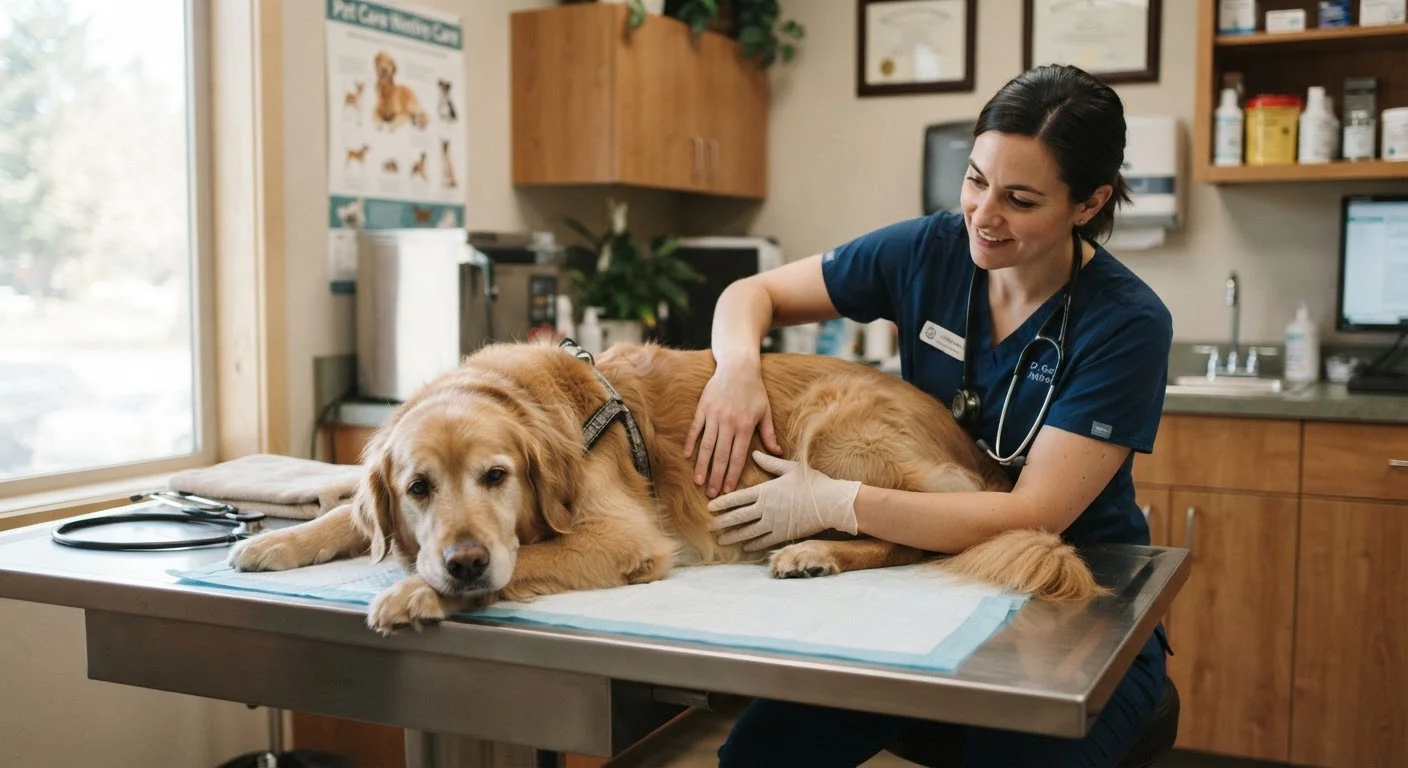
Scale weight alone does not tell a complete story. A 12-pound cat might be lean or obese depending on its frame and muscle mass. This is why veterinarians use the Body Condition Score (BCS) - a hands-on, visual assessment scored on a 1-9 scale (or 1-5 in some practices). A score of 4-5 out of 9 typically indicates an ideal body condition; scores of 7 and above suggest obesity.
During a BCS assessment, your vet evaluates:
- Whether ribs can be felt with light pressure (they should be, without being visually prominent)
- Whether a waist is visible from above
- Whether the abdomen tucks up behind the rib cage rather than sagging
- Fat deposits over the spine, hips, and base of the tail
Owners can learn to perform a basic BCS check at home between visits, but the formal assessment by a trained clinician remains the most reliable measure. If your pet's diet comes from a homemade or varied feeding approach, it's also worth reviewing whether nutritional gaps may be contributing to metabolic imbalance - our resource on nutritional gaps in homemade pet food covers this in detail.
What a Vet-Guided Weight Management Plan Typically Involves
There is no universal diet or exercise prescription for every overweight pet. A responsible weight management plan is individualized, accounts for existing health conditions, and unfolds over weeks to months - not days.
A typical vet-guided plan includes:
- Baseline health screening: Blood work and urinalysis help rule out underlying conditions (such as hypothyroidism in dogs) that can cause or worsen weight gain before diet changes begin.
- Calorie target calculation: Your vet calculates a daily calorie goal based on ideal body weight, not current weight. This figure accounts for the pet's resting energy requirement and activity level.
- Diet selection: Some pets benefit from a therapeutic weight-loss food with adjusted protein-to-fat ratios. Your vet may recommend a specific formulation or guide you through evaluating a new pet food carefully.
- Structured feeding schedule: Free-feeding (leaving food out all day) is typically discouraged. Measured meals at consistent times help regulate intake and satiety cues.
- Exercise adjustment: Activity is increased gradually, particularly if joint pain or breathing issues are present. For cats, interactive play sessions serve as the primary exercise tool.
- Progress monitoring: Recheck appointments every 2-4 weeks allow the plan to be adjusted based on actual weight-loss rate and the pet's wellbeing.
Measure Every Meal - Every Time
Use a kitchen scale for dry kibble rather than relying on the cup measurements printed on food bags - those guidelines are often calibrated for unspayed or unneutered adult animals at maintenance, which may not match your pet's situation. A few extra grams per meal adds up to significant calorie excess over weeks. Ask your vet for a specific gram weight target.
This article provides general health information for educational purposes and is not a substitute for professional veterinary advice. Always consult your veterinarian before making changes to your pet's diet or exercise routine.
The Role of Owners in Long-Term Success
Veterinary guidance sets the framework, but daily execution falls to the owner. Some of the most common obstacles to successful weight management include inconsistent portion measuring, excessive treats, multiple household members feeding the pet independently, and returning to old habits after initial weight loss.
Practical steps that support long-term success:
- Use a kitchen scale or measuring cup consistently - eyeballing portions leads to systematic overfeeding over time
- Account for all treats and food toppers in the daily calorie budget
- Communicate feeding responsibilities clearly among all household members
- Swap calorie-dense treats for low-calorie alternatives (plain-cooked vegetables like green beans or carrot pieces work for many dogs - confirm with your vet first)
- Keep follow-up appointments even after the target weight is reached, as maintenance requires ongoing monitoring
It is also worth recognizing that emotional factors drive overfeeding in many households. Feeding a pet is a way many owners express love and respond to begging behavior. Channeling that care into enrichment activities, training, and play provides connection without the caloric cost. If your pet shows anxiety-driven food-seeking behaviors, our article on how stress affects pet health may offer useful context.