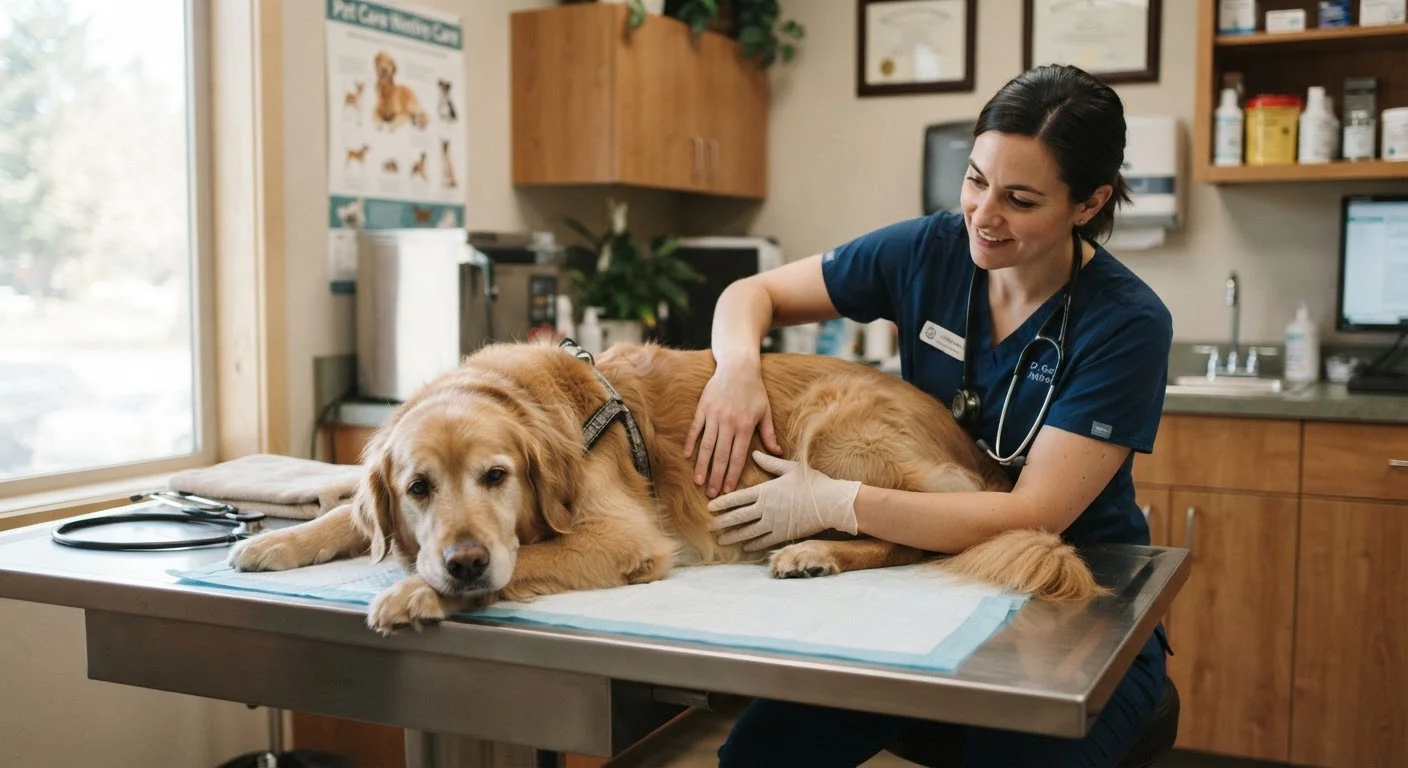

The Biology Behind Pet Stress
When a pet perceives a threat — whether a loud noise, an unfamiliar visitor, or a tense household — their body activates the same fight-or-flight response found across mammals. Stress hormones, primarily cortisol and adrenaline, flood the bloodstream. Heart rate rises, digestion slows, and immune surveillance is deprioritized. In short bursts, this is adaptive. The problem begins when the stressor never fully goes away.
Chronic stress keeps the HPA (hypothalamic-pituitary-adrenal) axis in a semi-activated state. Over weeks and months, persistently elevated cortisol suppresses white blood cell activity, slows gut motility, and interferes with tissue repair. Pets in this state become more susceptible to infections, take longer to heal from injuries, and are more likely to develop gastrointestinal issues like vomiting, diarrhea, or changes in appetite.
This is not a fringe concern. Veterinary behaviorists routinely note that stress is an underappreciated driver of physical illness in companion animals — and that many owners attribute symptoms to other causes without considering the animal's emotional environment.
Stress and Illness Can Mask Each Other
Because chronic stress suppresses immunity, stressed pets often fall ill more frequently — and that illness then adds further stress. Owners may focus on treating the presenting illness without addressing the underlying anxiety. If your pet has recurring infections, digestive issues, or slow healing, ask your vet whether chronic stress could be a contributing factor.
Recognising Stress Signals Owners Often Miss
Pets rarely signal distress the way humans do. Instead, stress tends to surface as behavioural or physical changes that seem unrelated at first glance. In dogs, watch for yawning, lip-licking, whale eye (showing the whites of the eyes), panting at rest, decreased interest in food or play, and increased clinginess or withdrawal. Cats more commonly hide, over-groom to the point of hair loss, stop using the litter box reliably, or become uncharacteristically aggressive.
It is worth noting that stress and pain share many of the same outward signals. If your pet shows any of these changes, a veterinary assessment is the right first step — both to rule out physical illness and to assess whether anxiety or chronic stress is a contributing factor. Our guide on signs your pet may be in pain covers the overlap in more detail.
Behaviour that appears disobedient — destructive chewing, inappropriate elimination, excessive barking — is frequently a stress outlet rather than a training failure. Understanding this distinction changes how owners respond, and how effectively the problem gets resolved. For a deeper look at engaged versus stressed responses during training, see signs your pet is thriving in training.
~70%
Dogs showing anxiety-related behaviour
A large-scale study published in Scientific Reports (2020) found that approximately 72% of dogs displayed anxiety-related behaviours when assessed by validated surveys.
2–3×
Increased disease susceptibility under chronic stress
Veterinary immunology research consistently shows that chronically elevated cortisol suppresses lymphocyte activity, substantially increasing vulnerability to infection and slowing recovery.
Majority
Behaviour problems linked to anxiety or fear
The American Veterinary Society of Animal Behavior notes that fear and anxiety are among the most common underlying causes of behaviour problems seen in companion animals.
Common Stressors in Domestic Pets
The range of stressors pets face is broader than most owners anticipate. Environmental triggers include household moves, new family members (human or animal), changes in routine, construction noise, and even shifts in the owner's own stress levels — pets are highly attuned to human emotional states. Social stressors, particularly in multi-pet homes, are frequently underestimated. Competition over resources like food bowls, resting spots, and attention can create persistent low-grade tension that owners never observe directly.
Medical stressors compound the picture. Chronic pain, for example, is itself a sustained stressor that keeps the nervous system on alert. This creates a feedback loop: stress worsens pain perception, and pain intensifies stress. Similarly, pets managing conditions like obesity carry additional physiological strain — a topic explored further in our article on why pet obesity is a medical issue. Older pets are particularly vulnerable, as age-related changes in sensory function and cognition can heighten anxiety; our guide on preparing for a senior pet addresses this intersection of age and stress.
Practical Strategies for Reducing Chronic Stress
The most consistently effective stress-reduction strategies are also the most straightforward: predictability, enrichment, and safe retreat. Pets thrive on routine. Consistent feeding times, exercise schedules, and sleep environments reduce the novelty load on the nervous system, which keeps baseline cortisol lower.
Species-appropriate enrichment — puzzle feeders for dogs, vertical climbing space and hiding spots for cats, and social interaction calibrated to the individual animal's preferences — provides healthy mental stimulation without overwhelm. Enrichment is not about more stimulation; it is about the right kind, delivered at the animal's pace.
Ensure every pet has a quiet, accessible retreat space where they are not disturbed. This is especially important in busy households or those with young children. When introducing any change — a new pet, a new home, a new person — gradual, positive-reinforcement-based desensitization reduces the stress load considerably.
Build Predictability Into Every Day
Even small consistencies — feeding at the same times, using the same cues before walks, keeping the sleep environment stable — meaningfully lower a pet's baseline cortisol. Predictability is not boring to a pet; it is genuinely reassuring. Start with one or two anchors if a full routine overhaul feels overwhelming.
For persistent or severe anxiety, veterinary intervention is appropriate. Vets may recommend behavior modification protocols, referral to a veterinary behaviorist, or in some cases pharmacological support alongside environmental management. Self-diagnosing and attempting to treat significant anxiety without professional guidance risks missing an underlying medical cause.
This article provides general health information for educational purposes and is not a substitute for professional veterinary advice. Always consult a licensed veterinarian for concerns about your pet's health or behaviour.