What Each Material Is Actually Doing
Grout and caulk look similar in a finished tile job, but they serve fundamentally different structural roles. Understanding those roles is the fastest way to avoid a repair that fails before it cures.
Grout is a cement-based (or epoxy-based) compound that fills the gaps between tiles. Once cured, it is rigid. That rigidity is a feature, not a flaw - it distributes load across a tile field, resists compression, and creates a consistent, cleanable surface. Sanded grout is used for wider joints (typically 1/8 inch or more); unsanded grout suits narrow joints.
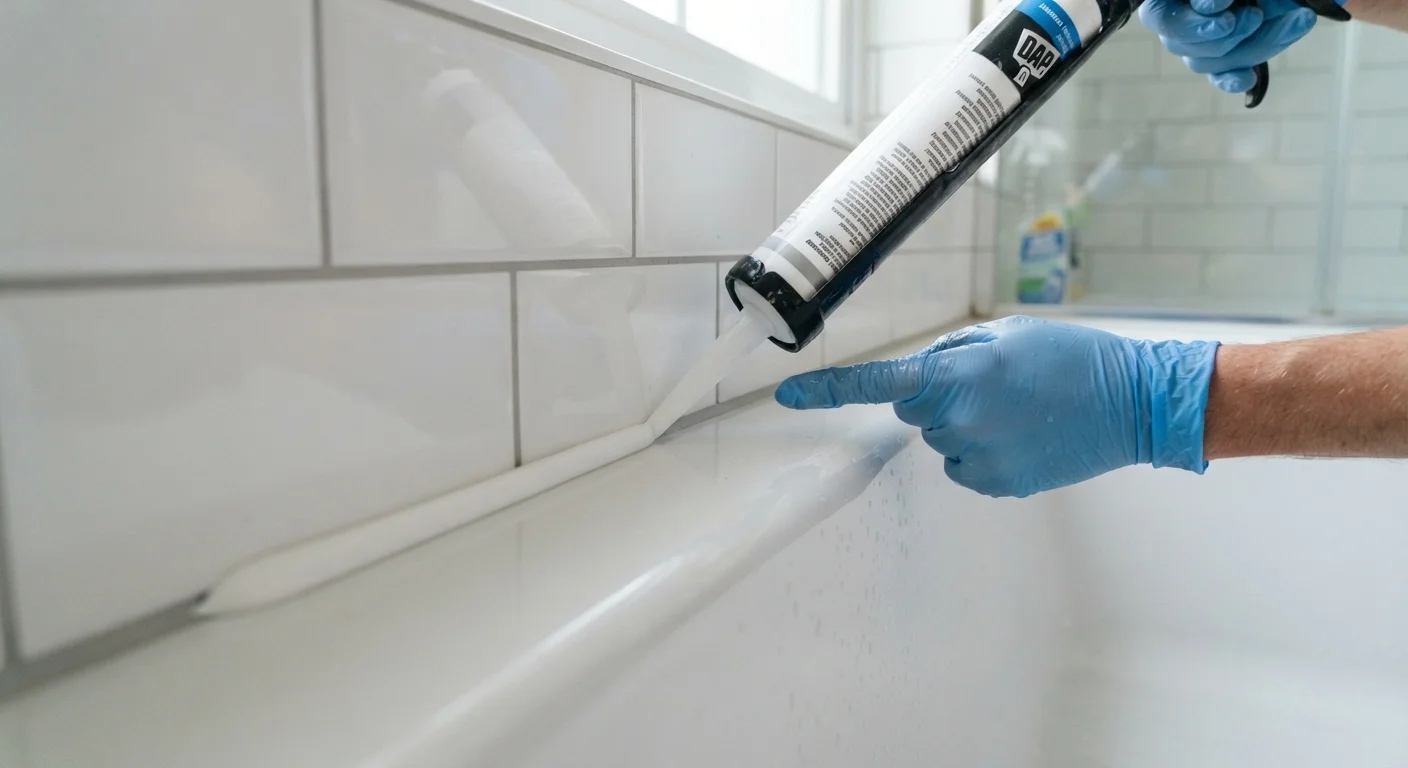
Caulk is a flexible sealant - usually silicone or latex-based - that stretches and compresses with building movement. It forms a watertight skin rather than a rigid plug. That elasticity is exactly what's needed anywhere two surfaces expand or contract at different rates.
| Criterion | Grout | Caulk |
|---|---|---|
| Composition | Cement or epoxy base | Silicone or latex base |
| Flexibility | Rigid when cured | Remains flexible |
| Best location | Between tiles on flat surfaces | Corners and plane transitions |
| Water resistance | Good; needs sealing in wet areas | Excellent; forms watertight skin |
| Movement tolerance | Low - cracks under movement | High - stretches and compresses |
| Repairability | Re-grout by cutting out old material | Remove fully, reapply new bead |
The core rule of thumb in the tile industry: grout goes field-to-field; caulk goes plane-to-plane. Any place where two different materials or two different surfaces meet - wall to floor, tile to tub, tile to countertop - caulk is the right choice.
Where Each One Belongs: A Practical Guide
Misapplication is the leading cause of cracked grout corners and failed caulk lines. Here's where each material belongs in common tile installations:
Use Grout:
- Between tiles on a wall field or floor field
- On countertops where all joints are tile-to-tile
- Around mosaic sheets where the substrate is stable
Use Caulk:
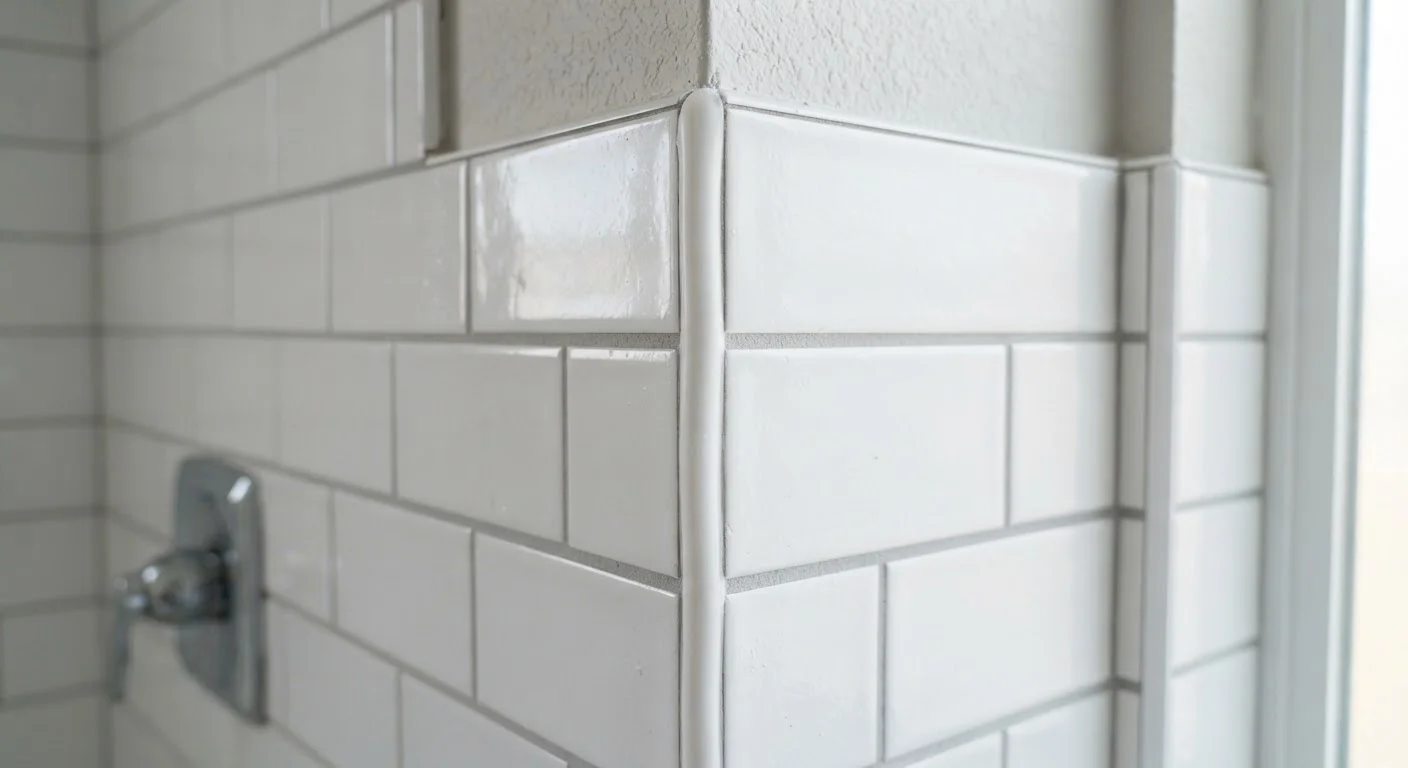
- All inside corners in showers, tub surrounds, and bathroom floors
- The joint where a tiled wall meets the rim of a bathtub or shower pan
- Transitions between tile and any other material (wood, drywall, metal thresholds)
- Expansion joints in large-format tile installations
The Industry Standard: Change of Plane = Caulk
The Tile Council of North America (TCNA) recommends that any change of plane or change of material in a tile installation receive a soft joint - meaning caulk, not grout. This applies even when the existing grout color is hard to match. A correctly placed caulk joint prevents far costlier water damage repairs down the road.
A common mistake is grouting the corner where a shower wall meets the shower floor. That joint is subject to continuous movement - from temperature changes, minor foundation shifts, and the flex of the tub itself. Rigid grout cannot handle it, and the crack that follows gives water a direct path behind the tile. If you're seeing repeated failures in that spot, see our guide on why bathtub caulk keeps failing for the prep steps most people skip.
Matching Color and Finish for a Clean Result
One practical challenge homeowners face is making caulk lines blend with grout joints. Most tile manufacturers and grout suppliers offer caulk in colors matched to their grout lines. When planning a tile project, source matching caulk at the same time as your grout - color-matched caulk makes corners nearly invisible.
If you're doing a repair rather than a new installation, bring a grout sample or photo to a tile supply store. Many stocked caulk colors approximate standard grout shades well enough for a seamless repair. Exact color matches are easier to source from specialty tile retailers than from general hardware stores.
As a finishing note: regardless of which material you use, surface prep determines longevity. Both grout and caulk require clean, dry, dust-free joints. Old caulk must be fully removed - not just painted over - before new caulk is applied. Old grout must be cut back cleanly before regrouting. Skipping prep is the single most common reason either material fails prematurely.