How Your Home's Plumbing System Works
Your home's plumbing operates as two distinct networks working in opposite directions. The supply system delivers pressurized fresh water from the municipal main (or a private well) to every faucet, toilet, and appliance. The drain-waste-vent (DWV) system relies on gravity to carry wastewater away and uses vent pipes - typically exiting through the roof - to prevent sewer gases from backing up into living spaces.
Understanding this basic split helps you troubleshoot faster. Slow drains point to the DWV side; low pressure or discolored water points to the supply side. Water heaters sit in between - they receive cold supply water, heat it, and send it to hot-water outlets throughout the house.
Supply system
The pressurized network of pipes that delivers fresh, potable water from the municipal main or a well to every fixture in your home.
Drain-waste-vent (DWV)
The gravity-fed network of pipes that carries wastewater and sewage out of the house, plus vent pipes that allow air in to prevent sewer gases from entering living areas.
Main shutoff valve
A single valve - usually near where the water line enters the home - that stops all water flow into the house when turned off.
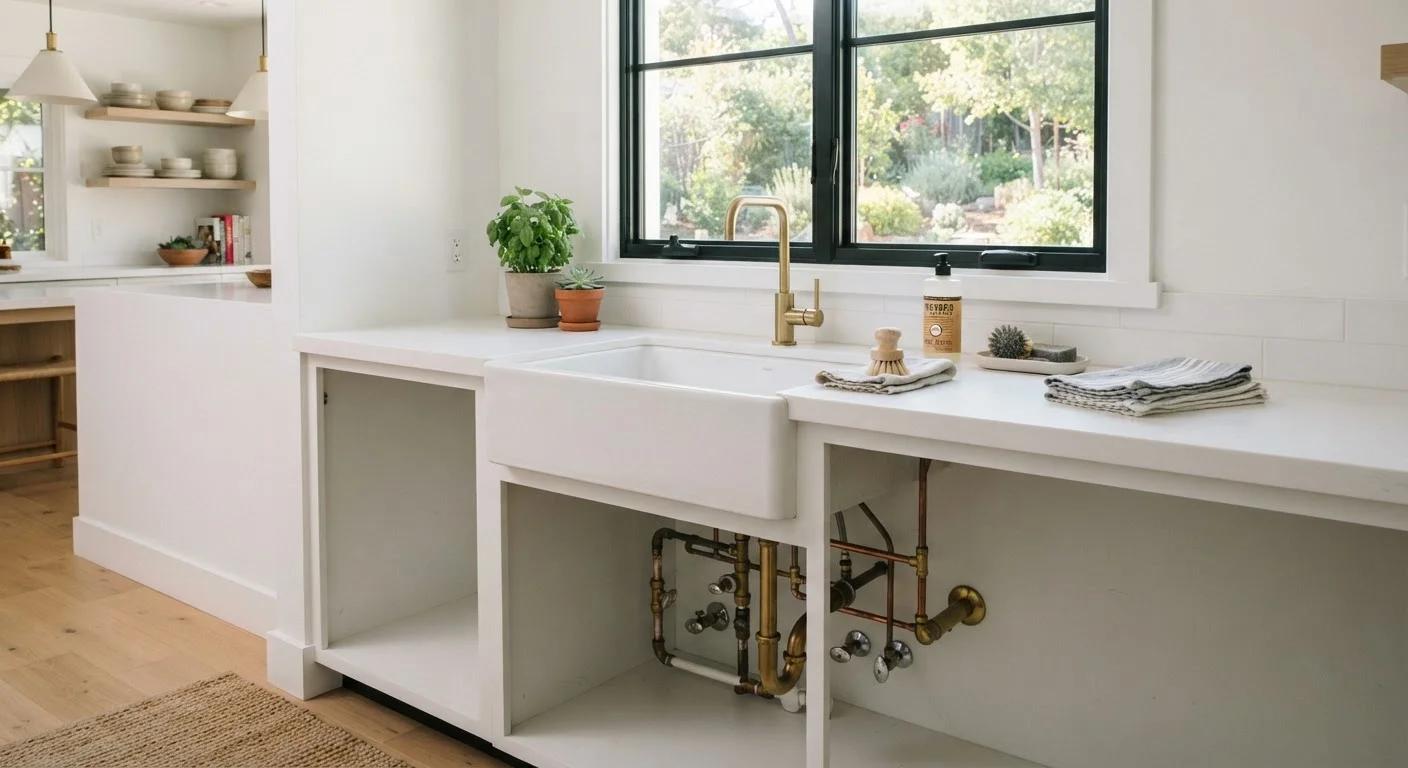
Fixture shutoff valve
A small individual valve located at each toilet or sink that lets you stop water flow to just that fixture without affecting the rest of the house.
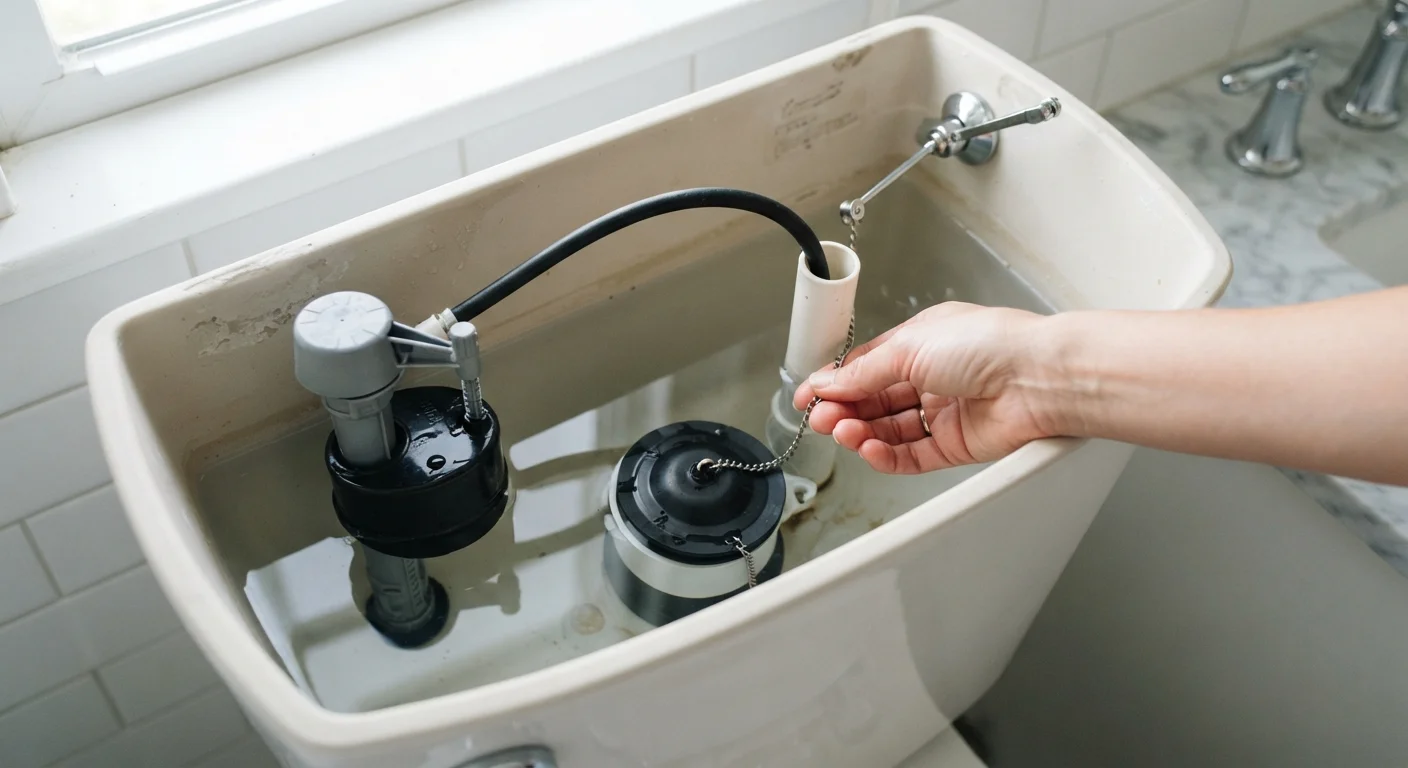
Flapper
A rubber seal at the bottom of a toilet tank that opens to release water during a flush and closes to allow the tank to refill.
Pipe tape (Teflon tape)
A thin white tape wrapped around threaded pipe fittings to create a watertight seal and prevent leaks at threaded connections.
The First Thing to Find: Your Main Shutoff Valve
Before anything else, locate your main water shutoff valve. In a plumbing emergency - a burst pipe, a stuck-open fixture - this valve is the difference between a manageable situation and serious water damage. Walk through your home on move-in day and find it; note the location for every adult in the household.
Beyond the main valve, each toilet and sink typically has its own fixture shutoff valve - the small oval handle behind the toilet or under the sink cabinet. Test each one gently to confirm it turns. Valves that haven't been operated in years can seize, so knowing their condition now prevents surprises later.
Label Your Shutoff Valves
Once you've located each fixture shutoff valve, consider labeling them with a small piece of masking tape noting which fixture they serve. This simple step saves valuable time during a leak when every second counts. Photograph the labels with your phone so you have a quick reference even if the labels fade.
Recognising Common Plumbing Problems Early
Most expensive plumbing repairs start as small, overlooked symptoms. Train yourself to notice:
- Unexplained spikes in your water bill - often the first sign of a hidden leak.
- Water stains on ceilings or walls - indicate a leak above or behind the surface, possibly from an upstairs bathroom.
- Slow drains - a partial clog building up in the DWV system; easier to clear now than when fully blocked.
- Gurgling sounds after flushing or draining - can signal a venting problem or a clog downstream.
- Running toilets - a worn flapper or fill valve wastes a significant volume of water continuously. See our guide to diagnosing a running toilet for a step-by-step fix.
Catching these signs early almost always means a lower repair cost and less potential for structural damage from prolonged moisture.
Simple Repairs You Can Tackle Yourself
Many routine plumbing tasks are well within a motivated beginner's reach, provided the water supply to that fixture is shut off first and local codes don't require a permit for the work.
- Dripping faucet
- Usually a worn washer or cartridge. Replacement parts are inexpensive and widely available. Match the faucet brand and model when buying parts.
- Slow or blocked drain
- Start with a plunger or a drain snake. Avoid chemical drain cleaners - they can damage older pipes and are a short-term fix at best.
- Leaking supply line under a sink
- Braided stainless supply lines are simple to swap out. Hand-tighten, then give a quarter-turn with a wrench; overtightening can crack the fitting.
- Running toilet
- The flapper is the most common culprit. A replacement flapper costs just a few dollars and installs without tools.
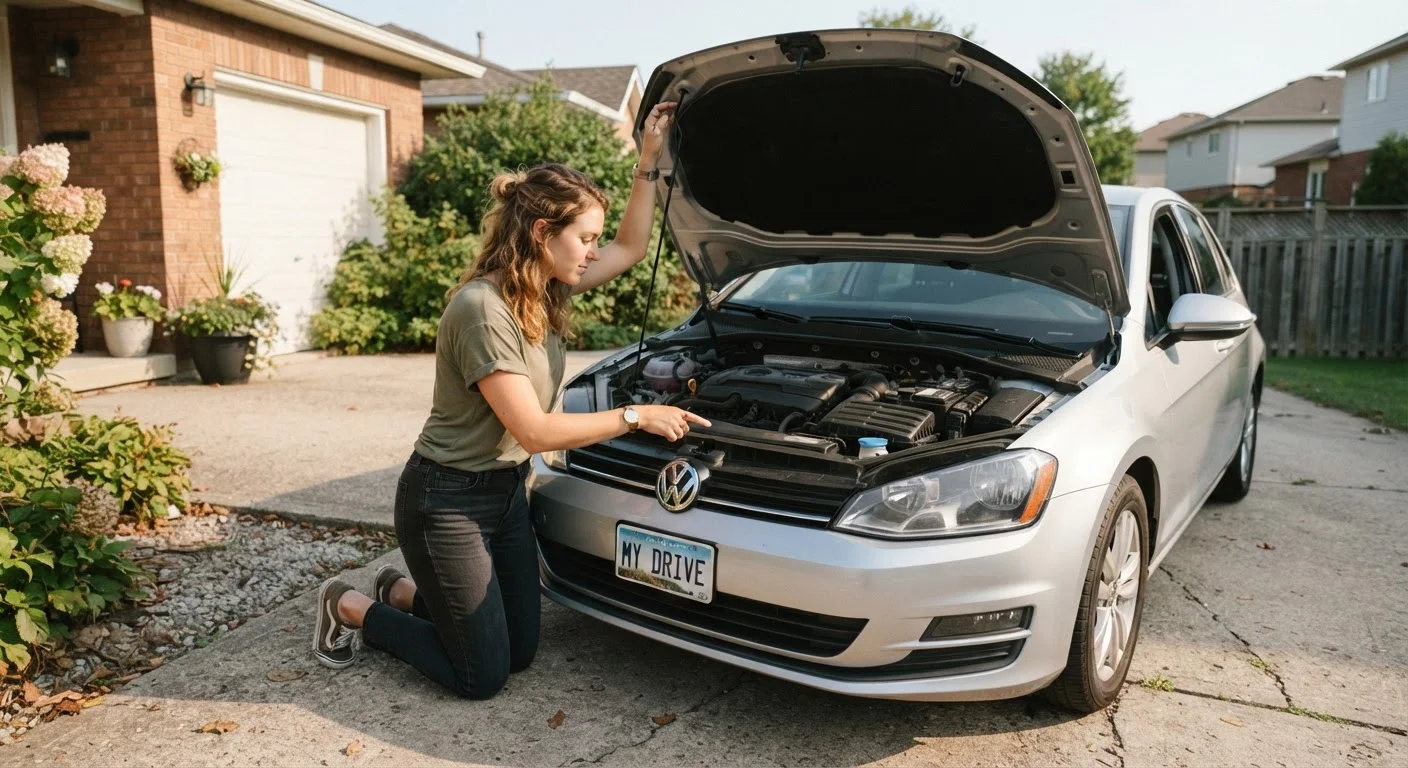
Just as new car owners benefit from building maintenance habits early - as outlined in a guide to car maintenance for new drivers - new homeowners gain confidence by starting with small, manageable plumbing tasks before tackling anything more complex.
When to Call a Licensed Plumber
Knowing your limits is just as important as knowing your tools. Some plumbing work carries real safety or legal consequences if done incorrectly.
Always hire a licensed plumber for:
- Any work involving gas lines connected to water heaters or boilers.
- Main sewer line repairs or replacements.
- New pipe runs or changes to the drain-waste-vent system.
- Water heater installation (electrical connections, pressure relief valves, and venting all require professional expertise).
- Work that requires a permit - your local building department can confirm what applies in your jurisdiction.
Do Not Skip Permits on Major Work
Unpermitted plumbing work - even if technically functional - can create serious problems when you sell your home or file an insurance claim. Inspectors and buyers' agents routinely check permit records. If unpermitted work is discovered, you may be required to open walls, redo the work, and pay for inspections at your own expense. Always verify permit requirements with your local building department before starting any significant project.
When hiring, ask for proof of a current state license and liability insurance. A written estimate before work begins protects both parties. Permits, where required, are not bureaucratic nuisances - they trigger inspections that verify the work is safe and up to code, which matters significantly when you sell the home.