Not Every Upgrade Pays Off the Same Way
Homeowners spend billions annually on renovations, but not every dollar invested comes back at resale. The difference between a value-adding project and an expensive personal preference often comes down to one question: does this improvement appeal broadly to future buyers, or mainly to you?
That's not a reason to avoid customizing your home - you live there, and comfort matters. But if building long-term equity is part of the goal, it helps to understand which upgrades tend to hold their value across different markets and buyer types. The projects below have shown consistent staying power, though individual results vary by location, quality of work, and market conditions. Consider pairing any renovation plan with a solid household budget - see our budgeting habits guide for practical strategies.
Minor Kitchen Updates
Full kitchen gut renovations are expensive and rarely recoup 100% of their cost. Minor kitchen refreshes, however, tend to offer a stronger return relative to investment. Replacing cabinet hardware, updating faucets, refinishing or repainting cabinets, and installing a new backsplash can modernize a space without the cost of a full remodel.
Buyers consistently rank kitchens as one of the most important rooms in a home. A functional, clean, and reasonably updated kitchen signals well-maintained property - which is exactly the impression that translates to value.
A functional, updated kitchen signals well-maintained property - which translates directly to buyer confidence.
Bathroom Refreshes
Like kitchens, bathrooms carry significant weight in buyer perception. A mid-range bathroom update - replacing an aging vanity, re-grouting tile, updating lighting, or swapping out fixtures - can meaningfully improve a home's appeal without the cost of a full renovation.
Bathrooms with obvious wear (stained grout, outdated fixtures, poor ventilation) can be a detraction even when the rest of the home is in good shape. Addressing those issues pays dividends both in daily comfort and resale readiness.
Addressing visible bathroom wear - grout, fixtures, lighting - removes a common buyer objection at relatively low cost.
Flooring Replacement or Refinishing
Worn or dated flooring is one of the first things buyers notice. Refinishing existing hardwood floors is generally cost-effective and dramatically changes a room's appearance. In areas where hardwood isn't present, luxury vinyl plank (LVP) has become a widely accepted alternative that handles moisture better than wood and costs less than tile.
Material choice matters - not every option suits every room or climate. Our comparison of flooring options for every room breaks down durability, moisture resistance, and upkeep across common flooring types.
Refinishing hardwood or installing LVP is one of the most visible - and cost-effective - upgrades a homeowner can make.
Energy Efficiency Improvements
Upgrades that reduce utility costs appeal to a broad range of buyers, especially as energy prices remain a household concern. Adding attic insulation, sealing air leaks, upgrading to a programmable or smart thermostat, and replacing older windows with energy-efficient models can all reduce monthly costs while improving comfort.
These projects often qualify for federal or state tax credits, which can reduce the out-of-pocket cost. However, incentive programs change - verify current eligibility through official government sources before factoring credits into your budget.
Energy efficiency improvements serve double duty: lowering monthly bills while adding a selling point that resonates with cost-conscious buyers.
Exterior and Curb Appeal Improvements
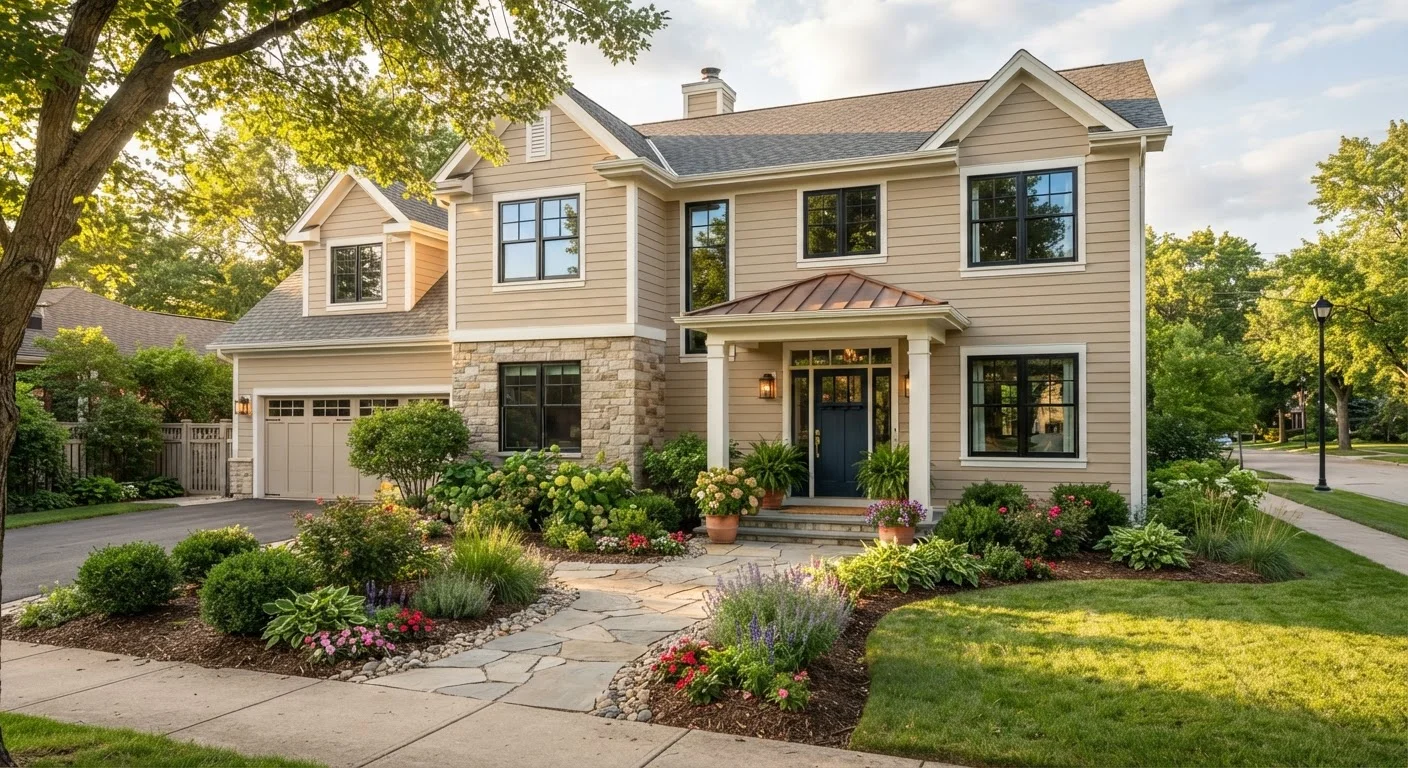
A home's exterior is the first thing buyers see, and that impression shapes everything that follows. Repainting the front door, power-washing siding, replacing an aging garage door, tidying landscaping, and repairing cracked walkways are relatively affordable projects that deliver outsized visual impact.
Garage door replacements in particular tend to recoup a high percentage of their cost, according to industry cost-versus-value data, because they affect both aesthetics and function. Curb appeal work doesn't require large budgets - consistent, well-maintained landscaping often outperforms expensive hardscaping in buyer appeal.
Curb appeal improvements are among the most cost-efficient ways to raise a home's perceived value before listing.
Deck or Patio Addition
Usable outdoor living space has grown in demand, and a well-constructed deck or patio expands a home's functional square footage at a lower cost per square foot than interior additions. Wood decks and composite decks each carry different maintenance profiles - composite costs more upfront but requires less ongoing care.
The value of outdoor additions varies by climate; in warmer regions, outdoor living space may be used year-round and valued more highly. In colder markets, a simple patio may deliver better value than a full deck build. Match the scope to your neighborhood's norms and your local market's expectations.
Outdoor living additions expand usable space at a lower cost per square foot than interior room additions.
HVAC and Mechanical System Upgrades
Buyers and inspectors pay close attention to major mechanical systems. An aging furnace, failing air conditioner, or outdated water heater can become a negotiating point - or a deal-breaker. Proactively replacing systems that are nearing end-of-life removes uncertainty and signals responsible homeownership.
While buyers rarely get excited about HVAC upgrades the way they do about kitchens, a recently replaced system often translates to a smoother sale with fewer concessions. These are foundational investments that protect the value of everything else you've improved.
Replacing aging mechanical systems before listing removes a common inspection red flag and supports a cleaner sale.
Plan Smart, Invest Wisely
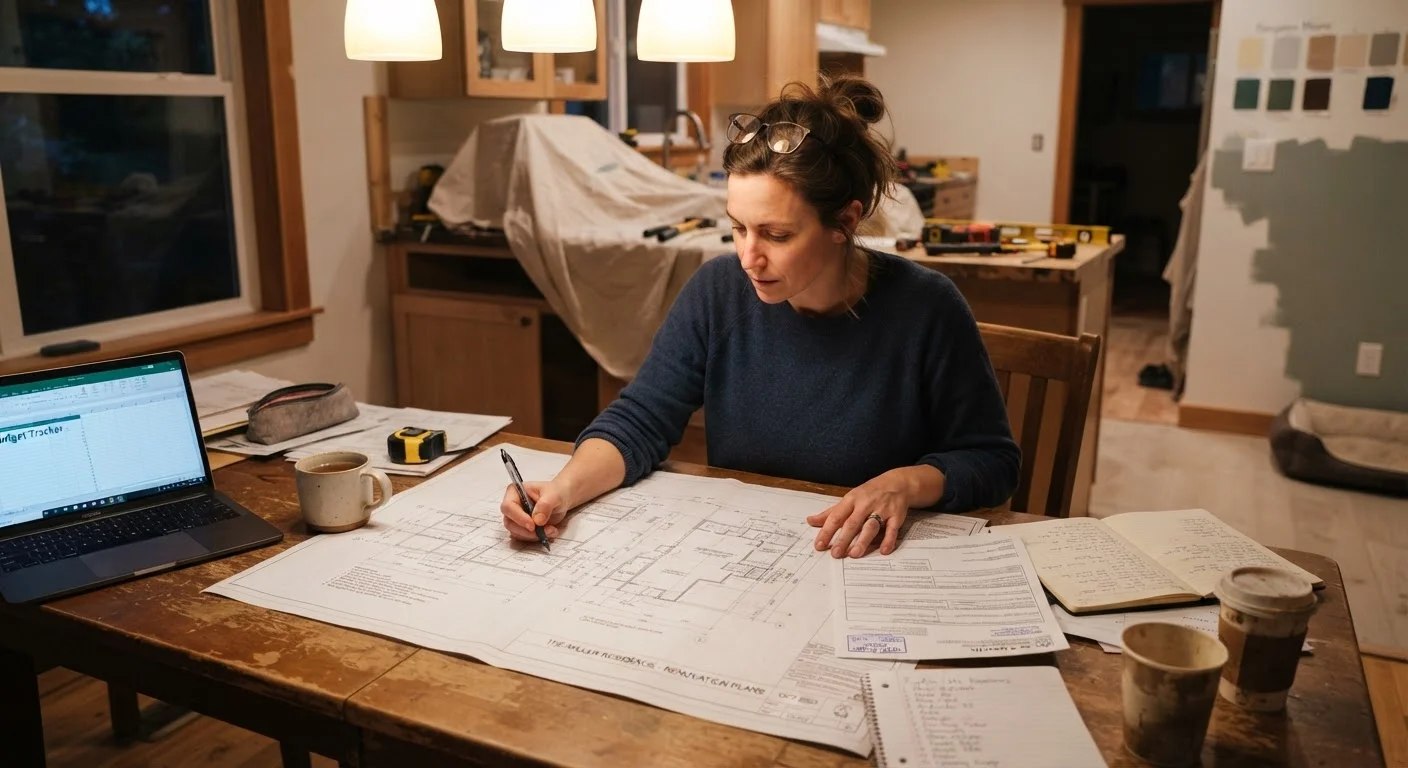
The strongest renovation decisions share a few traits: they address functional needs, align with neighborhood norms, and are executed with permits and proper materials. Before starting any project, check whether permits are required - many homeowners underestimate what's regulated. Our guide to permit myths that trip up DIY renovators explains what's actually regulated and why skipping that step can backfire at resale.
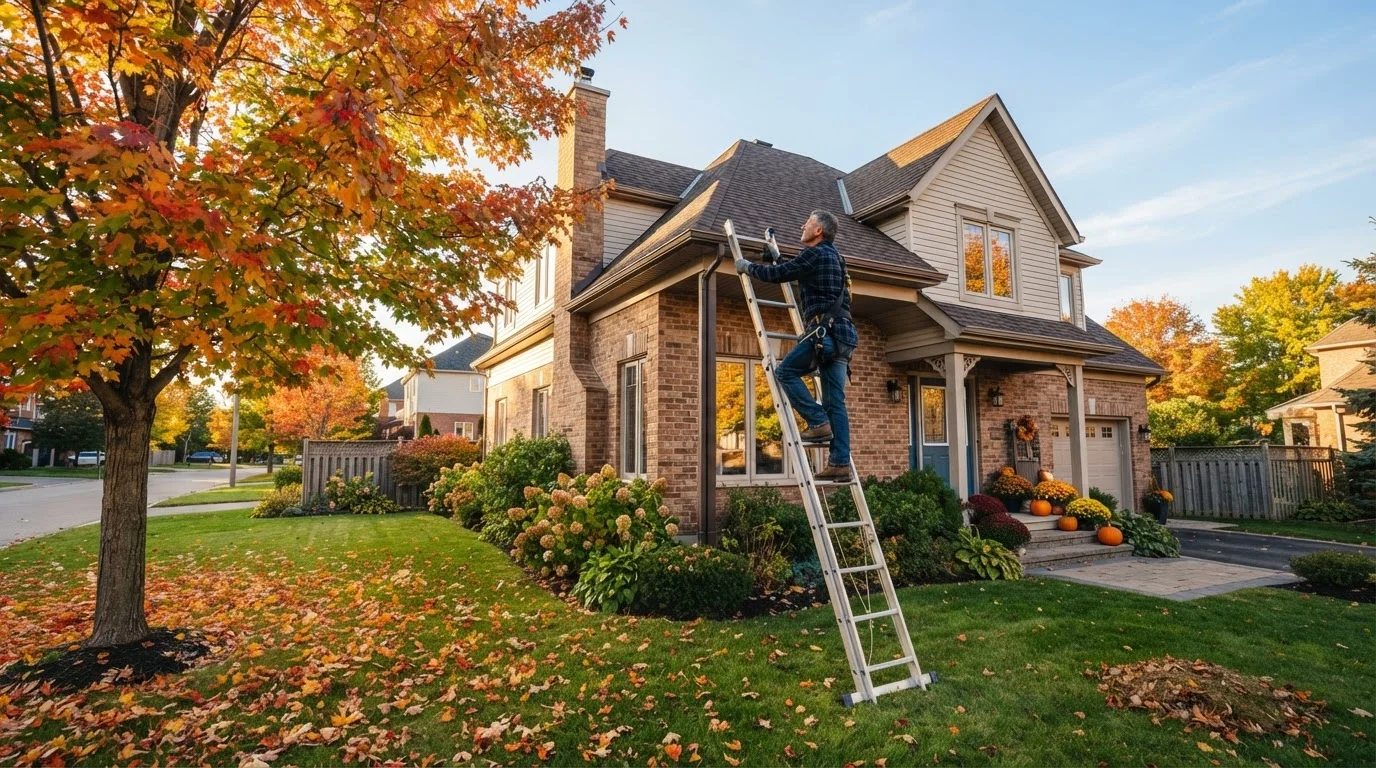
Routine maintenance also protects the value created by upgrades. A kitchen remodel loses its luster quickly if the roof leaks or the HVAC fails. Pair any improvement project with ongoing upkeep using our seasonal maintenance checklist to keep every system in good shape year-round.
Match Your Investment to Your Market
Before committing to a major renovation, take time to understand what comparable homes in your neighborhood offer. Over-improving for your area - installing a high-end kitchen in a starter-home neighborhood, for example - can mean spending more than the market will return. A local real estate agent or appraiser can help you gauge which upgrades are likely to resonate with buyers in your specific market.
This article is for general informational purposes only. Home values vary significantly by market, condition, and timing. Consult a licensed real estate professional or contractor for guidance specific to your property.