
Why a Room-by-Room Approach Works
Most home maintenance guides organize tasks by season, which is helpful - but when a problem appears in a specific room or system, you need to know exactly what to check and when. This checklist combines both approaches: it groups tasks by area of the home, then tells you which season to act.
A proactive routine helps you catch small issues - a slow drain, a cracked caulk line, a worn weather strip - before they become expensive repairs. According to housing industry guidance, deferred maintenance costs typically exceed the original repair cost by a significant margin the longer they're ignored.
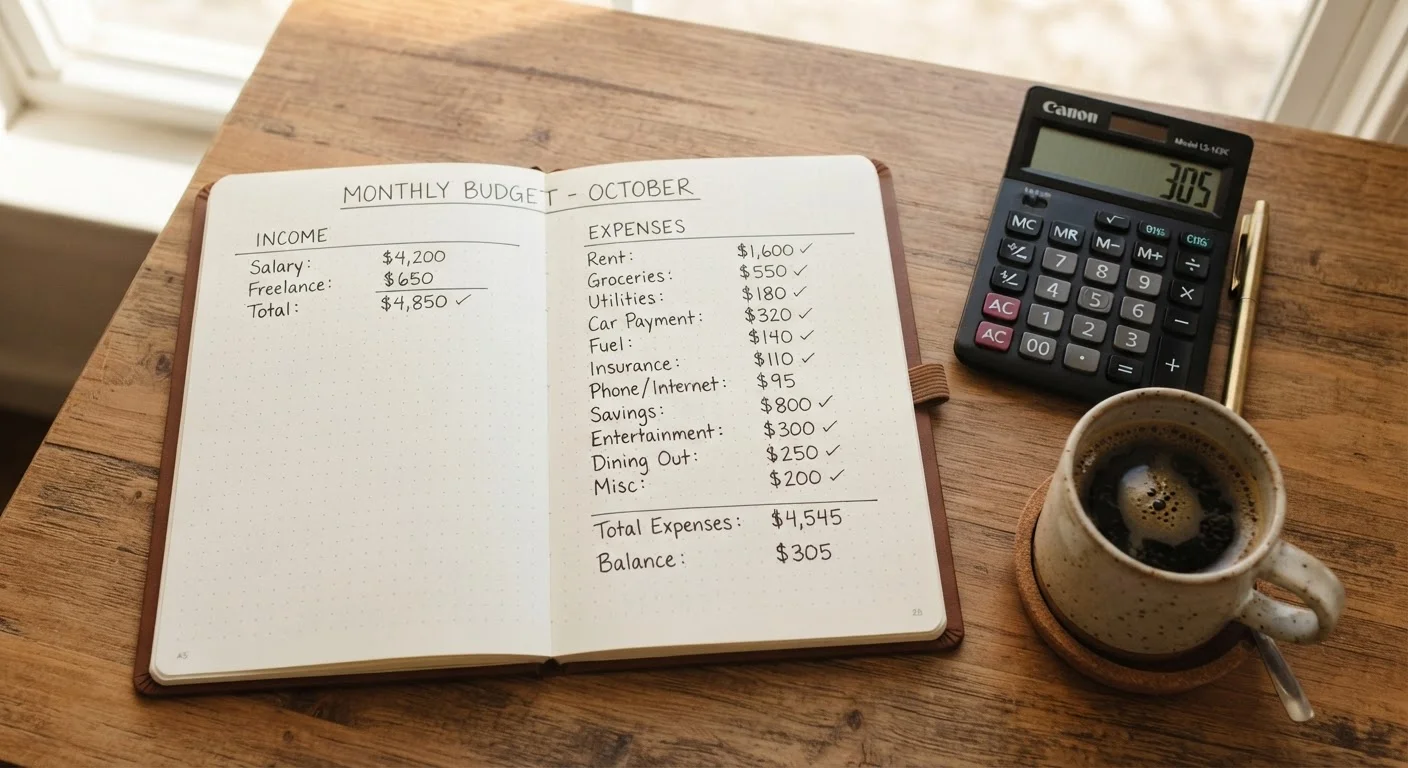
Before you start working through this checklist, it's worth having a household budget that includes a maintenance reserve. See our monthly budget setup checklist to set aside a realistic amount each month for home upkeep. A common rule of thumb is to budget roughly 1% of your home's value annually for maintenance, though this varies by home age and condition.
Exterior & Roof
HVAC & Ventilation
Plumbing & Water
Electrical & Safety Devices
Kitchen & Bathrooms
Basement & Attic
Windows, Doors & Weatherization
Tools and Supplies to Have on Hand
You don't need a contractor's toolkit to complete this checklist, but a few basics will make the process safer and more efficient. Keep these within reach before you begin your seasonal walk-through.
Caulk gun and waterproof caulk
Sealing gaps around windows, doors, tubs, and exterior penetrations to prevent water and air infiltration.
Ladder (6-8 ft step and/or extension)
Safely accessing gutters, exterior siding, and attic hatches during inspection rounds.
Flashlight or headlamp
Inspecting dark areas in the attic, basement, and under sinks where lighting is limited.
HVAC filter replacements
Keeping a supply on hand ensures you can swap filters on schedule without delay.
Moisture meter
Detecting elevated moisture in walls, floors, or framing before visible damage appears.
Screwdriver set and pliers
Tightening loose hardware, removing vent covers, and inspecting mechanical connections.
Know When to Call a Professional
Several items on this checklist - including electrical panel inspection, roof repair, and structural cracks - should only be assessed or repaired by a licensed professional. Attempting these tasks without proper training or tools can cause injury or make damage worse. If you're unsure whether a task is within your skill level, err on the side of caution and consult a qualified contractor.
Permits May Be Required for Repairs
Some repair work - particularly involving electrical wiring, plumbing tie-ins, roof replacement, or structural changes - may require permits or inspections in your municipality. Always verify local code requirements with your city or county building department before starting significant repair or improvement work.
Seasonal Timing at a Glance
Most checklist items are tagged to a specific season. Here's how to think about the calendar:
- Spring (March-May): Post-winter inspection focus - exterior damage, drainage, HVAC switchover.
- Summer (June-August): Interior systems, pest prevention, window and door sealing.
- Fall (September-November): Heating prep, roof and gutter clearing, weatherization.
- Winter (December-February): Pipe protection, indoor air quality, safety device testing.
Outdoor tasks pair naturally with your yard and garden calendar. For everything happening in your lawn and garden through the year, see our year-round lawn care calendar. And if spring planting is approaching, the spring garden preparation checklist covers soil, beds, and tools in detail.
Major repairs uncovered during your walk-through may prompt a renovation conversation. Home improvement projects that tend to add long-term value can help you prioritize which upgrades are worth the investment.
Electrical and Gas Work Requires a Licensed Professional
Never attempt to repair or modify your home's electrical wiring, breaker panel, or gas lines yourself unless you are a licensed tradesperson. Improper work on these systems is a leading cause of house fires and carbon monoxide incidents. Always hire a licensed electrician or plumber for anything beyond basic switch or outlet replacement, and follow all permit requirements in your area.