How to Use This Seasonal Calendar
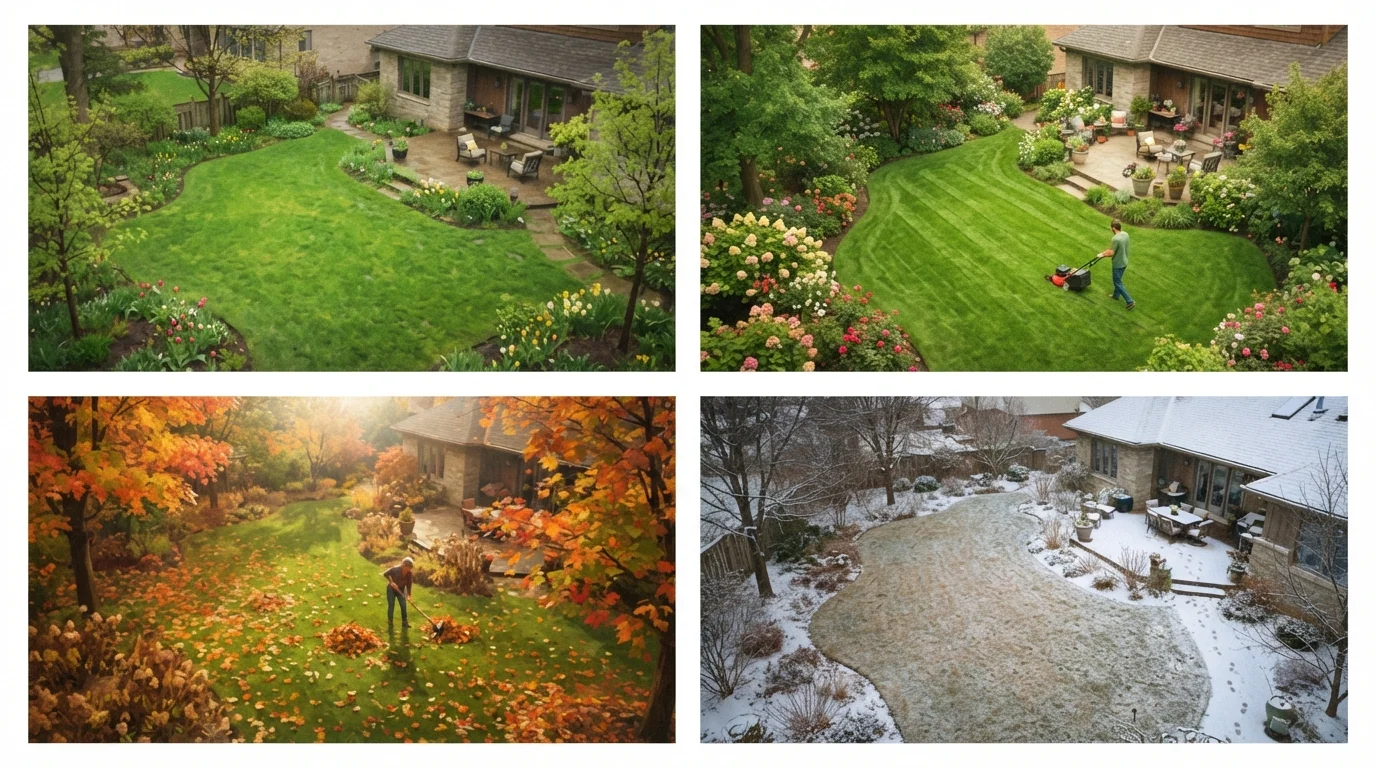
Lawn care is less about heroic weekend efforts and more about doing the right task at the right time. This calendar breaks maintenance into four seasonal windows, giving you a clear checklist for each. Whether you have a small front yard or a sprawling backyard, the timing principles are the same - though the specific products and grass varieties that work best will depend on your climate and soil type.
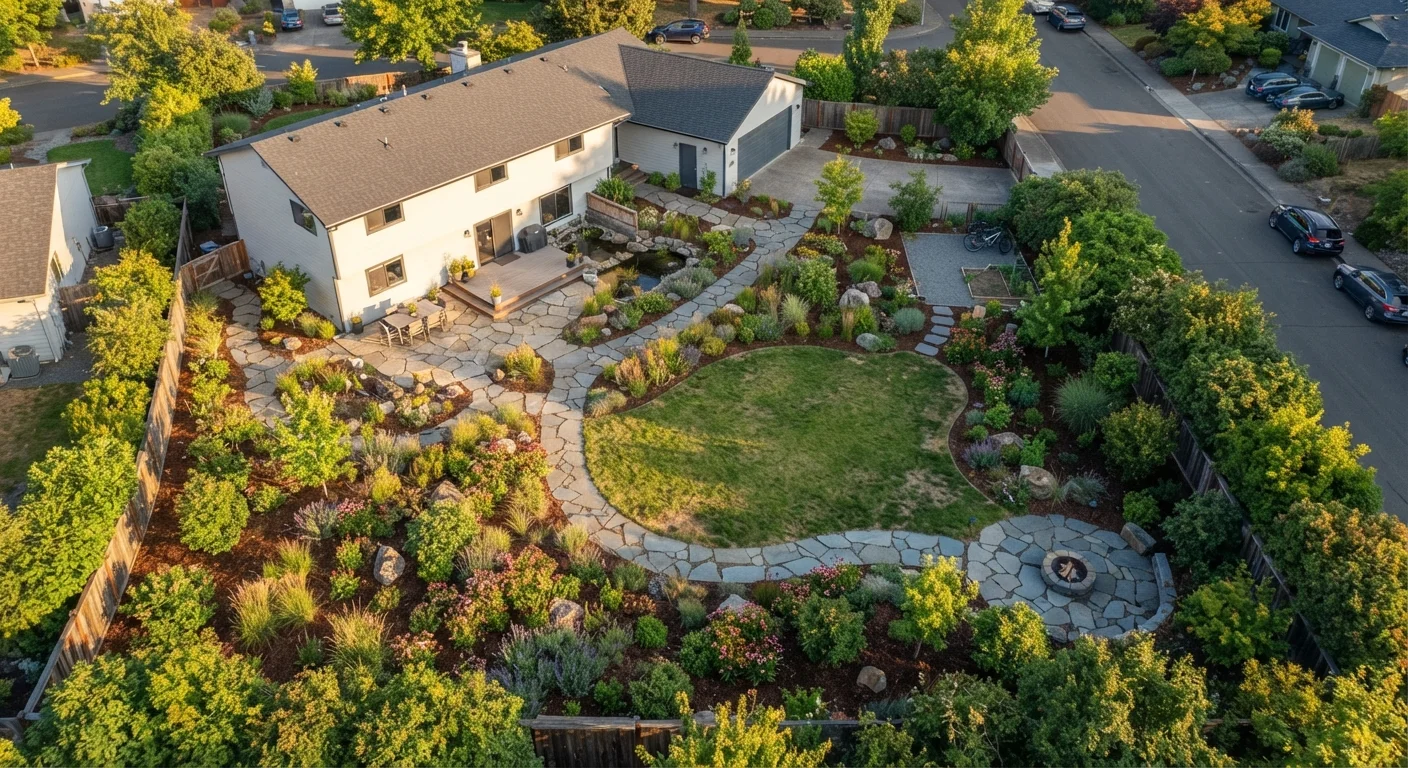
If you want to go deeper on soil health before you start, our spring garden preparation checklist covers soil testing and bed clearing that pairs well with lawn prep. For readers thinking about reducing lawn area altogether, designing a low-maintenance yard offers strategic alternatives.
| Best time to aerate cool-season lawns | Early spring or early fall (University cooperative extension programs, general guidance) |
| Best time to aerate warm-season lawns | Late spring to early summer (University cooperative extension programs, general guidance) |
| Ideal mowing height (general) | 3-4 inches during growing season |
| Weekly water target | Approximately 1 inch (including rainfall) |
| Thatch removal trigger | When thatch layer exceeds ½ inch |
| Pre-emergent timing | Before soil temp reaches 55°F (13°C) |
Spring: Wake-Up and Recovery (March-May)
Spring is your most important lawn window. Grass is emerging from dormancy and is receptive to interventions that set the tone for the rest of the year.
- Soil test first: A basic soil pH and nutrient test (available at most cooperative extension offices) tells you exactly what amendments your lawn needs - guesswork leads to over-fertilizing or missing deficiencies.
- Rake and dethatch: Remove winter debris and any matted thatch layer (decomposed grass stems) that can block water and nutrients from reaching roots.
- Aerate compacted soil: Core aeration - pulling small plugs from the soil - improves drainage and root penetration. Aim for this in early-to-mid spring for cool-season grasses, late spring for warm-season varieties.
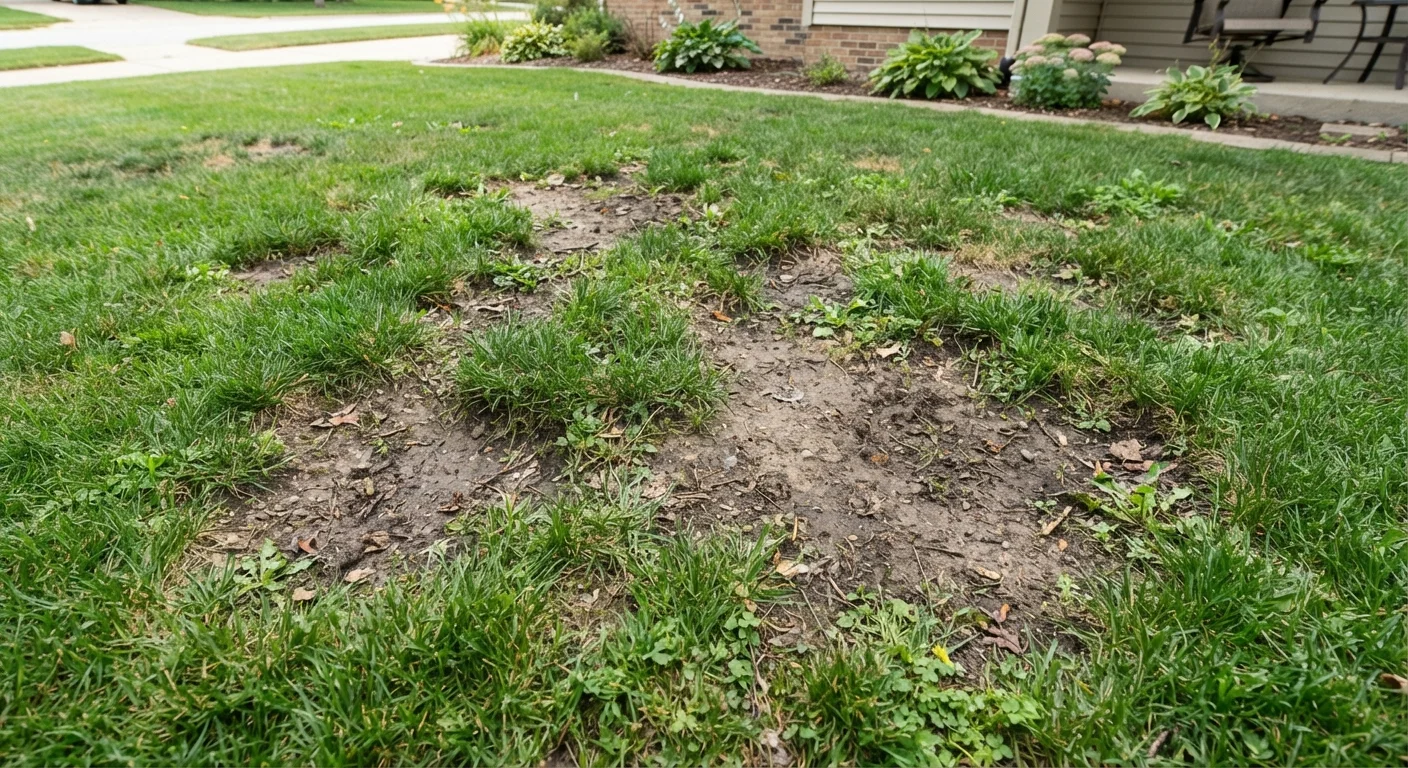
- Overseed bare patches: Thin or bare areas are best addressed now before summer heat arrives. See why your grass is patchy for diagnosing root causes before reseeding.
- Apply pre-emergent weed control: Timing matters - apply before soil temperatures consistently reach 55°F (13°C) to interrupt crabgrass germination.
- Begin mowing: Start when grass reaches about 3-4 inches. Never cut more than one-third of the blade height at once.
Thatch
A layer of accumulated dead grass stems, roots, and organic matter that builds up between the soil surface and live grass blades. A thin layer is normal, but more than half an inch can block water, air, and nutrients from reaching roots.
Core aeration
A mechanical process that removes small cylindrical plugs of soil from the lawn to relieve compaction, improve drainage, and allow air and nutrients to penetrate more deeply to grass roots.
Pre-emergent herbicide
A weed-control treatment applied to soil before weed seeds germinate. It creates a chemical barrier that prevents sprouting; it does not kill established weeds.
Overseeding
The practice of spreading grass seed over an existing lawn - without tilling - to thicken thin turf, fill bare spots, or introduce a more resilient grass variety.
Dormancy
A temporary state of minimal growth that grass enters in response to extreme heat or cold. Dormant grass appears tan or brown but is not dead; it resumes growth when conditions improve.
Cool-season grass
Grass varieties such as Kentucky bluegrass, tall fescue, and perennial ryegrass that grow most actively in spring and fall when temperatures range from roughly 60-75°F (15-24°C).
Summer: Stress Management (June-August)
Heat and drought put lawns under significant stress. Summer maintenance shifts from growth to protection.
- Raise your mower blade: Taller grass (3-4 inches) shades the soil, reducing moisture evaporation and suppressing weeds naturally.
- Water deeply and infrequently: About 1 inch of water per week - including rainfall - encourages deep root growth. Frequent shallow watering produces shallow, drought-vulnerable roots. Water early morning to reduce evaporation and fungal risk.
- Hold off on fertilizer: Feeding warm-season grasses in early summer is appropriate, but avoid nitrogen-heavy fertilizer on cool-season grasses during peak heat, as it can stress the lawn.
- Watch for pests and disease: Grubs, chinch bugs, and fungal patches often appear in summer. Identifying the problem accurately before treating prevents unnecessary chemical use.
- Accept dormancy if needed: Cool-season lawns may go tan and dormant in extreme heat. This is normal - consistent watering can keep them green, but allowing dormancy is a valid, water-conserving choice.
Fall: The Rebuilding Season (September-November)
Fall is arguably the second-most critical season for lawns, especially for cool-season grass types like fescue, bluegrass, and ryegrass. Cooler temperatures and moisture support recovery and deep root development.
- Overseed again if needed: Fall offers ideal germination conditions for cool-season grasses. Seed at least 45 days before your average first frost date.
- Fertilize strategically: A fall fertilizer application - particularly one higher in potassium - helps roots store energy for winter. Avoid heavy nitrogen late in the season, which can push tender growth vulnerable to frost.
- Continue mowing until growth stops: Gradually lower your mowing height through October so grass enters winter at about 2-2.5 inches - tall enough to protect crowns, short enough to resist matting under snow.
- Mulch leaves: Instead of bagging, a mulching mower can chop fallen leaves into fine particles that decompose and return nutrients to the soil. Pair this with home composting to recycle yard waste efficiently.
- Aerate again if skipped in spring: Fall aeration is equally effective and can be combined with overseeding.
Winter: Rest and Preparation (December-February)
Actively growing grass is largely on pause, but winter is the right time to prepare your tools and plan for spring.
- Clean and service equipment: Drain fuel from mowers (or use a fuel stabilizer), sharpen blades, and lubricate moving parts before storing. Dull blades tear grass rather than cut it cleanly, increasing disease risk next season.
- Minimize foot traffic: Frozen or frost-covered grass is brittle. Heavy foot traffic during this period can damage crowns and leave paths that are slow to recover in spring.
- Review last year's results: Note problem areas - bare patches, drainage issues, persistent weeds - so you can address them systematically in spring rather than reactively.
- Plan your budget: Lawn care costs (aeration, seeding, fertilizer) add up. Mapping out what you genuinely need versus what's optional helps you allocate spending wisely.
For a broader view of seasonal home upkeep, the seasonal home maintenance checklist helps you coordinate lawn tasks alongside interior and exterior home care so nothing falls through the cracks.