Why Composting Is Worth Your Time
Composting is one of the highest-impact, lowest-cost habits a homeowner can build. Instead of sending vegetable peels, coffee grounds, and lawn clippings to the landfill, you convert them into a soil conditioner that improves almost every garden challenge - from sandy soil that dries out too fast to clay that stays waterlogged. Finished compost feeds soil microbes, encourages earthworms, and slowly releases nutrients plants can actually use.
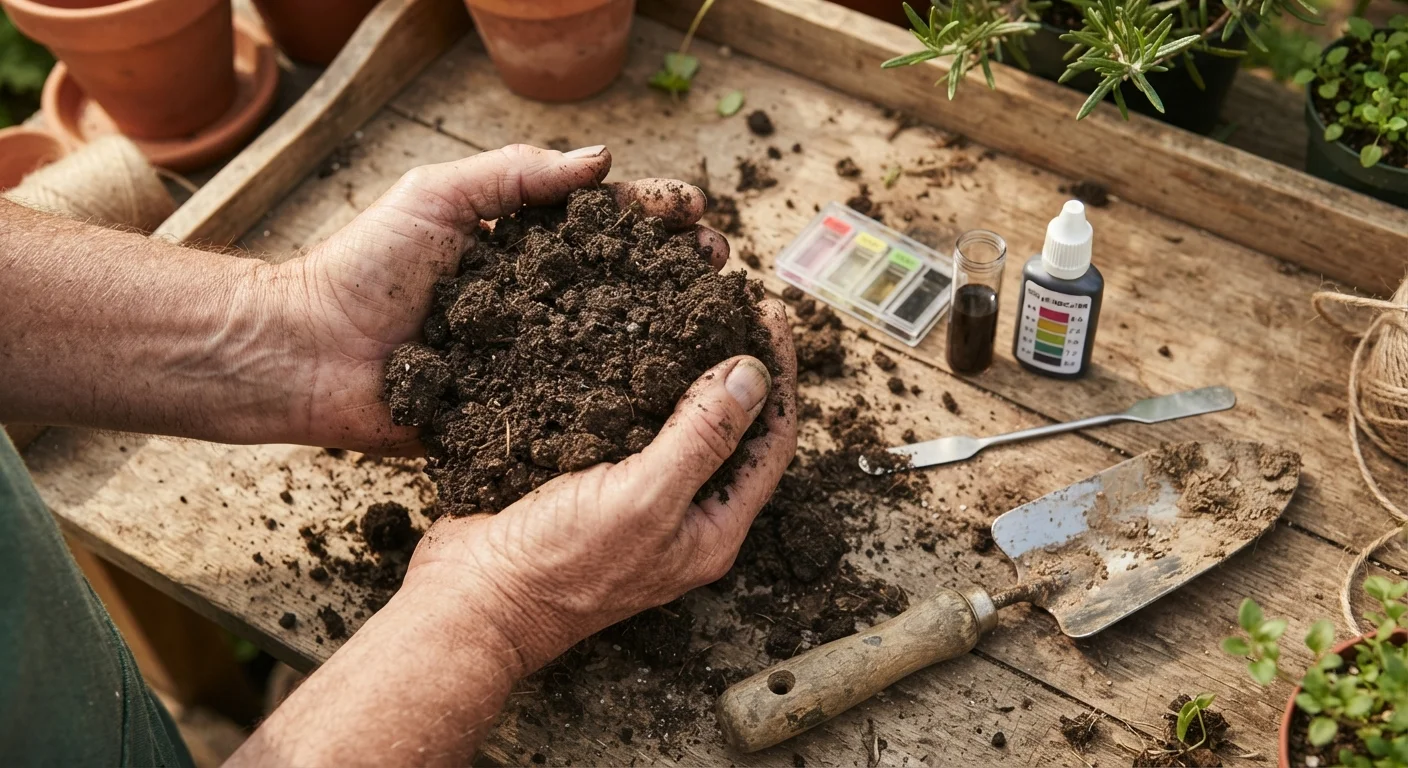
From a budget standpoint, compost replaces or reduces the need for purchased soil amendments. If you're planning raised beds or working to build healthier ground across your yard, diverting waste into compost is a meaningful starting point. See our primer on soil health to understand how compost fits the bigger picture of what your garden grows in.
The Green and Brown Balance
Every compost pile is a managed ecosystem. The organisms that break down your materials need two types of ingredients to thrive:
- Greens (nitrogen-rich): fresh grass clippings, vegetable scraps, fruit peels, coffee grounds, fresh plant trimmings.
- Browns (carbon-rich): dry leaves, cardboard, paper, straw, wood chips, sawdust from untreated wood.
A common guideline is roughly three parts browns to one part greens by volume. Too many greens and the pile turns slimy and smells; too many browns and decomposition slows to almost nothing. Layering the two as you add material - rather than dumping them all at once - helps maintain that balance naturally.
Carbon-to-nitrogen ratio
The proportion of carbon-rich browns to nitrogen-rich greens in a compost pile. This ratio drives microbial activity - too much of either slows or disrupts decomposition.
Aerobic decomposition
Breakdown of organic matter by microbes that need oxygen. This is the process you want in a compost pile - it is faster and produces less odor than oxygen-free decomposition.
Vermicomposting
Using worms (typically red wigglers) to break down food scraps in a contained bin. It works indoors or in small spaces and produces a highly concentrated soil amendment called worm castings.
Hot composting
An active method where the pile's core reaches 130-160°F, killing weed seeds and pathogens. It requires regular turning and careful material balance but produces finished compost faster.
Soil amendment
Any material mixed into soil to improve its physical structure, water retention, or nutrient content. Finished compost is one of the most versatile and widely available soil amendments.
What to Add-and What to Keep Out
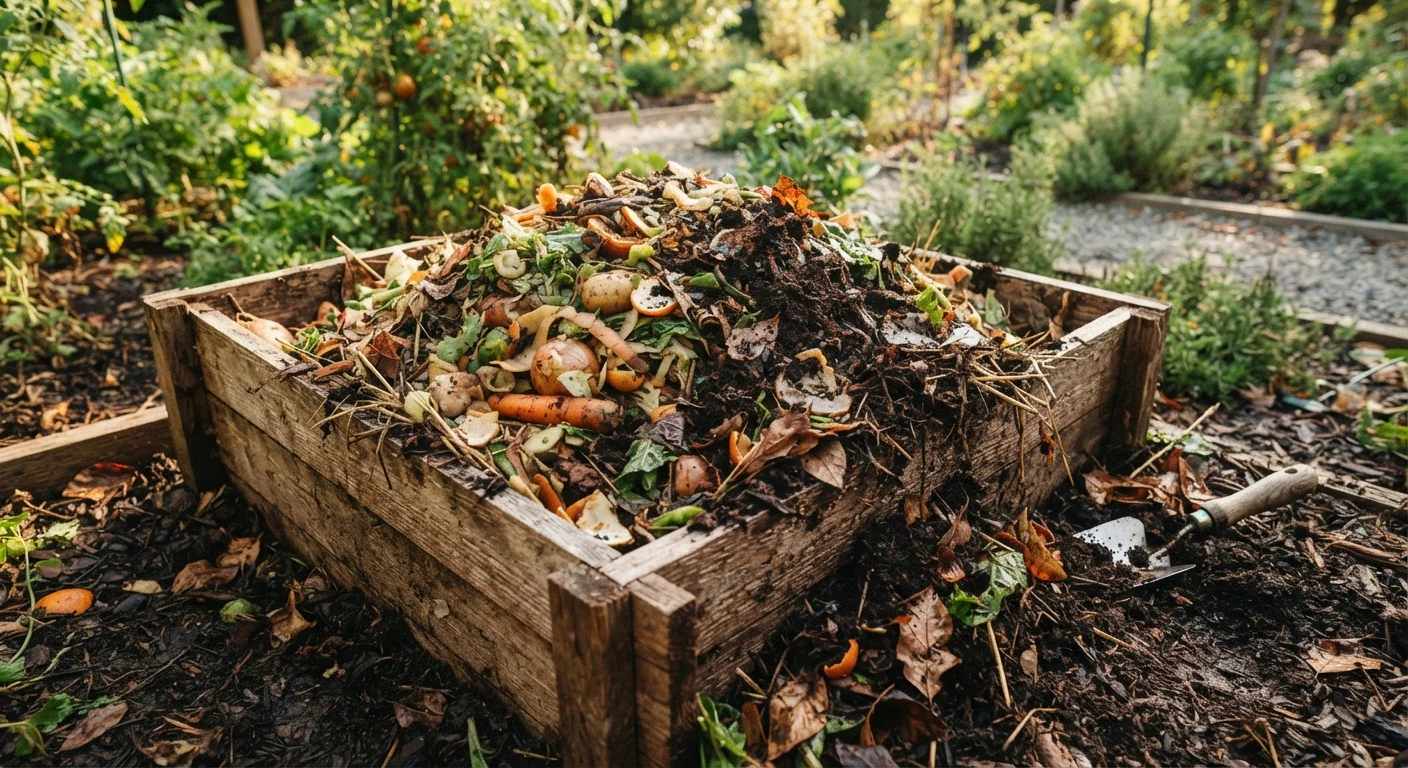
Safe to compost: fruit and vegetable scraps, eggshells, coffee grounds and paper filters, tea bags (without staples), grass clippings, dry leaves, shredded newspaper, cardboard, garden trimmings, and hair or nail clippings.
Keep these out: meat, fish, bones, dairy products, oily or greasy food, pet waste, diseased or pest-infested plants, and anything treated with persistent pesticides. These materials either attract pests, introduce pathogens, or break down in ways that harm the pile or your soil.
Never Compost Meat, Dairy, or Pet Waste
These materials attract rodents and other pests, create persistent odors, and can introduce harmful pathogens into your compost. Stick to plant-based kitchen scraps and untreated yard waste. When in doubt about a material, leave it out.
Weeds that have gone to seed are a judgment call. If your pile runs hot enough - roughly 130-160°F at the core - seeds are killed. Passive piles that never heat up may simply germinate those seeds when you spread the finished compost.
Setting Up Your Compost System
Choose a spot that is convenient enough that you'll actually use it - within reasonable distance of both your kitchen door and your garden beds. A partially shaded location slows moisture loss in summer. The site should have decent drainage so the pile doesn't sit in a puddle.
You have several practical options:
- Open pile: Simply heap material in a corner of the yard. Low effort, no cost, slower results.
- DIY bin: Four pallets wired together or a circle of hardware cloth makes a free or near-free enclosure that concentrates heat and keeps things tidy.
- Tumbler: An enclosed rotating drum speeds decomposition and deters rodents, but works best with smaller volumes of material.
Whatever system you choose, aim for a pile at least three feet wide and three feet tall to generate enough internal heat for active decomposition.
Maintaining a Healthy Pile
Think of your compost pile as needing three things: air, moisture, and the right particle size. Turning the pile every one to two weeks with a pitchfork reintroduces oxygen that microbes need. The pile should feel about as damp as a wrung-out sponge - wet enough to support microbial life, dry enough that it doesn't go anaerobic and start to smell.
Chop or shred materials before adding them when possible. Smaller pieces expose more surface area to microbes and decompose much faster than whole branches or intact cardboard boxes.
Restart a Stalled Pile Quickly
If your pile has gone quiet, the fix is usually simple: check moisture, add a fresh layer of greens, and turn it thoroughly. Adding a shovelful of finished compost or garden soil can also reintroduce active microbes. Most stalled piles bounce back within a week of attention.
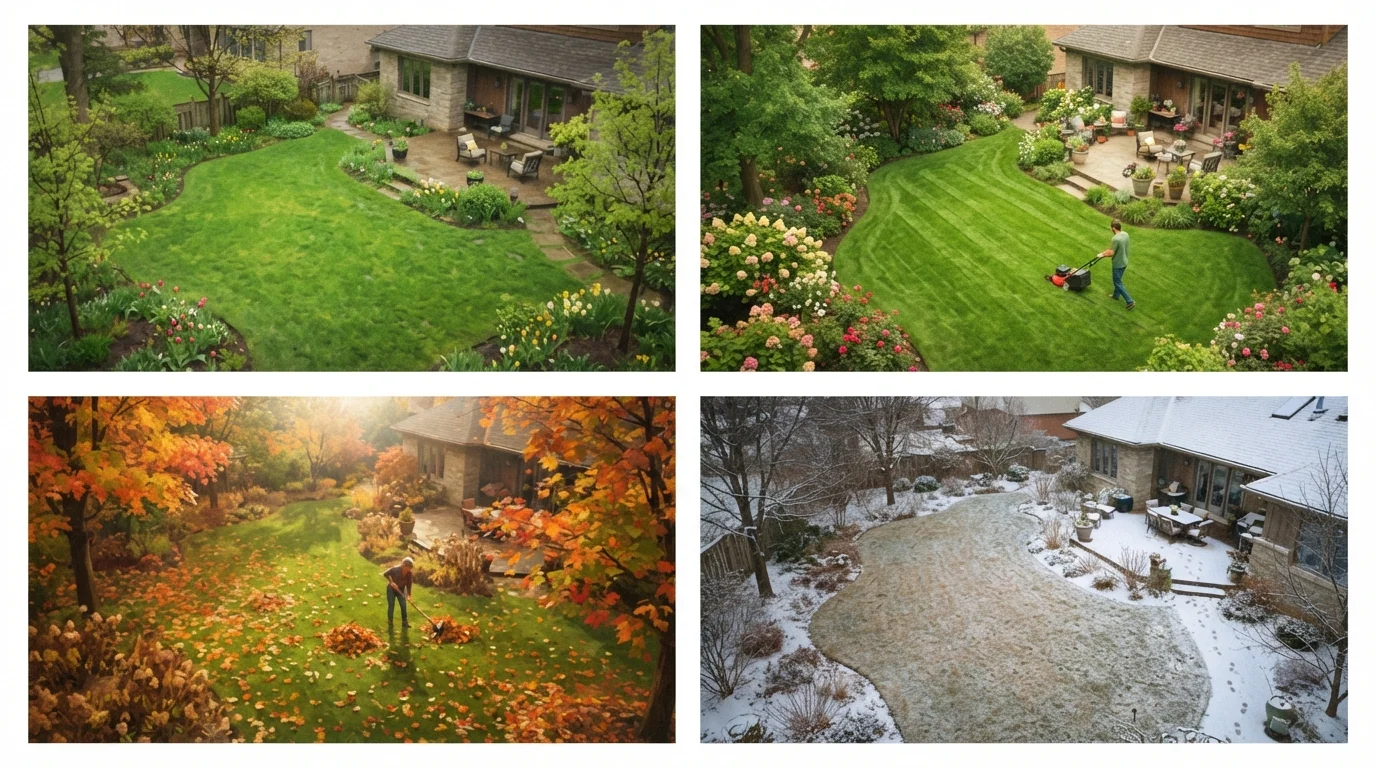
If decomposition seems stalled, check moisture first - a dry pile does very little. Add water if needed, turn the pile, and mix in a fresh batch of greens to re-energize the microbial community. Your seasonal lawn care calendar can remind you when grass clippings, leaves, and other yard materials are most abundant and ready to feed your pile.
Using Finished Compost in Your Garden
Finished compost is dark brown or black, crumbles easily, and smells like forest earth rather than rotting food. At that point it is ready to use. Common applications include:
- Soil amendment: Work two to three inches into garden beds before planting to improve structure and nutrient content.
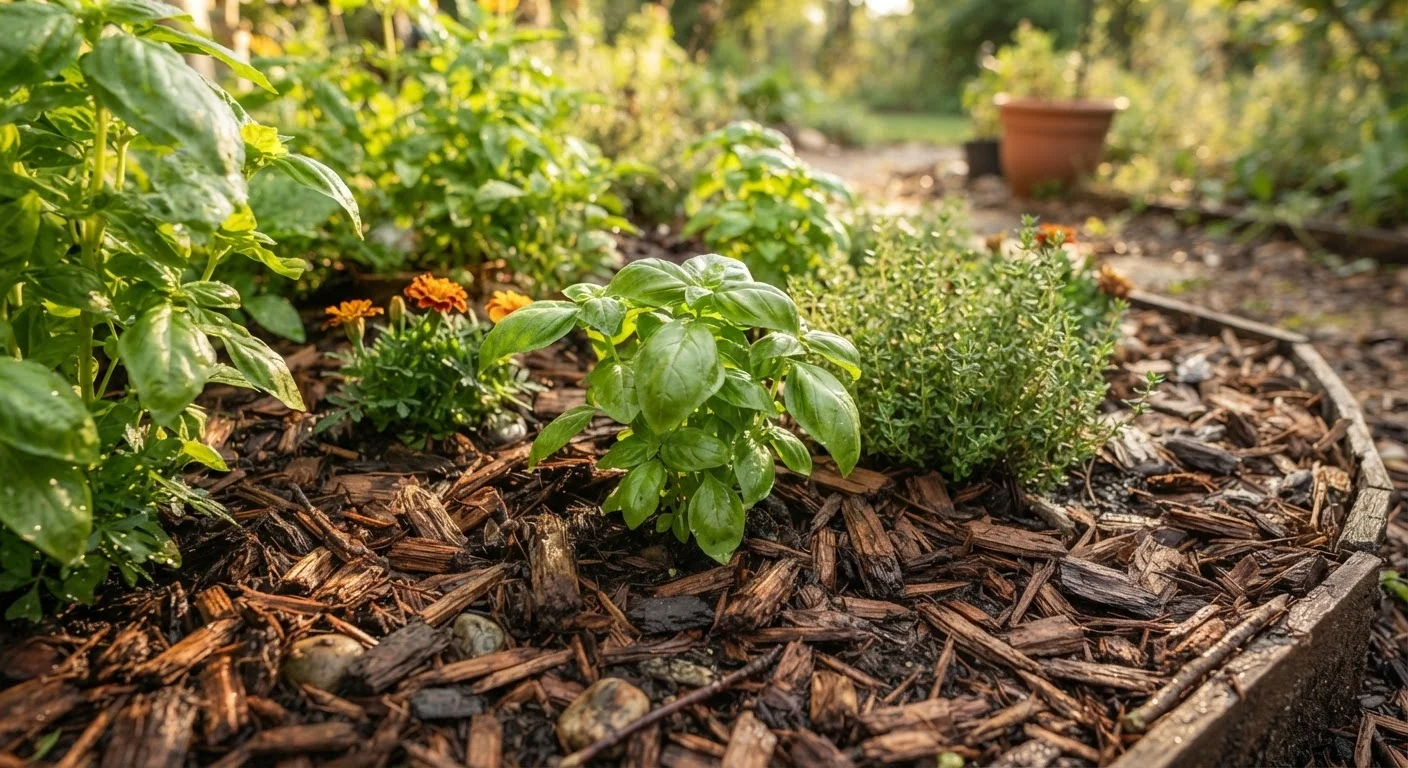
- Top dressing: Spread a half-inch layer around established plants to feed soil life and conserve moisture - similar in effect to mulch. For a closer look at how these two practices compare, see our guide on mulching garden beds.
- Potting mix ingredient: Blend up to one-third compost into container mix for improved fertility.
If you have raised beds, compost is especially valuable as an annual refresh that replaces nutrients removed by growing crops. Our guide to raised bed gardening covers how much to incorporate and when to apply it for best results.