Why Soil Is the Foundation of Every Garden Decision
Before choosing plants, fertilizers, or irrigation systems, it pays to understand what's already happening beneath your feet. Soil is a living, complex system - and its condition determines whether your gardening efforts succeed or struggle regardless of how much time and money you invest above ground.
Three properties define soil health in practical terms: pH (chemical balance), texture (physical structure), and nutrients (mineral content). Each one influences the others, and all three affect what you can realistically grow. Understanding them doesn't require a science degree - just a willingness to look before you plant.
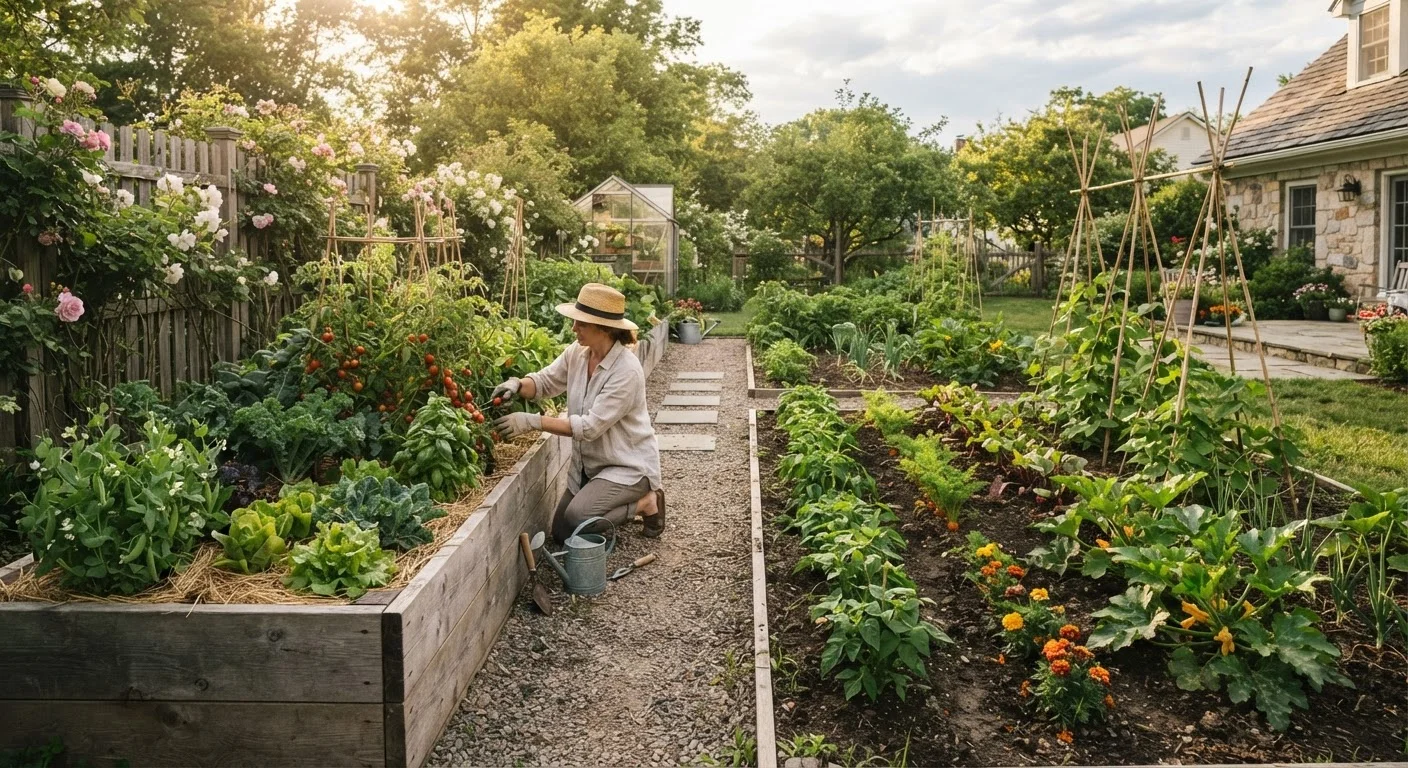
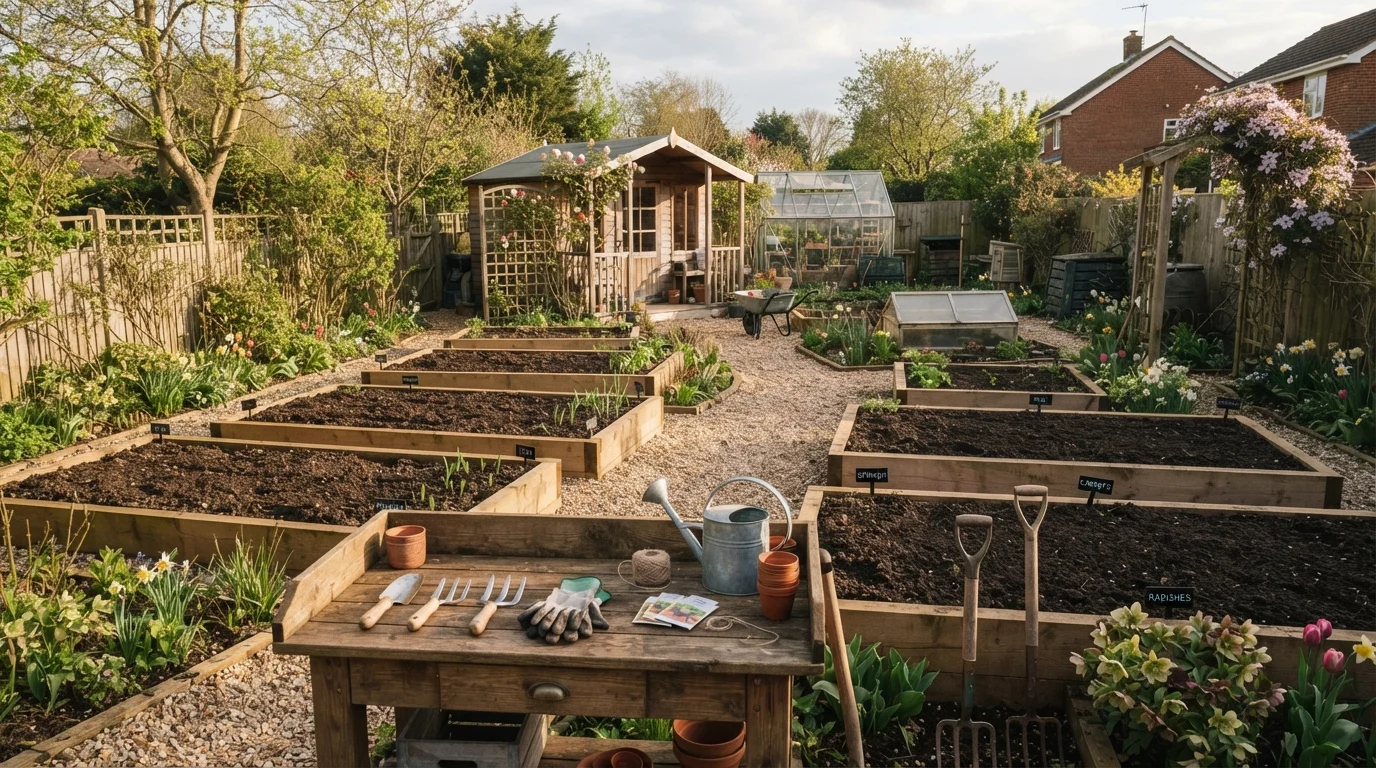
Whether you're planning an in-ground vegetable patch or evaluating whether a raised bed setup suits your goals, knowing your soil gives you a meaningful head start.
Soil pH: The Master Switch for Nutrient Availability
pH measures how acidic or alkaline your soil is on a scale from 0 to 14, with 7 being neutral. Most garden plants prefer a range of 6.0 to 7.0. Here's why that matters: even if your soil contains plenty of nutrients, plants can't absorb them when pH is outside their preferred range. Nutrients essentially become chemically locked.
Acidic soil (below 6.0) can make manganese and aluminum available in toxic concentrations while locking out calcium and magnesium. Alkaline soil (above 7.5) often causes iron and zinc deficiencies, showing up as yellowing between leaf veins - a condition called chlorosis.
pH Correction Takes Time
Soil pH doesn't change overnight. After applying lime or sulfur, expect gradual shifts over one or more growing seasons. Retest six to twelve months after any amendment to track progress and avoid overcorrection. Patience is part of the process.
Common causes of low pH include heavy rainfall (which leaches calcium), decomposing pine needles, and the natural breakdown of organic matter. Alkaline soil is more common in arid regions and areas with limestone-rich subsoil.
To raise pH: apply ground limestone. To lower it: incorporate elemental sulfur or acidic organic matter like peat. Work with a soil test result before making adjustments - over-correcting is a real risk.
Soil Texture: How Structure Shapes Water and Roots
Texture refers to the proportions of three particle sizes in your soil: sand (largest), silt (medium), and clay (smallest). These particles don't change - you can't turn clay into sand - but you can amend soil to improve how it behaves.
- Sandy soil drains quickly and warms early in spring, but doesn't hold water or nutrients well. Plants in sandy soil often need more frequent watering and feeding.
- Clay soil holds water and nutrients effectively but drains poorly, compacts easily, and can suffocate roots. It's also slow to warm in spring.
- Loam - a balanced mix of sand, silt, and clay - is considered ideal for most gardens. It drains well but retains enough moisture and nutrients to support vigorous growth.
The most practical fix for both extremes is adding organic matter. Compost improves drainage in clay and water retention in sand, moving both toward a more workable middle ground. This is a gradual process - plan to amend over multiple seasons for lasting change.
6.0-7.0
Optimal pH range for most vegetables
This is the range recognized by U.S. Cooperative Extension services as supporting the widest nutrient availability for common garden crops.
~50%
Ideal pore space in healthy garden soil
Soil scientists generally describe healthy loam as roughly half solid particles and half pore space - split between air and water - which supports both drainage and root respiration.
2-3 inches
Compost depth for new garden beds
University Extension recommendations commonly suggest incorporating 2-3 inches of compost into the top 8-10 inches of soil when establishing new planting areas.
Nutrients: What N-P-K and Micronutrients Actually Do
Plants need 17 essential nutrients, but three dominate most gardening conversations: nitrogen (N), phosphorus (P), and potassium (K) - collectively written as N-P-K on any fertilizer label.
- Nitrogen (N)
- Drives leafy, green growth and overall vigor. Deficiency shows as pale or yellowing leaves starting from the oldest growth.
- Phosphorus (P)
- Essential for root development, flowering, and fruiting. Low phosphorus can show as purple-tinted leaves and poor bloom set.
- Potassium (K)
- Supports disease resistance, water regulation, and strong stems. Deficiency often appears as brown, scorched leaf edges.
Beyond N-P-K, plants rely on secondary nutrients (calcium, magnesium, sulfur) and micronutrients (iron, manganese, zinc, boron, and others) in smaller quantities. These are rarely deficient in well-managed soil, but pH imbalances can trigger shortages even when the minerals are physically present.
Before adding any fertilizer, a soil test tells you what's actually missing. Guessing can lead to over-application, which wastes money and can harm plants or local waterways through runoff. When you're ready to act on your results, our spring garden preparation checklist walks through pre-planting soil tasks in practical order.
Putting It Together: Testing and Improving Your Soil
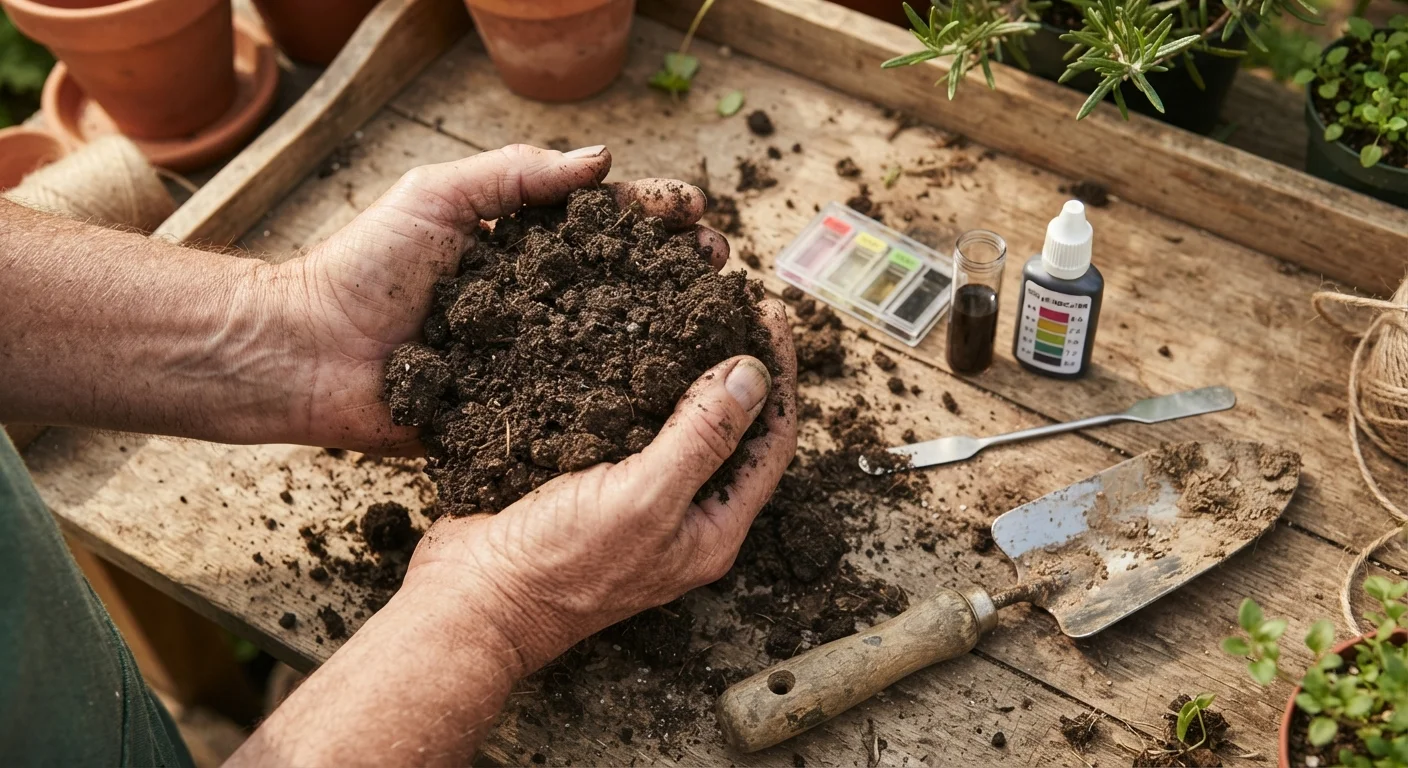
A soil test is the single most useful tool available to home gardeners. Basic kits from garden centers measure pH and primary nutrient levels. State Cooperative Extension lab tests cost a modest fee but return detailed results with specific amendment recommendations tailored to your region and intended crops.
Once you have results, improvements generally fall into two categories:
- pH corrections: Lime or wood ash raises pH; sulfur or acidic compost lowers it. Follow lab-recommended application rates and retest in 6-12 months.
- Organic matter additions: Compost is the most versatile amendment - it improves texture, feeds soil biology, and gradually supports better nutrient cycling. Incorporating 2-3 inches into the top 8-10 inches of soil is a common starting point for new beds.
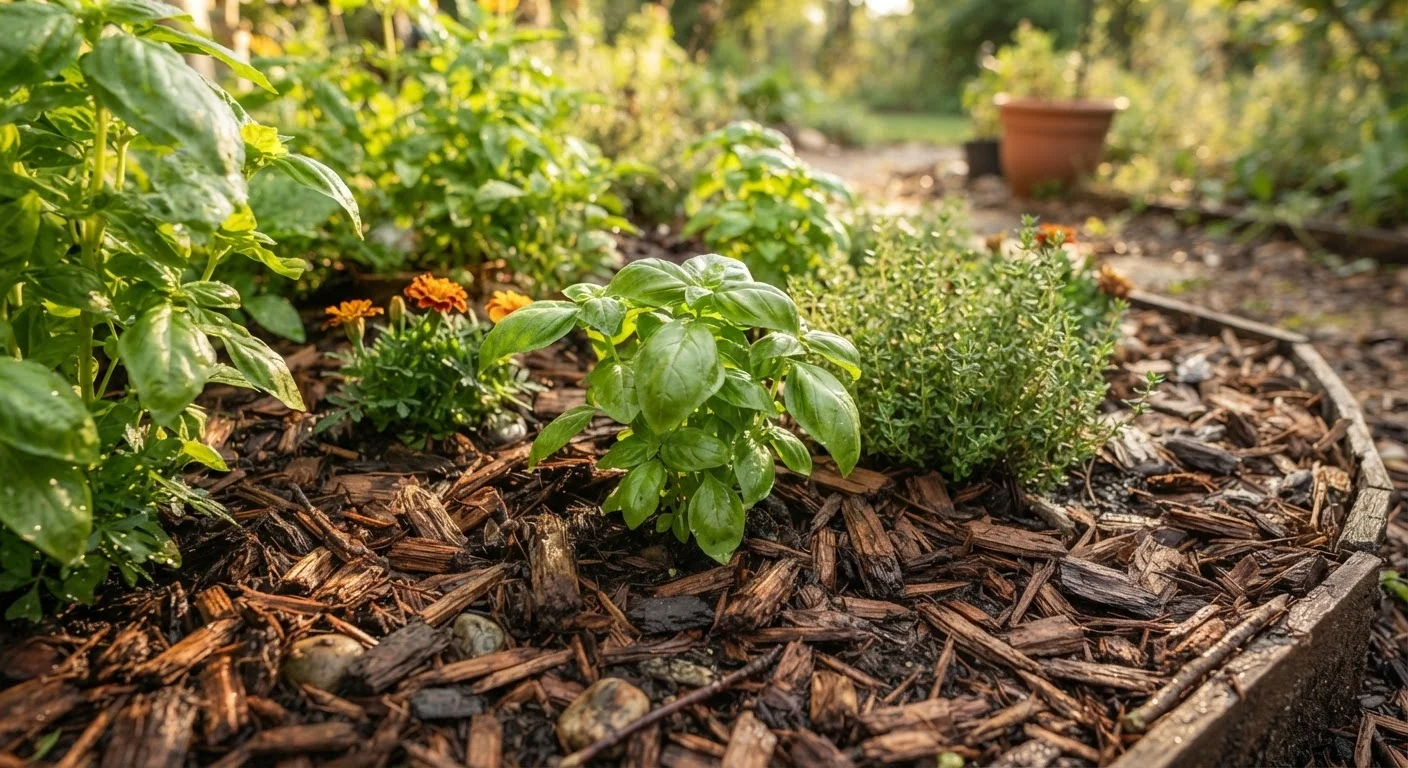
If building new planting areas, a raised bed approach lets you start with a custom soil mix designed for your specific crops - bypassing native soil limitations entirely. And once beds are established, don't overlook mulch: organic mulches break down over time, continuously feeding soil biology. Our article on mulching garden beds effectively covers the details worth knowing.
Good soil doesn't happen overnight, but small, consistent improvements compound quickly. Understanding what's beneath the surface puts every other gardening decision on firmer ground.