Understanding the Two Approaches
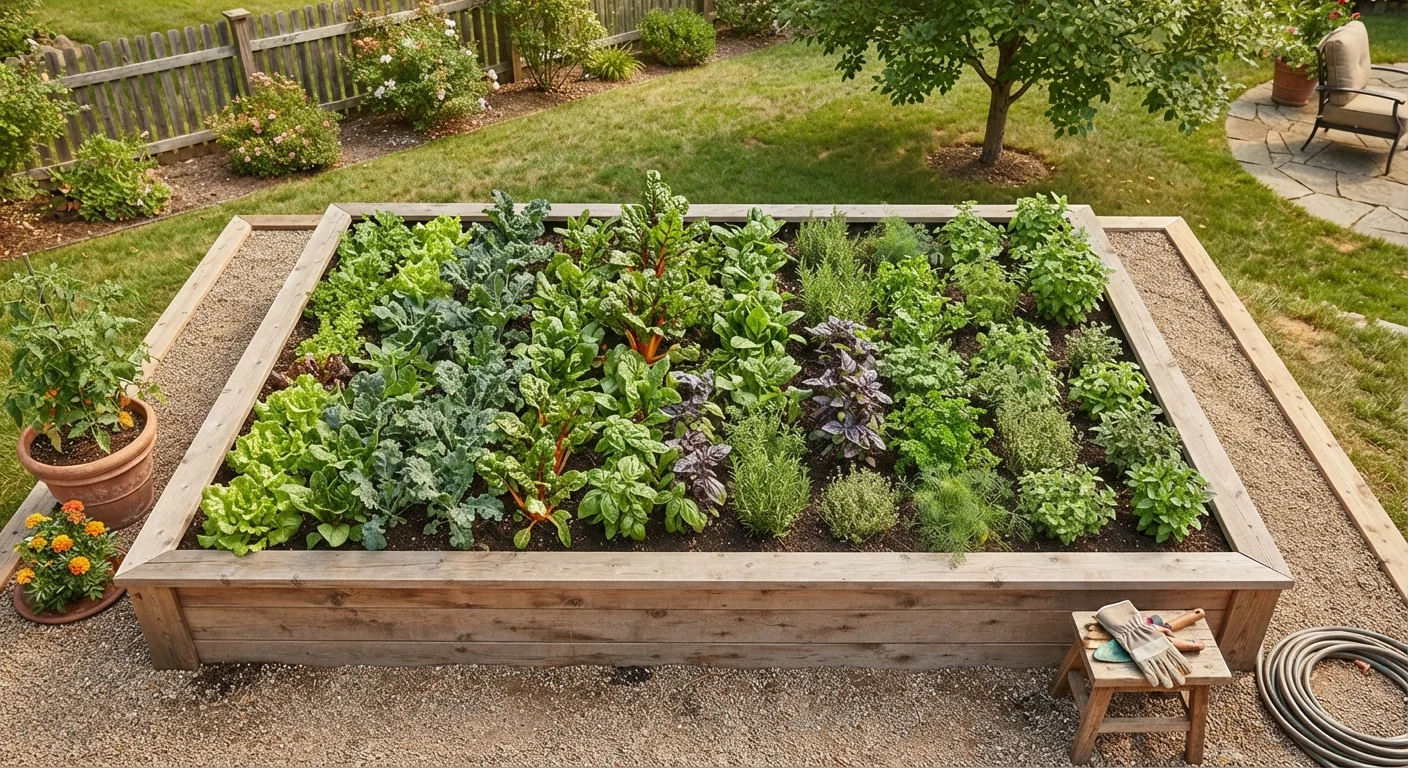
Raised bed gardening involves building a contained frame - typically from wood, metal, or composite material - filled with a custom soil mix, elevated above the ground surface. In-ground planting works directly with the native soil in your yard, amended over time to improve fertility and structure.
Both have legitimate track records across vegetable gardens, flower beds, and herb patches. The choice isn't about which method is objectively better - it's about which fits your property conditions, physical needs, and budget. Before committing, it helps to understand how each performs across the dimensions that matter most to home gardeners.
Raised Beds: Pros and Cons
Raised beds offer a level of control that in-ground plots simply can't match from the start. Because you fill them with a blended growing medium, you skip the often-lengthy process of rehabilitating poor native soil.
Immediate control over soil quality
You fill raised beds with a custom mix of topsoil, compost, and other amendments, bypassing whatever native soil you have. This is especially valuable on lots with heavy clay, contaminated soil, or compacted ground.
Superior drainage in wet climates
Elevated soil drains more freely than ground-level plots, reducing the risk of waterlogged roots and related fungal diseases.
Reduced weed pressure
A physical frame and fresh growing medium introduce far fewer weed seeds than native soil does, and any weeds that do appear are easier to remove from loose, loamy bed mix.
Extended growing season
Raised bed soil warms faster in spring than surrounding ground soil, allowing earlier planting - a meaningful advantage in short-season climates.
Easier on joints and back
Taller beds bring the work surface higher, reducing how much stooping or kneeling is needed - an important consideration for older gardeners or those with mobility limitations.
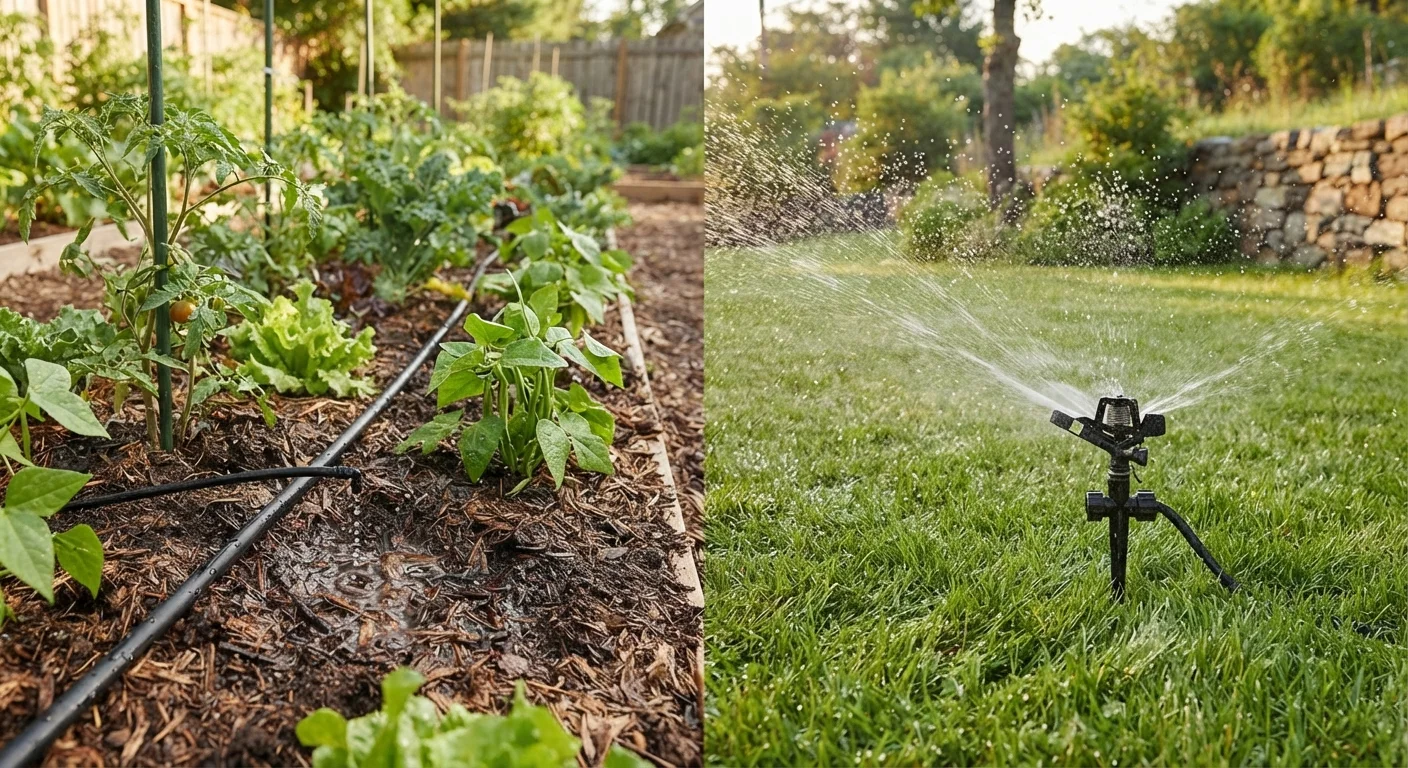
The trade-off is cost. Materials for even a modest 4×8-foot bed - frame, soil, compost, and hardware - can add up quickly. Scaling to multiple beds multiplies that investment. Raised beds also dry out faster than in-ground plots, which can mean more frequent watering, especially in hot or windy climates. See our guide to drip irrigation vs. sprinkler systems to find a watering approach that keeps raised beds efficient.
Higher upfront material and setup cost
Frame materials, quality growing mix, and hardware represent a real investment. Multiple beds multiply costs proportionally, which can limit scale for budget-conscious gardeners.
Dries out faster, requiring more watering
Elevated, well-draining soil loses moisture more quickly than in-ground beds, particularly during hot spells or in windy locations.
Limited depth for deep-rooted crops
Standard 10-12 inch deep beds may restrict vegetables like parsnips, sweet potatoes, or large squash varieties that need greater rooting depth.
Frames eventually degrade and need replacement
Wood frames, even rot-resistant cedar, will deteriorate over time. Metal and composite options last longer but carry a higher initial cost.
For a deeper look at planning and building a raised bed from scratch, the raised bed gardening guide walks through layout, soil mixing, and first-season planting.
In-Ground Planting: Pros and Cons
In-ground gardening is the traditional approach, and it still makes sense for many homeowners - particularly those with naturally fertile, well-draining soil and enough space to grow crops that spread wide or root deeply.
6-8 weeks
Typical soil rehabilitation timeline per season
University cooperative extension programs commonly note that meaningful improvement in compacted or clay-heavy native soil requires consistent amendment across multiple growing seasons.
3-4 ft
Ideal maximum raised bed width for easy reach
Garden design guidelines generally recommend this width so all areas of the bed can be reached from either side without stepping on the soil.
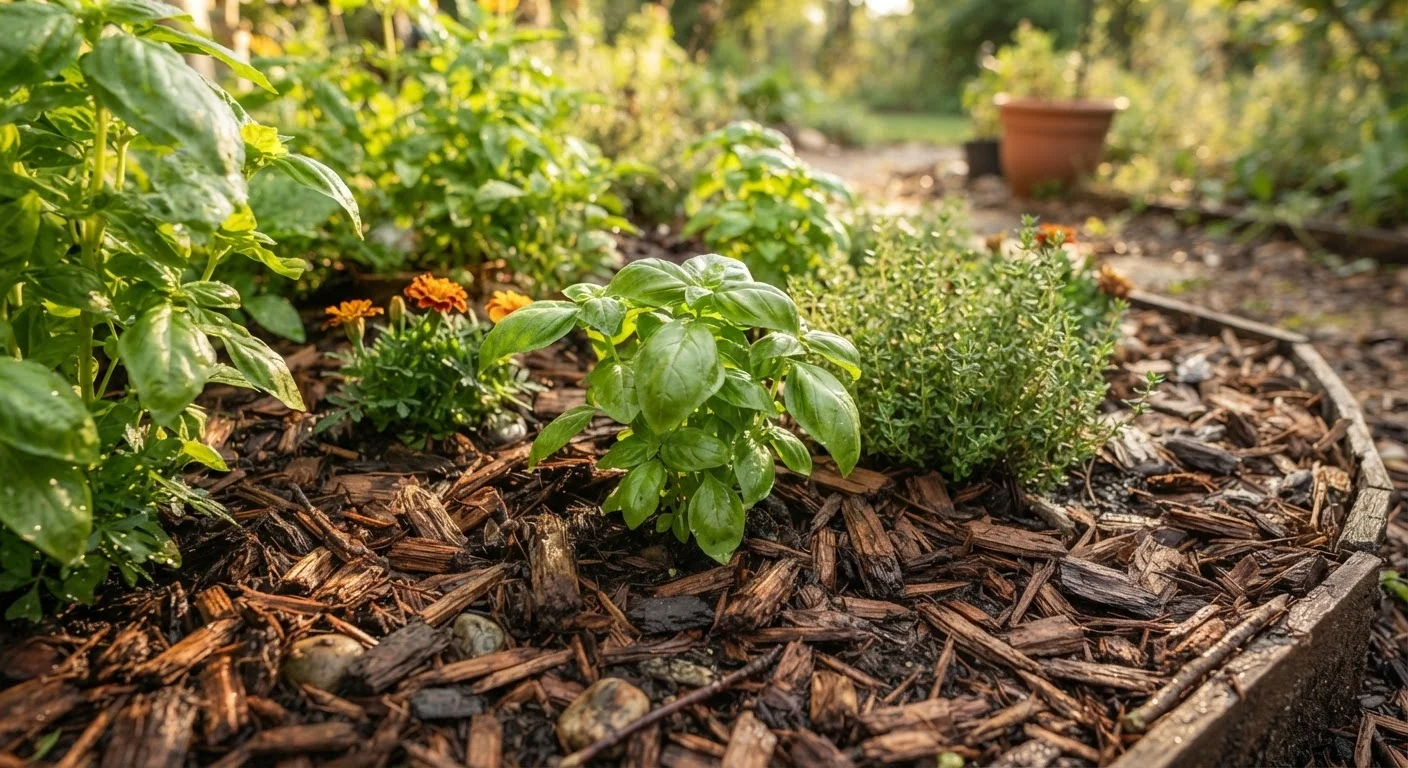
The biggest limitation is starting conditions. Clay soil drains poorly; sandy soil retains little moisture or nutrients; compacted suburban lots can feel nearly impenetrable in summer. Improving native soil takes consistent effort over multiple seasons - adding compost, adjusting pH, and breaking up compaction. That said, once established, in-ground beds can be remarkably self-sustaining. Applying mulch correctly accelerates this process significantly. Our guide to mulching garden beds covers depth, timing, and material choices that genuinely improve soil over time.
Weed pressure tends to be higher in-ground, since soil disturbance brings dormant seeds to the surface. Without a physical barrier, persistent weeds from neighboring areas can also encroach more easily than they would into a raised frame.
Key Factors to Help You Decide
Rather than picking a method arbitrarily, consider these practical variables:
- Soil quality: If a soil test reveals heavy clay, poor drainage, or significant contamination, raised beds let you sidestep the problem. If your soil is already loamy and fertile, in-ground planting may need only minor amendment.
- Budget: In-ground gardening typically requires only basic tools and soil amendments. Raised beds carry material costs that vary with size, quantity, and frame material.
- Physical accessibility: Raised beds reduce how much bending and kneeling is required, which is a meaningful advantage for gardeners with back or joint concerns.
- Crop selection: Deep-rooted vegetables like parsnips, winter squash, or sprawling melons often do better with the unrestricted depth and width of in-ground plots.
- Scale: For large vegetable production, in-ground rows are typically more economical to establish and maintain.
You Don't Have to Choose Just One
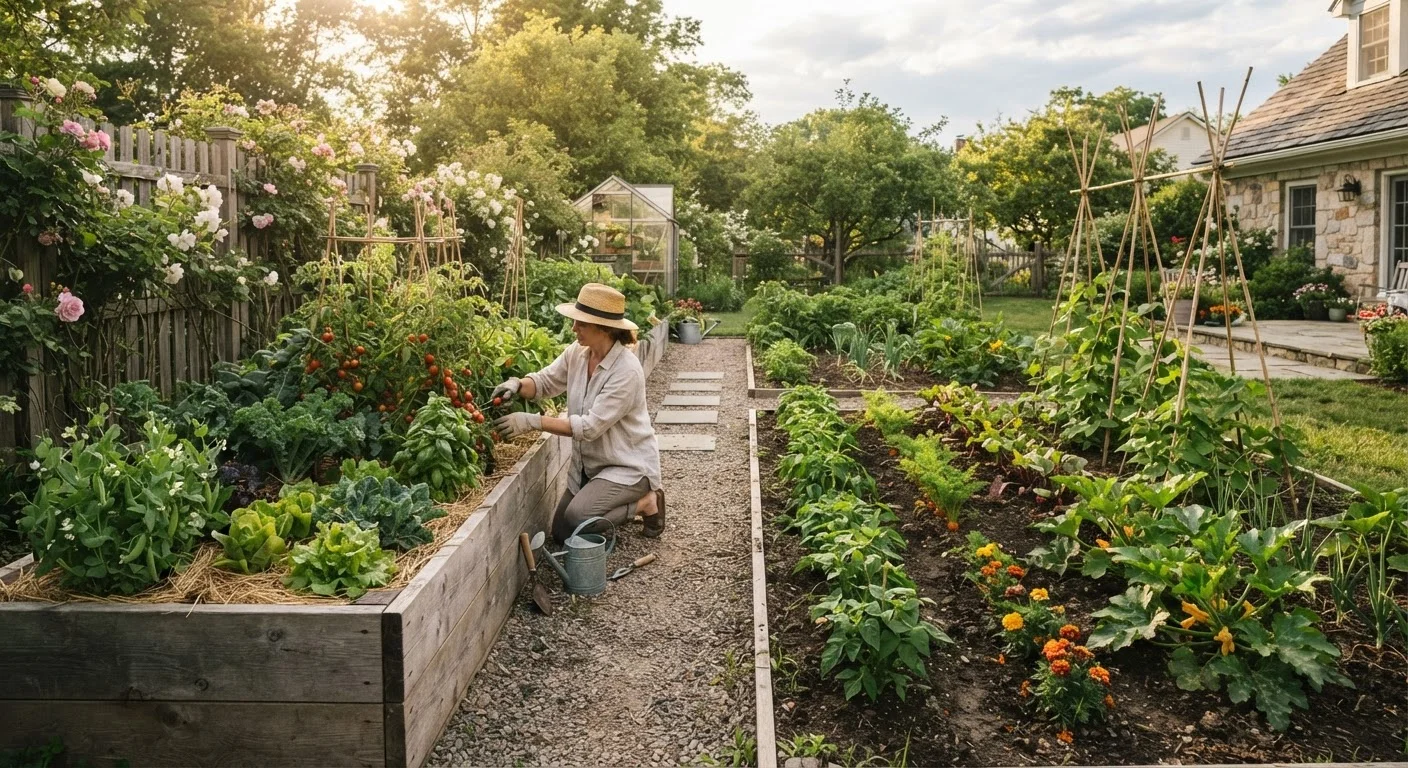
Many homeowners combine both methods strategically - using raised beds for vegetables and herbs where soil control matters most, and in-ground planting for larger crops, shrubs, or ornamentals where depth and scale are priorities. Starting with one or two raised beds alongside an existing in-ground plot lets you compare results directly in your own conditions before committing further.
Whichever method you start with, preparing thoroughly before planting season pays dividends. The spring garden preparation checklist covers soil testing, bed clearing, and tool readiness to set either setup up for success.