How Car Batteries Age - and Why It Happens Faster Than You'd Expect
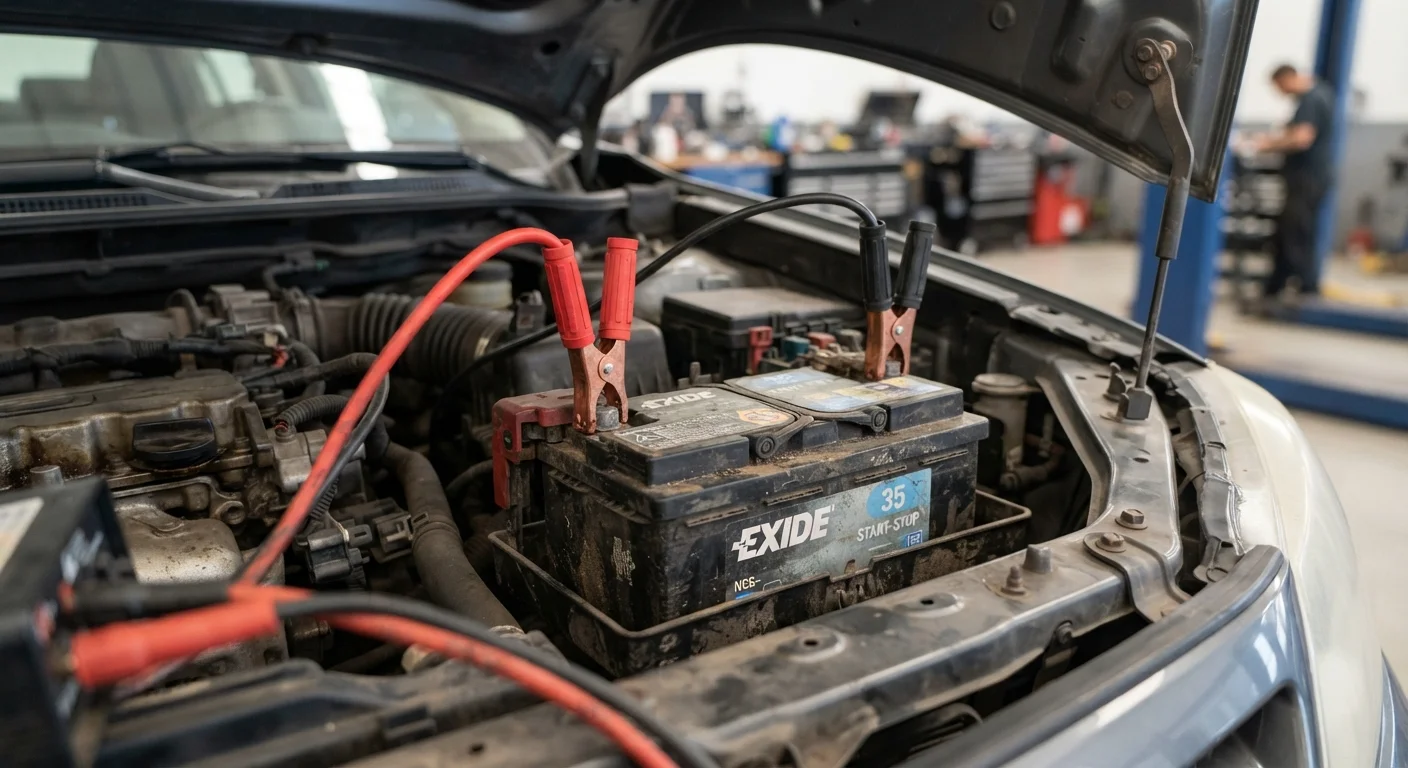
A car battery doesn't wear out the way a brake pad does - there's no obvious physical marker of how much life is left. Instead, it slowly loses the ability to hold and deliver a charge, a process called sulfation, where lead sulfate crystals build up on the internal plates during repeated charge and discharge cycles. Eventually the battery can no longer produce enough power to start the engine reliably.
The average lead-acid battery used in most passenger vehicles lasts somewhere between three and five years, though real-world conditions push that range in both directions. Extreme heat accelerates internal chemical breakdown; extreme cold thickens engine oil and increases the power demand at startup, stressing a weakened battery much harder. Drivers in climates with harsh summers or winters should treat three years as a checkpoint, not a deadline. For context on how seasonal conditions affect your whole vehicle, see our guide on preparing your car for changing conditions.
Driving patterns matter just as much as climate. A battery relies on the alternator - a generator driven by the engine - to recharge after each start. Short trips of five minutes or less don't give the alternator enough run time to restore what the startup consumed. Over weeks and months, this creates a cumulative deficit that leaves the battery chronically undercharged and aging faster than normal.
Warning Signs You Shouldn't Dismiss
Batteries rarely fail in a single dramatic moment without giving earlier signals. Knowing what to watch for turns a potential roadside emergency into a planned workshop visit.
Pay attention to how the engine sounds during startup
A healthy battery delivers a strong, immediate crank. A labored, slow, or multi-attempt start - especially on a mild morning - is one of the most reliable early indicators that battery capacity has declined significantly. Catching this pattern early gives you time to test and replace on your schedule rather than a breakdown's.
Note whether electrical accessories behave differently at idle
Headlights, dashboard displays, and climate fan speed that dim or fluctuate at idle - then recover when you rev the engine - point to a battery that can no longer maintain voltage without the alternator's active support. This is a sign the battery is struggling to buffer the electrical load.
Take battery warning lights and check-engine codes seriously
Modern vehicles monitor charging voltage continuously. A battery or charging system warning light means the system has detected voltage outside normal parameters - it's not a light to defer until the next oil change. Some check-engine codes also relate to voltage issues and can be misread as unrelated faults.
Track the battery's age if you know it
Many batteries carry a manufacture date stamped on a sticker - typically a letter for the month and a number for the year. Once a battery reaches the three-year mark, proactive annual testing makes sense regardless of apparent symptoms. Planning replacement before failure is almost always cheaper than emergency roadside assistance.
If you're a newer driver building your maintenance awareness, this introduction to essential car checks is a useful companion read alongside the specifics here.
Practical Steps to Extend Battery Life
Some battery wear is simply unavoidable - it's an electrochemical component with a finite lifespan. But several common habits accelerate decline unnecessarily, and avoiding them costs nothing.
One area worth noting: parasitic drain. This refers to electrical loads that continue drawing power after the ignition is off - a faulty door switch, an aftermarket accessory, or even a malfunctioning module can slowly flatten a battery overnight. If you notice a fully charged battery going flat when the car sits for a few days, parasitic drain is a likely culprit and warrants a visit to a qualified mechanic who can trace the fault with a multimeter.
A $10 Multimeter Tells You a Lot
You don't need specialist equipment for a basic check. With the engine off and rested for at least an hour, a multimeter across the battery terminals should read between 12.4 and 12.6 volts for a healthy, fully charged battery. A reading below 12.2 volts at rest suggests the battery is partially discharged or losing capacity. This won't catch every failing battery, but it's a useful first step before booking a full load test.
Testing and Knowing When to Replace
Visual inspection has real limits - a battery can look perfectly clean and still be unable to hold a proper charge. The most reliable assessment tool is a load test, which measures how much voltage the battery delivers under simulated starting conditions. Many auto parts retailers offer this service without charge using handheld testers.
3-5 years
Typical lead-acid battery lifespan
Industry guidance from battery manufacturers and automotive associations consistently places average service life in this range under normal conditions.
~12.6V
Resting voltage of a fully charged battery
A healthy 12-volt lead-acid battery at full charge and at rest typically measures between 12.5 and 12.7 volts; below 12.2V indicates a significant charge deficit.
50%
Capacity loss possible in cold weather
At 0°F, a lead-acid battery can deliver roughly half the cold-cranking amps it provides at 80°F, according to battery engineering data - while engine oil simultaneously demands more power to turn over.
A battery that passes a surface-charge voltage check (around 12.6 volts when fully charged and at rest) but fails a load test is a battery that needs replacing. When you do replace it, take the old unit to a recycling point - lead-acid batteries contain hazardous materials and are accepted at most auto parts stores under state recycling programs.
Battery replacement itself is a task many careful owners handle themselves, though it does involve working near the electrical system. If you're weighing which jobs to take on and which to leave to a professional, our overview of DIY maintenance versus mechanic jobs lays out a clear framework. Also worth noting: battery issues don't exist in isolation - a failing alternator can kill a new battery quickly, and corroded connections mimic battery failure. If a new battery doesn't resolve slow cranking, the charging system deserves a look.
This article provides general vehicle maintenance information for educational purposes. For diagnosis of specific faults or electrical system work, consult a qualified mechanic.