The Structure of a Routine Wellness Exam
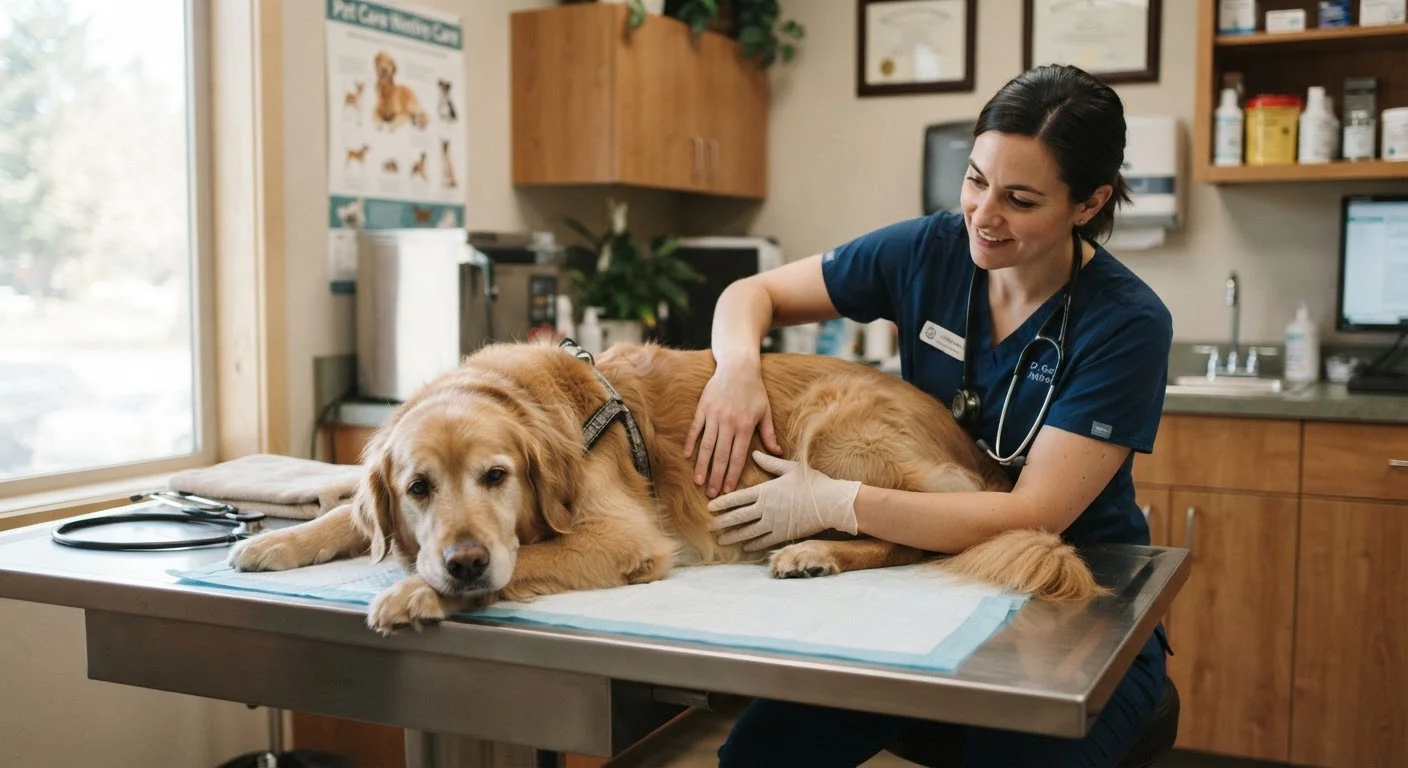
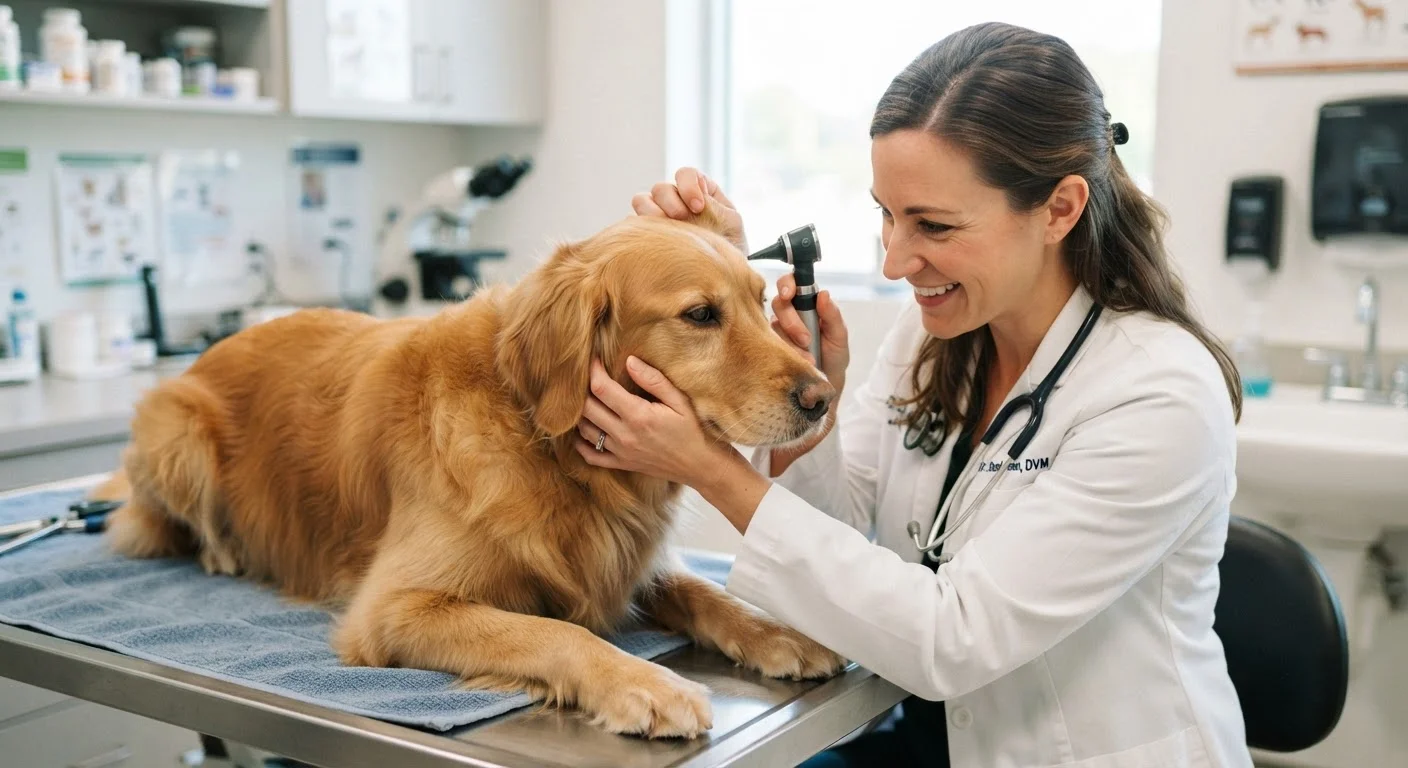
Many pet owners arrive at an annual visit expecting a quick once-over and a vaccine or two. In reality, a thorough wellness exam is a systematic head-to-tail assessment that gives your veterinarian a detailed picture of your pet's health at that moment in time.
Most exams follow a consistent sequence:
- Weight and body condition score: Your pet is weighed and assessed for whether they're at a healthy size for their frame. Obesity in pets is a genuine medical concern - excess weight stresses joints, strains the heart, and shortens lifespan. See our article on why pet obesity is a medical issue for more context.
- Heart and lungs: The vet listens with a stethoscope for irregular rhythms, murmurs, or abnormal breath sounds.
- Eyes, ears, and nose: These are checked for discharge, redness, cloudiness, wax buildup, or signs of infection.
- Teeth and gums: Dental disease is one of the most common - and commonly overlooked - health problems in domestic pets. The vet checks for tartar buildup, gum inflammation, and tooth damage.
- Skin and coat: Condition, texture, lumps, parasites, and areas of hair loss are all noted.
- Abdomen and lymph nodes: Gentle palpation helps the vet assess organ size and detect unusual masses or fluid.
- Joints and movement: Especially important for older pets, the vet checks for stiffness, pain, or reduced range of motion.
Beyond the physical, your vet will ask about your pet's diet, activity level, bathroom habits, and any behavioral changes. These conversations matter - they often surface early warning signs before a physical symptom appears.
Why Routine Visits Matter Even When Nothing Seems Wrong
Pets are biologically wired to mask signs of illness. In the wild, showing weakness attracts predators, so animals instinctively conceal pain or discomfort until it becomes severe. This means that by the time a pet owner notices something is off, a condition may already be well progressed.
Annual exams create a documented health baseline for your specific animal. A vet who sees your dog or cat every year builds a reference point - what their normal weight is, what their heartbeat sounds like, how their coat typically looks. Small shifts that a casual observer might miss become meaningful when compared against that baseline.
“The annual wellness visit is one of the most important tools we have in preventive medicine. We're not just checking that everything looks fine today - we're tracking change over time, and that's where early disease detection actually happens.”
— Dr. Karen Becker, Integrative wellness veterinarian and author on proactive pet care
Conditions such as chronic kidney disease, hypothyroidism, early-stage cancer, and dental infections often develop silently. Routine bloodwork - which may be recommended starting around middle age - can detect kidney and liver changes, blood sugar irregularities, and thyroid imbalances before symptoms emerge.
If you're just getting started with pet ownership, our guide on building a health routine from day one covers how to establish a solid foundation from the beginning.
How Frequency Changes With Life Stage
The once-a-year standard applies primarily to healthy adult pets in a stable condition. Frequency should be adjusted based on your pet's age and health status:
- Puppies and kittens: Multiple visits are needed during the first year - typically every three to four weeks until about sixteen weeks of age - for vaccines, deworming, and developmental checks.
- Healthy adults: Annual exams are generally appropriate for most dogs and cats between approximately one and seven years old, though your vet may advise otherwise based on breed or individual factors.
- Senior pets: Animals in their later years benefit from biannual visits. Age-related changes - in organ function, joint health, and cognition - can develop quickly. Our article on how health needs shift with age goes deeper on what to expect.
Schedule Before Symptoms Appear
Don't wait until your pet is visibly unwell to book a vet appointment. Scheduling annual visits proactively - rather than reactively - gives your vet the opportunity to detect subtle changes before they escalate. Many clinics offer reminders when your pet is due; opt in if yours does.
Vaccinations are typically reviewed and updated at wellness visits. For a clear breakdown of which vaccines are considered core and how booster schedules work, see our companion piece on core shots and booster timing.
Getting the Most From Every Appointment
A wellness exam is a two-way conversation. Vets rely heavily on what you observe at home, since pets can behave differently in a clinical setting. Coming prepared helps both of you.
A few practical steps before each visit:
- Write down any changes in appetite, thirst, energy, or behavior - even small ones.
- Note any new foods, treats, or supplements your pet has started. If you've recently changed their diet, our evaluating pet food can help you communicate relevant details to your vet.
- Bring a list of any medications your pet is taking.
- Prepare specific questions - about weight management, dental care, parasite prevention, or anything else on your mind.
Our detailed pre-visit checklist walks through everything to bring and ask at each appointment.
This article provides general educational information about veterinary wellness visits and is not a substitute for professional veterinary advice. Always consult a licensed veterinarian for guidance specific to your pet's health and circumstances.