
When Does a Pet Become 'Senior'?
There is no universal birthday that marks a pet as senior. Veterinary consensus generally places dogs in the senior category around age seven, but this shifts considerably by size - large and giant breeds age faster and may be considered senior closer to five or six. Cats are typically classified as senior at around ten to twelve years, though some guidelines use seven as an earlier threshold.
What matters more than a specific age is recognising that ageing is a gradual process. A seven-year-old Labrador and a seven-year-old Chihuahua are in very different physiological places. Your veterinarian is the best guide for when to start applying a senior health lens to your individual pet, factoring in breed, weight history, and any existing health conditions.
Ask your vet to establish a written 'baseline profile' for your pet at their first senior wellness exam - a record of normal bloodwork values, weight, and mobility score. This makes it far easier to spot meaningful change at future visits.
Age-related decline is often detected by comparing values over time rather than measuring against a population average. A personal baseline gives your vet a more relevant reference point.
Take a short video of any new behaviour or gait change you notice at home and bring it to the vet appointment. Many symptoms - intermittent limping, nighttime restlessness, disorientation - may not be visible in the clinic setting.
Veterinarians consistently cite owner-captured video as one of the most useful diagnostic aids for conditions that are episodic or subtle in presentation.
Common Health Changes to Expect
Ageing affects virtually every body system. The changes below are common across dogs and cats, though how quickly they progress varies significantly between individuals.
- Joints and mobility: Osteoarthritis (joint inflammation causing stiffness and pain) is among the most frequently diagnosed conditions in senior pets. You may notice reluctance to jump, slower stair climbing, or reduced enthusiasm for walks.
- Kidney and liver function: These organs become less efficient over time. Regular bloodwork can detect early changes before clinical signs appear.
- Dental disease: Accumulated tartar and gum disease worsen with age and can contribute to systemic health problems if untreated.
- Sensory changes: Hearing and vision loss are common in older pets. Many adapt well, but changes in awareness can affect behaviour and confidence.
- Cognitive decline: Canine Cognitive Dysfunction (a condition sometimes compared to dementia in dogs) and similar syndromes in cats can cause disorientation, changes in sleep patterns, and altered social behaviour.
Because animals instinctively mask discomfort, many of these changes go unnoticed until they are well advanced. See our guide to recognising pain in pets for the subtle cues worth watching for.
Don't Dismiss Gradual Changes as 'Just Ageing'
It is tempting to attribute slowing down, reduced appetite, or increased sleeping to normal old age. While some change is expected, these can also be signs of treatable conditions including pain, thyroid imbalance, or organ disease. Any notable shift in your pet's behaviour or physical condition warrants a vet conversation rather than a wait-and-see approach.
Adjusting Nutrition for an Older Pet
Nutritional needs genuinely shift as pets age, though the specifics depend on the individual animal's health status rather than age alone. A few general principles apply broadly.
Calorie needs often decrease as metabolic rate slows and activity levels drop. Continuing to feed the same portions as younger adulthood can contribute to weight gain, which places additional stress on joints and internal organs. Our article on why pet obesity is a medical issue explains the downstream health risks clearly.
Protein quality matters more, not less. There is a common misconception that senior pets need less protein to protect the kidneys. Current veterinary nutritional guidance generally supports maintaining adequate, high-quality protein unless kidney disease has been specifically diagnosed and your vet recommends otherwise.
Joint-supportive nutrients - such as omega-3 fatty acids - are increasingly discussed in the context of managing arthritis, though you should discuss any dietary additions with your vet before making changes.
If you are considering switching to a senior-formulated diet, our practical checklist for evaluating pet food can help you assess options critically. Any transition should be gradual - see our advice on switching foods without stomach upset for a step-by-step approach.
Vet Care: Why Frequency Matters More Now
Most healthy adult pets are seen annually. For senior pets, veterinary guidelines commonly recommend check-ups every six months. The reasoning is straightforward: age-related conditions can develop and progress quickly, and earlier detection consistently improves management outcomes.
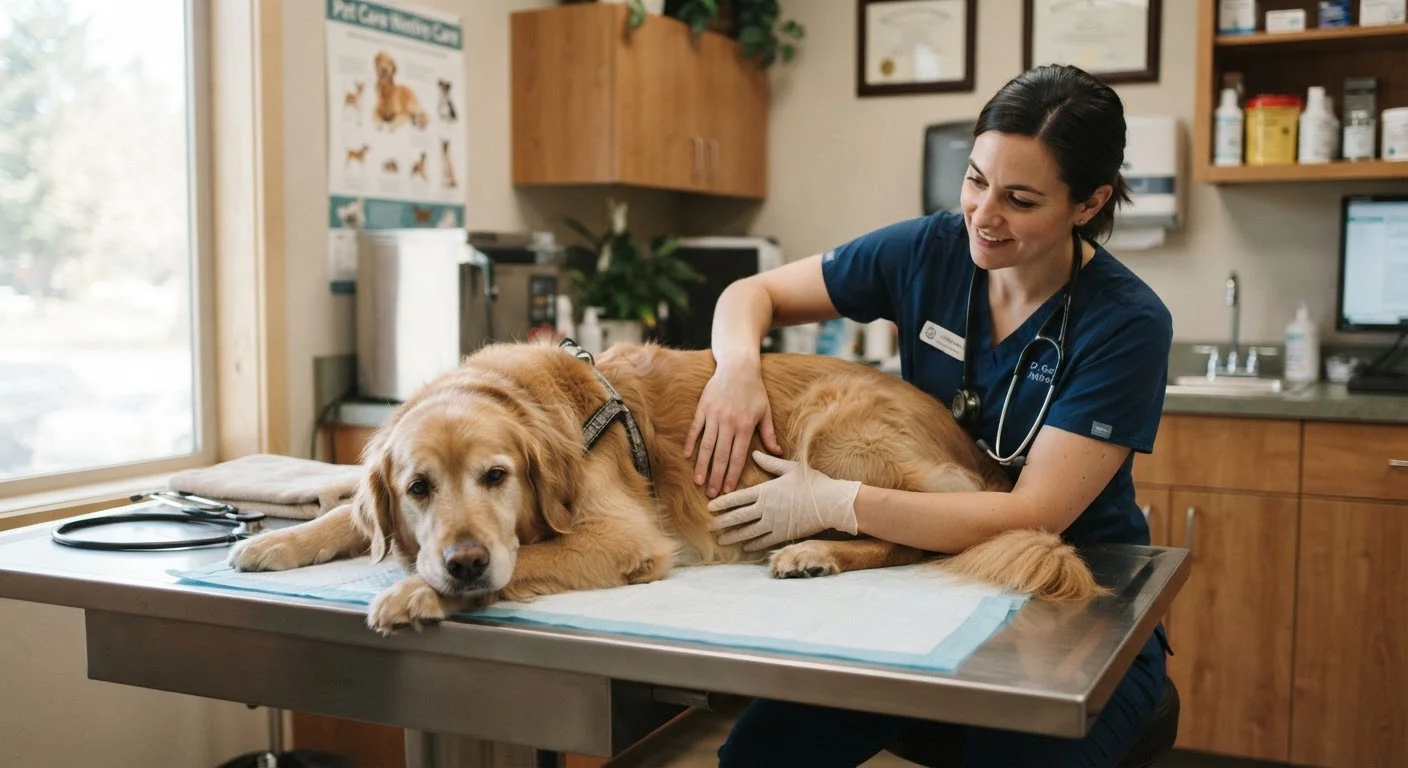
A senior wellness exam typically includes a physical assessment of joints, teeth, eyes, and organ function, plus bloodwork and urinalysis to catch kidney, liver, thyroid, and other metabolic changes before symptoms appear. Our overview of what happens at routine vet visits explains what to expect at each appointment.
Vaccine schedules may also be revisited. Some boosters are adjusted based on lifestyle and risk, and your vet may reassess these at senior wellness visits. For background, see our article on pet vaccine schedules and timing. Arriving prepared for each appointment helps you get more from the visit - the pre-visit checklist for pet owners is a useful reference.
~50%
Dogs over age 10 affected by arthritis
Veterinary estimates suggest roughly half of dogs over ten years old show signs of osteoarthritis, though many cases go undiagnosed due to animals masking pain.
2x/year
Recommended vet visit frequency for senior pets
Major veterinary organisations, including the American Animal Hospital Association, recommend biannual wellness exams for senior and geriatric pets.
1 in 3
Cats develop chronic kidney disease
Studies estimate that approximately one in three cats will develop chronic kidney disease at some point in their lives, with risk increasing sharply in older animals.
Home Monitoring and Quality of Life
Between vet visits, attentive daily observation is one of the most powerful tools available to pet owners. Small, consistent changes are easier to notice when you have a baseline sense of what is normal for your animal.
Keep a brief log of appetite, water intake, elimination habits, activity level, and sleep patterns. Sudden increases in thirst or urination can signal diabetes or kidney changes. A decline in grooming in cats, or new reluctance to engage with household activity, can indicate pain or cognitive decline.
Practical home adjustments often make a meaningful difference in comfort: orthopedic bedding, ramps instead of stairs, non-slip mats on hard floors, and raised food bowls can reduce daily strain on arthritic joints. Stress management matters too - senior pets can be more sensitive to environmental changes. Our article on how stress affects pet health covers the physiological impact and practical mitigation strategies.
This article provides general health information for educational purposes only and is not a substitute for professional veterinary advice. Always consult a licensed veterinarian regarding your pet's specific health needs.
Planning Ahead: Financial and Practical Considerations
Senior pet care typically costs more than care for a younger animal - more frequent vet visits, potential prescription diets, medications, and diagnostic tests all add up. Planning for these costs before they arise helps avoid the situation where financial pressure influences difficult medical decisions.
Two main options exist: pet insurance and a dedicated savings fund. Each has trade-offs depending on your pet's existing health conditions, your financial situation, and your risk tolerance. Our article weighing pet insurance against a savings fund lays out the considerations without steering toward a particular choice.
Beyond finances, consider practical logistics: who will care for your pet if you travel, and do they understand the senior animal's specific needs? Establishing a relationship with a trusted pet sitter or boarding facility that has experience with older animals is worth doing well before the need becomes urgent.
A senior pet is not a pet in decline - it is a pet entering a life stage that calls for closer attention and adapted care. With the right preparation, many animals remain comfortable, engaged, and well-supported well into old age.