
Why Abrupt Food Changes Cause Digestive Upset
A pet's digestive system relies on a stable community of gut bacteria calibrated to the food it currently processes. When the protein source, fat content, or fiber level shifts suddenly, that microbial balance is disrupted before it has time to adapt. The result is often loose stool, gas, vomiting, or a reluctant appetite — none of which means the new food is bad, only that the transition was too fast.
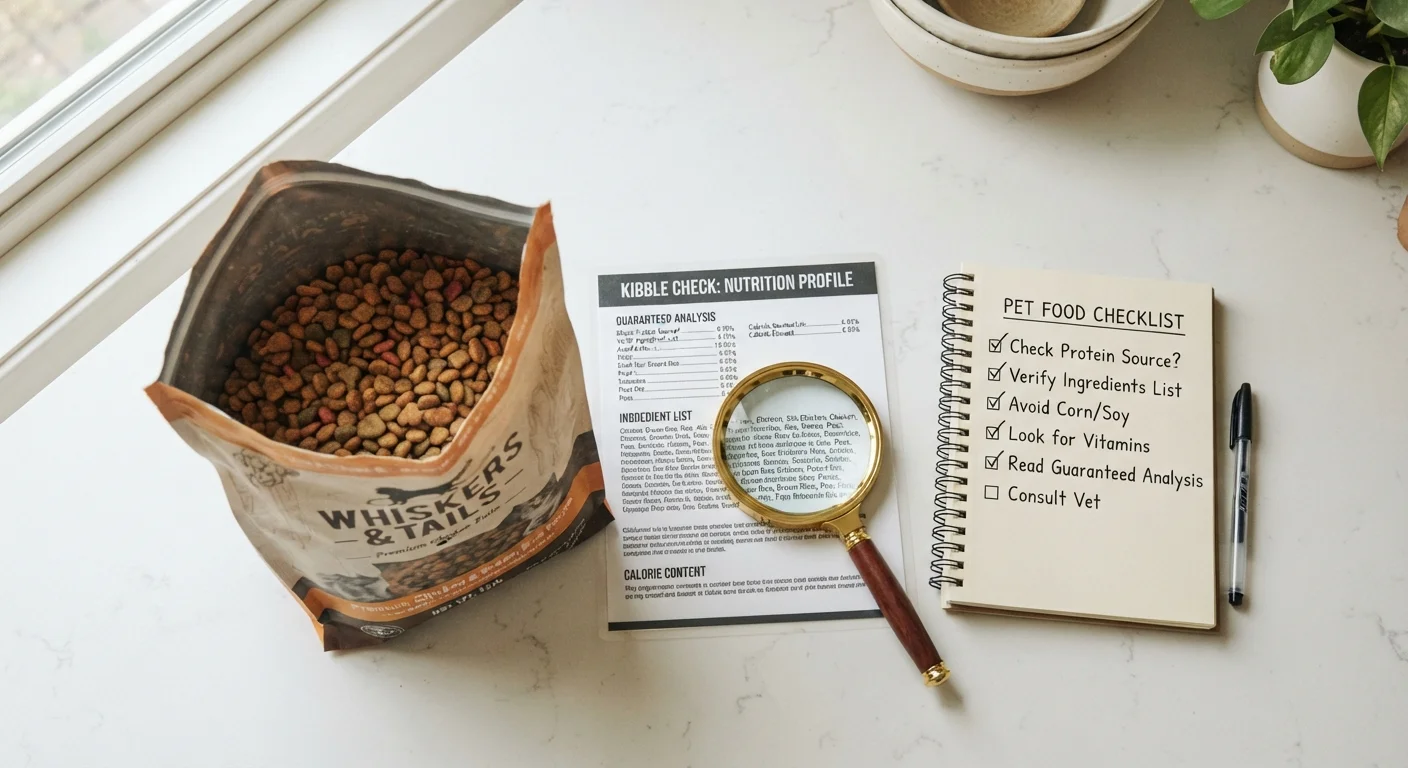
This is equally true for dogs and cats, though cats tend to be more sensitive to abrupt texture or protein changes and may simply refuse to eat altogether — a risk that carries its own health concern. Before choosing a new diet, it helps to understand the basics of what your pet actually needs; our core pet nutrition guide covers macronutrients, life-stage requirements, and label reading. Once you have a candidate food in mind, walk through the practical checklist for evaluating new pet food before committing to a bag.
Extend the Timeline for Sensitive Pets
Pets with a history of food sensitivities, inflammatory bowel conditions, or advanced age often benefit from a 14–21 day transition rather than the standard 7–10 days. Simply keep each ratio stage for four to five days instead of three. There is no harm in going slowly, and considerable potential harm in going too fast.
What You'll Need Before You Start
Gathering a few simple items before you begin makes the transition easier to track and adjust.
What you will need
Kitchen scale
Weighing portions in grams ensures your old-to-new food ratio stays accurate each day.
Transition log (notebook or app)
Recording daily ratios and any digestive symptoms helps you spot patterns and communicate clearly with your vet.
Probiotic supplement (vet-approved)
Some veterinarians recommend a pet-specific probiotic during transitions to support gut microbiome stability.
The Step-by-Step Transition Plan
Follow the schedule below, adjusting the pace if your pet shows any digestive distress. Slower is always safer — there is no benefit to rushing.
Confirm the new food is appropriate before opening the bag
Check that the new food is formulated for your pet's species, life stage (puppy/kitten, adult, senior), and any known health considerations. If your pet has a diagnosed condition — allergies, kidney disease, urinary issues — consult your veterinarian before beginning. Switching to a very different protein type (e.g., chicken to fish) or format (kibble to raw) warrants an extended transition timeline.
Days 1–3: 75% old food, 25% new food
Weigh your pet's total daily portion and mix roughly three-quarters of that weight from the current food with one-quarter of the new food. Serve this blend at all regular mealtimes. Monitor stool consistency and appetite — both should remain close to normal at this low introduction level.
Days 4–6: 50% old food, 50% new food
Move to an equal split. This is the ratio where digestive changes most commonly appear. If stool becomes notably loose, hold at this ratio for an extra two days before advancing rather than moving forward on schedule.
Days 7–9: 25% old food, 75% new food
Reduce the original food to one-quarter of the total portion. By this point most healthy adult pets are adapting well. Cats may still show some reluctance — offering the meal slightly warmed (to just above room temperature) can improve palatability without altering nutrition.
Day 10: 100% new food
Serve the new food exclusively. Continue monitoring stool and appetite for a further five to seven days. Most pets will have fully adjusted by now. If you still see soft stools, give the system one additional week before concluding the new food is the cause — occasional softness can also reflect minor environmental stress.
Never Fast a Cat to Encourage Eating
It can be tempting to withhold food until a reluctant cat accepts the new diet. Do not do this. Cats who stop eating for more than 24–48 hours are at risk of hepatic lipidosis, a serious liver condition that can develop rapidly during food deprivation. If your cat is refusing the new food, slow the transition pace and contact your veterinarian for guidance.
Warning Signs and When to Pause the Transition
Mild changes in stool consistency during the first two days are common and usually self-resolve. However, certain signs indicate you should slow the pace or stop entirely and contact your veterinarian:
- Vomiting more than once in a 24-hour period during the transition
- Watery diarrhea or blood in the stool at any point Complete appetite refusal lasting longer than 48 hours — particularly critical in cats, as prolonged food avoidance can lead to hepatic lipidosis (fatty liver disease)
- Lethargy, bloating, or abdominal pain
If any of these occur, return to the previous ratio that your pet tolerated well, hold there for two to three days, and then try advancing again more slowly. Pets with a history of gastrointestinal conditions, those on prescription diets, or senior pets whose nutritional needs have shifted should always have a vet involved before any diet change begins. For general pet health and care guidance, consult your veterinarian as the primary resource.
This article provides general educational information only and is not a substitute for personalized veterinary advice. Always consult a qualified veterinarian before making significant changes to your pet's diet, especially if your pet has an existing health condition.