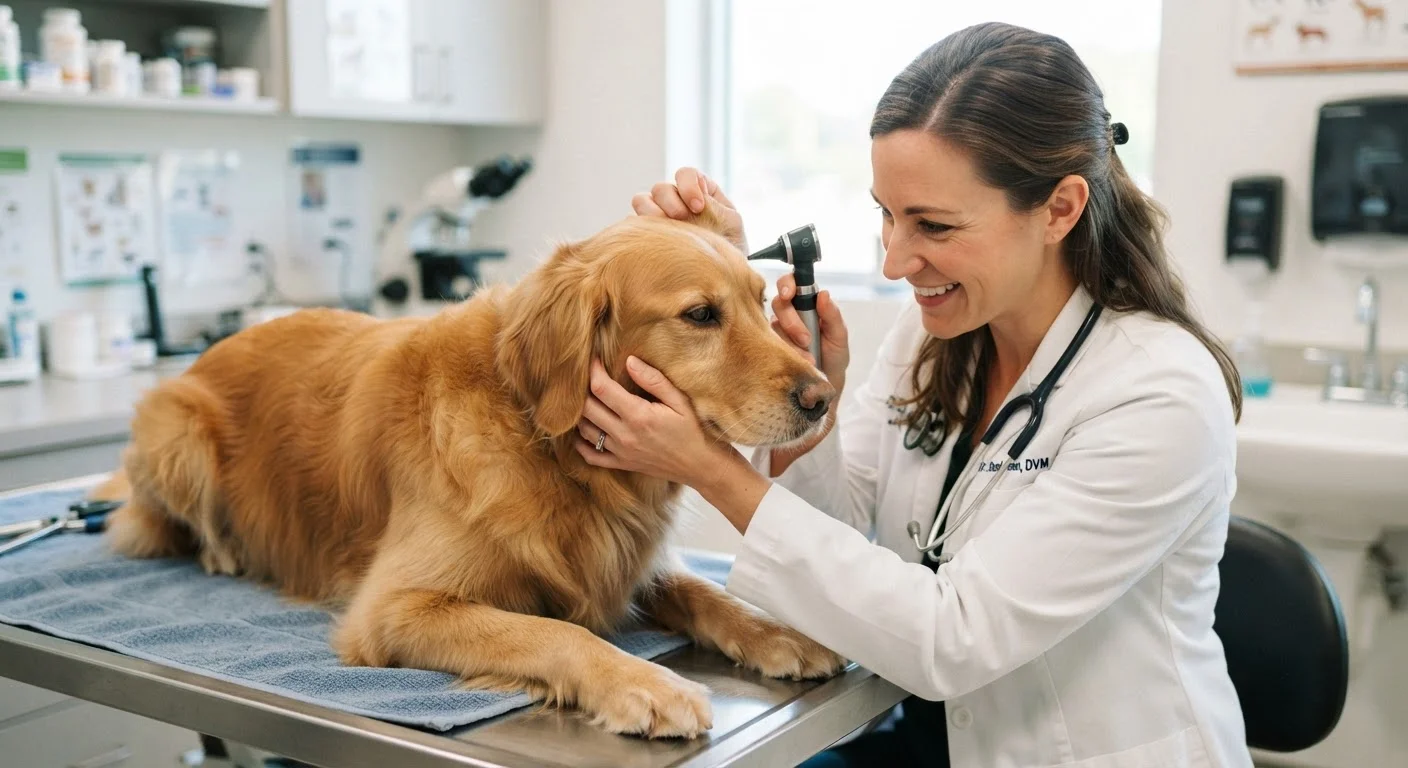

Register With a Veterinarian Before You Need One
One of the most effective things you can do in your pet's first week is register with a local veterinarian — before any health concern forces the decision under pressure. Finding a practice you're comfortable with, getting your pet's first wellness exam on the books, and establishing a medical record from day one creates a foundation everything else builds on.
At that first visit, your vet will assess your pet's overall condition, confirm their current weight (a useful baseline), check for any signs of illness, and review vaccination and parasite prevention history. If your new pet came from a rescue or breeder, bring any paperwork they provided — even incomplete records give the vet useful context.
Being prepared makes these appointments more productive. See our pre-visit checklist for a rundown of what to bring and what questions to ask. To understand what happens during a routine exam, annual wellness visits explained walks through each stage in plain language.
Keep a Simple Pet Health Log
A basic notebook or phone note tracking your pet's weight, vaccine dates, parasite prevention schedule, and any symptoms you've noticed makes every vet visit more productive. Vets can make faster, more accurate assessments when they have a clear timeline of changes rather than relying solely on memory.
Vaccinations: What They Cover and When They're Due
Vaccines protect pets against serious infectious diseases — some of which can be life-threatening or transmissible to humans. Veterinarians categorize vaccines as either core (recommended for all pets) or non-core (recommended based on lifestyle and risk).
For dogs, core vaccines typically cover distemper, parvovirus, adenovirus, and rabies. For cats, core vaccines generally include feline panleukopenia, herpesvirus, calicivirus, and rabies. Non-core options — such as leptospirosis for dogs or feline leukemia virus for cats — depend on where your pet lives and what they're exposed to.
Puppies and kittens begin a series of vaccines at around six to eight weeks of age, with boosters given every two to four weeks until roughly sixteen weeks old. Adult pets then move to a schedule of annual or triennial boosters, depending on the vaccine. Your vet will build a schedule matched to your pet's age, history, and local disease prevalence.
Core vaccine
A vaccine recommended for all pets of a given species, regardless of lifestyle, because the disease it prevents is either widespread, severe, or transmissible to humans.
Non-core vaccine
A vaccine recommended only for pets with specific risk factors, such as frequent exposure to other animals, outdoor access, or life in a region where a particular disease is common.
AAFCO nutritional adequacy statement
A label declaration that a pet food meets the minimum nutritional standards set by the Association of American Feed Control Officials for a specific life stage.
Heartworm
A parasitic worm spread through mosquito bites that lives in the heart and lungs of affected animals, causing serious and potentially fatal damage if left untreated.
Life stage nutrition
The concept that pets' dietary needs change as they grow — puppy and kitten foods, adult formulas, and senior diets are formulated to match those shifting requirements.
Wellness exam
A routine veterinary check-up for a healthy pet, used to establish baseline health data, update vaccines, and catch early signs of disease before symptoms become obvious.
Parasite Prevention: Fleas, Ticks, and Worms
Parasites are among the most common health challenges pet owners face, and prevention is considerably more straightforward than treating an active infestation. The three main categories to address are external parasites (fleas and ticks), intestinal worms (roundworms, hookworms, whipworms, tapeworms), and heartworm — a serious, potentially fatal condition spread by mosquitoes.
Most veterinarians recommend year-round prevention rather than seasonal-only treatment, since parasite risk varies unpredictably with weather and local wildlife. Preventative products come in a range of formats — topical, oral, and collar-based — and your vet will guide you toward what's appropriate for your pet's species, weight, and health status.
Puppies and kittens often receive their first deworming treatment very early in life, as intestinal parasites are commonly passed from mother to offspring. Annual fecal testing allows your vet to catch any parasites not covered by routine prevention. For a deeper look at how parasite lifecycles work and why consistency matters, see flea, tick, and worm prevention.
Nutrition Basics for a Healthy Start
What your pet eats every day has a direct impact on energy, coat condition, immune function, and long-term organ health. The most important starting point is choosing a food appropriate for your pet's life stage — puppy or kitten formulas differ meaningfully from adult and senior options in their protein, fat, and mineral ratios.
Look for products that carry a nutritional adequacy statement from the Association of American Feed Control Officials (AAFCO), which indicates the food meets established minimum nutrient standards for its intended life stage. This label statement doesn't guarantee quality, but it's a reliable baseline filter.
Portion discipline matters from day one. Overfeeding — even with a nutritious food — contributes to obesity, which is associated with joint problems, diabetes, and shortened lifespan in pets. Use the feeding guide as a starting point and refine based on your individual pet's body condition, activity level, and your vet's input. For practical help evaluating food labels and ingredient lists, see evaluating a new pet food and core nutrition concepts for pet owners.
Building Daily and Monthly Health Habits
Veterinary care is essential, but the observations you make at home every day are equally important. Developing a light daily check-in habit — noting appetite, energy, coat condition, and bathroom habits — means you'll notice changes early, when they're usually easiest to address.
A simple monthly home inspection helps too: run your hands over your pet's body to feel for any lumps, tender spots, or changes in muscle mass. Check ears for unusual odor or discharge, inspect teeth and gums for redness or tartar buildup, and examine paw pads for cracks or foreign objects.
- Daily: Fresh water, appropriate meals, brief physical and behavioral observation.
- Weekly: Coat brushing (frequency varies by breed), brief ear and eye check.
- Monthly: Nail trim if needed, full body feel-check, flea/tick product reapplication if on monthly prevention.
- Annually: Wellness exam, fecal test, vaccine boosters as scheduled.
If you have a new puppy, building health habits alongside training and socialization creates a well-rounded routine. your first month with a new puppy and socialising your puppy are practical next reads.
Never Use Human Medications on Pets
Many medications safe for humans — including common pain relievers like ibuprofen and acetaminophen — are toxic to dogs and cats, sometimes at very small doses. If your pet appears unwell or is in pain, contact your veterinarian rather than reaching for your own medicine cabinet.
This article is for general informational purposes only and does not constitute veterinary advice. Always consult a licensed veterinarian for guidance specific to your pet's health needs.