Understanding the Socialisation Window
Between approximately 3 and 14 weeks of age, a puppy's brain is unusually receptive to new experiences. During this period — often called the critical socialisation window — exposure to a wide variety of stimuli helps shape how a dog perceives and responds to the world for the rest of its life. Neurologically, this is when the connections that govern fear, curiosity, and social recognition are being built at the fastest rate.
What happens after 14 weeks? The window doesn't slam shut overnight, but the brain gradually becomes more conservative. Experiences that feel novel are increasingly processed through a mild fear filter rather than open curiosity. This is why dogs who had limited early exposure often show wariness or reactivity as adults — not because they are inherently difficult, but because they missed an irreplaceable developmental phase.
It's worth noting that breeders and shelters play a crucial role here, since much of this window occurs before a puppy comes home. Asking about early enrichment practices when selecting a puppy is entirely reasonable. If you have adopted an older dog with an unknown history, these adjusted approaches for rescue dogs offer a practical starting point for building trust later in life.
Talk to Your Vet Before Socialising Outdoors
Many veterinarians and veterinary behaviour organisations support beginning controlled socialisation before a puppy's vaccine course is complete, because the developmental cost of delayed socialisation can be significant. However, the safest approach is always to discuss timing with your own vet. They can advise on which environments carry acceptable risk given your puppy's current vaccination status.
What to Prioritise — and What to Avoid
Effective socialisation is not about overwhelming a puppy with experiences. It is about ensuring that each new exposure ends on a calm or positive note. The goal is a puppy that approaches novelty with interest rather than retreat.
High-priority exposures
- People of varied appearances: Different ages, sizes, hats, glasses, uniforms, and movement styles (children running, people using mobility aids).
- Friendly, vaccinated dogs: Ideally dogs with known, stable temperaments — puppy classes run by certified instructors are a well-regarded option.
- Everyday sounds: Traffic, appliances, rain, doorbells, and moderate crowd noise played at low volume and gradually increased.
- Surfaces and environments: Grass, gravel, tile, stairs, and gently varied terrain help prevent surface-specific anxiety.
- Handling: Gentle touching of paws, ears, mouth, and body prepares puppies for veterinary and grooming care.
What to avoid
- Forcing a puppy toward something that is clearly frightening it. Flooding (prolonged forced exposure) can worsen fear rather than resolve it.
- Unvaccinated or unknown dogs until your vet confirms it is safe.
- High-traffic dog areas (dog parks, pet store floors) before the primary vaccine course is complete.
- Overly long sessions. Two to three short, calm outings per day are more effective than one marathon outing.
One Bad Experience Can Be Lasting
A single frightening event during the critical window — being rushed by an unfamiliar dog, dropped, or cornered — can produce a fear response that persists into adulthood. This is not inevitable, but it underscores why each session deserves careful setup. If your puppy has had a distressing experience, consult a certified animal behaviourist rather than attempting to work through it without guidance.
Tools and Resources That Help
You don't need specialised equipment, but having the right items on hand makes each session smoother and more consistent.
High-value training treats
Used to create positive associations with new stimuli during each socialisation session.
Standard flat collar or harness and leash
Provides safe control in outdoor environments without restricting the puppy's ability to move naturally.
Treat pouch or small bag
Keeps treats accessible so you can reward calm behaviour immediately without delay.
Socialisation checklist
A written or printed list of experiences to expose your puppy to, helping you track what has been covered and what remains.
Puppy-safe sound recordings
Audio files of common sounds (traffic, thunder, children) used to introduce auditory stimuli gradually indoors before outdoor exposure.
Pairing socialisation with your puppy's routine health care is good practice. A day-one health routine covering vaccinations and vet registration also establishes a handling baseline that feeds directly into socialisation goals.
Step-by-Step: Running a Socialisation Session
Each session should follow a loose structure. Consistency helps your puppy learn that new experiences are predictable and manageable.
Choose a low-stimulation starting point
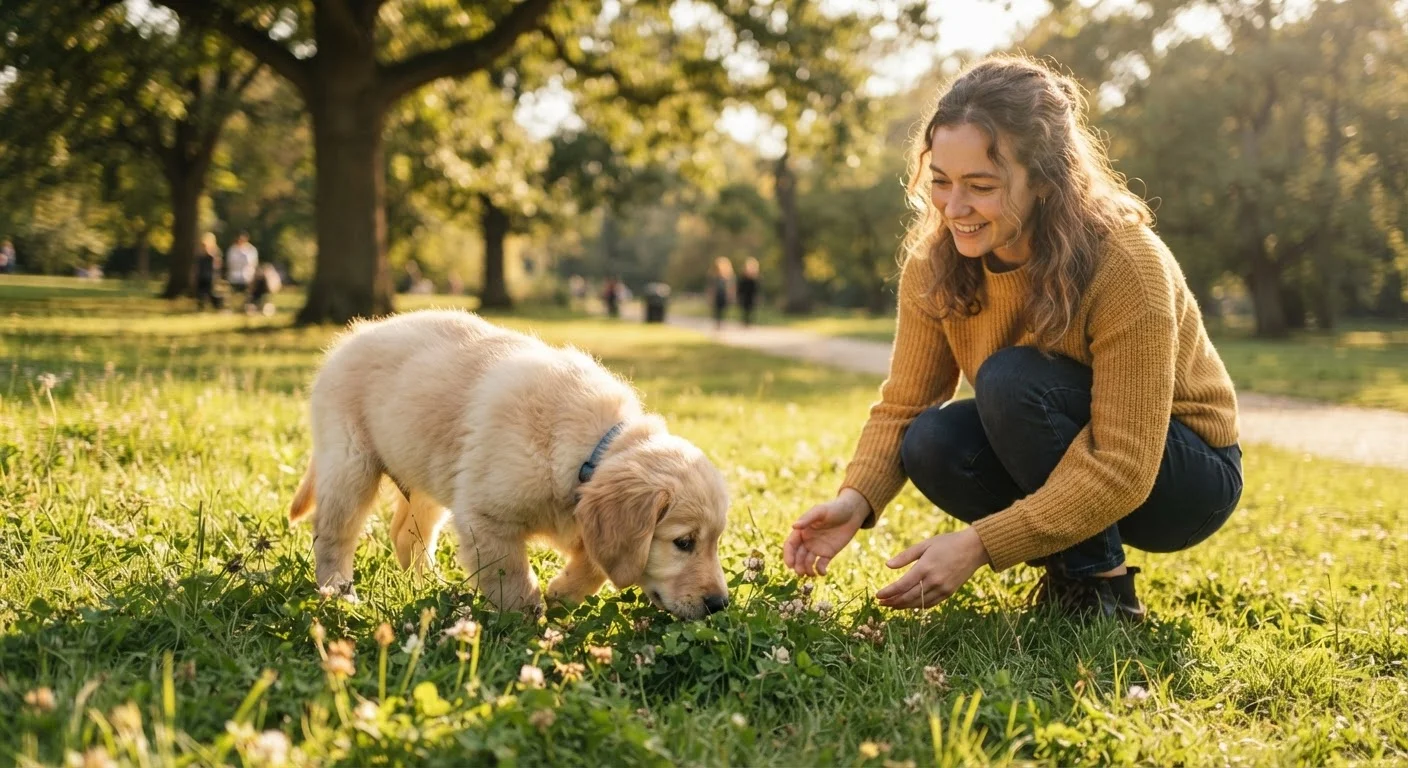
Begin in a quiet environment your puppy already finds comfortable — your garden, a calm hallway, or a friend's yard. Introduce a single new element: a person wearing a hat, an unfamiliar sound at low volume, or a new surface underfoot. Keep the first session to five minutes maximum.
Use high-value treats as positive markers
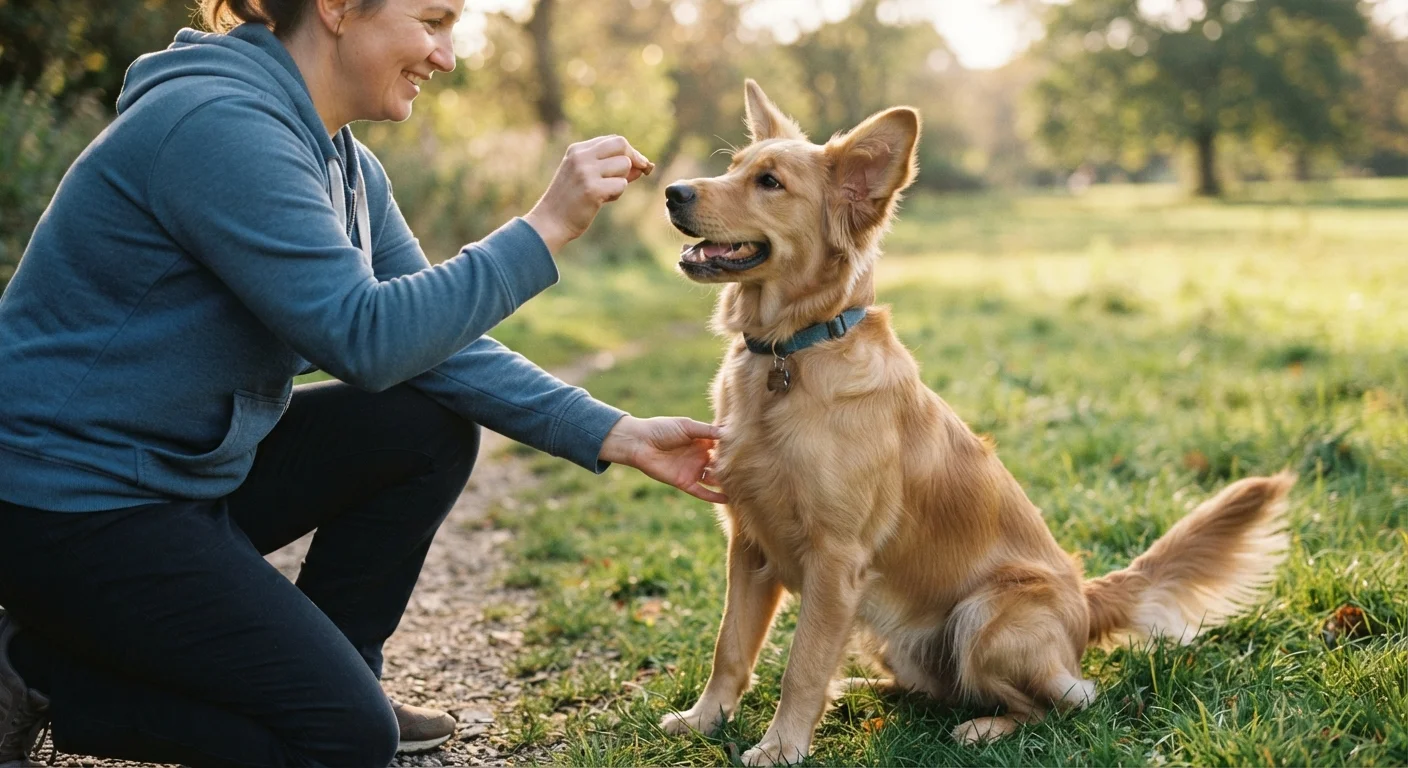
The moment your puppy engages with the new stimulus calmly — sniffing, looking, or stepping toward it — mark the behaviour with a calm verbal cue (such as "yes") and immediately offer a small, high-value treat. Avoid treats that take a long time to eat, as they interrupt the flow of learning.
Watch for stress signals and respond early
Common early stress signals include yawning out of context, lip licking, turning the head away, freezing, or attempting to retreat. If you observe these, calmly increase distance from the stimulus. Do not push the puppy closer. End the session positively by moving away and offering calm praise.
Gradually increase intensity across sessions
Once your puppy shows relaxed, curious behaviour at a given level of exposure, you can raise the intensity slightly — moving closer to a sound source, introducing a second unfamiliar person, or trying a busier outdoor environment. Progress should feel almost imperceptibly slow. That pace is intentional and effective.
Introduce handling as a regular practice
Incorporate brief handling exercises into every session: gently touch paws, look in ears, lift lips to examine gums, and run hands along the puppy's back. Pair each touch with a treat. This desensitises puppies to the type of contact they will experience at vet visits and grooming appointments throughout their life.
Continue socialisation beyond the critical window
Once the primary window closes, socialisation does not stop — it shifts. Continue introducing your puppy to varied environments, people, and experiences throughout adolescence (roughly 6 to 18 months). Adolescent dogs can appear to 'forget' earlier socialisation due to hormonal changes; consistent, positive exposure during this phase maintains the gains made early on. Separation anxiety is one issue that can emerge if social confidence isn't reinforced during adolescence.
As your puppy matures, the behaviours built during socialisation should translate into genuine confidence — not just compliance. Learning to recognise the difference between thriving and merely complying will help you gauge whether your work is having the right effect.
Keep in mind that a well-socialised puppy still needs a balanced diet to support healthy brain development. Nutritional needs shift at each life stage, and getting the puppy phase right matters for long-term wellbeing.
This article provides general educational information about puppy development and is not a substitute for personalised advice from a qualified veterinarian or certified animal behaviourist. If your puppy is showing significant fear, aggression, or distress, please consult a professional.