Why Rescue Dogs Require a Different Starting Point
Bringing a rescue dog home is exciting — but it is rarely like starting with a blank slate. Most rescue dogs arrive carrying behavioral patterns shaped by their previous environment, whether that involved neglect, inconsistent handling, shelter stress, or simply a very different household routine. Unlike raising a new puppy, where you are establishing habits from scratch, working with a rescue means understanding and, where necessary, gently reshaping existing ones.
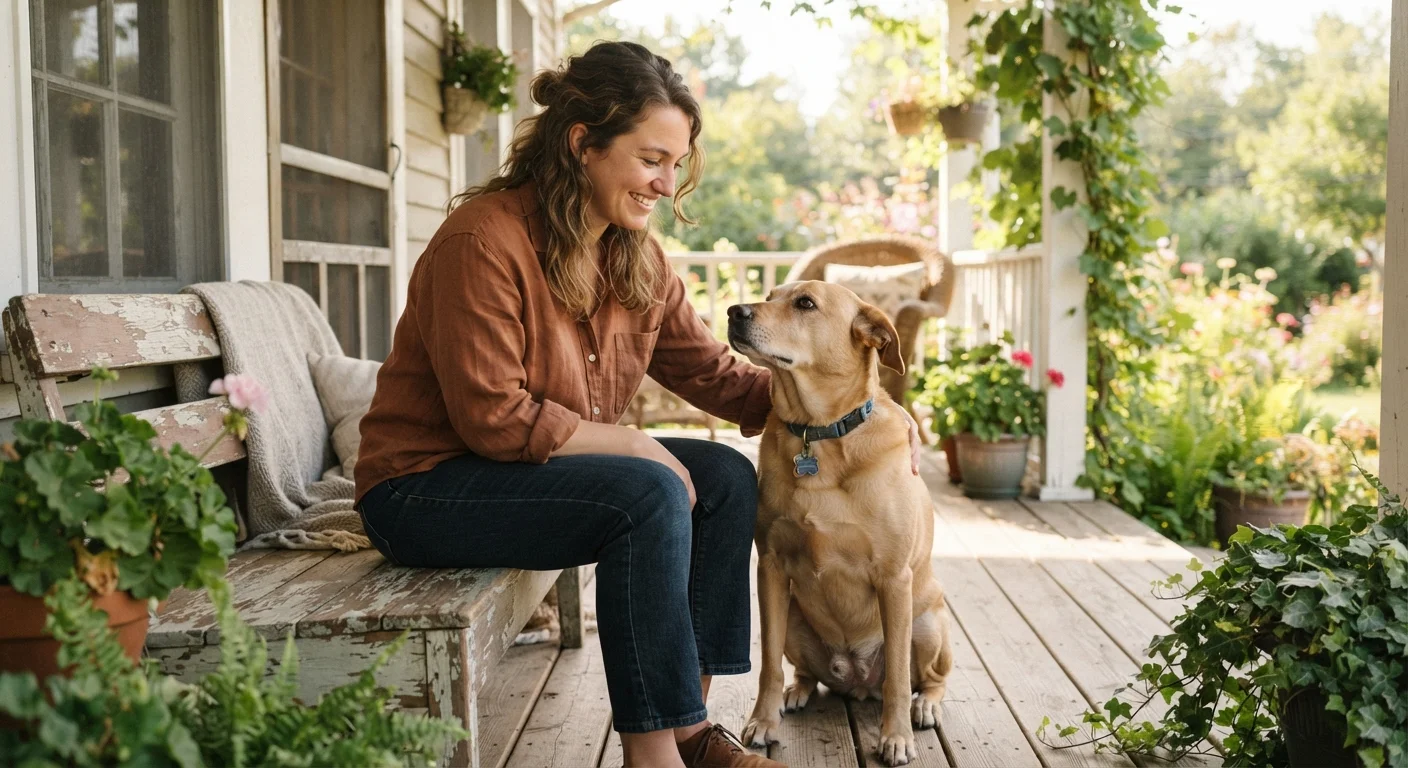
The first thing to set aside is the expectation of a quick behavioral transformation. Veterinary behaviorists and certified dog trainers broadly recommend giving newly adopted dogs a full decompression period — sometimes called the "3-3-3 rule" as a rough guide — where the dog spends the first few weeks simply adjusting to a safe, predictable environment before any formal training pressure is introduced. During this time, your dog is learning that your home is consistent and safe, which is the psychological foundation that makes all subsequent training possible.
This doesn't mean doing nothing. It means prioritizing calm routines, clear boundaries set gently, and relationship-building over command drilling.
Core Practices for Training a Rescue Dog Well
The following practices reflect the consensus guidance from veterinary behaviorists and certified professional dog trainers. They are grounded in behavioral science, not quick fixes.
Allow a structured decompression period before introducing formal training exercises.
A dog cannot learn effectively when it is overwhelmed or operating in a state of chronic stress. Giving your dog time to settle — with predictable feeding times, calm interactions, and low-demand exploration — reduces cortisol levels and creates the psychological safety that learning requires.
Use positive reinforcement exclusively, particularly in the early months.
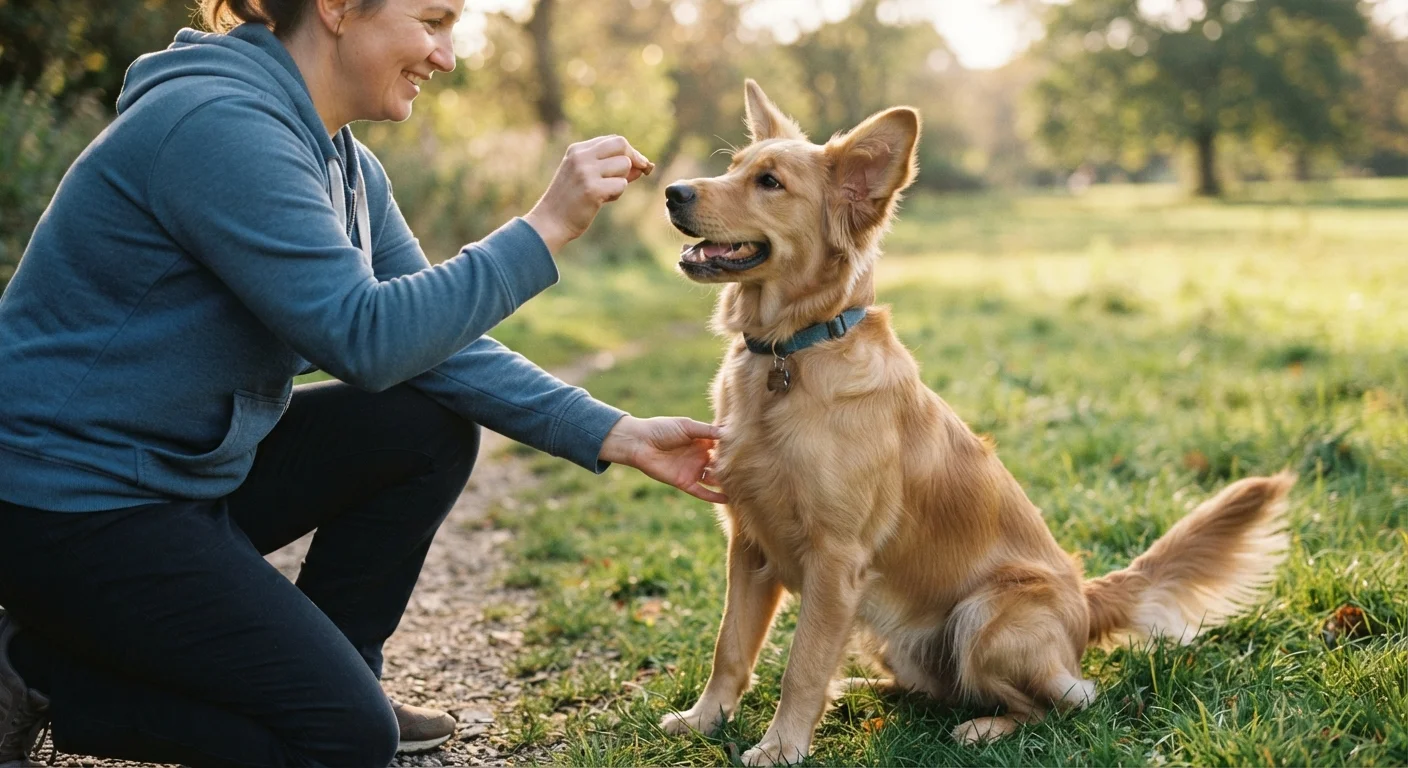
Positive reinforcement — rewarding a behavior immediately after it occurs with something the dog values — is supported by decades of behavioral science as the most effective and humane training approach. For rescue dogs who may have experienced punishment or inconsistency, it also rebuilds trust. Punishment-based methods risk increasing anxiety and suppressing behavior without addressing the underlying cause.
Keep training sessions short and frequent rather than long and infrequent.
Dogs, and especially anxious rescue dogs, can become cognitively fatigued or emotionally dysregulated during long sessions. Short sessions of five to ten minutes repeated several times daily allow the dog to succeed, rest, and return refreshed — which accelerates learning without increasing stress.
Establish a predictable daily routine and maintain it consistently.
Predictability is profoundly calming for dogs, particularly those who have experienced unstable environments. When a dog can anticipate what happens next — walks, meals, quiet times — anxiety decreases and the capacity to learn increases. Routine also naturally reinforces good behavior by reducing the uncertainty that triggers reactive or anxious responses.
Identify and work within your dog's threshold for stress and stimulation.
Each dog has a threshold — the point at which stress, fear, or excitement tips into reactivity or shutdown. Training above this threshold is counterproductive. Learning to read your individual dog's stress signals (lip licking, yawning, whale eye, stiff posture) allows you to adjust the environment before the dog is overwhelmed.
If you share your home with other people, consistency is especially important. A training consistency audit can help your household identify whether everyone is reinforcing the same behaviors — or accidentally working against each other.
Quick Actions to Take in the First Two Weeks
While you should avoid overwhelming your rescue dog early on, there are several low-pressure actions that lay a strong foundation from day one.
Reading Your Dog's Progress — and Knowing When to Seek Help
Progress with a rescue dog is rarely a straight line. A dog who seemed relaxed in week two may show renewed anxiety in week five after a schedule change or a stressful event. This is normal. Regression does not mean the training has failed — it means the dog is still adjusting and needs the same patient, consistent approach.
Watch for signs that your dog is genuinely engaging with training rather than simply complying out of pressure. Signs of genuine engagement — such as soft body language, voluntary approach, and a relaxed tail — look very different from fearful compliance, and distinguishing between them will help you calibrate your approach.
If your rescue dog shows persistent fear responses, resource guarding, reactivity toward people or other animals, or any behavior that feels unsafe, consult a certified professional dog trainer (CPDT-KA) or a veterinary behaviorist (DACVB). These are not problems to troubleshoot alone from online guides. Early professional support typically produces better long-term outcomes than waiting for issues to escalate.
This article provides general educational information about dog training and is not a substitute for professional behavioral assessment or veterinary advice. Always consult a qualified professional if you have concerns about your dog's behavior or wellbeing.