Your Lawn Is Trying to Tell You Something
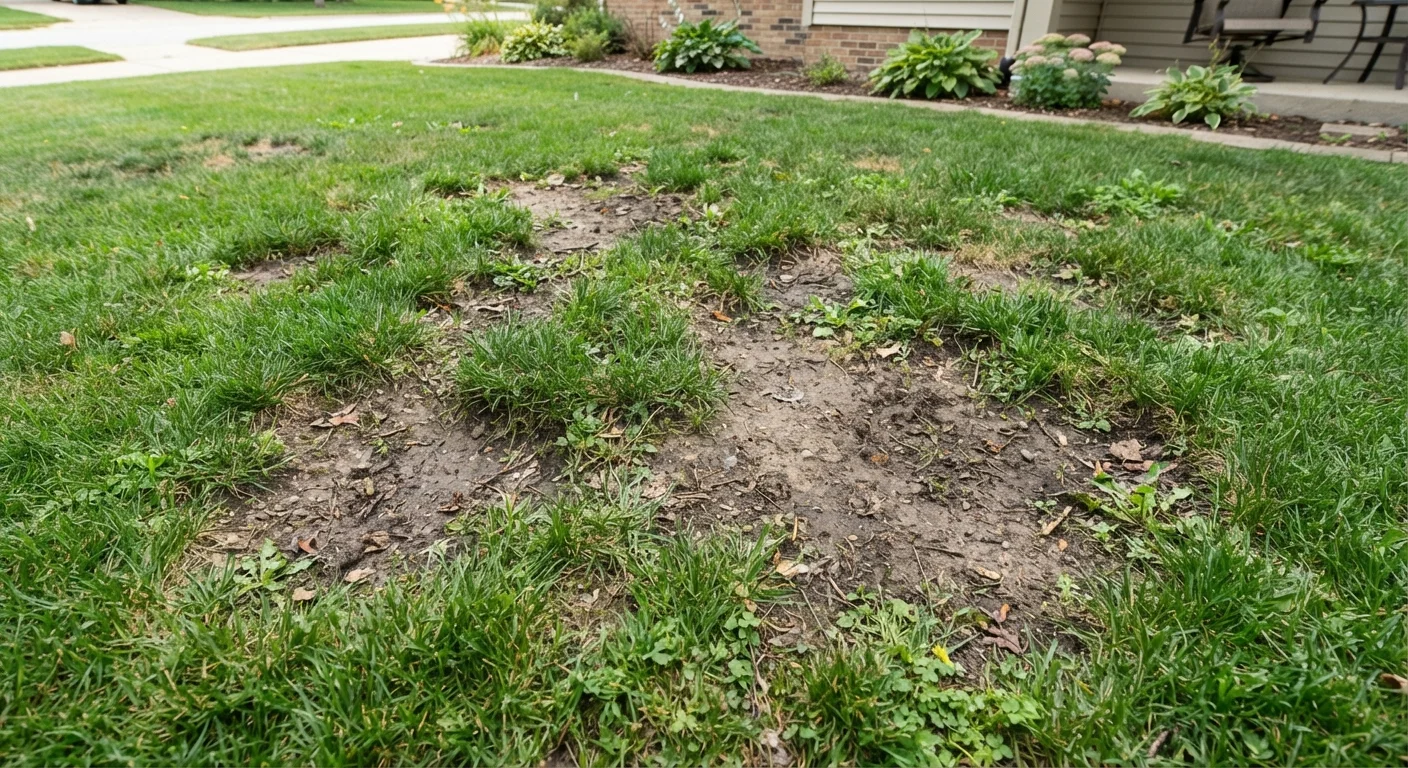
A patchy lawn rarely means you have a brown thumb. More often, bare spots are a reliable signal that something specific - soil structure, light levels, moisture, or pests - is working against your grass in that exact location. The pattern of the patches often holds the biggest clue: a worn path across the yard points to compaction, circular brown rings suggest fungal disease, and random sparse areas near trees typically indicate shade or root competition.
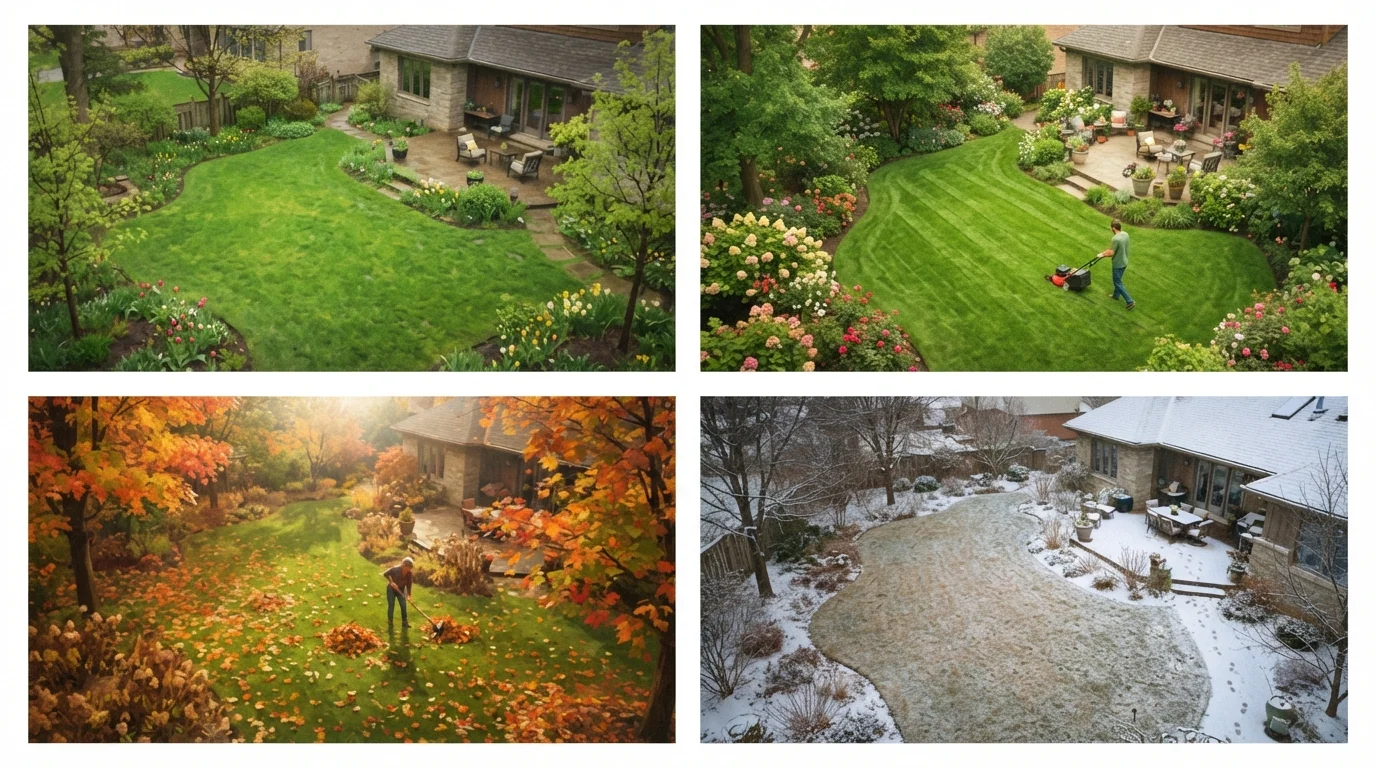
The mistake most homeowners make is skipping this diagnostic step entirely. Understanding why grass won't grow somewhere is the only way to fix it durably. The sections below walk through the most common causes and the errors that let them go unresolved. Pair this with a consistent routine - our year-round lawn maintenance calendar can help you stay ahead of problems before they become bare patches.
Diagnose Before You Reseed
Spreading seed over a bare patch without fixing the underlying cause is the single most common - and costly - lawn mistake homeowners make. If compacted soil, a grub infestation, or a drainage problem is left unaddressed, new grass will fail in exactly the same spot within weeks. Take time to investigate first; the fix is usually straightforward once the real problem is identified.
Common Mistakes That Create and Worsen Bare Spots
Each of the following errors is correctable - often without professional help or significant expense. The key is matching the fix to the actual cause rather than applying the same solution every time.
Reseeding bare patches without investigating the root cause first.
Why it happens: It feels like the logical first step - bare soil needs seed. But this treats the symptom rather than the problem, so new grass fails in the same spot.
Ignoring soil compaction as a possible cause of patchy, thin grass.
Why it happens: Compaction builds slowly and invisibly. Homeowners often attribute thin grass in high-traffic areas to poor seed rather than dense, oxygen-starved soil.
Overwatering or underwatering without adjusting for actual lawn conditions.
Why it happens: Many homeowners set a sprinkler schedule in spring and leave it unchanged through summer, not accounting for rainfall, heat, or soil type.
Planting or trying to maintain sun-loving grass varieties in heavily shaded areas.
Why it happens: Shade changes gradually as trees mature, and homeowners continue seeding with the same variety that worked in sunnier conditions years earlier.
Missing early signs of grub or pest damage until bare patches are well established.
Why it happens: Grub feeding happens underground; by the time the grass browns and patches appear, the damage is already significant.
Mowing too short, stressing grass and creating thin, vulnerable turf.
Why it happens: Shorter grass looks neater and means less frequent mowing, which feels efficient. But scalping removes the leaf blade that produces energy for root growth.
~40%
Of lawn problems linked to soil compaction
Turfgrass specialists commonly attribute a significant share of chronic lawn thinning and bare patches to compaction, particularly in residential yards with clay-heavy soils or heavy foot traffic.
1 inch/week
Typical grass water requirement
Most established cool- and warm-season turf grasses require approximately one inch of water per week from rainfall or irrigation, according to general turfgrass management guidance.
4+ hours
Minimum daily sun for most turf grasses
University extension programs generally recommend at least four hours of direct sunlight for common lawn grasses; less than this typically causes persistent thinning regardless of other care.
Addressing the underlying problem once also tends to reduce ongoing maintenance demands. Grass growing in conditions that suit it naturally requires less intervention, less water, and less reseeding over time. If you're rethinking areas where grass consistently fails, mulching garden beds in those zones is a practical and lower-effort alternative worth considering.
Pesticide Use Requires Caution
If you suspect pest damage, resist the urge to apply a broad-spectrum pesticide before confirming the pest. Misidentified treatments can harm beneficial insects, contaminate soil, and may be subject to local regulations. Contact your local cooperative extension office for help with proper identification and approved treatment options in your area.