
Why Kitchen Foods Can Be Dangerous to Pets
Dogs and cats metabolize food very differently from humans. Compounds that pass harmlessly through our digestive systems can trigger organ failure, neurological damage, or even death in pets. The risks are not hypothetical — veterinary poison control centers handle thousands of food-related calls each year.
This reference covers the most clinically significant foods commonly found in US households. It is not exhaustive, and it is not a substitute for veterinary guidance. If you suspect your pet has consumed any toxic substance, contact your veterinarian or the ASPCA Animal Poison Control Center (888-426-4435) immediately. See the Pet Health & Care hub for broader guidance on keeping pets safe at home.
High-Risk Foods: A Reference List
The following foods carry well-documented, veterinarian-recognized risks for dogs, cats, or both.
Grapes and Raisins
Even small amounts can cause acute kidney failure in dogs. The exact toxic mechanism is still under investigation, but no safe threshold has been established. Cats are also considered at risk. Raisins are more concentrated and therefore potentially more dangerous by weight.
Onions, Garlic, Leeks, and Chives
All members of the Allium family damage red blood cells in both dogs and cats, leading to hemolytic anemia. Garlic is considered significantly more potent than onion by weight. Cooked forms remain toxic, and powdered versions — common in seasoning blends — are especially concentrated.
Xylitol
This sugar substitute, found in some peanut butters, sugar-free gum, candies, baked goods, and certain medications, causes a rapid insulin release in dogs, leading to life-threatening hypoglycemia (low blood sugar). Higher doses may cause liver failure. Always check ingredient labels before sharing any human food with your dog.
Chocolate and Caffeine
Both contain methylxanthines — theobromine in chocolate and caffeine in coffee, tea, and energy drinks — which dogs and cats cannot metabolize efficiently. Symptoms range from vomiting and restlessness to seizures and cardiac arrhythmias. Dark chocolate and baking chocolate carry higher concentrations than milk chocolate.
Macadamia Nuts
Toxic to dogs; the mechanism is unknown. Ingestion can cause weakness, hyperthermia, vomiting, and tremors. Often found in cookies and trail mix, so vigilance around mixed snack foods is warranted.
Alcohol and Raw Yeast Dough
Alcohol — including that produced by raw yeast dough fermenting in a pet's warm stomach — causes CNS depression, vomiting, low blood sugar, and respiratory depression. Raw dough also poses a physical bloat risk as it expands.
Avocado
The compound persin, found in avocado flesh, skin, pit, and leaves, is toxic to birds and some other animals. Evidence in dogs and cats is less definitive, but the pit presents a serious choking and obstruction hazard, and veterinary consensus leans toward avoidance.
Symptoms May Be Delayed
Some toxic foods — particularly grapes, raisins, and xylitol — may not cause visible symptoms for several hours after ingestion. Do not wait for symptoms to appear before contacting a veterinarian or poison control. Early intervention significantly affects outcomes. Always report what your pet ate and approximately how much.
Cooked Bones
While not a food toxin, cooked bones — especially poultry — splinter easily and can cause internal lacerations or obstructions. Raw bones carry their own risks; discuss options with your vet before offering any bone to a pet.
Putting This Into Practice
Knowing which foods are dangerous is only part of the picture. Pets are often exposed through dropped scraps, counter-surfing, or well-meaning family members who don't know the risks. A few practical habits help reduce incidents:
- Store high-risk foods — especially raisins, xylitol-containing products, and chocolate — in closed cabinets rather than on counters.
- Read ingredient labels on all human foods before offering any portion to a pet, including "natural" products and nut butters.
- Brief all household members, including children and frequent guests, on which foods are off-limits for pets.
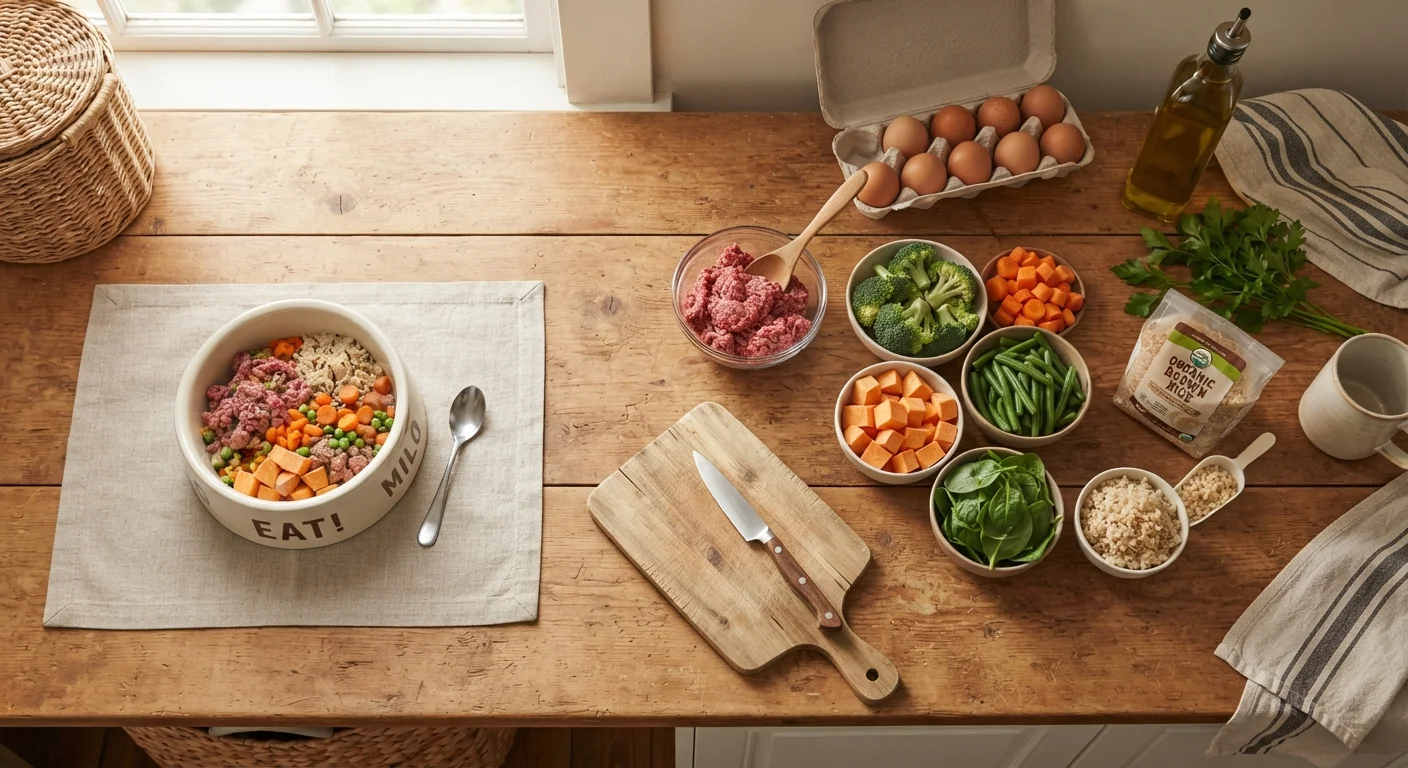
- If you cook for your pet at home, note that gaps in homemade diets go beyond toxic ingredients — see common nutritional gaps in homemade pet food for more detail.
- Well-intentioned home treatments can also introduce risk; the guide to home remedies that can backfire covers related hazards.
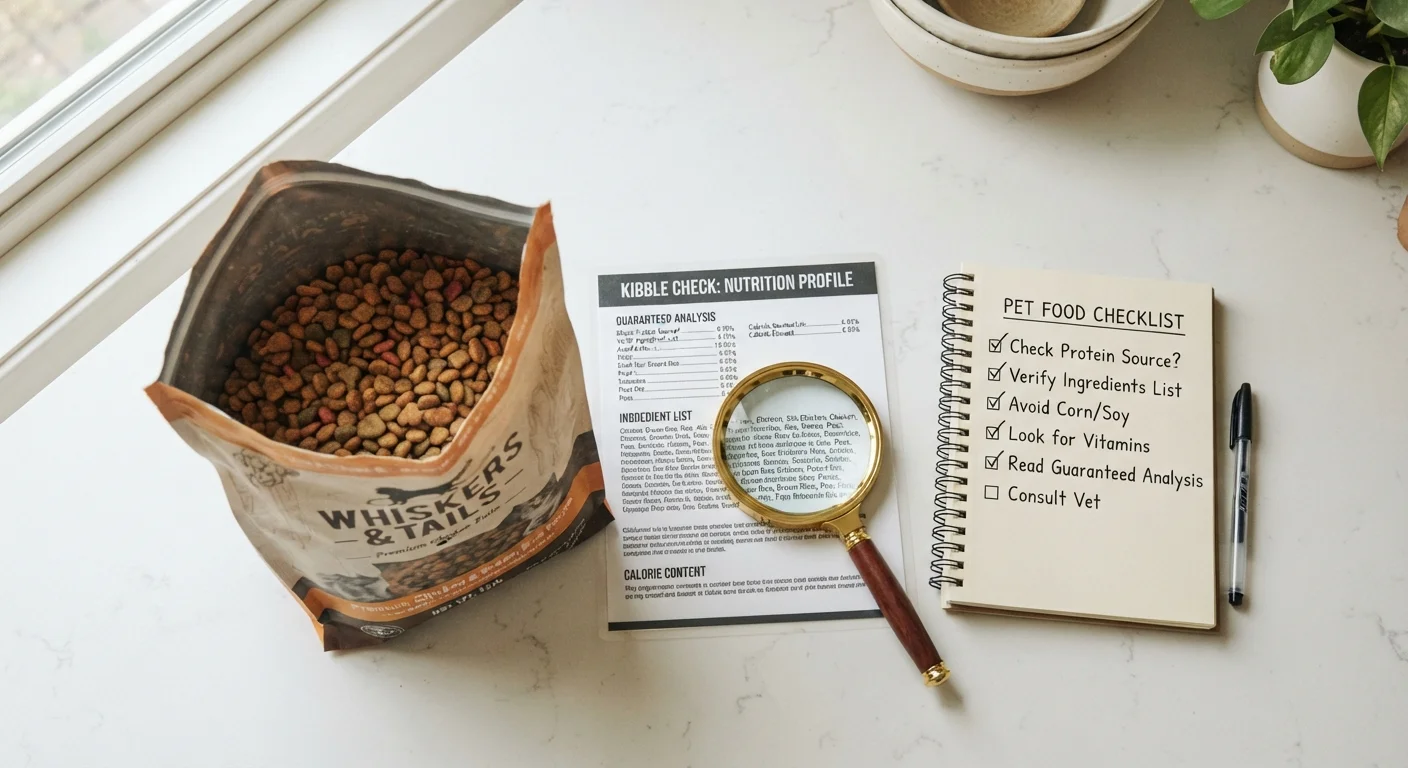
When evaluating any new food or diet for your pet, a practical checklist for evaluating pet food can help you ask the right questions. When in doubt about a specific ingredient, your veterinarian is the most reliable resource.
This article provides general educational information and is not a substitute for professional veterinary advice. Always consult a licensed veterinarian regarding your pet's health and diet.