The Depreciation Gap: Where the Real Money Is Lost
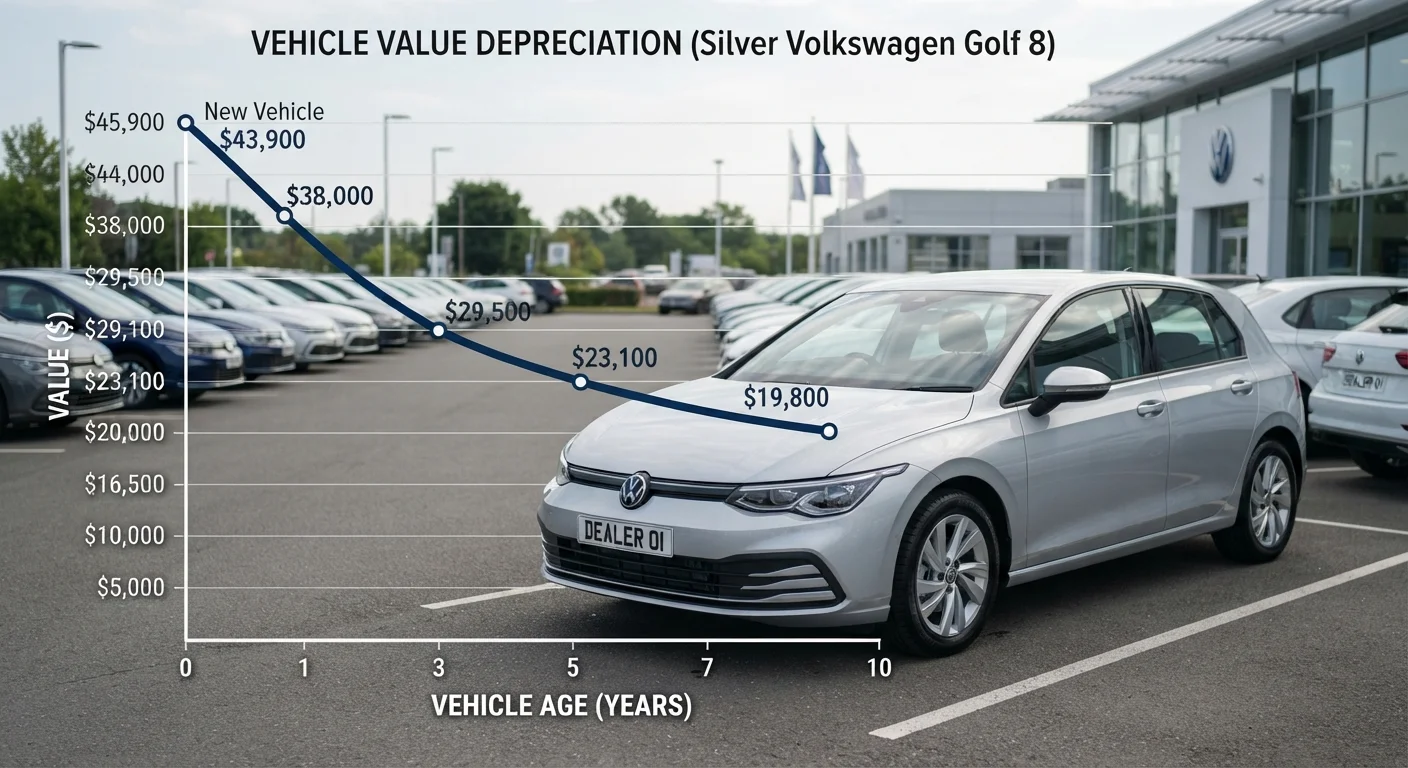
Depreciation is the single largest cost most drivers never see on a price tag. A new vehicle can lose a substantial portion of its value within the first few years of ownership - the exact rate varies by make, model, and market conditions, but the early years are consistently the steepest. When you buy used, a previous owner has already absorbed that loss.
That's not a minor detail. It fundamentally changes your cost-per-mile equation. Understanding how depreciation works is one of the most valuable things you can do before stepping onto any lot, because it shapes the true price of every vehicle you consider - new or used.
The flip side: if you keep a new car for a decade or more, that depreciation curve flattens significantly. The hit per year shrinks the longer you own it, which is why long-term ownership is one of the stronger arguments for buying new.
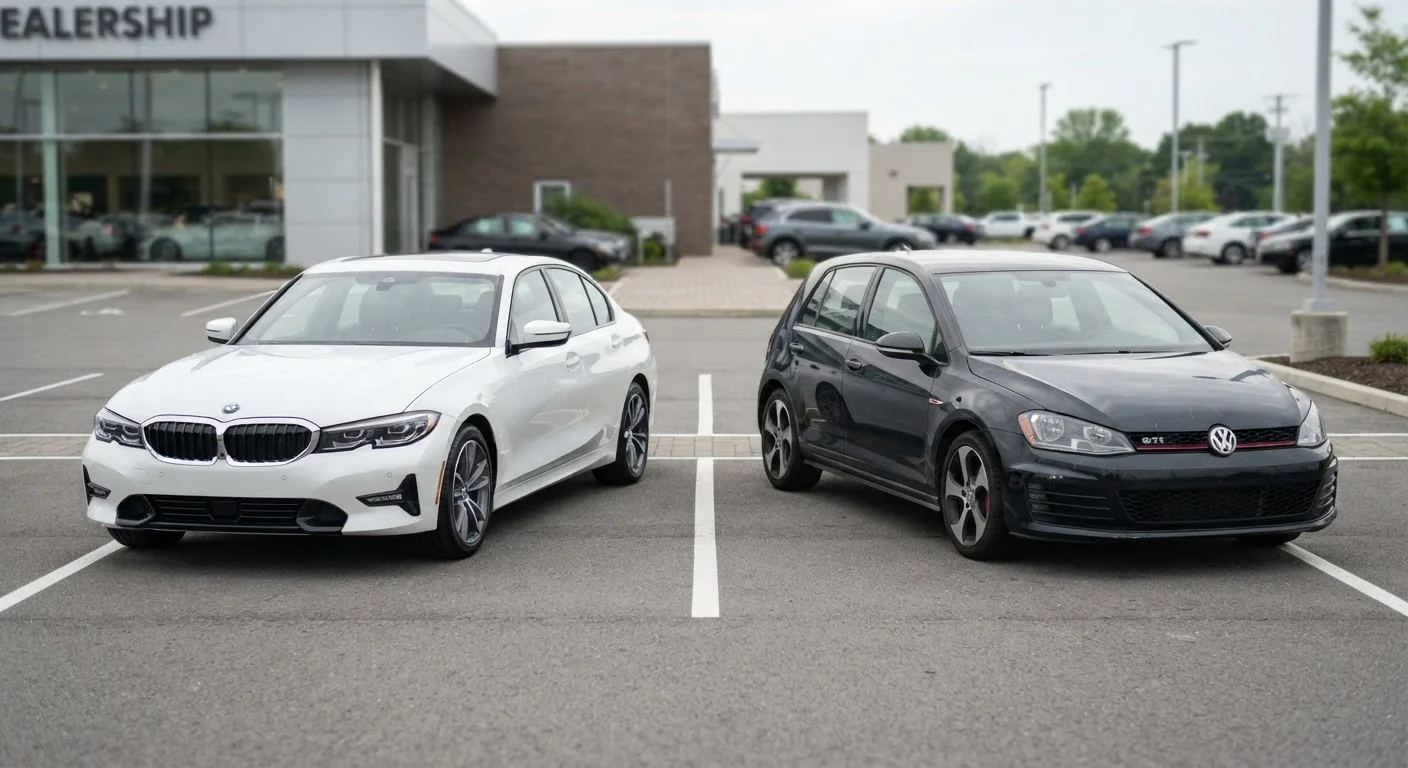
| Criterion | New Car | Used Car |
|---|---|---|
| Purchase Price | Higher sticker price | Lower upfront cost |
| Depreciation Exposure | Steepest in years 1-3 | Prior owner absorbs early drop |
| Warranty Coverage | Full manufacturer warranty | Partial or no coverage remaining |
| Financing Rates | Often lower; promotional rates possible | Typically higher interest rates |
| Insurance Cost | Higher premiums (higher replacement value) | Generally lower premiums |
| Technology & Safety Features | Latest generation available | Varies by model year |
| Vehicle History | No prior use or owners | Requires verification (Carfax, inspection) |
| Selection | Limited to current model year inventory | Broader range of years and trims |
Warranties, Reliability, and the Risk You're Actually Taking On
New cars come with a manufacturer's warranty - typically a bumper-to-bumper coverage period plus a longer powertrain warranty - that significantly limits your out-of-pocket exposure for defects and mechanical failures in the early years. Used cars arrive with whatever remains of that original warranty, which may be little or nothing.
That gap is real, but it's not the whole picture. Modern vehicles are considerably more reliable than those from previous decades, and many used cars in the three-to-seven-year range have well-documented service histories and plenty of reliable life remaining. A pre-purchase inspection by an independent mechanic - a step worth budgeting for - can surface problems that aren't visible to the eye.
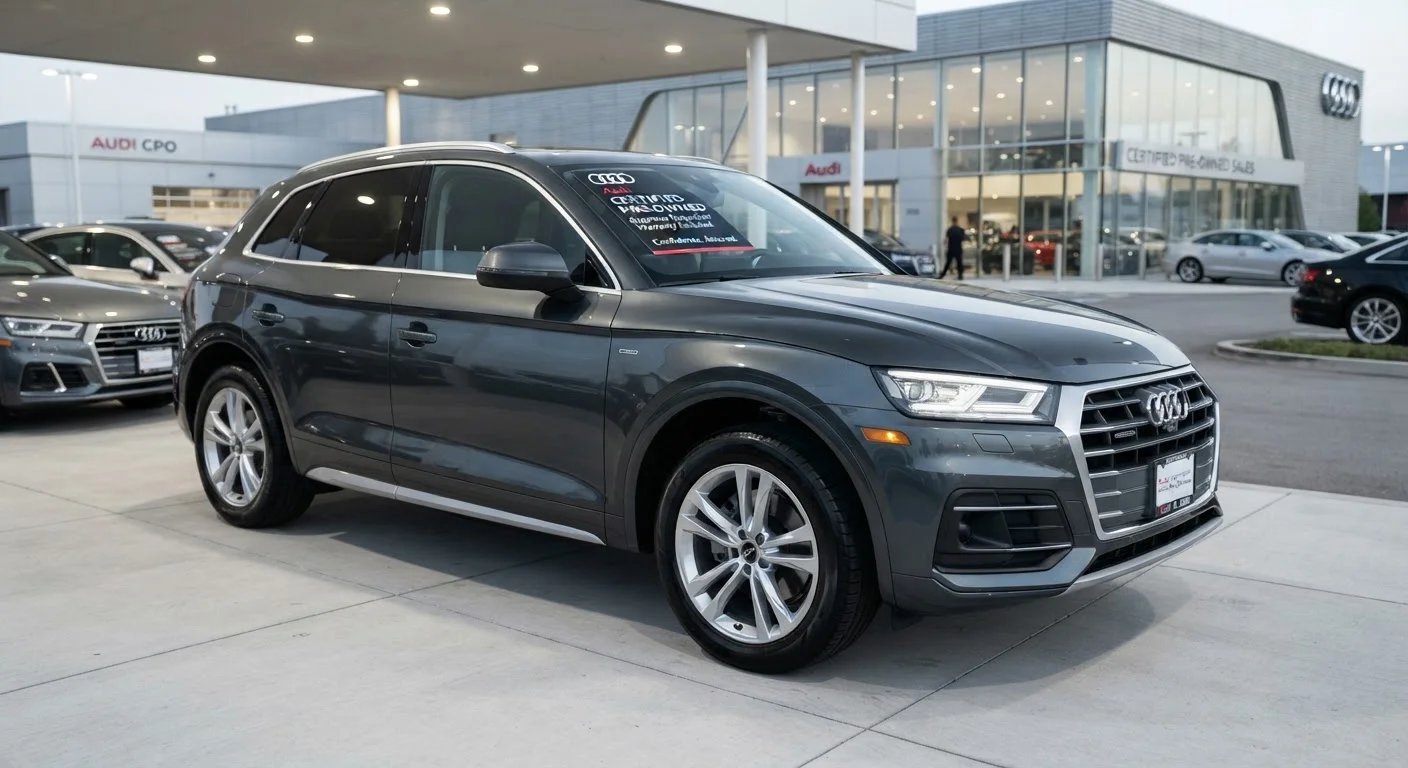
Certified pre-owned (CPO) programs occupy a middle ground: manufacturer-inspected used vehicles that carry a renewed or extended warranty. Coverage details vary significantly between automakers, so reading the fine print matters before assuming a CPO label is equivalent to buying new.
~20%
Typical first-year new car depreciation
Industry estimates generally place new vehicle depreciation at roughly 15-25% in the first year alone, with rates varying by brand and model.
3-5 yrs
Typical bumper-to-bumper warranty length
Most major automakers offer bumper-to-bumper coverage for three years, with some brands extending to five; powertrain warranties often run longer.
2-3 yrs
Optimal used-car age for value
Consumer research consistently suggests that two-to-three-year-old vehicles offer a strong balance between reduced depreciation exposure and remaining useful life.
Financing, Insurance, and the Costs You Don't See at Signing
Purchase price is just the opening number. Financing rates on new cars are frequently lower than those on used vehicles - automakers sometimes offer promotional rates that aren't available on the used market. However, a lower interest rate on a larger loan doesn't automatically mean you pay less overall; total interest paid over the loan term matters more than the rate alone.
Insurance costs also shift between new and used. Comprehensive and collision premiums are typically higher on newer vehicles because the replacement cost is higher. On an older used car, some owners choose to reduce or drop those coverages once the vehicle's value falls below a certain threshold - though that's a personal risk calculation, not a universal recommendation.
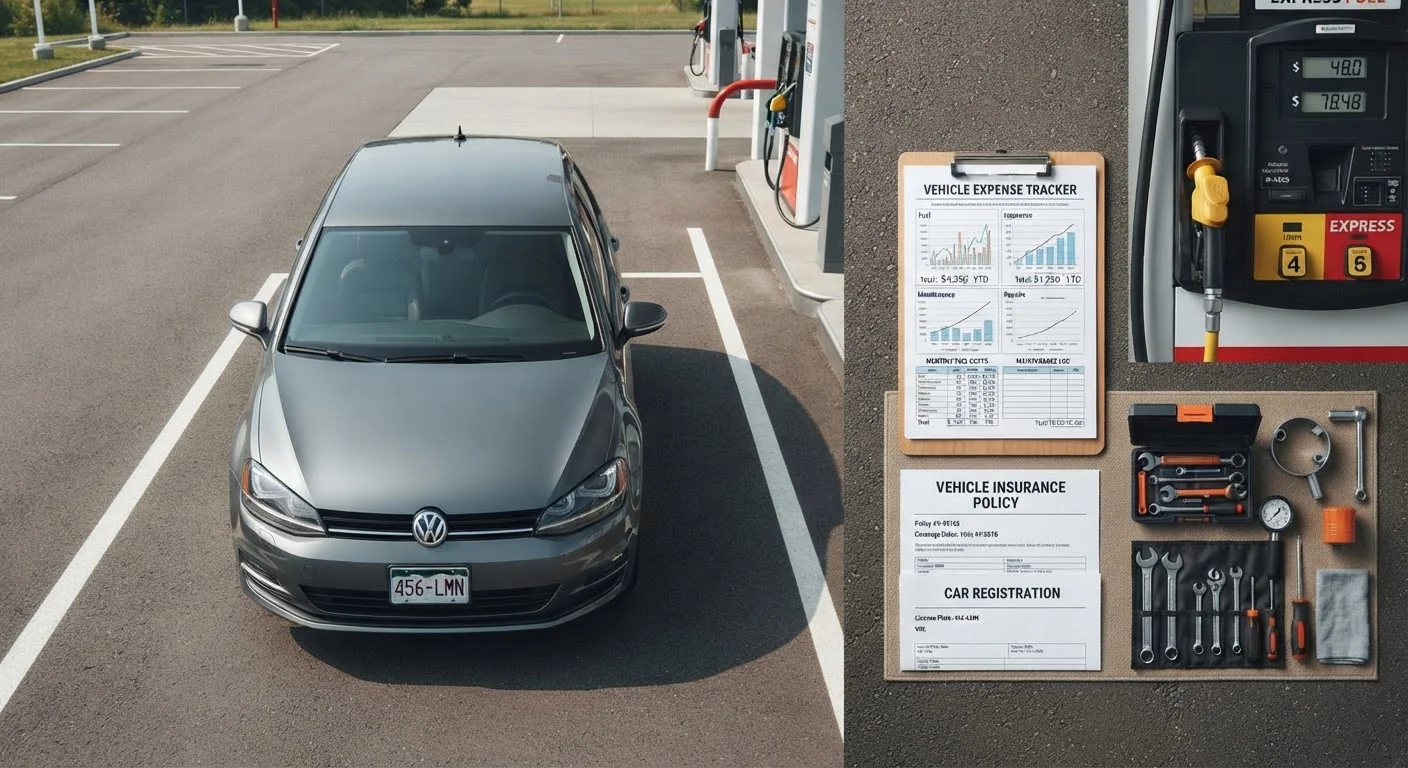
For a complete picture of what you'll actually spend, total cost of ownership analysis - factoring in fuel, maintenance, insurance, and depreciation together - is a more honest comparison tool than sticker price alone. And if you're weighing whether to buy at all, buying versus leasing adds another dimension worth considering.
One more variable: where you buy shapes what you pay and what protections you get. Private sellers versus dealerships each come with distinct trade-offs in price, recourse, and buyer protections.
Don't Overlook Common Car-Buying Myths
Some widely held beliefs about dealership negotiation, financing through dealers, and the "right time" to buy can quietly cost shoppers money. Before you finalize any deal, it's worth reviewing common car-buying myths that tend to trip up even experienced buyers. Separating fact from assumption is part of getting a genuinely fair deal.