Why Depreciation Is the Hidden Cost That Matters Most
When most drivers think about car ownership costs, they picture fuel, insurance, and maintenance. Depreciation rarely makes that mental list - yet for many owners, it represents a larger financial outlay than any of those line items combined.
Depreciation is simply the gap between what you paid for a vehicle and what it's worth when you sell or trade it in. That gap is real money leaving your pocket, even though you never pay a bill labeled "depreciation." Understanding it puts you in a stronger position whether you're buying, leasing, or planning your next trade-in.
For a deeper look at how these costs stack up over time, see our total cost of ownership guide, which covers fuel, insurance, and maintenance alongside depreciation.
~20%
Average first-year new car depreciation
Industry estimates from automotive valuation sources consistently place average new vehicle depreciation at roughly 15-25% in the first 12 months of ownership.
~50%
Value lost by year five on average
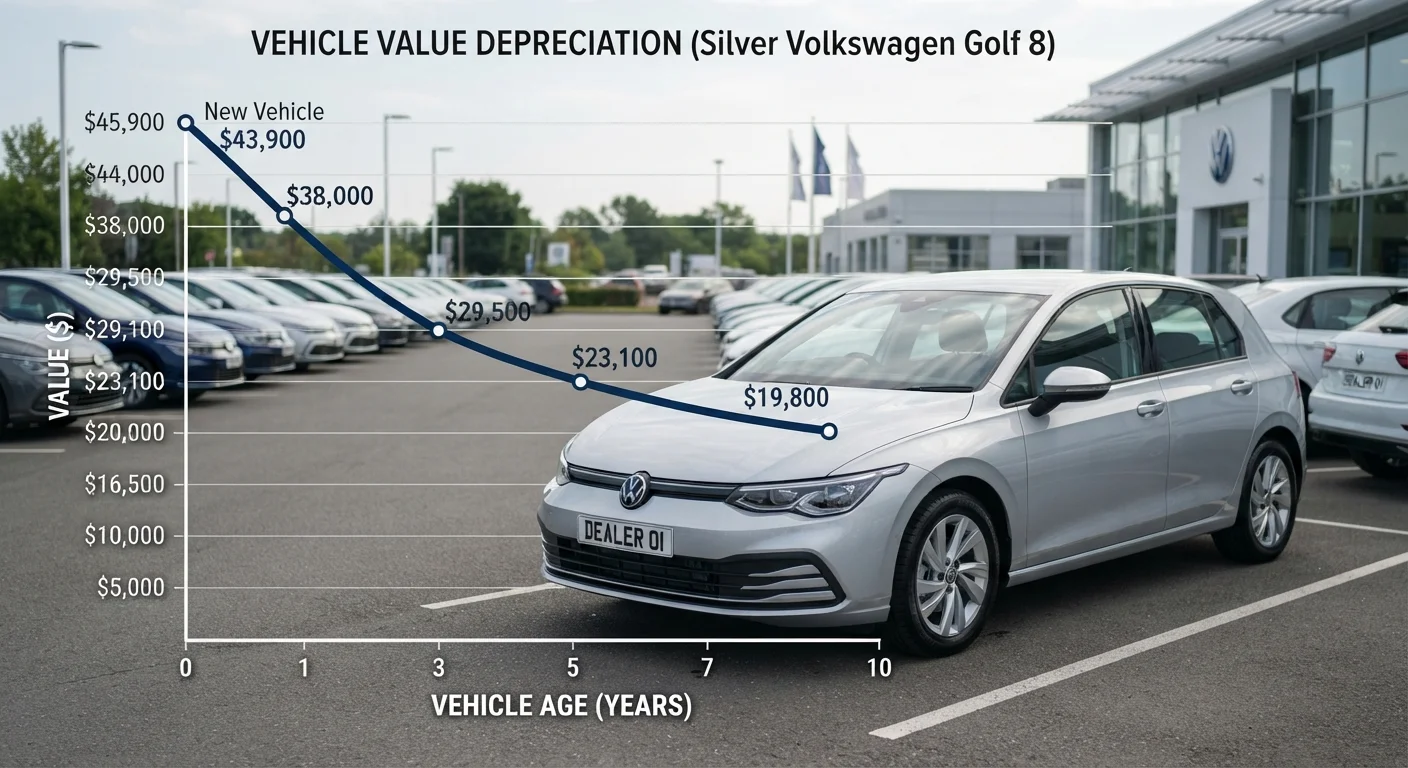
Many vehicles lose approximately half their original purchase price within five years, making depreciation the largest single ownership cost for a typical driver over that period.
3-4 years
Age where depreciation curve typically flattens
Automotive valuation data generally shows the rate of annual value loss slowing considerably after the third or fourth year, when the steepest initial decline has already occurred.
How Depreciation Actually Works
Depreciation does not move in a straight line. It front-loads: the loss is steepest in the earliest years and slows considerably as the vehicle ages. A car that loses 20% of its value in year one might lose only 10% in year three and even less by year five.
Several factors determine how quickly any specific vehicle depreciates:
- Make and model reputation: Vehicles with strong reliability records and broad consumer demand hold value better than average.
- Mileage: Higher miles signal more wear, reducing what buyers are willing to pay.
- Condition: Accident history, rust, worn interiors, and deferred maintenance all accelerate value loss.
- Market demand: Fuel prices, economic conditions, and shifting consumer tastes can change residual values quickly. Pickup trucks and SUVs have historically retained value well, though this can shift.
- Color and trim: Unusual colors or configurations with limited buyer appeal can reduce resale value compared to broadly popular options.
Luxury vehicles often depreciate faster in dollar terms because they start at higher prices, even if the percentage loss is similar to mainstream vehicles.
What Depreciation Means for Your Purchase Decision
Recognizing how depreciation works gives you a concrete edge when deciding what to buy and what to pay. A vehicle that's two or three years old has already absorbed its sharpest value drop. Buying at that stage means the previous owner absorbed that loss - and you benefit from a lower purchase price without giving up most of the vehicle's useful life.
This is one of the core trade-offs explored in our new car vs. used car analysis, which weighs depreciation alongside warranty coverage, financing, and reliability considerations.
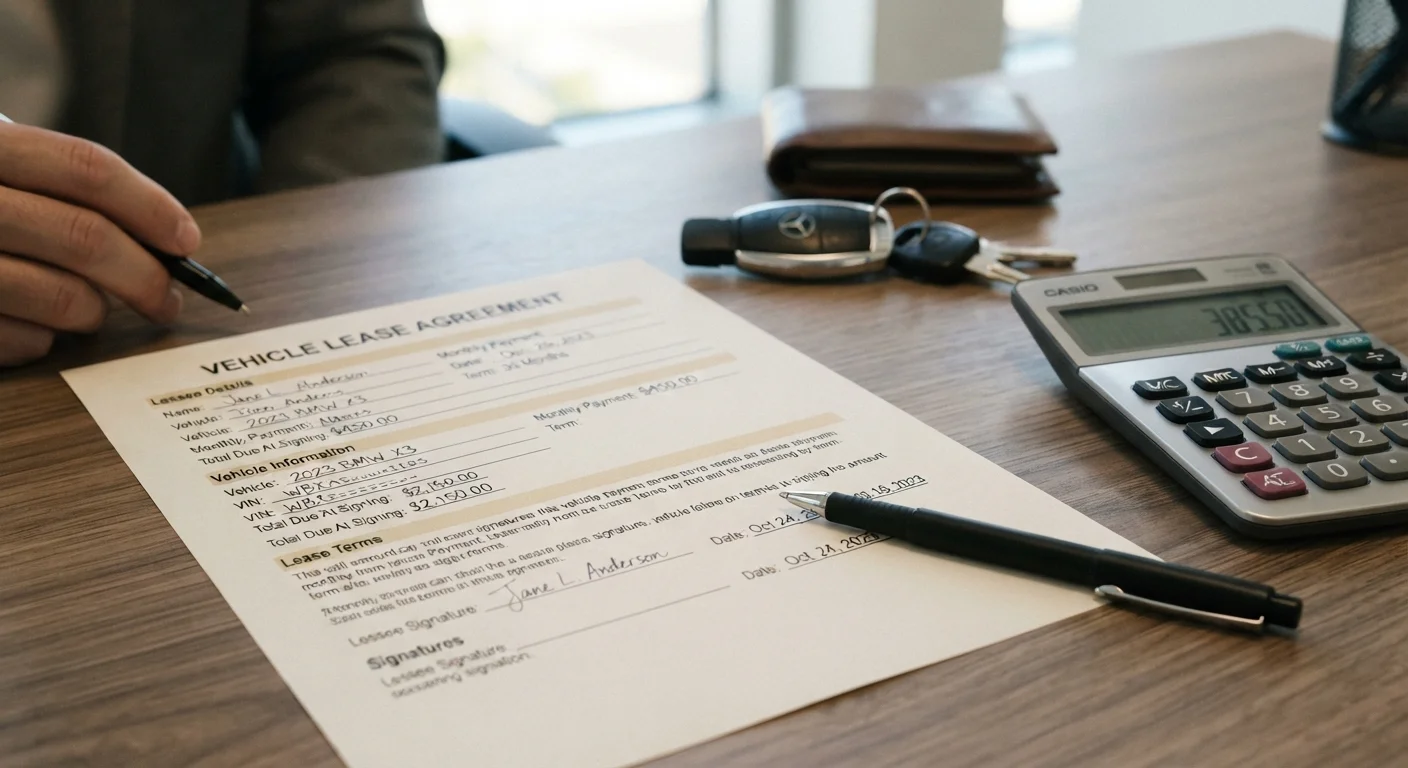
If you're leasing rather than buying, depreciation is even more central - it's the primary driver of your monthly payment. The leasing company estimates how much the vehicle will depreciate over your lease term and charges you for that projected loss. Vehicles with low depreciation rates tend to produce lower lease payments. Our guide to how lease numbers work explains residual values and money factors in plain language.
When negotiating any purchase, understanding that dealers and lenders use depreciation projections helps you evaluate whether a price or monthly payment is reasonable - rather than simply accepting figures at face value. For more on common missteps at the dealership, see car-buying myths that cost shoppers money.
Use Residual Value Data Before You Negotiate
Before visiting a dealership, research projected residual values for any vehicle you're seriously considering. Independent automotive valuation resources publish depreciation estimates by make, model, and trim. Knowing where a vehicle sits on the depreciation curve helps you assess whether the asking price reflects fair market value - and gives you a more informed starting point for any negotiation.
Protecting Your Investment Over Time
While depreciation is inevitable, some ownership habits slow the rate of value loss relative to similarly aged vehicles.
Keeping detailed service records is one of the most practical steps. When it comes time to sell or trade in, documented maintenance history gives buyers confidence and supports a higher asking price. Vehicles with verifiable histories consistently command better offers than those without.
Staying within a reasonable mileage range, addressing cosmetic damage promptly, and keeping the interior in good condition all contribute to a stronger resale position. Choosing a vehicle with broad market appeal at purchase - rather than highly specialized configurations - also helps when it's time to sell.
That said, chasing the lowest-depreciation vehicle should not be your only criterion. A vehicle that fits your actual driving needs, that you'll keep well-maintained, and that you purchase at a fair price will generally serve your finances better than optimizing purely for residual value projections. Consult resources like our car maintenance hub to build habits that keep your vehicle in sellable condition throughout ownership.
This article is for general informational and educational purposes only. It does not constitute financial or legal advice. For guidance tailored to your personal financial situation, consult a qualified financial professional.