Why the Purchase Price Is Only Part of the Story
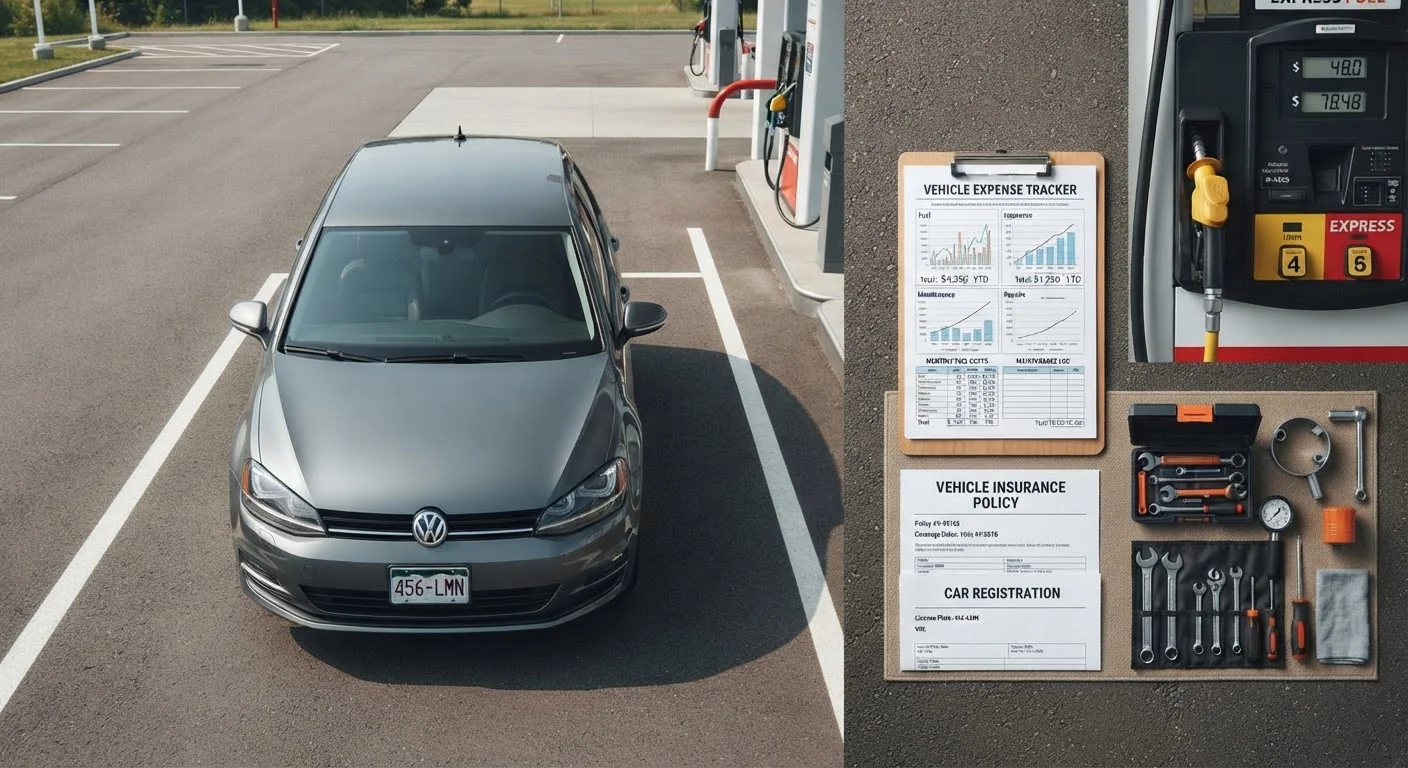
When shoppers compare vehicles, they typically focus on the sticker price or monthly payment. But for most drivers, the purchase price represents only a fraction of what a vehicle will actually cost over time. Industry analysts commonly estimate that long-term ownership expenses - fuel, insurance, maintenance, financing, and depreciation - can rival or exceed the original purchase cost over a five-year period.
Understanding total cost of ownership (TCO) before you buy can prevent a situation where an apparently affordable car drains your budget month after month. It also shifts the comparison from "what can I afford to put down?" to "what will this vehicle actually cost me to operate?" - a far more useful question.
For a broader look at how one hidden cost dominates the rest, see our article on how car depreciation works. And if you're unsure whether to buy new or used, the new vs. used car trade-offs article walks through those cost differences in detail.
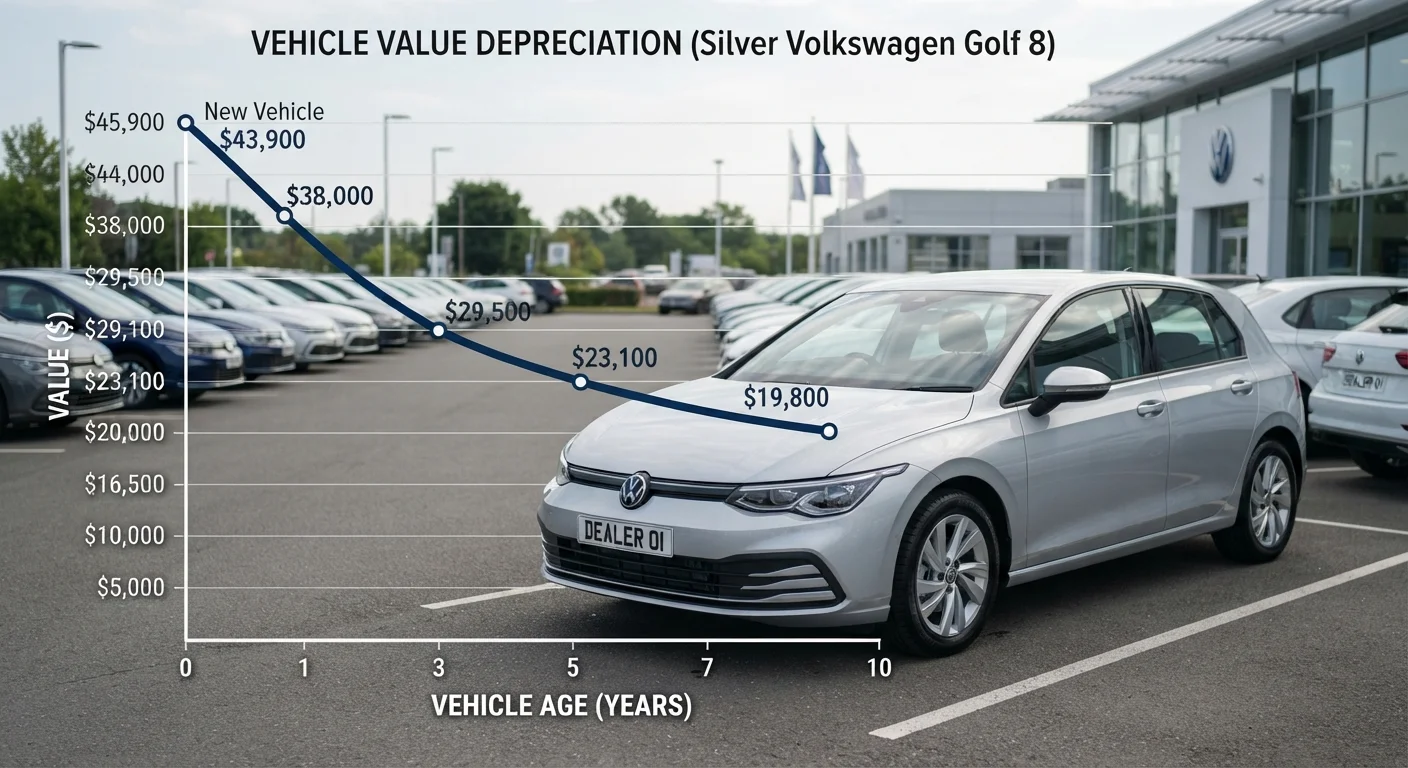
| Largest TCO Component | Depreciation (often 40-50% of total 5-year cost) (General industry consensus across automotive research organizations) |
| Average Annual Miles Driven (US) | Approximately 15,000 miles (U.S. Department of Transportation Federal Highway Administration) |
| Typical New Car Warranty | 3 years / 36,000 miles bumper-to-bumper (varies by manufacturer) |
| Fuel Cost Sensitivity | A 10 MPG improvement saves roughly $500-$700/year at average US gas prices (Illustrative estimate based on 15,000 miles/year; actual savings vary by fuel price) |
| Registration & Fees | Vary widely by state; can range from under $100 to several hundred dollars annually |
| Insurance Cost Variation | Average US auto insurance premium varies significantly by state, vehicle, and driver profile (National Association of Insurance Commissioners data) |
The Core Expenses That Make Up TCO
Depreciation
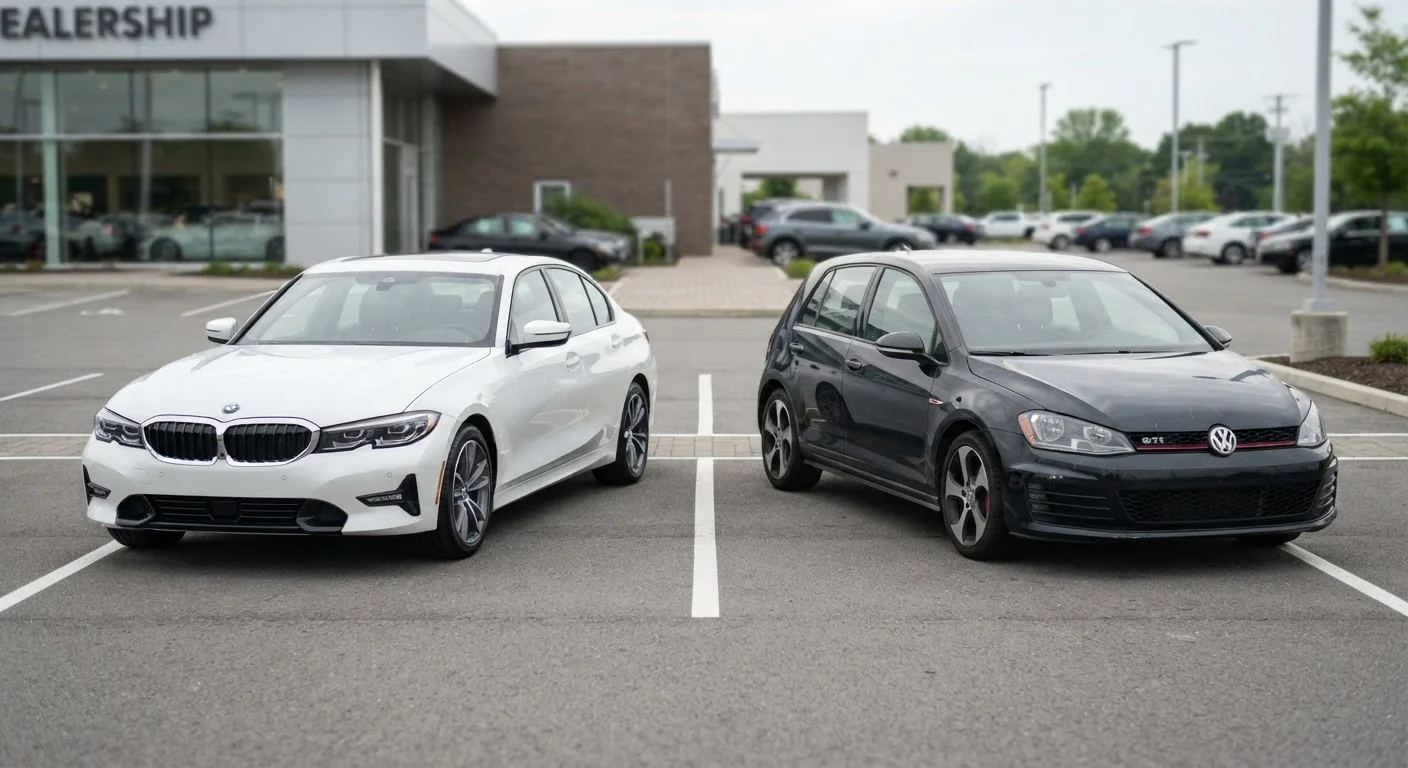
Depreciation is typically the largest single ownership expense for most vehicles. A new car can lose a significant portion of its value in the first year alone, and the decline continues - though more gradually - through subsequent years. Vehicles differ considerably in how quickly they depreciate, which means two cars with identical purchase prices may have very different five-year costs. Depreciation directly affects what you should pay and what you'll recoup if you sell or trade in.
Fuel
Annual fuel costs depend on how many miles you drive, your local gas prices, and the vehicle's EPA-estimated fuel economy. A vehicle rated at 25 MPG costs meaningfully more to fuel annually than one rated at 35 MPG, especially if you drive above the average of roughly 15,000 miles per year. Hybrid and electric vehicles can reduce or eliminate gasoline costs, though they may carry higher upfront prices or unique maintenance considerations.
Insurance
Insurance premiums vary based on the vehicle's make and model, your driving record, location, age, and the coverage levels you choose. Sports cars, luxury vehicles, and models with high repair costs typically carry higher premiums. Getting insurance quotes before finalizing a purchase - not after - is a straightforward way to avoid surprises. See our glossary of car-buying terms for definitions of coverage types you'll encounter.
Financing Costs
If you finance a vehicle, interest paid over the loan term adds to the true purchase price. A lower-priced car financed at a higher interest rate can cost more overall than a pricier vehicle secured at a low rate. Loan term length also matters: longer terms reduce monthly payments but increase total interest paid.
Maintenance and Repairs
Routine maintenance - oil changes, tire rotations, brake service, and fluid checks - is a predictable cost that varies by vehicle type and mileage. Some vehicles require premium synthetic oil or specialized parts that raise service costs. Older vehicles or those out of warranty also carry repair risk. Our car maintenance hub covers practical ways to stay on top of these expenses without overpaying.
Registration, Taxes, and Fees
Annual registration fees, state taxes, and local fees are easy to overlook but add up over a vehicle's life. These vary significantly by state and are often tied to the vehicle's value or weight.
Total Cost of Ownership (TCO)
The complete financial cost of a vehicle over a defined period, including purchase price, financing, fuel, insurance, maintenance, taxes, and depreciation. TCO provides a more accurate comparison than sticker price alone.
Depreciation
The decline in a vehicle's market value over time. Depreciation is typically the largest component of long-term ownership cost and varies significantly by make, model, and condition.
APR (Annual Percentage Rate)
The annualized interest rate on a loan, including certain fees. A higher APR means more money paid in interest over the life of a vehicle loan, increasing total ownership cost.
EPA Fuel Economy Rating
The U.S. Environmental Protection Agency's estimate of how many miles per gallon a vehicle achieves in city, highway, and combined driving. Used to compare fuel costs across vehicles.
Residual Value
The projected worth of a vehicle at the end of a lease term or ownership period. Higher residual value means lower depreciation loss and can reduce lease payments.
Out-of-Pocket Repair Risk
The potential for unexpected, unplanned repair expenses - particularly relevant for vehicles no longer covered by a manufacturer warranty. Older vehicles and those with higher mileage carry greater exposure.
Putting It All Together Before You Decide
Estimating TCO doesn't require a finance degree. Several free tools - including the U.S. Department of Energy's fuel cost calculator and resources from consumer automotive research organizations - allow you to compare annual operating costs across vehicle types. Entering your expected annual mileage, local fuel prices, and insurance estimates gives you a workable picture before you sign anything.
When comparing a lease to a purchase, TCO analysis is especially important. A lease may lower your monthly payment but leave you without equity at the end of the term. Our article on how leasing numbers actually work explains the variables that determine whether leasing makes financial sense for your situation.
It's also worth revisiting common assumptions about what makes a car "affordable." Our piece on car-buying myths that cost shoppers money challenges several widely held beliefs that can lead buyers to underestimate long-term costs. For broader budget planning, the budgeting basics hub offers straightforward frameworks for fitting a vehicle into your overall financial picture.
The goal isn't to find the cheapest vehicle - it's to find one whose full cost, month after month, fits comfortably within your means.