Understanding the Core Difference
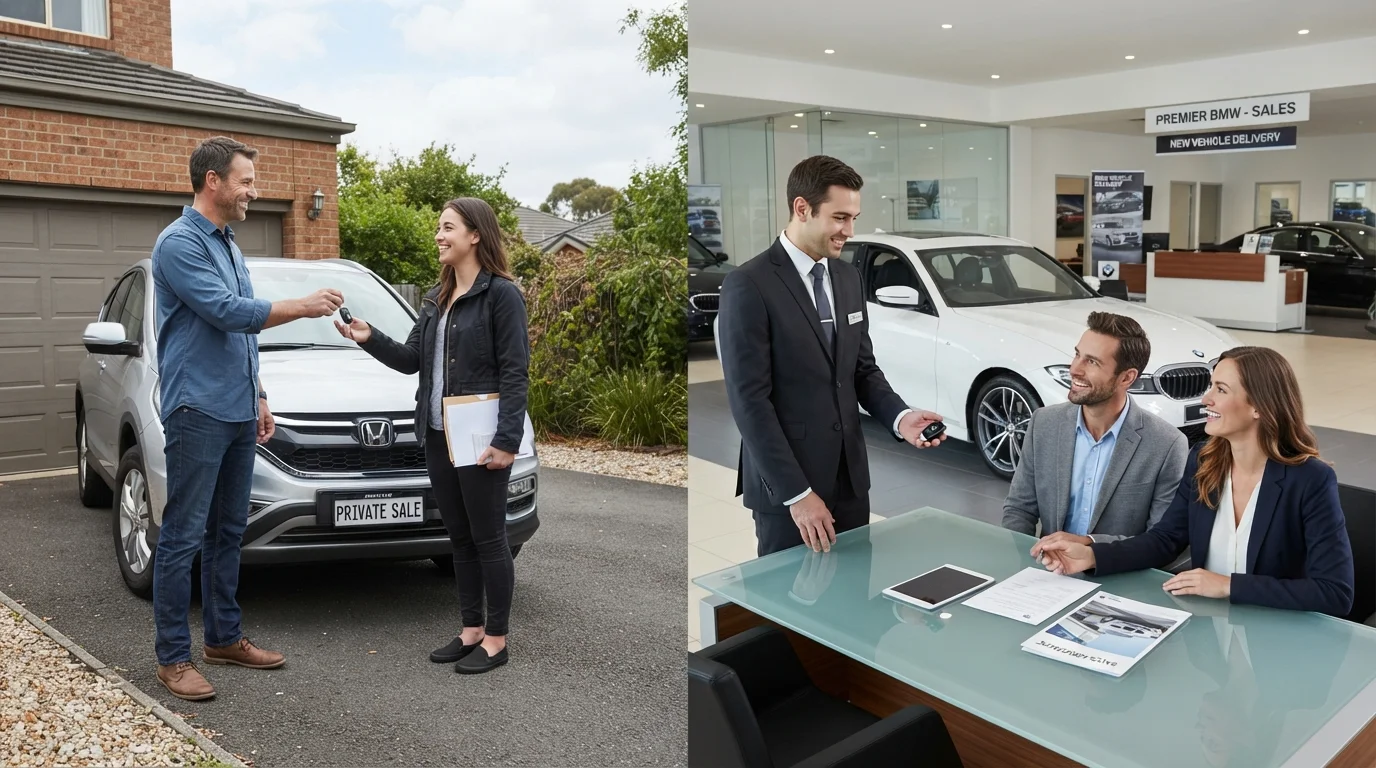
When shopping for a used vehicle, you'll typically encounter two paths: buying from a private individual or purchasing through a licensed dealership. At a surface level, both result in you owning a car - but the experience, risk, and paperwork involved differ considerably.
Private sellers are everyday people selling their own vehicles. They have no legal obligation to disclose all known defects in most states, and once you hand over the money, there's often no recourse if something goes wrong. Dealerships, by contrast, are regulated businesses subject to state consumer protection laws, Federal Trade Commission rules, and in many cases, manufacturer certification standards.
The choice isn't simply about price. It's about what protections you're entitled to, how complex the transaction will be, and whether you're equipped to spot problems before they become expensive surprises. Understanding these structural differences is where smart car buying starts - and it's worth revisiting common car-buying myths that can cloud your judgment on either route.
What Private Sellers Offer - and What They Don't
The primary draw of buying privately is price. Without dealership overhead, sales staff commissions, or reconditioning fees built into the sticker, private sellers often list vehicles below market rate. For buyers willing to do their homework, this gap can represent real savings.
Private sales also tend to include more candid information about the vehicle's history. An owner who drove the car for seven years often knows its quirks better than any dealership lot disclosure form.
Lien Checks Are Non-Negotiable in Private Sales
If a private seller still has an outstanding auto loan, the lender holds a lien on the vehicle's title. Buying a car with an undisclosed lien can mean the lender repossesses the vehicle even after you've paid the seller. Always verify the title is clean and lien-free through your state's DMV or a reputable vehicle history service before handing over any money.
However, there are serious trade-offs. Private sales are generally "as-is" transactions. There's no warranty, no certified inspection guarantee, and no financing arranged for you. If the title has an undisclosed lien - meaning the seller still owes money on the car - that liability can transfer to you. Checking the vehicle's history report and running a title search through your state's DMV before purchase is essential, not optional.
The paperwork burden also falls on you. You'll need to handle the title transfer, bill of sale, and registration independently, and the process varies by state.
What Dealerships Offer - and What You Pay For It
Licensed dealerships bring a layer of accountability that private sales simply can't match. Most states require dealers to provide a Buyers Guide disclosing whether a vehicle comes with a warranty or is sold as-is. Certified Pre-Owned (CPO) programs - available at franchised dealers - typically include multi-point inspections and manufacturer-backed warranties, though terms vary widely.
Dealerships also handle most of the paperwork in-house, including title transfers, registration, and financing arrangements. If you're trading in a vehicle, that transaction can be folded into the deal. For buyers who want a one-stop process, this convenience has genuine value.
Scrutinize Dealer Add-Ons at Signing
Finance office products like extended warranties, GAP insurance, and protection packages are often presented as standard inclusions. Each is optional, and each adds to your total cost. Review every line item on the contract before signing, and don't feel pressured to decide on add-ons in the moment - you can always ask to return another day.
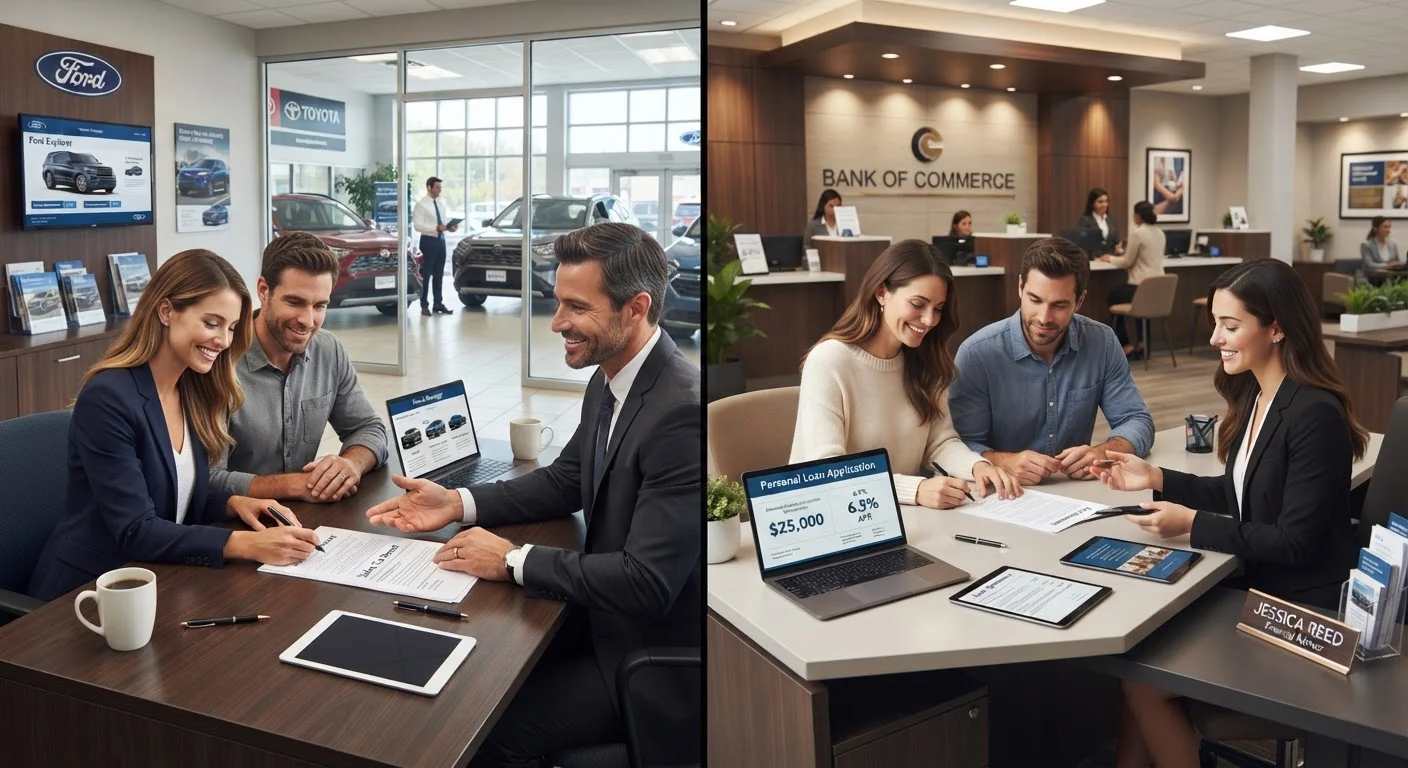
The cost of that convenience is real, though. Dealer prices typically reflect reconditioning costs, lot fees, and profit margin. Dealer add-ons - extended warranties, paint protection packages, and similar products - are often presented at signing and can significantly inflate the final price if you're not prepared. On the financing side, dealer-arranged loans may carry higher interest rates than what you'd secure independently, so it's worth reading our guide on financing through a dealership vs. your own bank before you sit down at the finance desk.
Comparing Both Options Side by Side
Here's how the two routes stack up across the factors that matter most to most buyers:
| Private Seller | Dealership | |
|---|---|---|
| Typical Price | Often below market value | Typically at or above market value |
| Warranty Coverage | None (as-is in most cases) | Varies; CPO programs available |
| Consumer Protections | Limited; varies by state | Regulated by state and federal law |
| Financing Options | Must arrange independently | On-site financing available |
| Paperwork Handling | Buyer manages title and transfer | Dealer handles most documentation |
| Trade-In Accepted | Rarely | Typically yes |
| Vehicle History Transparency | Varies; seller-disclosed | Disclosure required by Buyers Guide |
Price and protection are rarely found in equal measure across both routes. The table above illustrates that what you gain in cost savings from a private sale, you often give up in legal protection and transaction simplicity - and vice versa at a dealership.
For buyers who want more context on how to evaluate whether any deal - private or dealer - is genuinely good value, the framework in evaluating discounts objectively applies well beyond retail shopping.
How to Choose the Right Route for Your Situation
Before deciding, ask yourself three practical questions. First, how confident are you in assessing a vehicle's condition? If you can spot worn brake pads or read an OBD diagnostic code, a private sale may be manageable. If not, the inspection safety net that comes with a CPO purchase has real value.
Second, do you have financing lined up? Private sales typically require cash or pre-approved financing from a bank or credit union before you walk in. Dealerships arrange financing on-site, though as noted, it may not always be the most cost-effective option.
Third, how much time can you invest? Private-market shopping often requires more legwork - screening listings, arranging meetings, and handling paperwork - but can reward that effort with a lower price. If you're ready to negotiate effectively once you've chosen a route, approaches to negotiating a car price can help you walk in prepared.
Regardless of which route you take, always insist on a pre-purchase inspection from an independent mechanic - not one affiliated with the seller or dealership. It's a modest cost that can prevent a much larger one.