
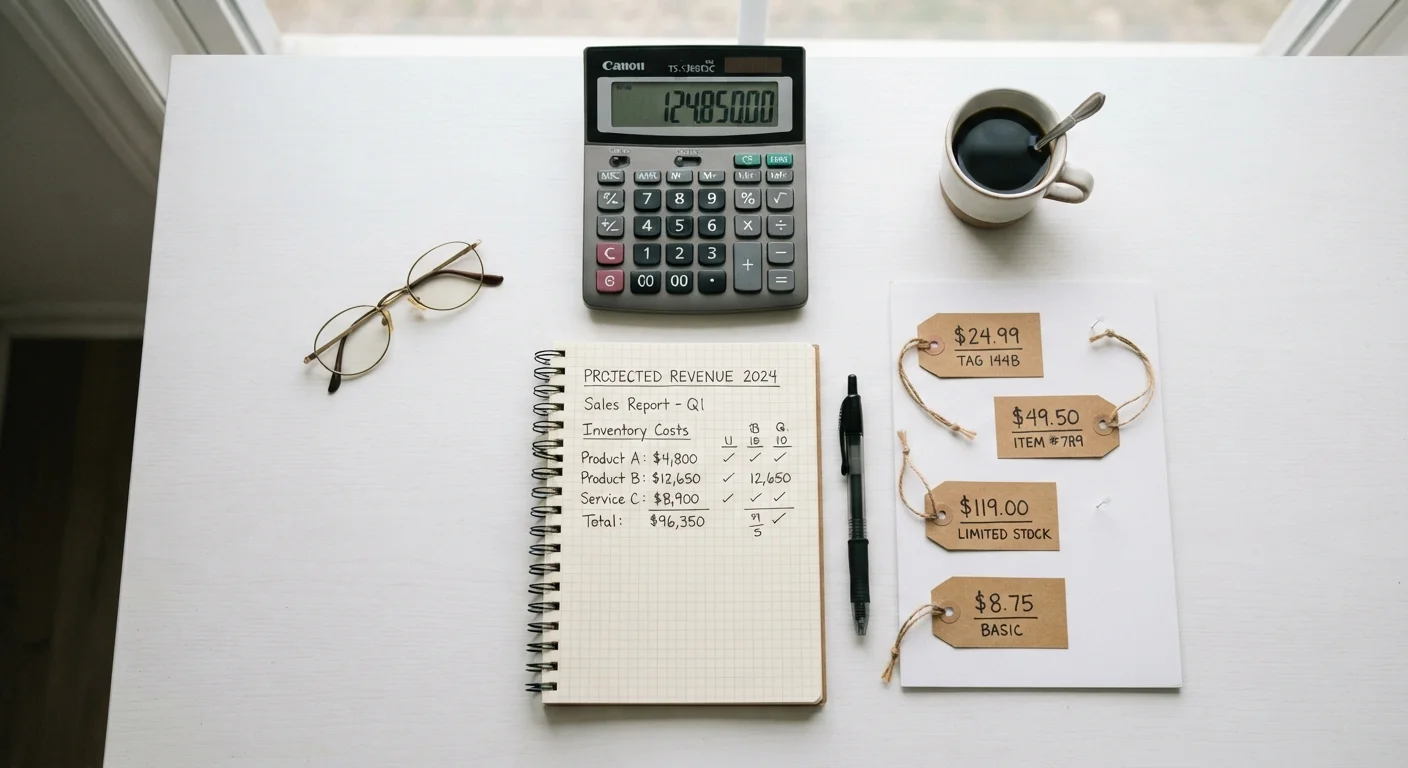
Why Most Shoppers Evaluate Deals Incorrectly
The human brain is wired to respond to loss aversion — the fear of missing out on a good price triggers the same psychological discomfort as losing money outright. Retailers understand this, and markdown pricing is partly designed to exploit it. That's not cynicism; it's a well-documented feature of how promotional pricing works.
The result is that most people evaluate deals by comparing a sale price to a reference price displayed next to it, without questioning whether that reference price was ever real. A structured, objective approach to evaluating discounts isn't about suspicion — it's about making sure the savings are genuine before you spend.
For guidance on building a longer-term habit of monitoring prices on major purchases, see how to build a price-tracking habit. This article focuses on the evaluation framework to apply at the moment of decision.
This Is General Financial Information
The guidance in this article is educational and intended to help you think more clearly about purchasing decisions. It is not personalized financial advice. For significant purchases or budget concerns specific to your situation, consider consulting a qualified financial professional.
The Core Practices for Objective Deal Evaluation
Cutting through promotional noise requires a consistent set of questions applied to every would-be deal, regardless of category. The practices below form a practical checklist you can run through before any significant purchase decision.
Verify the reference price before trusting any percentage-off claim.
Retailers are not required to base sale prices on prices that were ever widely charged. A "50% off" label means little if the original price was artificially inflated. Independent price history tools can show what an item actually sold for over time.
Calculate cost-per-use before committing to any marked-down item.
A low price on something you rarely use is still money leaving your wallet. Dividing the total cost by the realistic number of times you'll use it gives you a comparable metric across very different purchases.
Separate the discount decision from the purchase decision.
Urgency framing — countdown timers, "while supplies last" language, and flash sales — is designed to collapse your decision-making process into a single impulsive moment. Evaluating whether you want and need an item should happen before you consider whether the price is good.
Account for the full cost of ownership, not just the sticker price.
Acquisition price is one number in a longer financial equation. Shipping, installation, maintenance, consumables, and disposal costs all affect the real value of a deal. Ignoring them produces an incomplete picture.
Test whether a bundle offer increases or dilutes value for your situation.
Bundled pricing can obscure whether you're actually getting a discount, or simply being sold items you wouldn't have chosen individually. Value a bundle by pricing out only the components you genuinely want.
Match the purchase timing to your current cash flow, not just market timing.
Even a genuinely good deal can undermine your financial stability if it means stretching a budget or carrying interest-bearing debt. The best price on the market is still a poor decision if it creates short-term financial pressure.
These practices apply whether you're evaluating a clothing sale, a home goods markdown, or a vehicle offer. For car-specific decisions, the same logic holds — see common car-buying myths that cost shoppers money for context on how promotional framing works in that market specifically.
Three Things You Can Do Before Your Next Purchase
Knowing the framework is useful; applying it under real purchasing pressure is harder. These quick, concrete actions help you interrupt the impulse cycle before it completes.
The goal isn't to make buying slower or more stressful — it's to make the decision conscious. A deal you walk away from because it didn't hold up under scrutiny is not a lost opportunity; it's a small financial win. And understanding your broader budgeting basics will help you quickly gauge whether any purchase fits your cash flow before the urgency kicks in.
Putting It All Together
A genuinely good deal clears multiple bars: the original price was real, the item fits a documented need, the full cost of ownership holds up, and the purchase fits your current financial position without strain. Any deal that fails one of those tests deserves a second look, regardless of how the markdown is framed.
“The bitterness of poor quality remains long after the sweetness of low price is forgotten.”
— Benjamin Franklin, Founding Father and author of Poor Richard's Almanack
This framing applies as much to everyday purchases as to larger decisions. If you're evaluating a significant vehicle purchase, for instance, the same objective evaluation logic applies — and how you buy can affect the deal as much as what you pay. Private seller vs. dealership tradeoffs are worth understanding before stepping into any negotiation, and knowing how to negotiate a car price effectively can be just as important as spotting a good listing price.
This article is for general informational and educational purposes only and does not constitute personalized financial advice. Consult a qualified financial professional regarding decisions specific to your own circumstances.