How CPO Programs Actually Work
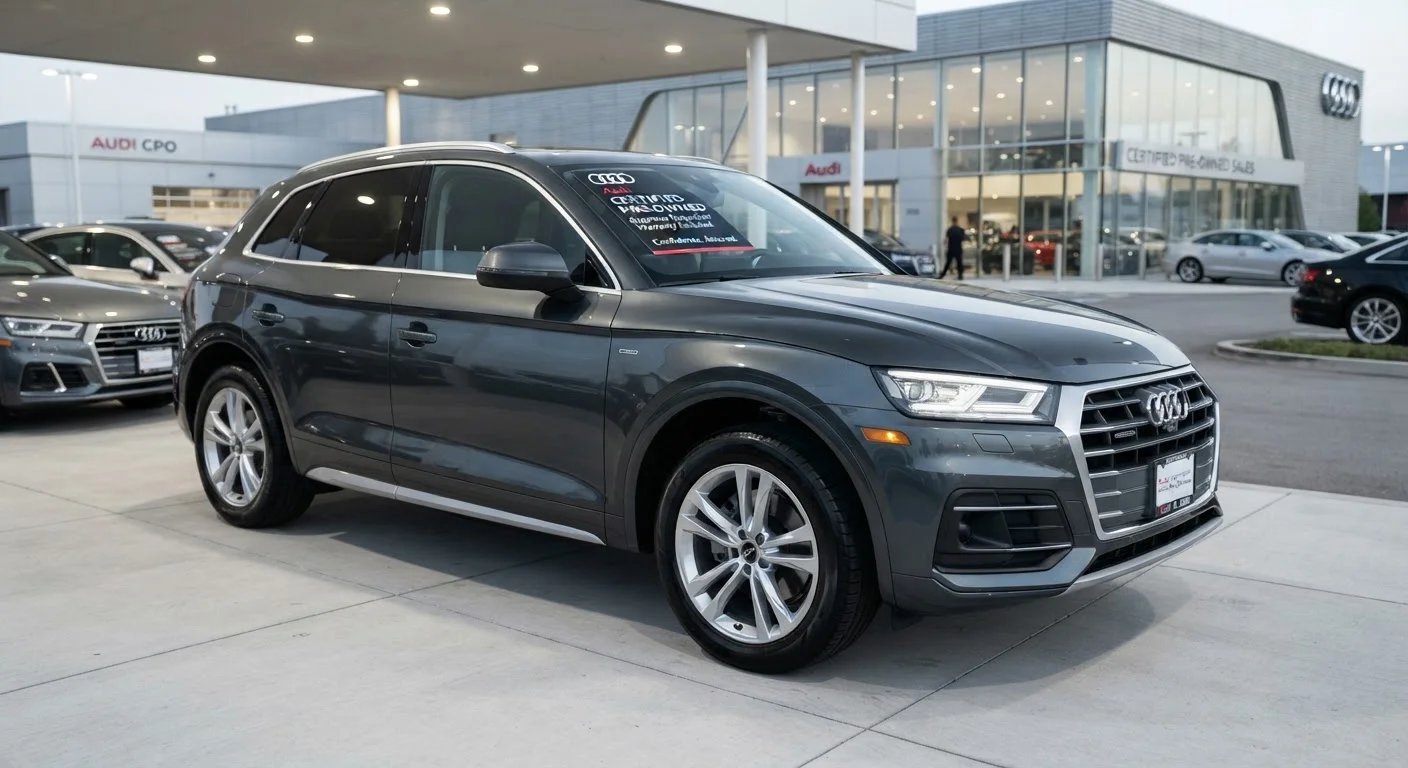
When an automaker runs a certified pre-owned program, it sets the rules: which vehicles qualify, what the inspection must cover, and what the warranty includes. Vehicles typically must fall within a specific age range (often up to five or six years old) and mileage cap (commonly under 80,000 miles), though exact thresholds vary by brand. Cars with salvage titles, significant structural damage, or certain accident histories are usually disqualified outright.
Once a vehicle passes the eligibility screen, a technician works through a multi-point inspection checklist - which can range from around 100 to over 200 items depending on the program. Points that fail must be repaired before the vehicle can be certified. The inspecting dealership then sells the car under the manufacturer's CPO banner, and the automaker backs the warranty.
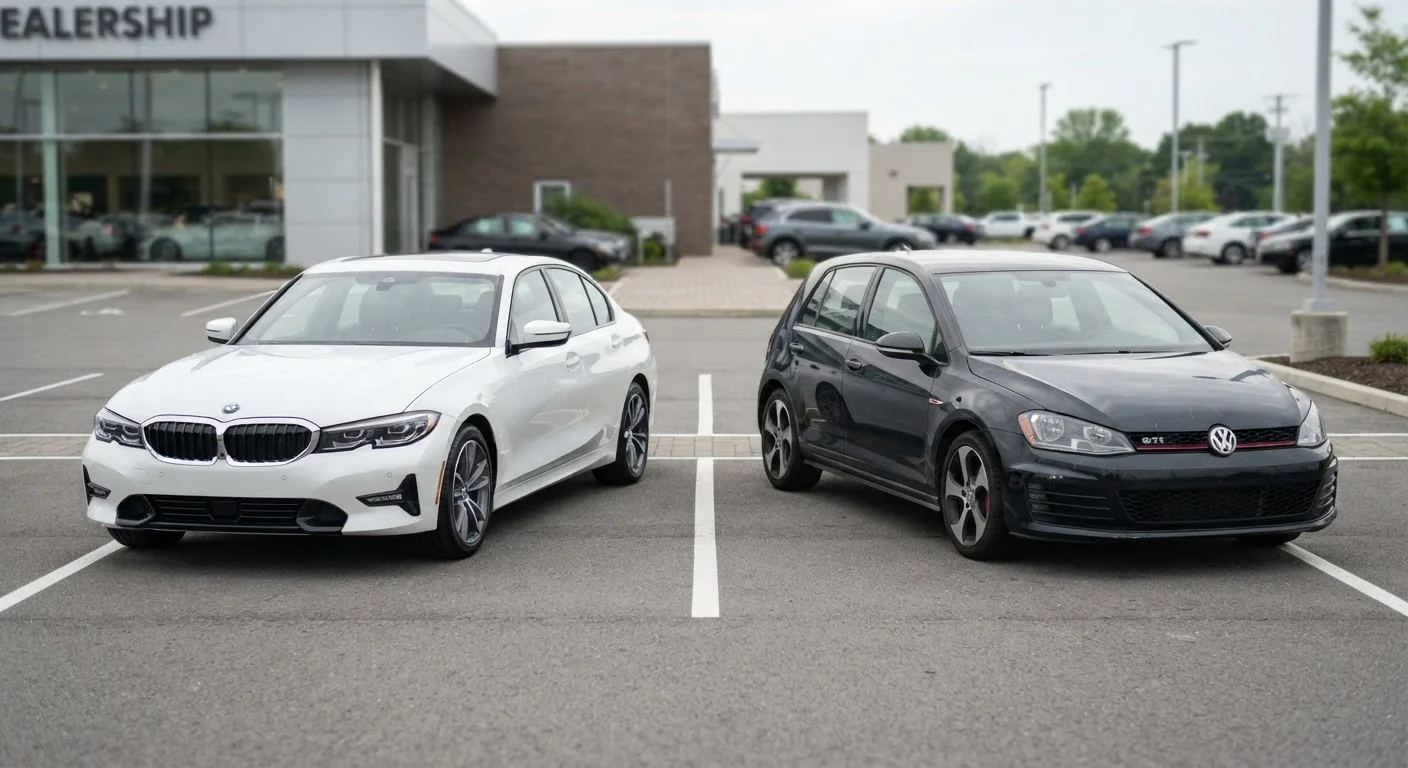
Dealer-certified programs operate differently. An independent or non-franchise dealer may market a vehicle as "dealer certified," but this simply means the dealership created its own standards - not that any manufacturer is involved. These programs have no external oversight and can vary dramatically in quality. See our glossary of car-buying terms for a quick breakdown of how these and other labels are commonly used at dealerships.
Manufacturer CPO vs. Dealer-Certified: A Key Distinction
Only programs run by the vehicle's manufacturer - and sold through authorized franchise dealerships - carry the automaker's backing. If you're buying from an independent lot or a non-franchise dealer, any "certification" is the dealer's own program, regardless of how it's marketed. When in doubt, ask directly whether the warranty is backed by the vehicle's manufacturer.
What CPO Coverage Typically Includes
Manufacturer CPO warranties generally cover powertrain components - the engine, transmission, and drivetrain - for an extended period beyond the original factory warranty. Many programs also include a more limited "bumper-to-bumper" or comprehensive component warranty that covers electrical systems, air conditioning, and other major mechanical parts for a shorter duration.
Additional perks are common: roadside assistance, trip interruption reimbursement, and in some cases, complimentary scheduled maintenance for a set period. Some programs also offer a short return window or exchange policy, though terms are highly specific.
100-200+
Inspection points in typical CPO checklists
The number of items evaluated during a CPO inspection varies widely by manufacturer program, with some luxury brands inspecting significantly more components than economy-segment programs.
~5-6 yrs
Typical maximum vehicle age for CPO eligibility
Most manufacturer CPO programs cap vehicle age at five to six model years, though exact thresholds differ by automaker and are subject to program changes.
~80,000 mi
Common mileage cap for CPO qualification
Many manufacturer CPO programs set an upper mileage limit in the range of 80,000 miles, though some programs set this threshold higher or lower.
The key word throughout is specific. What one manufacturer includes in its powertrain coverage may look very different from another's. Coverage periods, deductibles (if any), and which dealerships can perform warranty repairs all vary. Before purchase, ask for the actual warranty document - not just the brochure summary - and read it carefully.
What CPO Certification Does Not Cover
Understanding the exclusions is just as important as knowing what's included. Most CPO programs explicitly exclude:
- Normal wear items - brake pads, tires, wiper blades, and filters are typically not covered because they wear out through regular use.
- Cosmetic damage - scratches, dents, interior wear, and upholstery are generally outside the scope of mechanical warranties.
- Maintenance costs - oil changes, fluid top-offs, and scheduled service are usually the owner's responsibility unless specifically included as a perk.
- Aftermarket modifications - parts or systems that weren't original equipment may void coverage on related components.
- Pre-existing conditions - damage or failures that existed before certification but weren't caught during inspection may create disputes at claim time.
A CPO inspection also does not guarantee the vehicle has a clean history - it confirms it passed the program's checklist at that point in time. Reviewing a vehicle history report separately remains important. For a fuller picture of what a thorough mechanical review should include, see our guide on what a pre-purchase inspection should cover.
Always Request the Actual Warranty Document
Dealership brochures and sales staff summaries of CPO coverage are often incomplete. Before signing anything, ask for the full warranty contract in writing and review the exclusions section specifically. If a seller is unwilling to provide it, treat that as a red flag.
CPO vs. Standard Used Car: The Price Premium Question
CPO vehicles consistently command a higher price than comparable non-certified used cars. That premium reflects the inspection process, any repairs made to pass it, and the warranty coverage attached to the vehicle. Whether that premium makes financial sense depends on several factors: how comprehensive the warranty is, how long you plan to own the vehicle, and what the non-certified alternative would cost to insure and maintain.
For buyers weighing a CPO vehicle against buying new, the comparison is also worth thinking through carefully - depreciation, financing rates, and incentive availability can shift the math. Our article on new car vs. used car trade-offs walks through those considerations in detail.
It's also worth factoring in the total cost of ownership beyond the sticker price. Warranty coverage may offset some repair costs, but insurance, fuel economy, and long-term depreciation still apply. See our overview of total cost of ownership for a more complete framework.