Why a Pre-Purchase Inspection Matters
Buying a used vehicle without a mechanical inspection is one of the most common - and expensive - mistakes car shoppers make. A vehicle can look clean, drive reasonably well, and still carry hidden problems that cost thousands of dollars to repair within months of purchase.
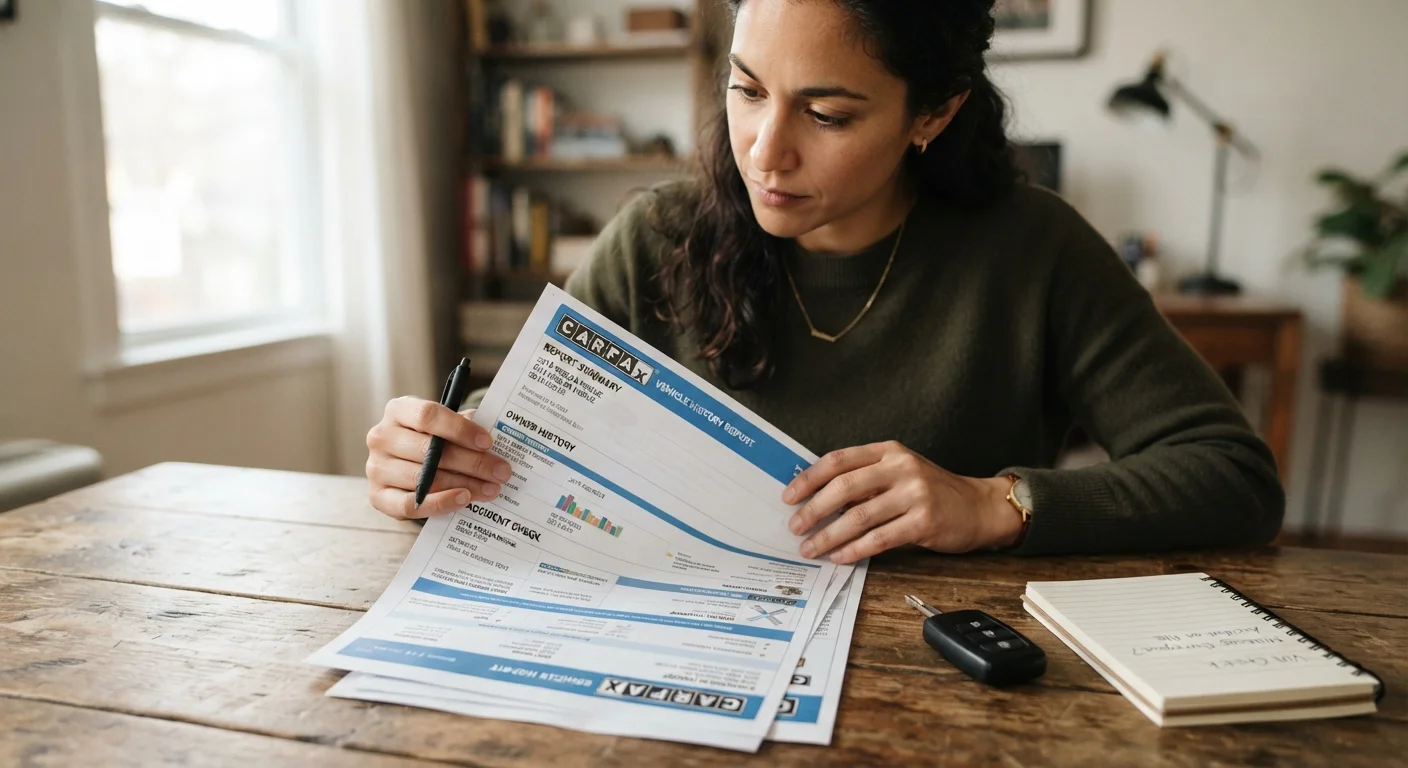
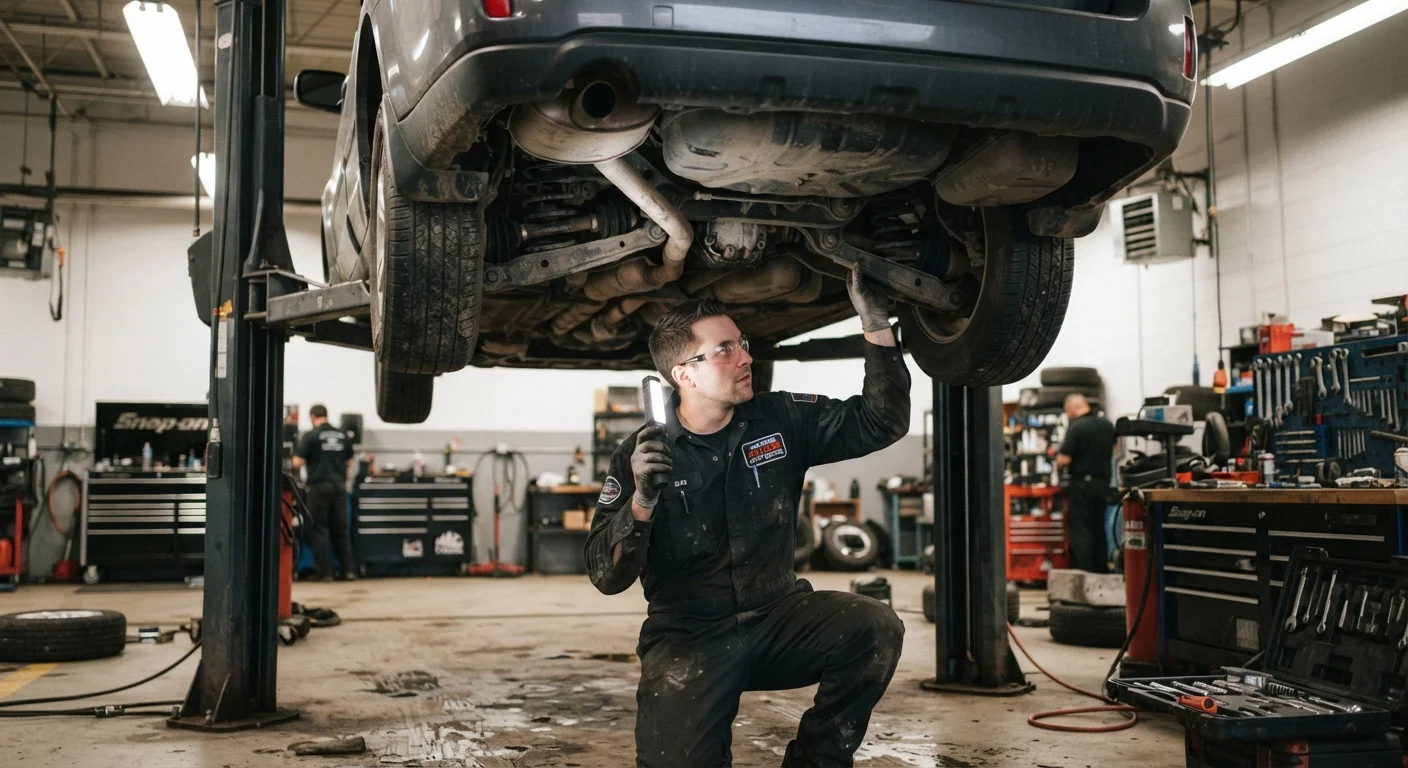
A pre-purchase inspection (PPI) is a systematic evaluation performed by a qualified mechanic before you commit to a sale. It surfaces issues the seller may not know about - or may be choosing not to disclose. When paired with a vehicle history report (see our guide on reading a vehicle history report), it gives you the most complete picture possible of what you're actually buying.
If you're still deciding between new and used, our overview of new car vs. used car trade-offs can help you frame that decision before you start shopping.
Hire an Inspector With No Seller Affiliation
Your inspector must be independent - not recommended by the dealership or private seller, and not employed by the same lot. Use a mechanic you've worked with before, or find a dedicated pre-purchase inspection service in your area. Conflicts of interest, even subtle ones, can compromise the objectivity of the findings.
What Tools You'll Need
Before the inspection begins, make sure the right resources are in place. You don't need to bring everything yourself - a good mechanic will have their own equipment - but knowing what's involved helps you verify the inspection was thorough.
Independent Mechanic or Inspection Service
Provides the professional expertise to perform a thorough mechanical inspection - ideally someone unaffiliated with the seller.
OBD-II Scanner
Reads stored and pending diagnostic fault codes from the vehicle's computer, revealing hidden issues not yet showing as warning lights.
Vehicle History Report
Documents title status, reported accidents, odometer readings, and service history to complement the physical inspection.
Flashlight or Inspection Light
Helps visually examine dark areas such as the engine bay, undercarriage, and interior crevices.
If you're considering a certified pre-owned vehicle and wonder whether an inspection is still necessary, our article on what CPO certification actually covers explains the gaps that independent inspections can still catch.
The Full Pre-Purchase Inspection Checklist
Work through each group systematically. If you're hiring a mechanic, share this list in advance so they understand the scope you expect. Most inspections take 30 to 60 minutes when performed on a lift with proper equipment.
Body & Structural Integrity
Engine & Drivetrain
Transmission & Driveline
Brakes & Suspension
Electrical & Safety Systems
Interior & Documentation
Don't Skip the Inspection to Close a Deal Faster
Sellers - whether private individuals or dealerships - may discourage an independent inspection by citing time pressure or expressing that it signals distrust. Treat any resistance to an inspection as a red flag. A legitimate seller should have no reason to object. Walking away from one deal is far less costly than inheriting a vehicle with undisclosed mechanical problems.
A History Report Is Not a Substitute for a Physical Inspection
Vehicle history reports only capture incidents that were formally reported - private repairs, unreported accidents, and flood damage often go unrecorded. Always pair a history report with a hands-on mechanical inspection by a qualified professional. Neither document alone tells the full story.
Using Inspection Results at the Negotiating Table
An inspection report is more than a pass/fail document - it's a negotiating tool. When a mechanic identifies worn brake pads, a leaking gasket, or tires that need immediate replacement, those repair estimates become documented leverage. You can present findings to the seller and request a price adjustment, ask them to complete repairs before the sale, or simply walk away if the issues are too significant.
First-time buyers in particular tend to skip this step or feel awkward requesting one - our piece on what first-time car buyers often overlook covers this and other gaps that catch new shoppers off guard.
Even if the inspection reveals no major problems, you'll benefit from knowing the vehicle's current maintenance needs. That information feeds directly into ongoing ownership costs and is a useful starting point for your car maintenance planning once the vehicle is yours.
This article is intended for general informational purposes. Vehicle conditions vary widely; always consult a qualified mechanic for professional assessment of any specific vehicle.