
What a Vehicle History Report Actually Contains
A vehicle history report aggregates data from multiple sources - state motor vehicle departments, insurance companies, collision repair shops, auto auctions, and inspection stations - and presents it as a timeline for a specific vehicle. The report is tied to the car's VIN, a unique 17-character identifier that functions like a fingerprint for the vehicle.
Common sections include title history, accident and damage records, odometer readings, ownership history, service events, and open recalls. Not every event in a car's life will appear; the report only captures what was formally reported to participating sources. Understanding this limitation is essential: a clean report is reassuring, but it is not a guarantee of a problem-free vehicle.
For a fuller picture of the buying process, see our complete car-buying walkthrough, which places the history report in the context of every other step. And if you're new to buying a car, our guide on what first-time buyers often overlook covers common gaps that can cost you money.
What you will need
How to Work Through the Report Step by Step
A vehicle history report can run several pages and feel dense at first. The most effective approach is to read it in a deliberate order - starting with the highest-stakes sections and working toward supporting detail - rather than scanning it top to bottom. Follow the steps below to work through each section methodically.
Locate and verify the VIN
Before pulling any report, confirm the VIN on the physical vehicle matches the number on the title, registration, and any paperwork the seller provides. The VIN is typically stamped on a small plate visible through the lower windshield on the driver's side, and also on the driver's door jamb sticker.
A mismatch between VINs on different parts of the car - or between the car and its paperwork - is a serious red flag that warrants immediate investigation.
Check the title history first
The title section tells you how ownership has changed hands and whether the vehicle carries any problem designations. Key title brands to watch for include:
- Salvage title: The vehicle was declared a total loss by an insurer. Rebuilt or repaired salvage vehicles carry ongoing risks and may be difficult to insure.
- Rebuilt/reconstructed title: A salvage vehicle that has been repaired and re-inspected. The vehicle may be roadworthy, but its history should prompt extra scrutiny.
- Lemon law buyback: The manufacturer repurchased the vehicle due to persistent defects.
- Flood or hail damage: Water damage in particular can cause long-term electrical and mechanical problems that aren't immediately visible.
A clean title with a single owner or two previous owners over a reasonable period is generally a positive sign.
Review the accident and damage history
This section logs reported incidents - collisions, airbag deployments, and structural damage - sourced from insurance claims and collision repair shops that report to the database. Note that not every accident makes it into a report; incidents repaired without an insurance claim may never appear.
When reviewing accidents, pay attention to:
- Whether damage was minor (cosmetic) or major (structural, frame, or airbag-related)
- How many separate incidents are listed
- Whether repairs appear to have been completed before subsequent entries
A single minor fender-bender that was properly repaired is far less concerning than multiple incidents involving structural damage. Always pair this section with a professional pre-purchase inspection to catch problems the report may not show.
Examine the odometer readings over time
Vehicle history reports log odometer readings each time the car is inspected, registered, or serviced at a reporting facility. Look for a consistent upward progression that aligns with the vehicle's age and reported use.
Watch for these warning signs:
- Odometer rollback: A reading that is lower than a previous recorded figure is a strong indicator of tampering - a serious legal and financial issue.
- Large unexplained gaps: Years with no recorded mileage may mean the car was driven heavily without any reporting events, or may suggest the vehicle was out of service.
Cross-reference the current odometer reading on the dash with the most recent figure in the report before making any decisions.
Review service and ownership records
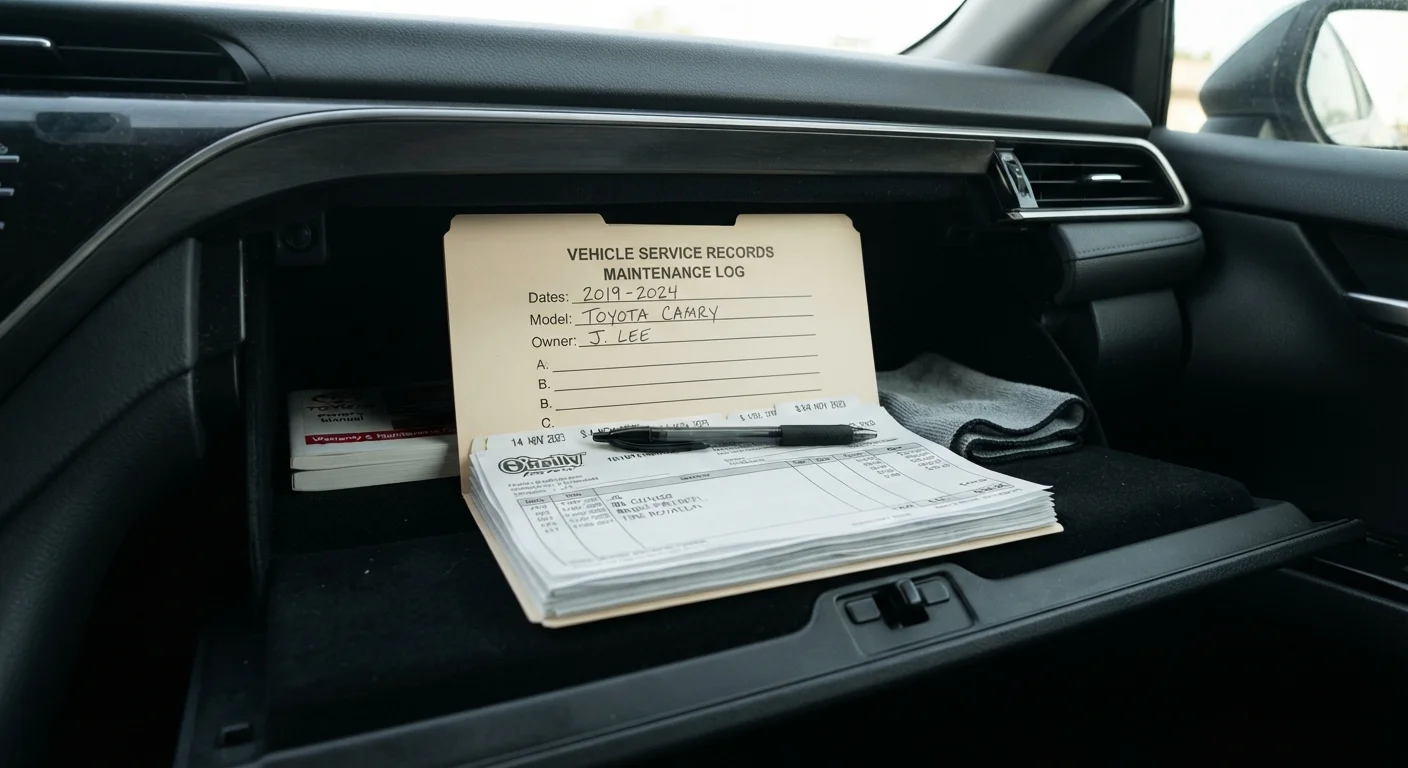
Many reports include a chronological log of service events reported by dealerships and repair shops. Regular maintenance entries - oil changes, scheduled services, inspections - suggest the car was looked after. Sparse or absent records don't automatically mean neglect, but they increase the importance of a thorough mechanical inspection.
Also count the number of previous owners and consider how long each held the vehicle. Frequent short-term ownership - multiple owners in rapid succession - can sometimes indicate recurring problems. As a complementary resource, understanding why service documentation matters helps you evaluate what a complete record should look like.
Look for open recalls
Some vehicle history reports flag open safety recalls - manufacturer-issued notices requiring free repairs at dealerships. An open recall doesn't automatically disqualify a vehicle, but it does mean the safety issue hasn't been addressed.
You can independently verify recall status for any US vehicle through the National Highway Traffic Safety Administration (NHTSA) website using the VIN. If a recall is open, confirm with the seller whether it will be resolved before purchase, or plan to arrange the recall repair yourself through a franchised dealership at no cost.
Run the Report Before You Visit
Pull the vehicle history report before arranging an in-person viewing or test drive. If the report reveals a salvage title, odometer discrepancy, or multiple major accidents, you can make an informed decision about whether to proceed at all - saving yourself time and travel. Sellers are generally required to disclose title brands, but having the report in hand lets you ask informed questions from the start.
What the Report Can't Tell You
Even a thorough vehicle history report has blind spots. Cash repairs, unreported accidents, and maintenance performed by private mechanics rarely appear in the data. The report also cannot assess current mechanical condition - it looks backward, not at the vehicle in front of you today.
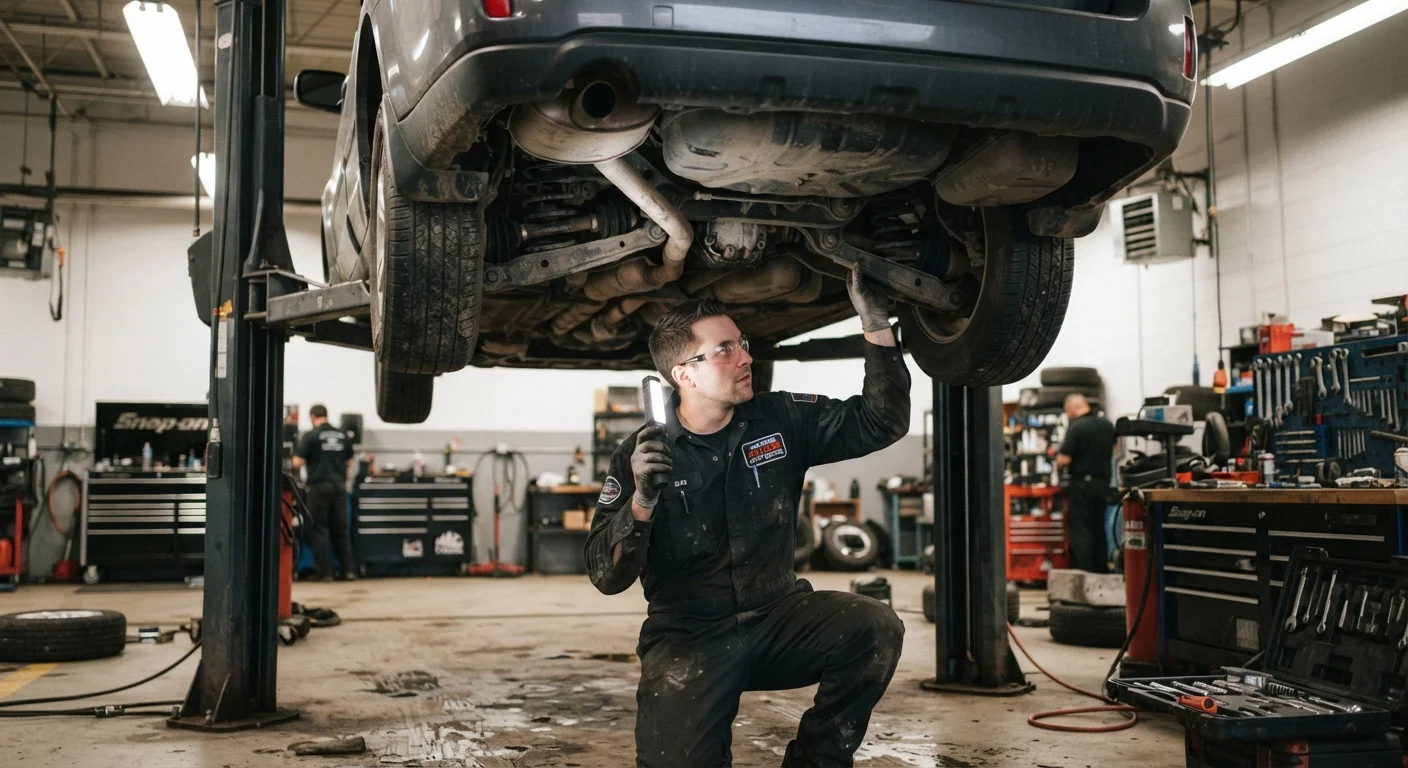
This is why the history report should always be paired with a hands-on mechanical inspection by a qualified, independent mechanic before you finalize any purchase. A pre-purchase inspection can reveal worn brakes, suspension issues, oil leaks, and other problems that no database will flag. It's one of the most cost-effective steps in the used-car buying process.
Think of the history report and the inspection as two complementary tools: one tells you what happened to the car, the other tells you where it stands now. Together, they give you the most complete picture possible before committing to a significant financial decision.
A Clean Report Is Not a Green Light
A vehicle history report with no accidents, a clean title, and consistent mileage is a positive sign - but it is not a substitute for professional judgment. Significant mechanical problems can exist in vehicles with spotless histories. Always budget for an independent pre-purchase inspection, particularly when buying from a private seller. Skipping this step is one of the most common and costly mistakes used-car buyers make.