Why First-Time Buyers Are at a Disadvantage
Buying your first car is one of the largest financial decisions most people make in their early adult years. The process looks straightforward from the outside - find a car, agree on a price, sign some papers - but the reality involves layers of terminology, negotiating dynamics, and paperwork that can overwhelm anyone walking in unprepared.
The good news: most of the costly mistakes first-time buyers make are entirely avoidable once you know where the traps tend to be. Before you visit a lot or browse listings, it's worth reviewing key car-buying terms so the language dealers use doesn't catch you off guard.
Focusing only on the monthly payment instead of the total cost of the loan.
Why it happens: Monthly payments feel manageable and concrete, while the full loan cost is abstract. Dealers sometimes extend loan terms to lower payments while increasing total interest paid.
Not getting pre-approved for financing before visiting a dealership.
Why it happens: Many buyers assume dealer financing is the only option or that it will automatically be competitive. Without a benchmark, there's no way to know whether the offered rate is fair.
Ignoring the true cost of ownership beyond the sticker price.
Why it happens: First-time buyers naturally focus on what they can see - the price tag. Insurance premiums, fuel costs, expected maintenance, and registration fees are easy to underestimate until the bills arrive.
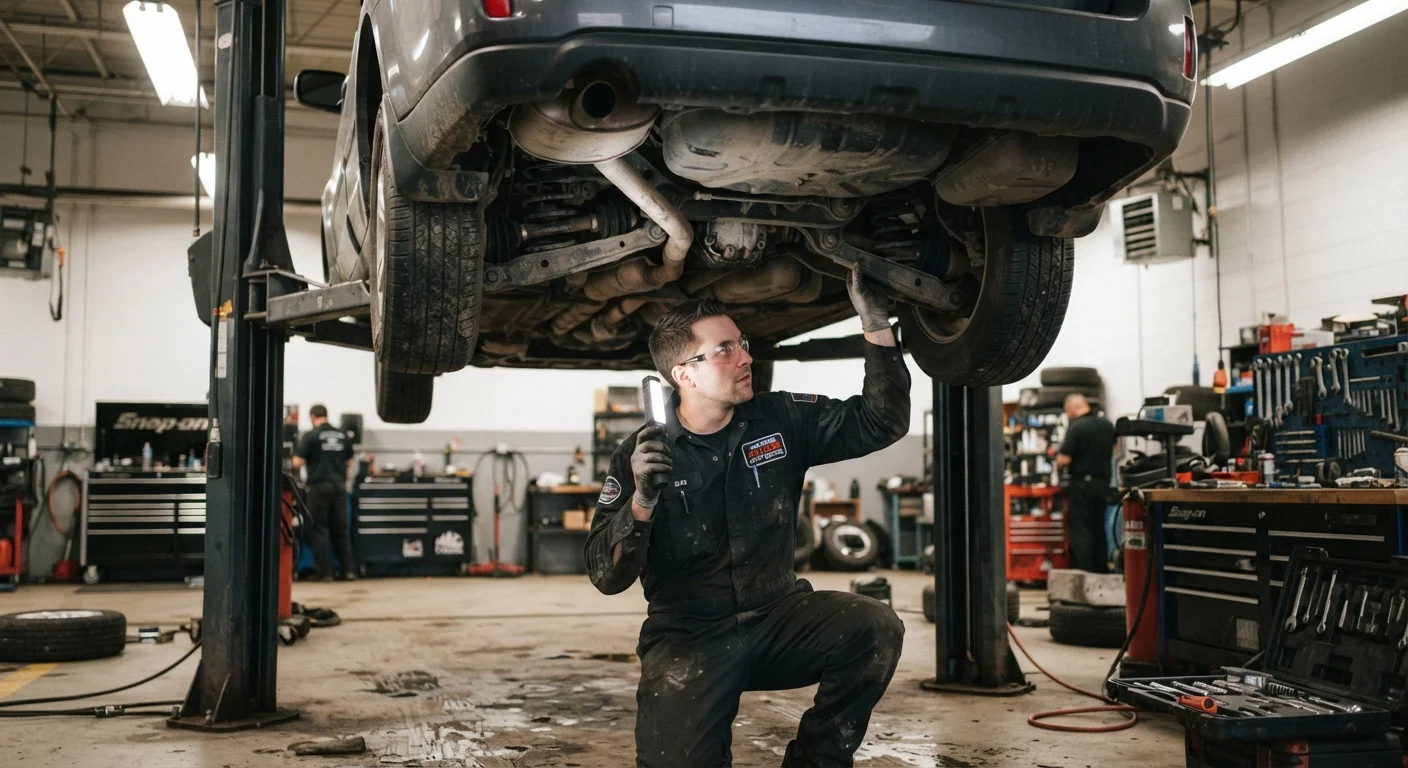
Skipping the pre-purchase inspection on a used vehicle.
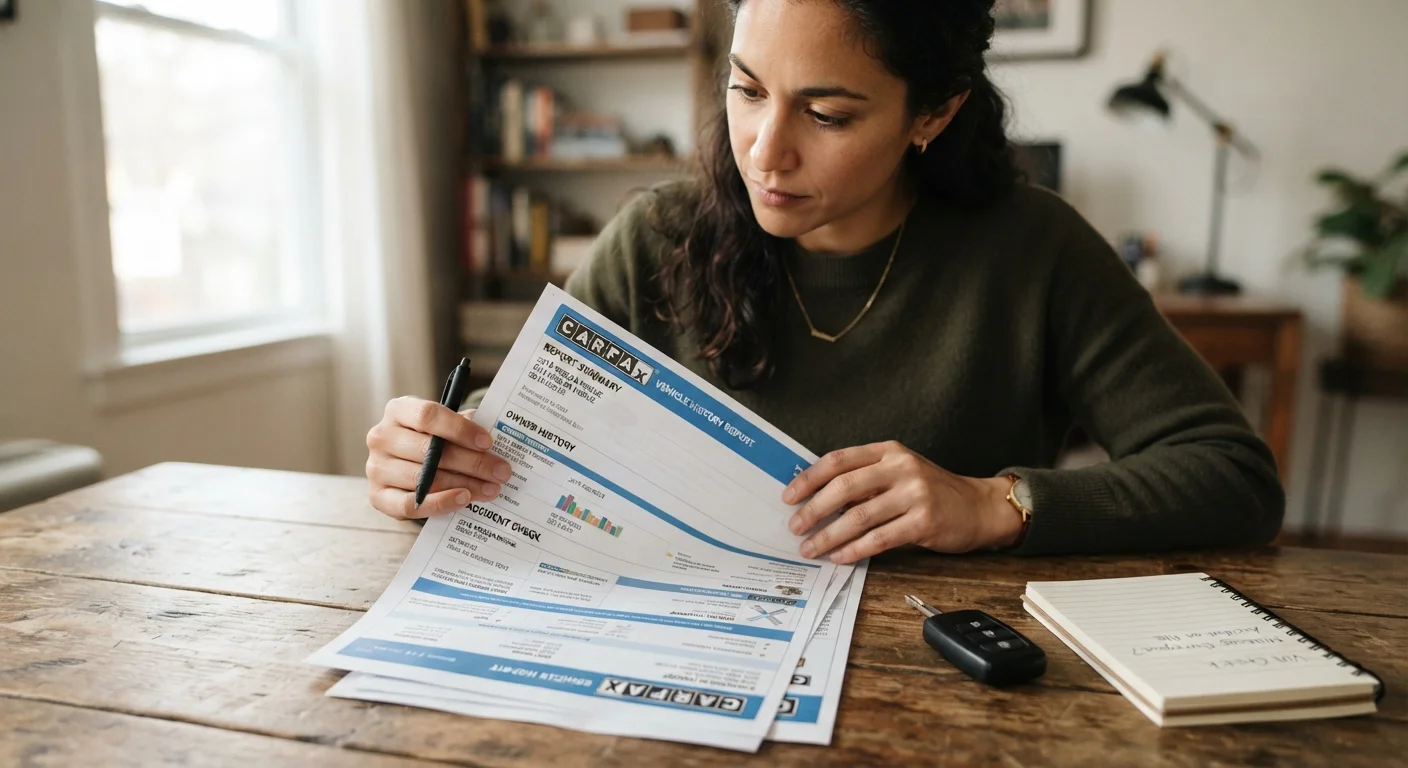
Why it happens: Buyers often trust a clean appearance, a good test drive, or a seller's assurances. Some feel uncomfortable asking for an inspection or assume it's unnecessary if the car has a vehicle history report.
Not reading the full contract before signing, including add-ons and fees.
Why it happens: Finance office paperwork can be lengthy and dense. After hours at a dealership, fatigue and social pressure can lead buyers to skim documents rather than review them carefully.
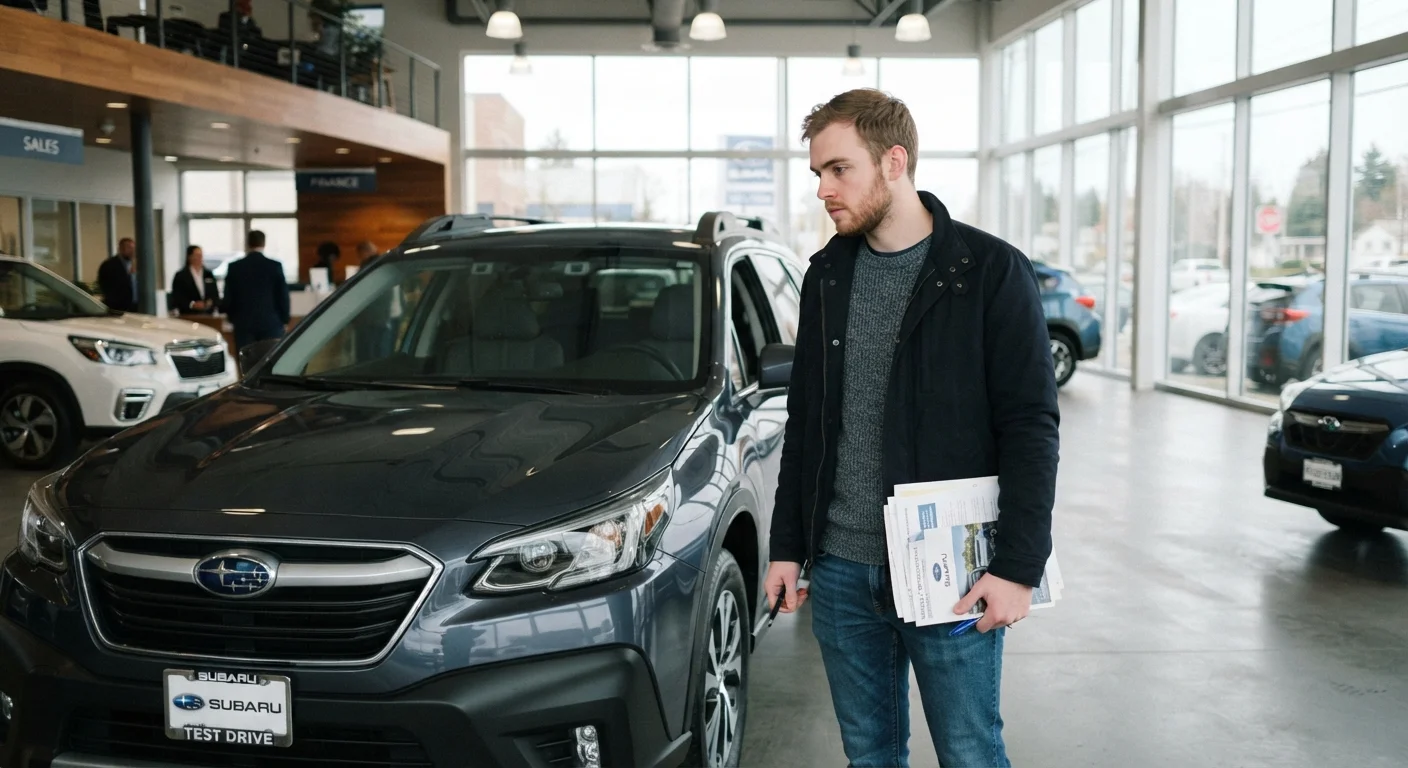
Making a purchase decision based on emotion rather than thorough research.
Why it happens: A test drive can create genuine excitement, and salespeople are trained to capitalize on enthusiasm. First-time buyers may not yet have a reliable internal framework for evaluating whether a deal is genuinely sound.
What to Do Before You Sign Anything
Once you've identified a vehicle you're serious about, slow down before committing. The pressure to act quickly - especially at a dealership - is real, but the financial consequences of rushing last far longer than any sales event.
~$1,000+
Typical dealer fees added at signing
Documentation, preparation, and miscellaneous dealer fees commonly add several hundred to over a thousand dollars to the final transaction price, according to consumer finance research.
43%
Buyers who regret their financing terms
A Cox Automotive consumer sentiment study found that a significant share of car buyers reported dissatisfaction with their financing terms after purchase, often citing insufficient comparison shopping.
For used vehicles, always request a pre-purchase inspection by an independent mechanic. This isn't the same as a dealer's inspection. Our detailed breakdown of what a pre-purchase inspection should cover explains what a thorough third-party check typically includes and why it's worth the cost. Similarly, reviewing a vehicle history report can reveal accidents, title issues, and service gaps - see our guide on reading a vehicle history report for how to interpret the key sections.
Certified Pre-Owned Is Not Risk-Free
A CPO designation signals that a vehicle has met a manufacturer's inspection standards, but coverage details vary significantly between brands and programs. Not all CPO warranties cover the same components, and some exclusions can be substantial. Before assuming a CPO vehicle needs no further scrutiny, review what a CPO label actually covers so you understand exactly what protection you're receiving.
After purchase, the learning curve continues. Car maintenance habits for new drivers can help you protect your investment from day one.