
Set Your Budget Before You Shop
The single most protective step in any car purchase is establishing a realistic budget before you start browsing. That means looking at your total financial picture - not just a monthly payment figure. A low monthly payment spread across a long loan term can mean paying thousands more in interest overall.
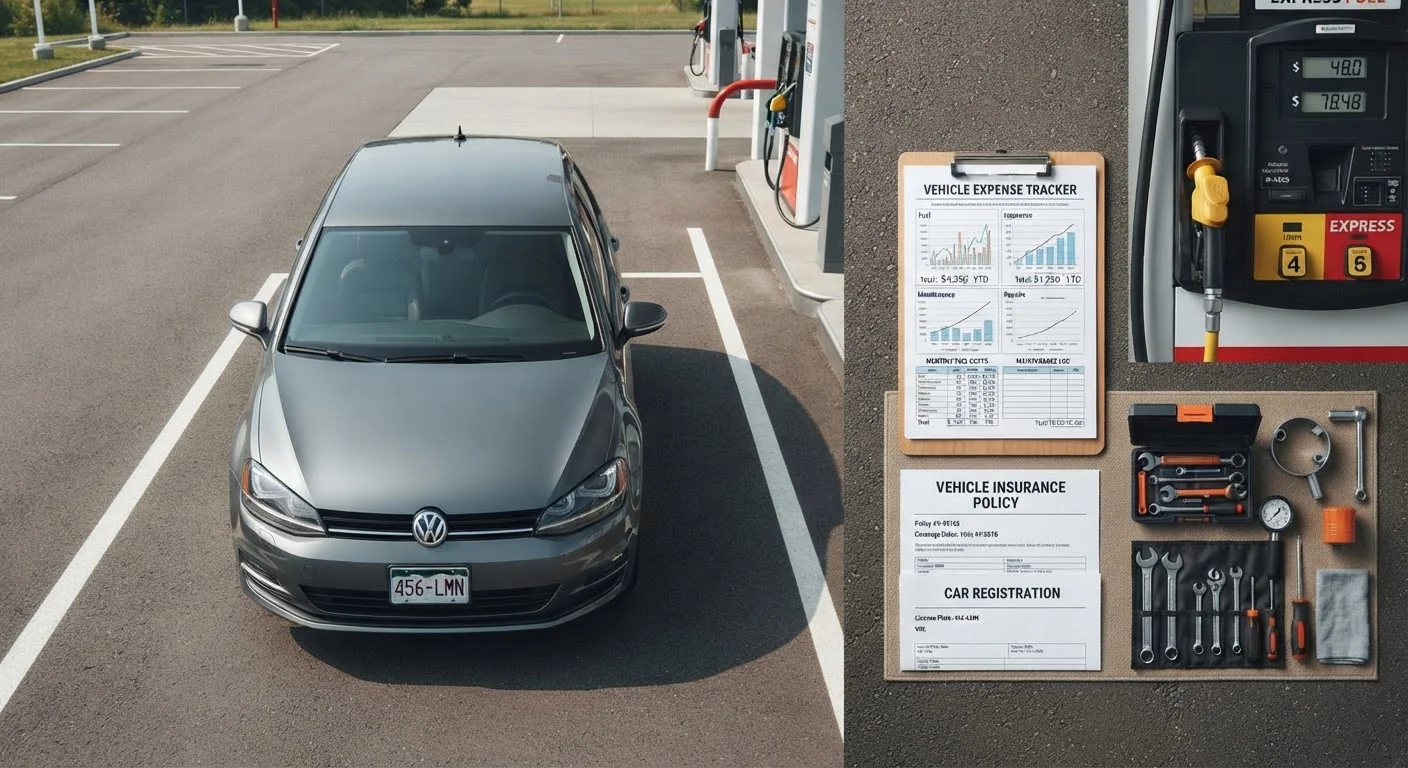
A common guideline suggests keeping total monthly vehicle costs (loan payment, insurance, fuel, and maintenance) under 15-20% of your take-home pay, though your own financial situation should guide that figure. If you need help building a foundation, reviewing budgeting basics is a useful starting point.
Decide early whether you'll pay cash, finance, or lease - and set a firm ceiling on the total price you're willing to pay, not just the monthly number. That ceiling keeps negotiation conversations anchored to what actually matters.
Use the Out-the-Door Number as Your Anchor
Always ask any dealership or private seller for an out-the-door price - the complete total including taxes and fees - before discussing monthly payments. This single habit keeps negotiations focused on actual cost and prevents payment-stretching tactics from obscuring what you're really spending.
Research Vehicles and Narrow Your Options
Once you have a budget, identify which vehicle types realistically fit it. Consider how you'll primarily use the car - commuting, hauling cargo, family trips, or mixed use - and let that guide your category choice before you get attached to a specific model.
Look up reliability ratings and owner reviews from sources like J.D. Power or Consumer Reports. Factor in total cost of ownership - insurance rates, fuel economy, and typical maintenance costs vary significantly by model. A vehicle that seems affordable at purchase may cost considerably more to run.
Narrow to two or three candidates so your dealership visits stay focused and comparative rather than exploratory. First-time buyers often skip this step and end up deciding under pressure on the lot.
MSRP
Manufacturer's Suggested Retail Price - the price the automaker recommends the car be sold at. It's a starting point for negotiation, not a fixed price.
Invoice price
The amount the dealer paid the manufacturer for the vehicle. Knowing this helps you understand how much margin exists for negotiation.
APR
Annual Percentage Rate - the yearly cost of borrowing money, expressed as a percentage. A lower APR means less interest paid over the life of the loan.
Out-the-door price
The true total you'll pay for a vehicle, including the negotiated price, taxes, registration fees, and any dealer charges. This is the number that matters most.
Pre-purchase inspection
An independent mechanical evaluation of a used vehicle performed by a mechanic you choose - not the seller's - before you commit to buying.
Gap insurance
Coverage that pays the difference between what you owe on your car loan and what the car is actually worth if it's totaled or stolen. Useful when you owe more than the car's current value.
Understand Financing Before You Walk In
Financing is where many buyers unknowingly overpay. Before visiting any dealership, apply for pre-approval through your bank or a credit union. This gives you a concrete interest rate offer you can compare against dealer financing - and removes the uncertainty that makes finance office conversations stressful.
Your credit score significantly influences the rate you qualify for. If your score has room for improvement, addressing that before applying can meaningfully reduce your interest costs. Be familiar with terms like APR (annual percentage rate), loan term, and how down payment size affects the total interest paid. Our car-buying glossary covers the full range of terms you'll encounter.
Evaluate and Test Drive Your Candidates
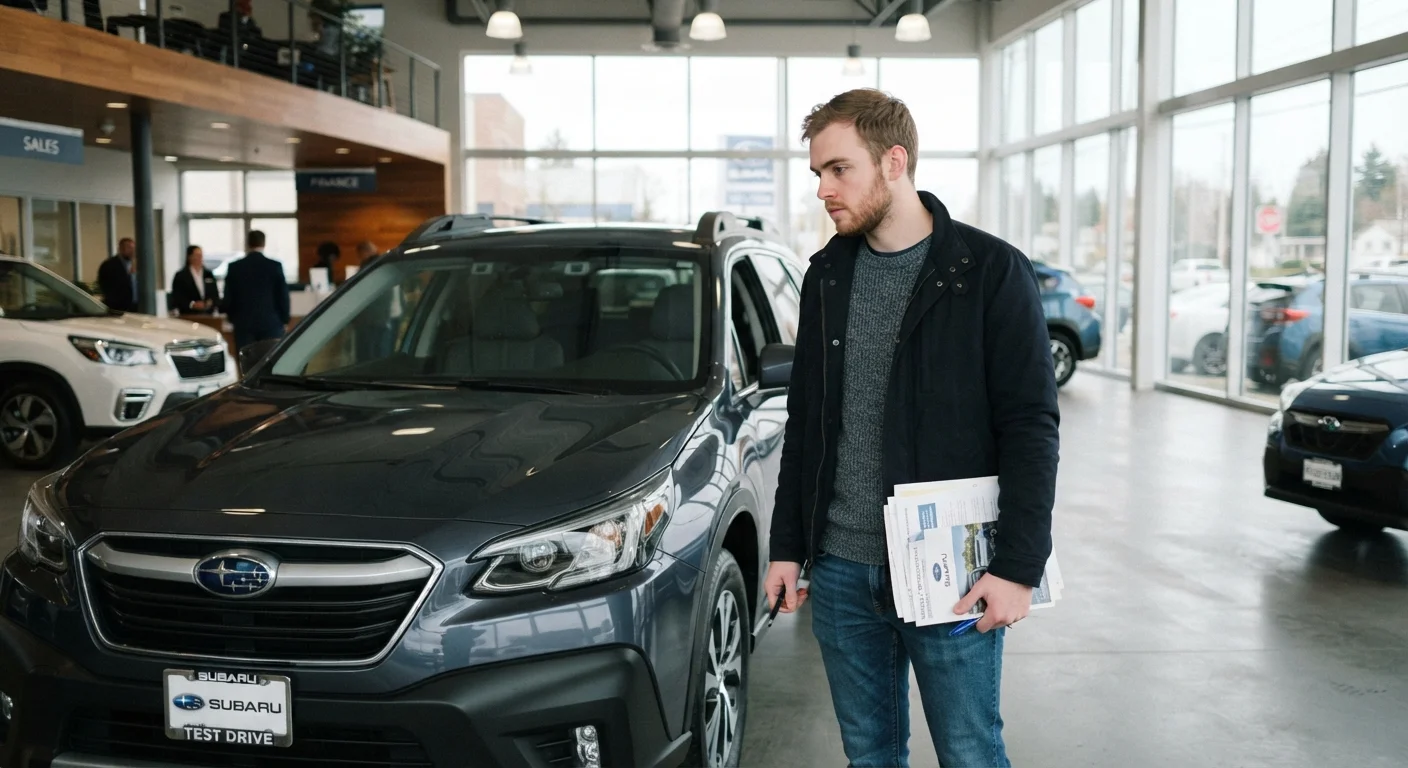
A test drive reveals things no spec sheet can - road noise, visibility, seat comfort, and how the car actually feels in conditions you'll drive every day. Plan a route that includes highway speeds, city stops, and ideally a parking situation that reflects your normal use.
For used vehicles, request a full vehicle history report and - critically - arrange an independent pre-purchase inspection by a mechanic you trust. This step costs a modest fee but can surface hidden problems that could run into thousands of dollars. Don't skip it based on a seller's assurances.
Never Skip the Independent Inspection
A seller's assurances, a clean appearance, or even a vehicle history report cannot replace a hands-on mechanical inspection. Problems with brakes, transmission, hidden rust, or prior accident damage may not appear in documentation but can be identified by a qualified mechanic. Budget for this step - it's one of the most cost-effective precautions you can take.
Negotiate the Price and Review the Deal
Effective negotiation starts with knowing the market. Research what similar vehicles are actually selling for in your area, not just the sticker price. Focus negotiation on the out-the-door price - the total you'll pay including all fees - rather than the monthly payment, which can be manipulated by extending the loan term.
Many buyers accept dealer add-ons in the finance office without realizing they're optional. Products like paint sealant, fabric protection, and extended warranties are frequently available elsewhere for less, or may not be worth the cost at all. Common myths about negotiation can cost shoppers real money if taken at face value. For a deeper look at practical tactics, see our guide on negotiating a car price.
Sign the Paperwork and Drive Away Informed
Before signing anything, read every document - not just the signature lines. Verify that the purchase price, interest rate, loan term, and any agreed-upon inclusions match exactly what was discussed. Verbal agreements made on the lot rarely carry weight once you've signed a contract.
Once you take delivery, keep your sales contract and all supporting documents in a safe place. Register your warranty (if applicable), set up your first insurance payment, and schedule your first maintenance check according to the manufacturer's guidelines. Staying on top of car maintenance from day one protects your investment and helps avoid larger repair costs later.
Buying a car is one of the larger financial decisions most households make. Going in prepared - with a clear budget, financing knowledge, and a willingness to walk away if something doesn't add up - puts you in a far stronger position than most buyers who walk through a dealership door.