The Core Difference: Ownership vs. Access
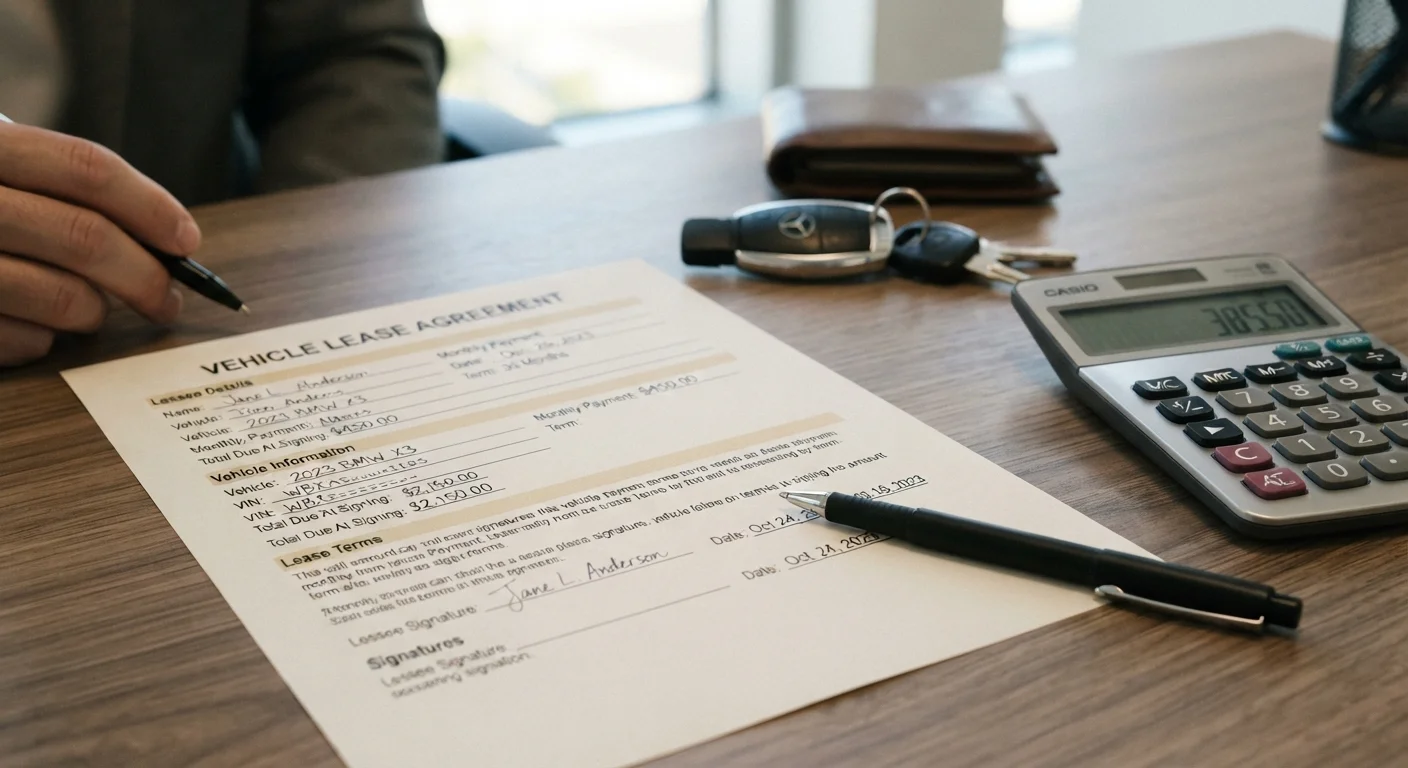
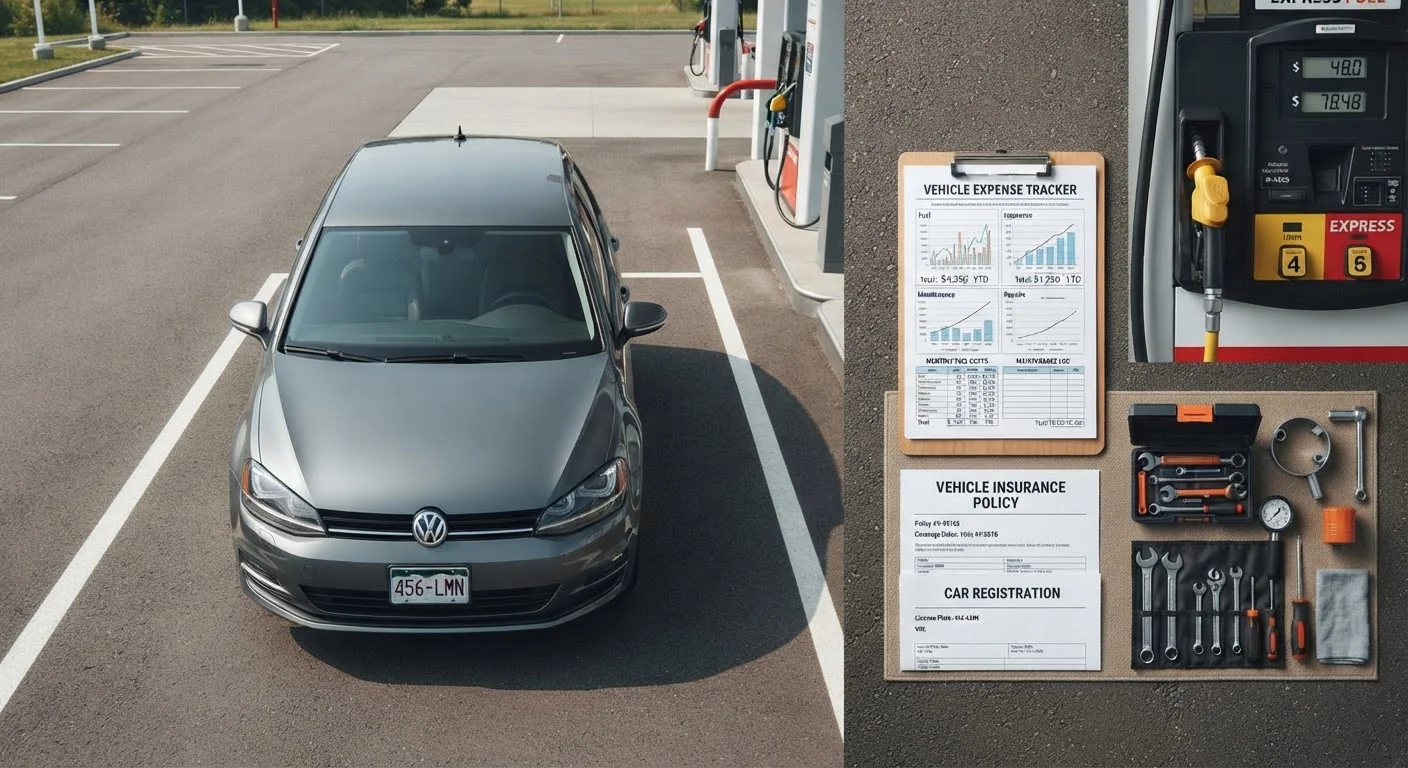
When you buy a car - whether with cash or through a loan - you own the vehicle outright once the loan is paid off. That asset is yours to keep, sell, or trade in. When you lease, you're paying for the right to use a vehicle for a set term, typically two to four years, after which you return it to the dealer. You never hold title to a leased vehicle unless you purchase it at the end of the term.
This fundamental distinction shapes almost every financial comparison between the two options. Understanding how lease terms work - including residual values and money factors - can help you read the fine print before committing.
Builds equity and long-term asset value
Each loan payment moves you closer to outright ownership, and the vehicle retains resale or trade-in value you can apply to a future purchase.
No mileage restrictions or penalties
Owners can drive as many miles as needed without facing per-mile surcharges, making buying more practical for high-mileage drivers.
Full flexibility to sell, modify, or keep
You can sell the vehicle at any time, customize it to your preferences, or simply keep driving it once the loan is paid off - all without contractual limitations.
Lower long-term cost for those who keep vehicles
After the loan is paid off, ongoing costs drop significantly. Drivers who hold a vehicle for eight or more years typically spend less overall than serial lessees.
Lower monthly payments than a loan
Lease payments are calculated on the vehicle's depreciation during the lease term, not its full price, which often results in meaningfully lower monthly obligations.
Warranty coverage typically aligns with lease term
Most leases are structured within the manufacturer's warranty window, reducing the likelihood of facing major out-of-pocket repair costs during the lease.
Regular access to newer vehicles and technology
Lessees can upgrade every two to four years, keeping up with advances in safety features, fuel efficiency, and infotainment systems.
Where Leasing Can Make Sense
Leasing tends to attract drivers who want a predictable monthly expense with minimal maintenance surprises. Because lease terms often align with a manufacturer's warranty period, most mechanical repairs are covered. You also drive a newer vehicle more frequently, which typically means access to current safety technology and fuel efficiency improvements.
Monthly lease payments are generally lower than loan payments for the same vehicle, since you're only financing the depreciation during the lease term rather than the full purchase price. However, it's worth noting that this apparent savings doesn't build any equity - once the lease ends, you start over.
No equity built - payments don't accumulate value
Every lease payment goes toward usage, not ownership. At term-end, you have no asset to sell or trade, and you must begin a new payment cycle.
Mileage caps can be costly for heavy drivers
Exceeding the contracted mileage allowance typically triggers fees of $0.15 to $0.30 per mile or more, which can add a substantial bill at lease-end.
Early termination penalties can be severe
Life circumstances change, but exiting a lease before its end date often involves fees equivalent to the remaining payments - eliminating the flexibility many drivers expect.
Wear-and-tear standards can surprise lessees
Dealers may charge for minor dings, interior wear, or tire condition at return that a typical owner would consider normal use. These charges can run into hundreds of dollars.
Higher short-term cost and down payment required
Purchasing a vehicle typically requires a larger upfront payment and results in higher monthly loan installments compared to a lease on the same vehicle.
Depreciation risk falls on the buyer
Vehicles lose value over time, and that lost value is absorbed by the owner. A vehicle that depreciates faster than expected reduces the equity you can recover at resale.
Maintenance responsibility shifts entirely to owner
Once the warranty expires, all repair and maintenance costs are the owner's responsibility - an important planning consideration for higher-mileage or older vehicles.
The Long-Term Financial Picture
Over a 10-year horizon, buying a car and driving it well past its loan payoff date is typically less expensive than cycling through leases. Once a loan is paid off, you eliminate that monthly obligation entirely - a meaningful shift in your monthly cash flow. A leased vehicle always carries a payment.
~$200-$300
Typical monthly savings leasing vs. buying
Industry analyses have generally found lease payments run meaningfully lower than comparable loan payments, though the exact gap varies by vehicle and term.
49%
Share of new-vehicle value lost in first 3 years
Vehicles typically lose close to half their value within the first three years of ownership, according to automotive depreciation studies - a key factor in both buying and leasing decisions.
Depreciation - the loss in value a vehicle experiences over time - works differently for each option. Buyers absorb depreciation as owners, but they also retain the remaining value when they sell. Lessees are insulated from the risk of a vehicle losing value faster than expected, since they simply return the car. For a broader look at long-term vehicle costs, see our guide on total cost of ownership.
Mileage, Flexibility, and Hidden Costs
Leases typically cap annual mileage between 10,000 and 15,000 miles. Exceeding that limit triggers per-mile overage fees that can add hundreds or thousands of dollars at lease-end. Drivers who commute long distances, take frequent road trips, or simply use their vehicle heavily are often better served by buying.
Flexibility is another consideration. Owners can sell whenever they choose, modify their vehicle, or simply keep driving it with no contractual obligation. Breaking a lease early, by contrast, often involves significant early termination penalties. Before you sign anything, it helps to separate fact from myth - our piece on car-buying myths that cost shoppers money covers common misconceptions that affect both buyers and lessees.
Lease-End Purchase Option: Worth Evaluating
Most leases include a predetermined buyout price - the amount you can pay to purchase the vehicle at term-end. If the vehicle has held its value better than the residual estimate predicted, buying it out can sometimes be financially advantageous. Compare the buyout price against current market values before deciding. A qualified financial adviser can help you assess whether this makes sense for your situation.
Making the Decision That Fits Your Life
There is no universal right answer - the better option depends on how you use your vehicle, how important monthly cash flow is to you, and whether ownership itself has practical or psychological value. Ask yourself how many miles you drive annually, how long you tend to keep vehicles, and whether you prefer predictability or long-term asset building.
If you're also weighing whether to buy new or used, comparing new and used vehicles is a useful next step. And if financing is part of the picture, understanding dealership vs. bank financing can help you avoid overpaying on interest regardless of which path you choose.
This article is for general informational purposes only and does not constitute financial or legal advice. Consult a qualified financial professional for guidance tailored to your personal situation.