More Than a Budget Strategy
Most people discover off-season travel through a price alert. They notice a flight to Lisbon in January costs a fraction of the July equivalent, book it, and arrive expecting a discounted version of the same trip. What they often find instead is something fundamentally different—a slower pace, emptier streets, and a city that feels like it belongs to its residents rather than its visitors.
That shift in atmosphere is arguably the stronger case for traveling outside peak periods. The financial savings are real and meaningful, but they're the byproduct of a timing decision that also happens to change how a destination presents itself. Understanding both the rewards and the genuine limitations of off-season travel helps you decide whether the trade-off suits your priorities. For a broader look at how timing fits into your overall trip strategy, the end-to-end budget travel planning framework covers the full picture.
The Real Advantages of Traveling Off-Peak
The benefits of off-season travel go well beyond the price tag. Here's what travelers consistently report gaining when they step outside the peak window:
Lower accommodation and flight costs
Prices for flights and hotels often drop considerably outside peak demand periods, though the actual difference varies by destination and how far in advance you book. This can free up budget for experiences rather than logistics.
Fewer crowds at major attractions
Popular sites that are genuinely overcrowded in peak season — museums, historic districts, viewpoints — become far more accessible. This affects the quality of the visit, not just wait times.
More authentic local atmosphere
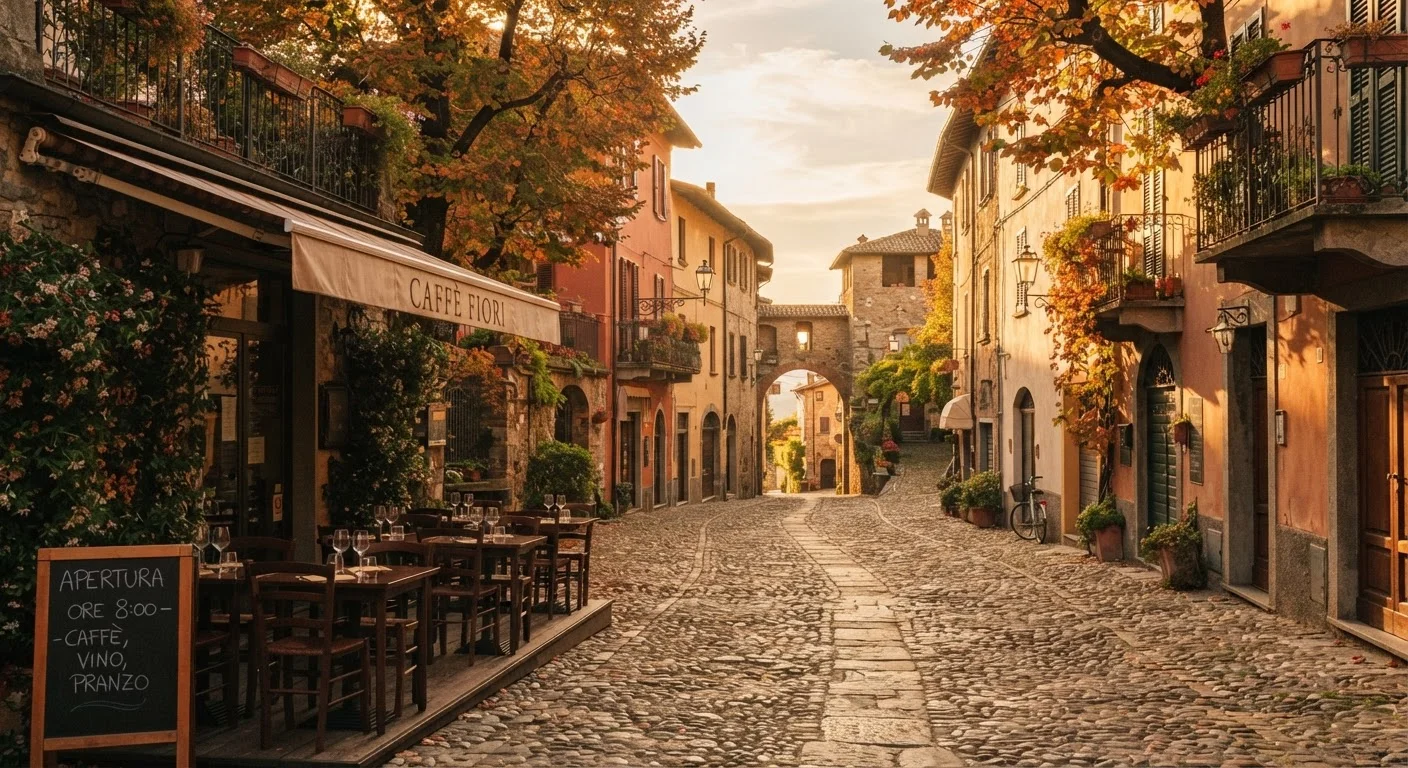
When tourist numbers drop, a destination tends to revert to its everyday rhythms. Restaurants serve locals, not just visitors, and interactions with residents feel more natural and less transactional.
Easier and more flexible booking
Popular hotels, tours, and restaurants that require weeks of advance planning in peak season are often available with short notice during quieter periods, supporting a more spontaneous approach to the trip.
Unique seasonal scenery or events
Some destinations have compelling off-season features — winter markets, spring blooms, cultural festivals — that peak-season travelers never see. These can become the defining memory of a trip.
It's also worth noting that off-season timing pairs naturally with a more relaxed, unscripted approach to planning. When a museum isn't booked out weeks in advance and the hotel lobby isn't packed, you have room to be spontaneous—something that rigid itinerary planning can actually undermine.
The Trade-Offs You Should Expect
Off-season travel isn't a straightforward upgrade. Specific trade-offs are consistent enough that travelers should treat them as built-in features of the timing, not unfortunate surprises.
Reduced operating hours or closures
Seasonal businesses — restaurants, tour operators, smaller museums — often close or scale back hours significantly during off-peak months. This is particularly pronounced in resort and coastal destinations.
Less predictable or favorable weather
Off-season timing frequently coincides with a destination's rainier, colder, or hotter months. While manageable with preparation, weather can limit outdoor activities and affect the overall experience.
Fewer direct transport options
Airlines and regional transit operators often cut routes or frequency during off-peak periods, meaning longer journeys, more connections, and less scheduling flexibility. This can partially offset ticket savings.
Some attractions may be inaccessible
Natural sites such as mountain trails, beach areas, or wildlife zones may be closed for safety or seasonal reasons. Verifying access for specific sites before booking is essential.
Quieter atmosphere isn't for everyone
Travelers seeking a lively social scene, packed beach bars, or the energy of a destination at full capacity may find off-season travel feels flat. The trade-off of quiet for crowds is only a benefit if quiet is what you want.
Shoulder Season May Be the Better Middle Ground
If the trade-offs of deep off-season feel too steep, shoulder season — the weeks just before or after peak — often delivers many of the same benefits with fewer downsides. Crowds thin out, prices moderate, and most businesses remain fully operational. It's a meaningful alternative worth comparing before committing to either extreme.
The reduced-service reality hits hardest in smaller or more seasonal destinations. A coastal resort town in the Mediterranean might have half its restaurants shuttered in November and direct flights replaced by multi-stop connections. Always verify operating status for specific attractions and accommodations before committing to an off-season trip.
Where Off-Season Pays Off Most
Not every destination rewards off-season timing equally. A few patterns are worth knowing.
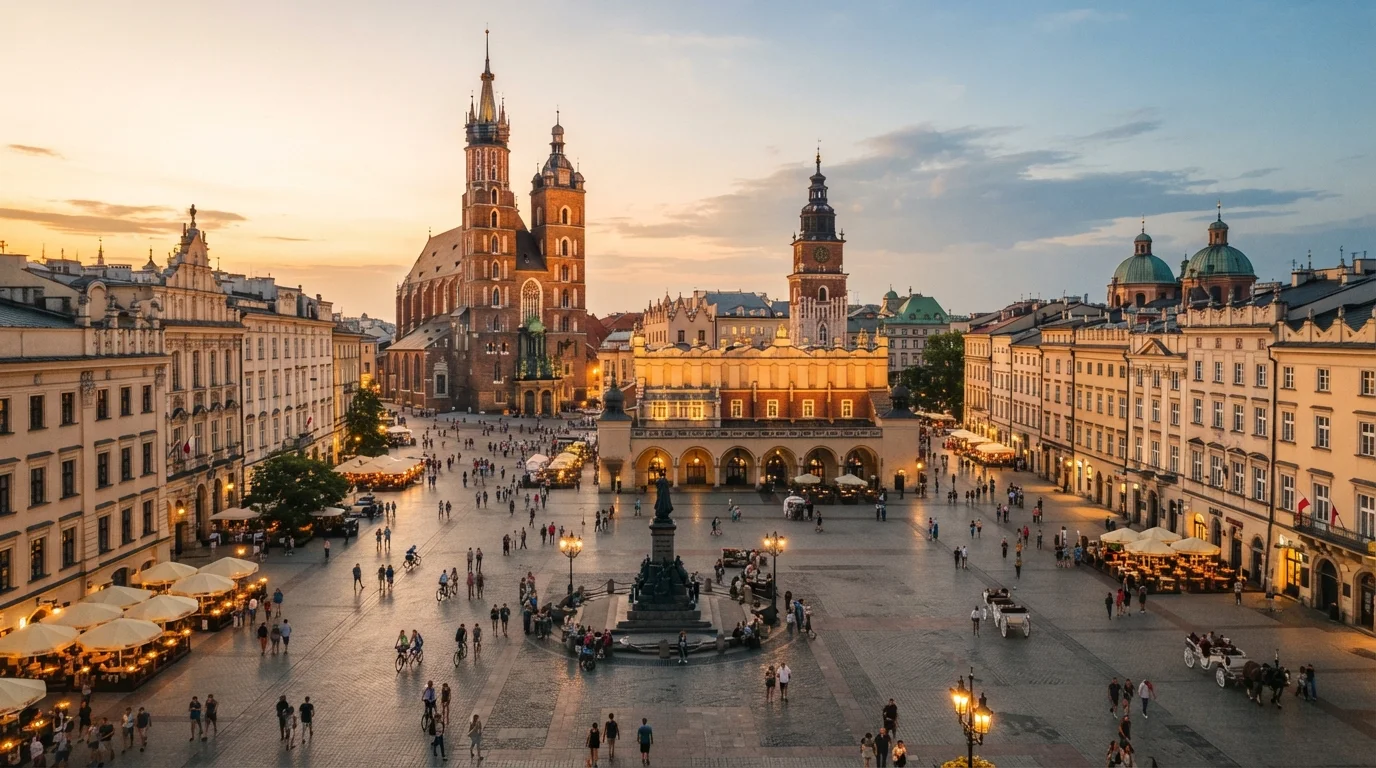
Cities with year-round infrastructure — major urban destinations like Prague, Rome, or New York — tend to remain fully functional year-round. Their off-seasons deliver crowd relief and lower prices without significant service gaps. Eastern European cities in particular often have mild off-seasons with compelling winter markets and far smaller tourist footprints than their Western counterparts.
Nature and outdoor destinations are more variable. Some national parks and hiking regions are genuinely inaccessible or unsafe in their off-season due to weather or trail closures. Others simply lose the crowds and gain dramatic, uncrowded scenery. The comparison between US national parks and international nature destinations illustrates how much this varies by location.
Beach and resort destinations carry the highest risk of disappointment — facilities may be shut, weather unreliable, and the entire reason for going (sun, sea) may be unavailable. Shoulder season, rather than deep off-season, is usually the smarter play for these destinations. See our guide to shoulder season travel for how to find that middle ground.
20–50%
Typical hotel rate reduction in off-peak months
Industry data from travel research firms generally shows accommodation pricing drops substantially outside peak demand windows, though the range varies widely by destination and property type.
30%+
Visitor volume reduction at popular European sites in winter
Tourism boards for destinations such as Italy and France have documented significant visitor count reductions during January and February compared to summer peaks.
Making Off-Season Work for Your Trip
Approaching an off-season trip with a few practical adjustments makes a significant difference in outcomes.
First, research the destination's specific calendar — not just whether it's technically off-season, but what that means in practice. A destination that's quiet in November might still have most businesses open; one that's quiet in February might be effectively closed. Travel advisories, visa requirements, and entry conditions can also shift by season, so verify current official guidance before booking.
Second, stay flexible on activities. Free and low-cost experiences — markets, walking districts, public events — often continue year-round and tend to be where off-season travel genuinely shines. They're also where you're most likely to encounter a place as it actually is, rather than as it's been packaged for peak-season visitors.
Third, pack accordingly and set honest expectations about weather. Off-season often means some combination of rain, cold, or heat — depending on destination and timing. Treating weather as a known variable rather than a potential disappointment keeps the experience in perspective.
Off-season travel doesn't suit every trip or every traveler. But for those with scheduling flexibility and a curiosity about places beyond their tourist-facing surfaces, it often delivers something that no amount of peak-season planning can replicate.