What 'Eastern Europe' Actually Means for Travelers
"Eastern Europe" is a loose geographic shorthand rather than a precise political or cultural category. For practical travel planning, it typically refers to countries east of Germany and Austria and west of Russia — a vast arc that includes the Baltic states (Estonia, Latvia, Lithuania), Central European countries (Poland, Czech Republic, Slovakia, Hungary), the Balkans (Slovenia, Croatia, Serbia, Bosnia and Herzegovina, North Macedonia, Albania, Montenegro, Bulgaria, Romania), and sometimes the broader post-Soviet republics.
This diversity matters. Each country has its own currency, language, culinary identity, and entry rules. Treating Eastern Europe as a monolith sets you up for surprises. A trip through Poland and the Czech Republic is a very different experience from backpacking the Western Balkans — both rewarding, but logistically and culturally distinct.
Why the Region Rewards First-Time Independent Travelers
The core appeal is straightforward: you get genuine depth of experience — medieval old towns, complex 20th-century history, distinct cuisines, and striking landscapes — at a cost structure noticeably below Western European equivalents. Accommodation, meals, local transit, and entry fees to museums and historic sites are generally more affordable across the region, though costs vary meaningfully between, say, Prague and Tirana.
Infrastructure for independent travel is solid in most of the region. Train networks connect major cities in Poland, the Czech Republic, Hungary, and Romania. Bus networks fill in the gaps in the Balkans, where rail is patchier. Hostel culture is well-established, and midrange hotel options exist in most city centers.
If you've never planned a trip independently, our first-timer's trip-planning overview walks through the full process before you commit to any destination.
Practical Considerations Before You Go
Entry requirements across Eastern Europe are not uniform. Several countries are EU members and part of the Schengen Area; others are EU members outside Schengen; still others are neither. This affects both visa rules and how long you can stay. US passport holders generally enjoy visa-free short stays across most of the region, but rules change — always verify current requirements through official embassy websites or the US State Department's travel portal before booking flights.
Health and travel insurance considerations also apply. Some countries have reciprocal health arrangements with others; most do not extend these to US visitors. Standard travel insurance covering medical evacuation is worth researching for any extended trip.
Currency planning requires attention. Carrying a small amount of local cash on arrival is generally prudent. ATM availability is good in cities, but fees and exchange rates vary. Inform your bank before traveling internationally.
Always Verify Entry Rules Before Booking
Entry requirements in Eastern Europe vary significantly by country and can change with little public notice. Do not rely on travel blogs or third-party summaries as your final source. Check official embassy websites and your government's travel portal — such as the US State Department's travel site — shortly before booking and again before departure.
Getting Around and Managing Costs on the Ground
Intercity travel in Eastern Europe most often means trains or long-distance buses, with budget airlines connecting some city pairs efficiently. Rail passes can offer value for multi-country itineraries in the northern and central parts of the region; in the Balkans, point-to-point bus tickets are often the practical default.
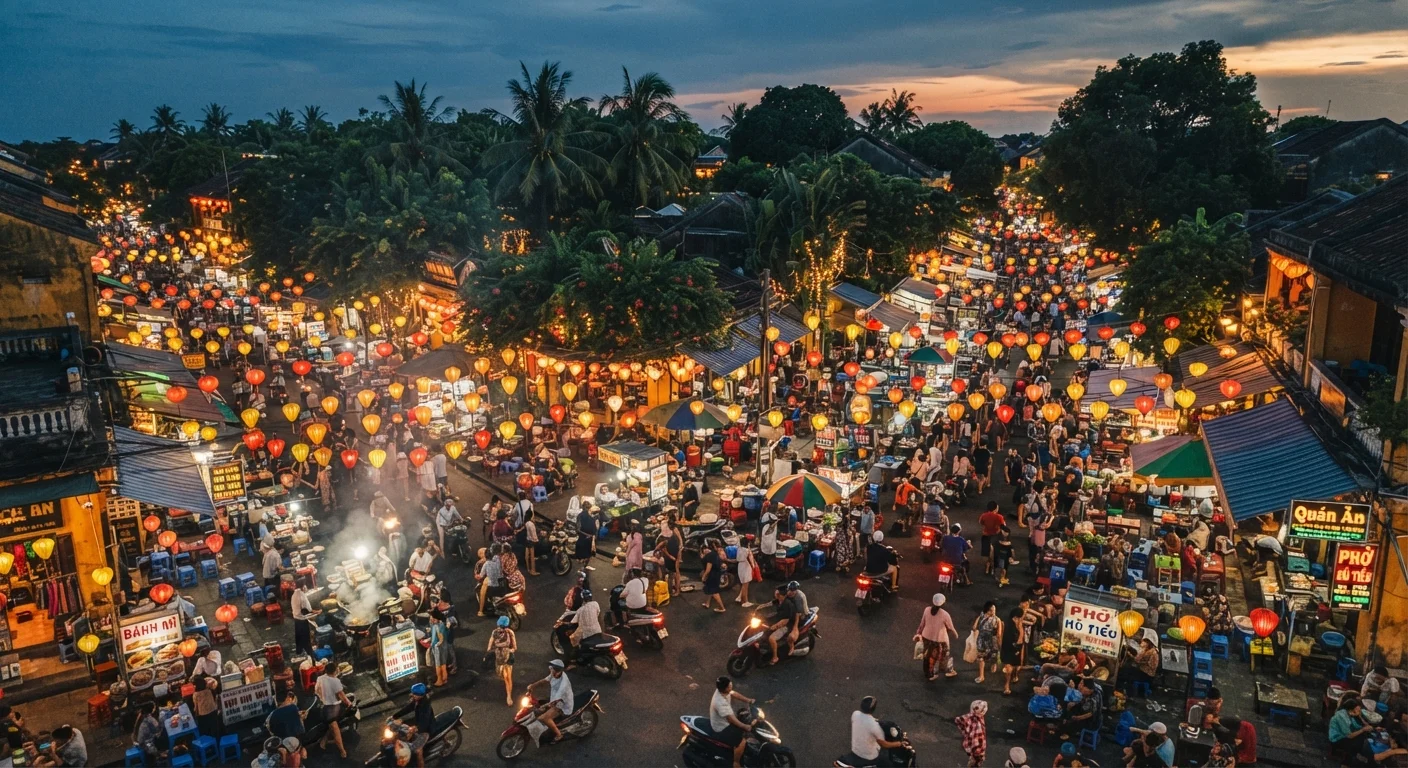
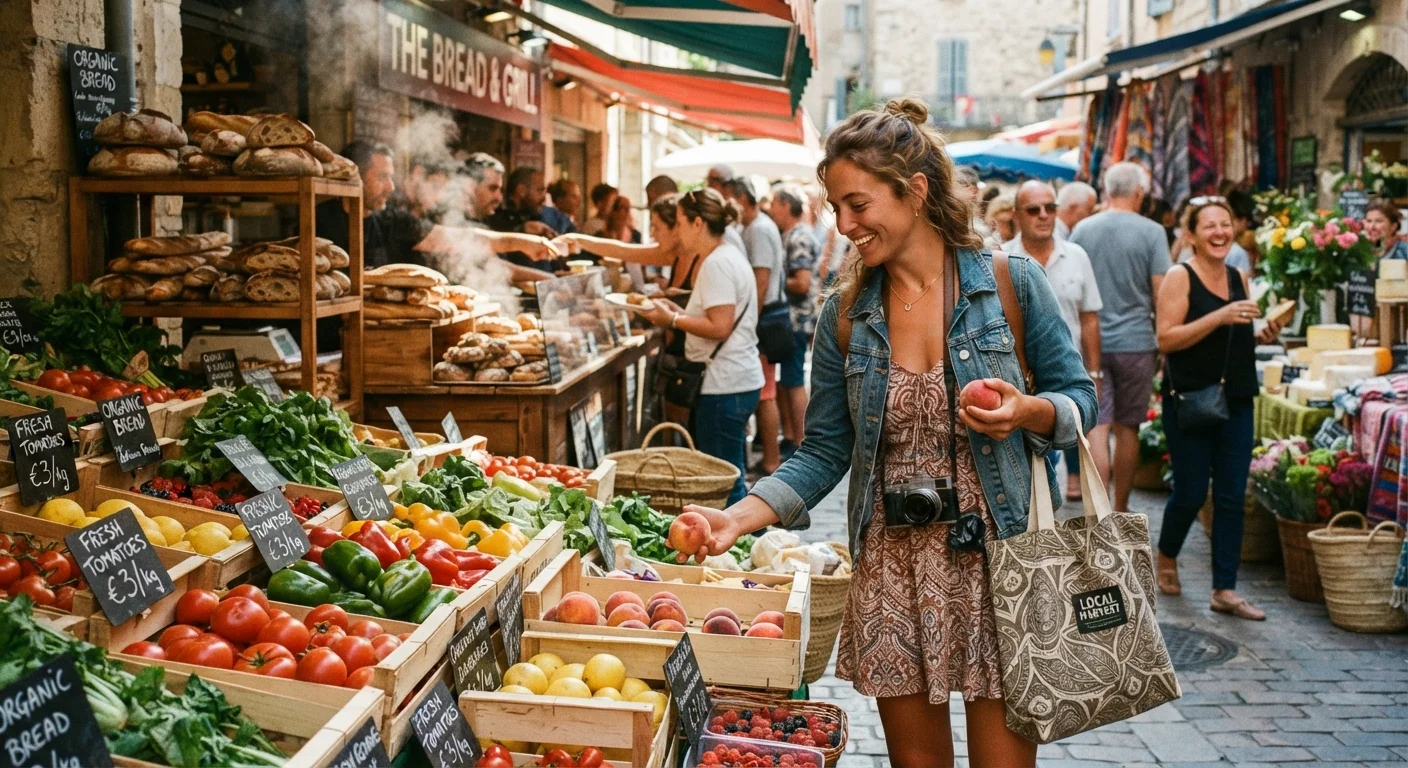
Food spending is one area where Eastern Europe reliably rewards travelers willing to eat locally. Markets, bakeries, and sit-down lunch menus (the standard midday set meal offered widely across the region) deliver quality and quantity at prices that rarely match what a cafe in Paris or Amsterdam charges. Our guide on eating well while traveling on a tight budget covers practical strategies that apply directly here.
Seasonal timing affects both cost and experience. Visiting outside the July–August peak can reduce accommodation prices, ease congestion at popular sites, and provide a more local-feeling atmosphere. Off-season travel often delivers more than lower prices — smaller crowds can genuinely change how a place feels.
Building Your First Eastern Europe Itinerary
For a first trip, narrowing your geographic scope is almost always the right call. Covering six countries in two weeks means spending more time in transit than in place. A more rewarding approach: pick one sub-region, select two or three cities or areas within it, and allow time to move at a human pace.
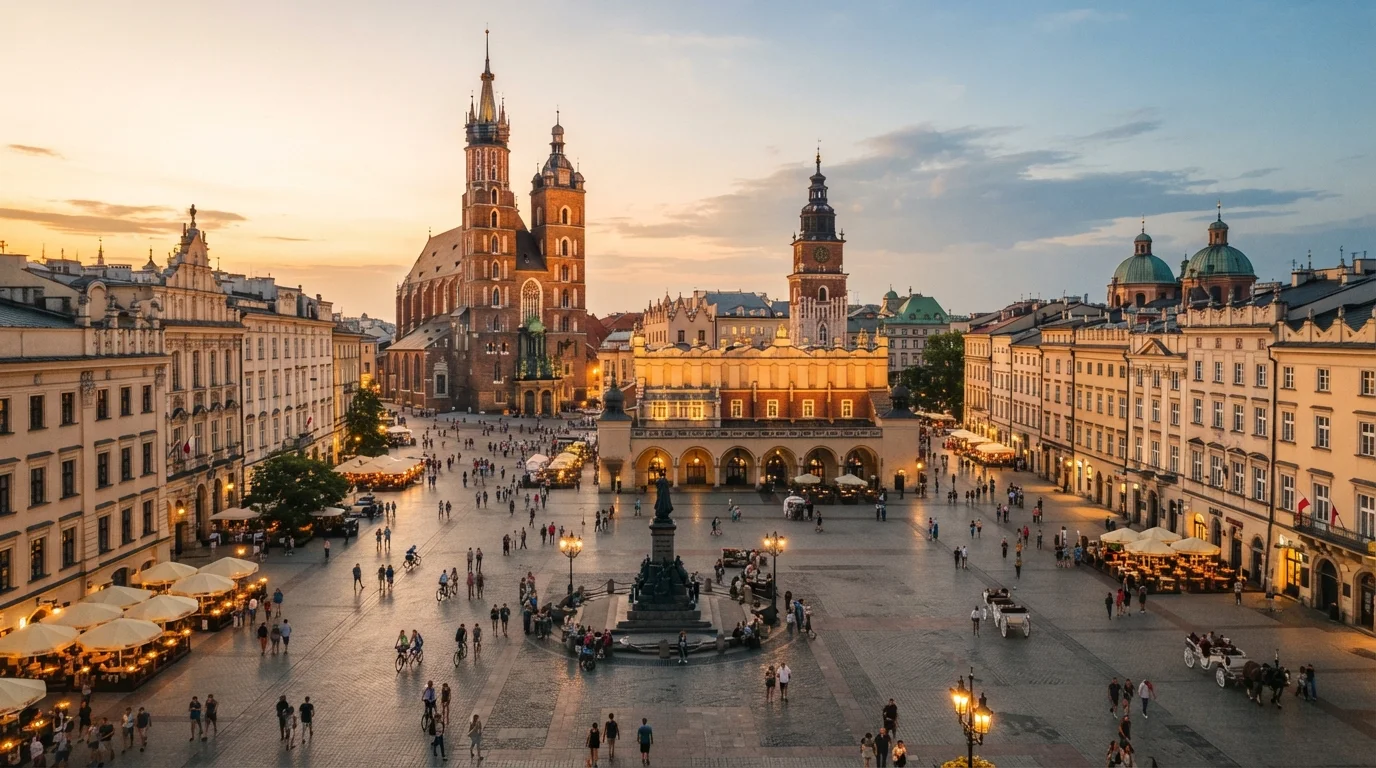
A Central Europe loop — say, Warsaw, Kraków, and Budapest — gives you excellent rail connections, diverse history, and a manageable introduction to the region. A Balkan-focused trip anchored in cities like Ljubljana, Sarajevo, or Kotor requires more logistical planning but delivers landscapes and culture that feel genuinely off the standard tourist circuit.
Build in flexibility. Eastern Europe rewards wandering — a recommendation from a local guesthouse owner, a market stumbled upon, a detour to a village not in any guidebook. Over-scheduling eliminates exactly the kind of experience that makes the region memorable. Plan your anchors; leave room for the rest.