Why Food Is the Most Controllable Travel Expense
Flights and accommodation are largely fixed once booked. Food is different — it's the one major travel cost you negotiate fresh every single day. A traveler who eats strategically can spend a third of what a less-intentional traveler spends, often with a richer experience to show for it.
The trap most travelers fall into is defaulting to convenience: the restaurant nearest the hotel, the café with an English menu, the airport terminal food court. Each individual choice seems minor, but the cumulative effect can blow a tight food budget by the second or third day. Understanding a few structural habits before you travel — not just a list of cheap restaurants — is what keeps spending on track. See our guide to building a realistic travel budget for how to set a meaningful daily food target before you book anything.
30–50%
Potential food savings eating local vs. tourist areas
Travel budget researchers and guidebook authors consistently note that meals just blocks from tourist centers can cost half the price of those at nearby tourist-facing establishments.
$2–$5
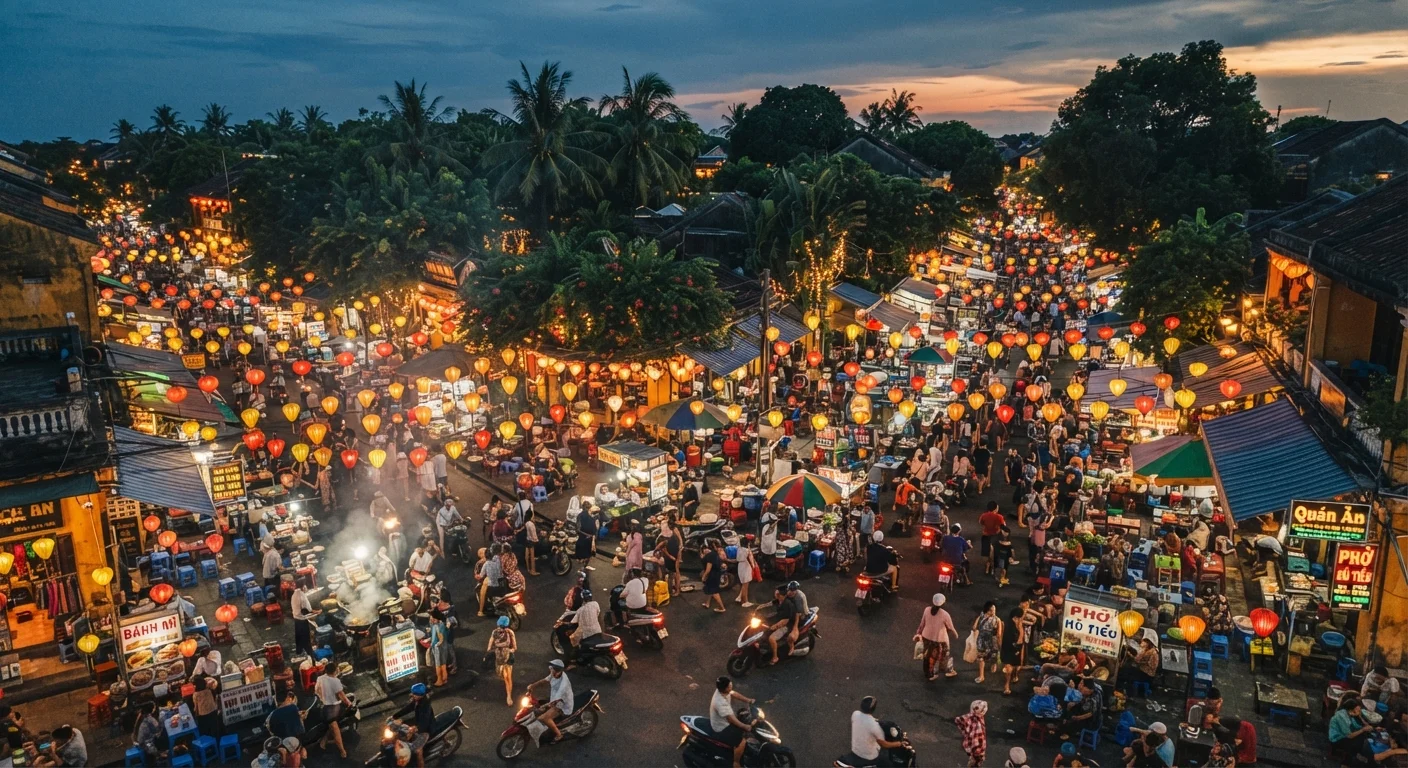
Typical street meal cost in many Southeast Asian cities
Street food stalls in cities like Bangkok, Hanoi, and Penang regularly provide complete, freshly cooked meals for the equivalent of a few US dollars.
Core Practices for Eating Well Without Overspending
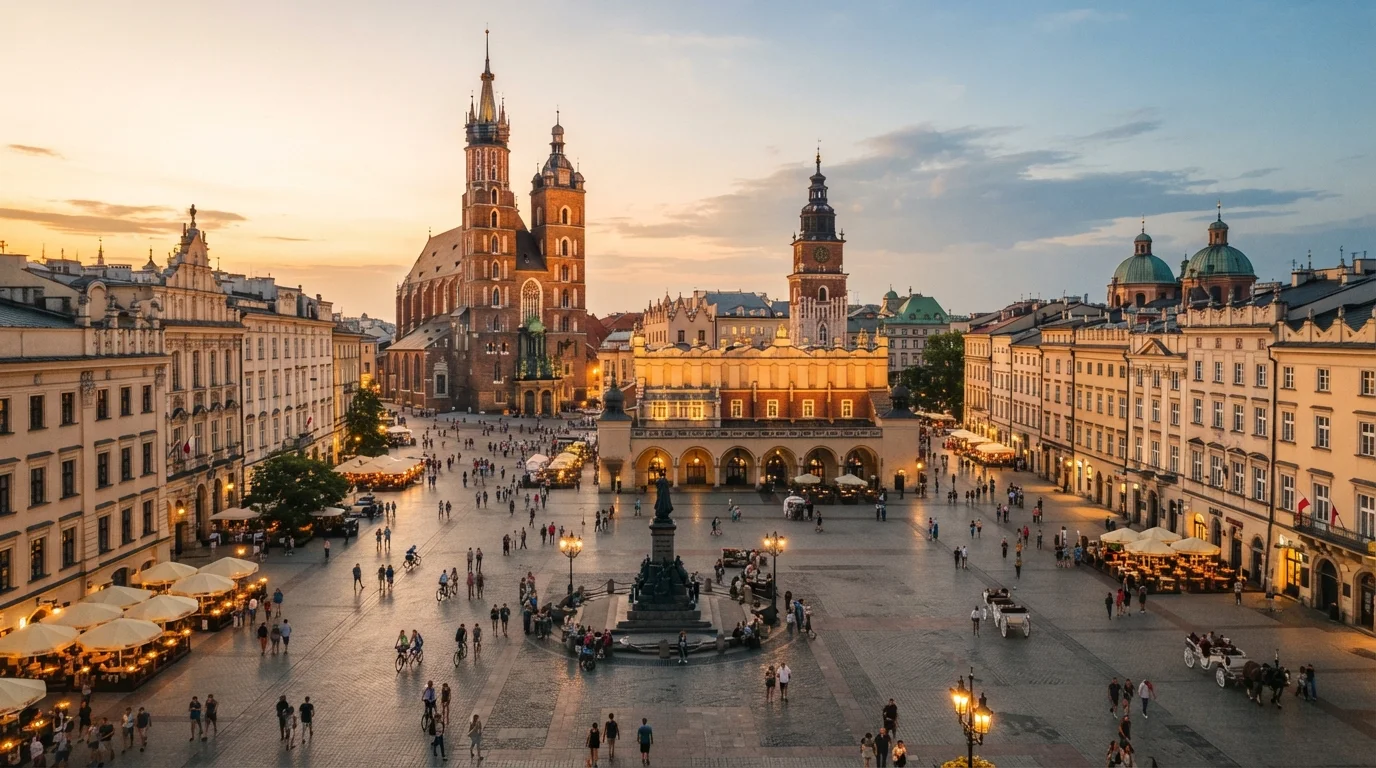
These approaches work across a wide range of destinations — from Southeast Asia's street food culture to Eastern Europe's market towns. The principles scale regardless of destination.
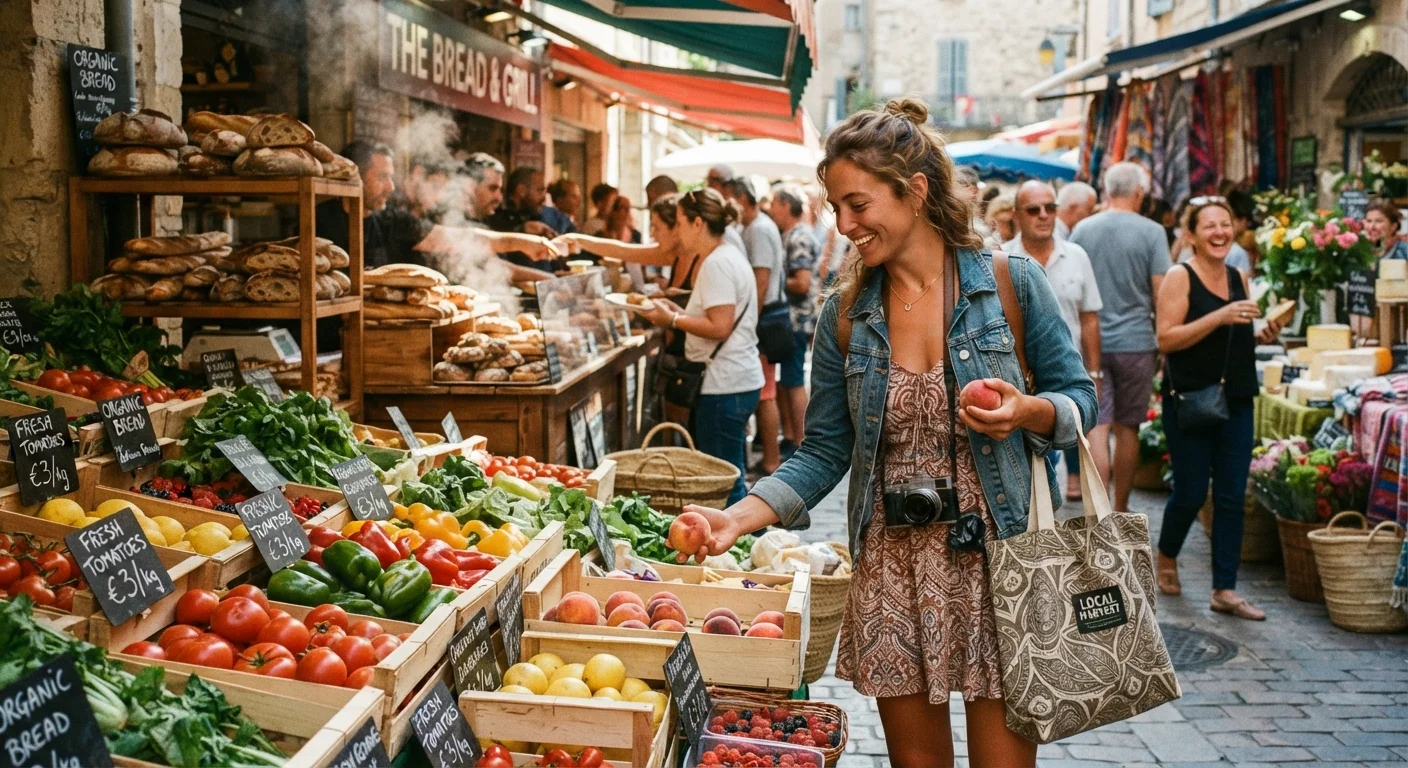
Shop at local markets and grocery stores for at least one meal per day
Supermarkets and local produce markets offer the same ingredients local residents use, at prices that reflect local purchasing power rather than tourist markup. Even in expensive cities, a simple self-assembled meal from a grocery store is dramatically cheaper than a restaurant equivalent.
Make lunch your main restaurant meal by seeking out fixed-price menus
Many restaurants in Europe, Latin America, and parts of Asia offer a prix-fixe lunch — often two or three courses including a drink — at a price well below what the same dishes would cost at dinner. This is a deeply embedded local habit that most tourists miss entirely.
Eat where working locals eat, not where tourist foot traffic is heaviest
Restaurants within a block of major tourist sites systematically charge higher prices and often offer lower quality, knowing that their customers won't return. Moving even a few streets away — toward neighborhoods where residents actually live and work — changes the economics entirely.
Front-load research on street food and food hall options before arrival
Street food and covered food markets are frequently the best food value in any destination — but stumbling on them by accident is unreliable. Spending 20 minutes before your trip identifying where locals actually go for fast, inexpensive food prevents you from defaulting to tourist-area convenience on tired, hungry arrival days.
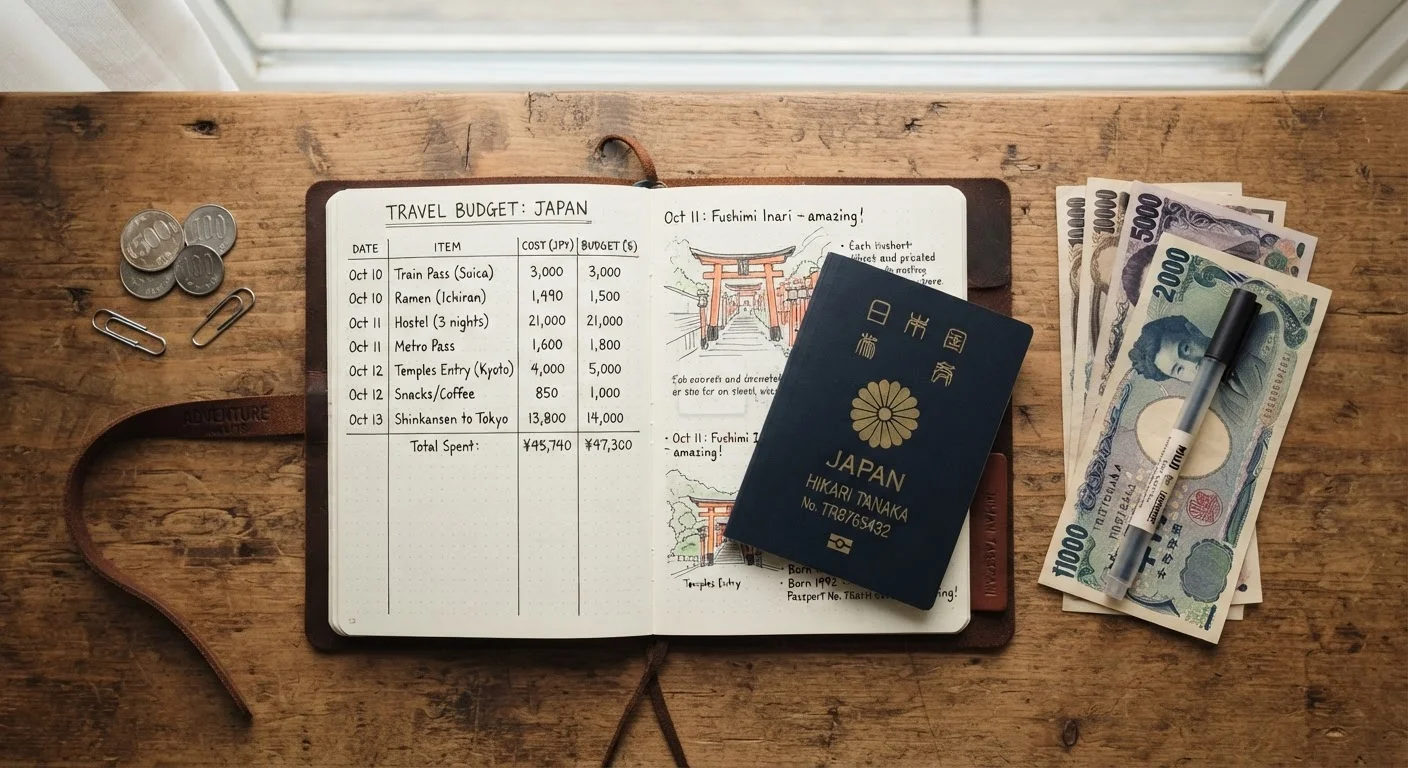
Set a daily food budget and track it in real time
Without active tracking, food spending tends to drift upward through small, seemingly trivial decisions — a coffee here, a tourist-trap snack there. A concrete per-day food number, tracked in a simple notes app or travel budget tool, keeps you honest without being restrictive.
Quick Wins You Can Act on Right Now
If you have a trip coming up — or you're already on the road — these immediate adjustments can cut food spending without any meaningful sacrifice in quality or enjoyment.
Putting It Together: A Realistic Daily Food Rhythm
A practical on-the-road food rhythm for budget travelers might look like this: a light, inexpensive breakfast sourced from a nearby grocery store or market (fruit, yogurt, bread); a sit-down lunch using the fixed-price or lunch-special menu at a local restaurant; and a self-assembled dinner from market finds or a cheap street stall. This structure keeps costs predictable and leaves room for one deliberate splurge meal every few days — which is where food memories are actually made.
The goal isn't to eat as cheaply as possible. It's to spend intentionally so that when you do choose a nicer meal, it doesn't create guilt or budget anxiety. That balance — structured frugality with planned enjoyment — is what separates travelers who come home feeling satisfied from those who come home feeling like they either overspent or deprived themselves.
For destination-specific food budgeting, see our practical breakdown on eating affordably in Japan, or explore how Portugal and Spain compare on value for food-focused travelers. And if you want to connect food budgeting to your overall trip spending strategy, the end-to-end budget travel framework ties it all together.