Cost of Travel: Where Your Money Goes Further
For value-focused travelers, Portugal holds a clear edge over Spain on day-to-day spending. A sit-down lunch in Lisbon or Porto — often a prato do dia (dish of the day) with bread, drink, and dessert — typically costs a fraction of what a comparable meal runs in Barcelona or Madrid. Budget accommodation options, from hostels to guesthouses, also tend to be priced lower in Portugal's cities and coastal towns.
That said, Spain is not an expensive country by broader European standards. Regions like Andalusia and Galicia can be surprisingly affordable, and Spain's extensive rail and bus networks make intercity travel cost-competitive. The price gap between the two countries narrows considerably if you avoid Spain's premium urban centers and tourist hotspots during peak season.
Timing matters enormously in both destinations. As explored in our guide on why off-season travel delivers more than lower prices, visiting either country outside July and August typically means lower accommodation rates, shorter queues, and a more local atmosphere. Spring and autumn are considered ideal windows for Iberian travel by many experienced visitors.
| Criterion | Portugal | Spain |
|---|---|---|
| Average daily budget (mid-range) | Lower — generally $80–$120/day | Moderate — generally $100–$150/day |
| Geographic size | Compact, easy to cover | Large, diverse regions |
| Travel pace | Slower, relaxed | Energetic, event-driven |
| Food culture | Seafood, bacalhau, simple excellence | Tapas, regional variety, gastronomy |
| Nightlife & festivals | Modest, locally focused | World-renowned, varied |
| Internal transport | Bus and train, limited high-speed | Extensive high-speed rail (AVE) |
| English spoken | Widely, especially in cities | Common in tourist areas |
| Best season to visit | Spring and autumn | Spring and autumn |
Culture, Food, and What Each Country Does Differently
Portugal and Spain share an Iberian identity but diverge sharply in character. Portugal's culture carries a distinctly Atlantic, introspective quality — shaped by centuries of maritime exploration and reflected in fado music, ornate azulejo tile work, and a deeply regional food tradition built around fresh seafood, salt cod (bacalhau), and quality olive oil. The pace of life, particularly outside Lisbon, is unhurried and community-oriented.
Spain's cultural footprint is louder and more varied. Within a single country, travelers can experience the Basque Country's avant-garde cuisine, Catalonia's distinct language and architecture, Andalusia's flamenco and Moorish history, and Madrid's world-class art museums. This internal diversity is one of Spain's greatest assets for curious travelers.
Food is a serious subject in both countries. Portugal tends toward simpler preparations with exceptional raw ingredients, while Spain is home to both cutting-edge gastronomy and the beloved tapas culture of communal, small-plate dining. For practical strategies on eating well without overspending in either destination, see our guide on eating well on a tight travel budget.
~35%
Lower average meal cost in Portugal vs. Western Europe
Eurostat consumer price data consistently shows Portugal among the most affordable EU countries for food and non-alcoholic beverages.
83M+
Annual international visitors to Spain
Spain regularly ranks among the world's top three most-visited countries according to UN World Tourism Organization data.
30+
UNESCO World Heritage Sites in Spain
Spain holds one of the highest concentrations of UNESCO-listed sites globally, reflecting its extraordinary cultural and architectural legacy.
Logistics, Scale, and Trip Planning Practicalities
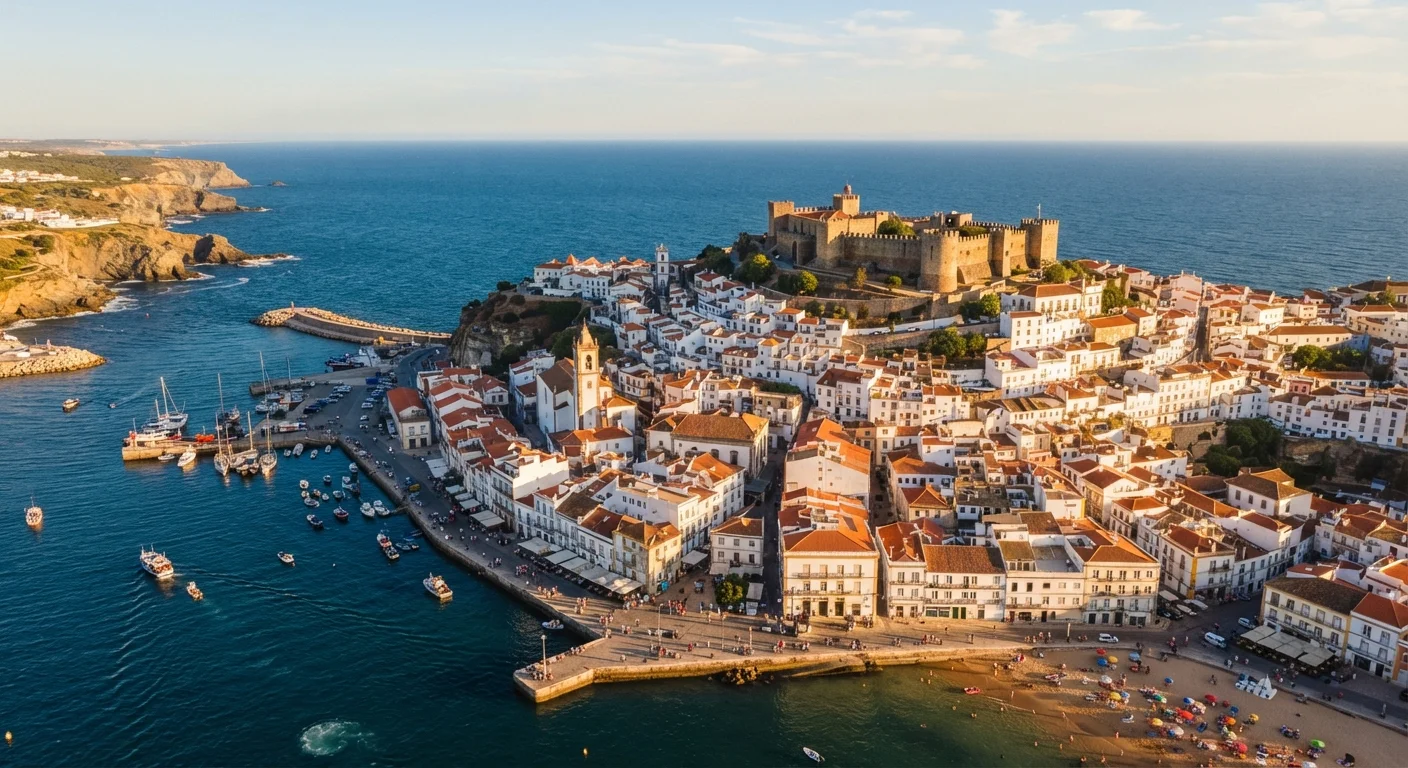
Portugal's smaller geographic footprint makes itinerary planning more straightforward. Travelers can move between Lisbon, the Algarve coast, Porto, and the Douro Valley without covering enormous distances. This compactness suits shorter trips and first-time visitors who want depth over breadth.
Spain's scale is both an asset and a challenge. Its high-speed rail network (AVE) connects major cities efficiently, but a comprehensive trip covering multiple regions requires more time and more logistical planning. Travelers who want to see both Barcelona and Seville — let alone the Basque Country or the Canary Islands — need to budget accordingly for internal transport.
Your travel style also affects the overall cost equation. Solo versus group travel shapes your accommodation and transport costs in both countries differently, with shared rooms and split car rentals making rural areas of Portugal especially accessible on a group budget. Similarly, how you structure your accommodation — independent bookings versus packaged options — carries real trade-offs, as outlined in our analysis of all-inclusive resorts versus independent travel.
Travel conditions, entry requirements, and local regulations can change. Always verify current information with official government and destination sources before booking or traveling.