What You're Actually Paying For in Each Approach
An all-inclusive resort packages accommodation, meals, most beverages, and selected activities into a single quoted price. That bundling is its core appeal: you know the number before you leave home. But that number rarely tells the whole story.
Independent travel, by contrast, requires you to price each component separately — flights, accommodation, food, transport, and activities. The total can run lower or higher depending on how you plan and where you go. See our guide to building a realistic travel budget before committing to either approach.
The key financial question isn't which format looks cheaper at first glance — it's which one aligns with how you actually travel.
| All-Inclusive Resort | Independent Travel | |
|---|---|---|
| Upfront cost clarity | High — most costs bundled | Low — requires component pricing |
| Flexibility on-trip | Limited — resort-centric | High — fully customizable |
| Food & drink costs | Included (exclusions apply) | Pay per use — highly variable |
| Planning effort required | Low — one booking | High — multiple bookings needed |
| Value in expensive destinations | Often strong | Often weaker |
| Value in affordable destinations | Often weaker | Often strong |
| Cultural immersion | Limited by resort environment | Extensive if sought actively |
| Risk of overrunning budget | Lower (if staying on-property) | Higher without disciplined planning |
Where All-Inclusive Math Works in Your Favor
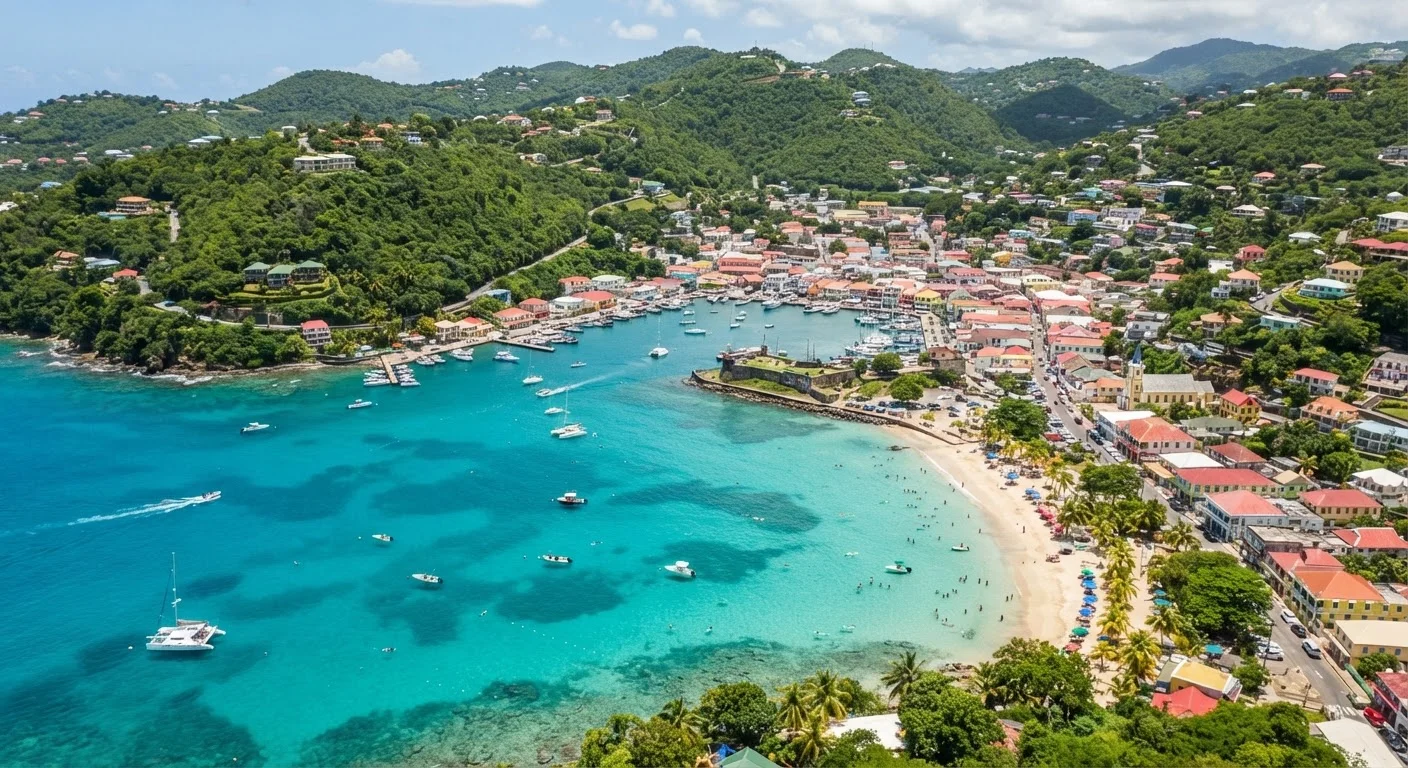
All-inclusive pricing tends to deliver genuine value in specific circumstances. If you're visiting a destination where eating and drinking independently is expensive — parts of the Caribbean, for example — having meals and drinks bundled removes a significant variable cost. Cost variation across Caribbean islands is substantial, and resort pricing often reflects local import costs that make independent dining similarly expensive.
Families with young children also frequently find all-inclusive packages financially sensible. Kids' clubs, included meals, and on-site entertainment reduce the need for paid excursions or restaurant bills that accumulate fast.
The hidden cost to watch: resort fees, premium alcohol upgrades, spa services, motorized water sports, and off-property excursions are routinely excluded. If your travel style leans toward those extras, the all-inclusive sticker price understates your real spend.
Read the Exclusions Before You Compare Prices
When evaluating an all-inclusive quote, request a clear list of what's excluded before comparing it against independent travel estimates. Premium spirits, specialty restaurants, motorized water sports, and off-site excursions are commonly left out. Adding realistic estimates for those extras to the headline price gives you a more accurate comparison point.
Where Independent Travel Has the Financial Edge
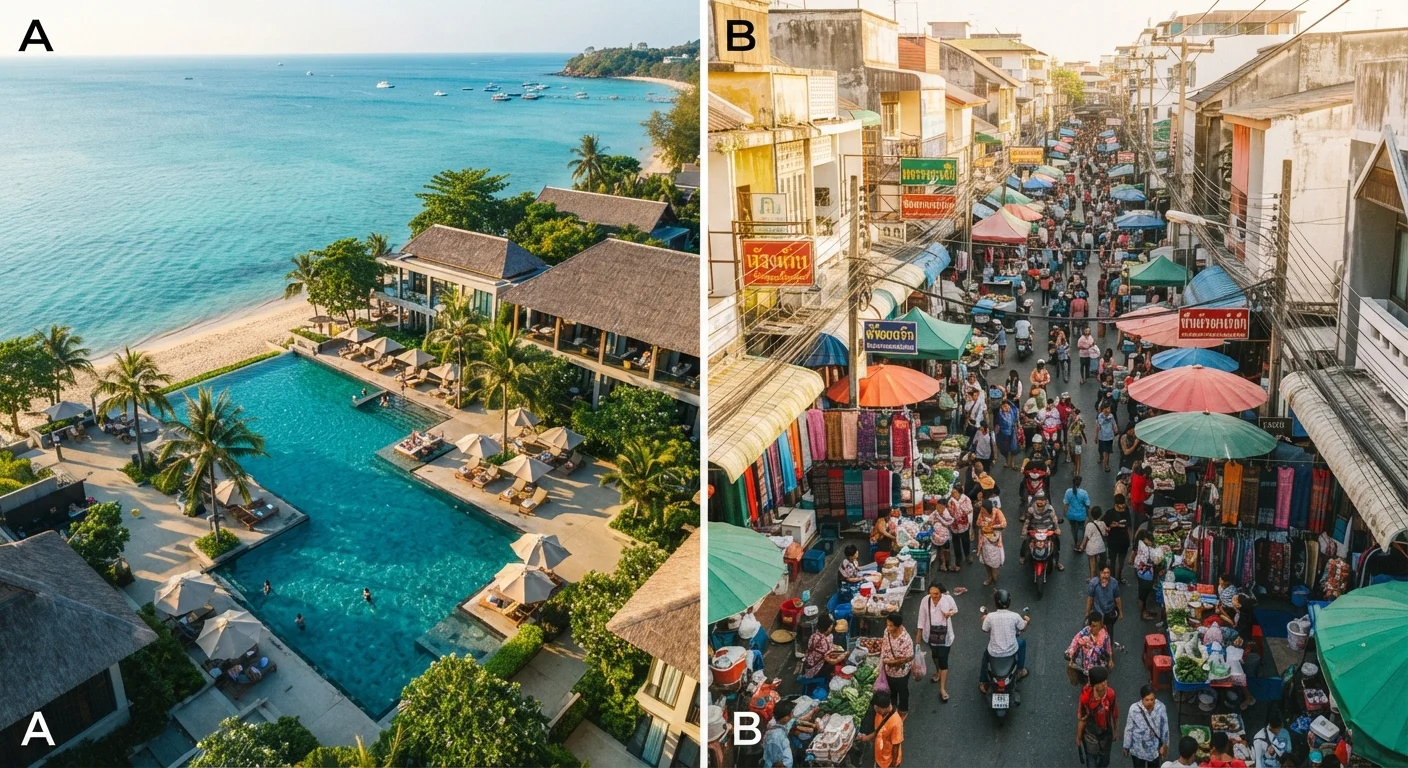
In destinations with affordable local food, reliable public transport, and a range of accommodation options, independent travel can cost considerably less than an equivalent all-inclusive stay. Southern Europe, Southeast Asia, and parts of Latin America are examples where travelers willing to eat where locals eat and use local transit can stretch a dollar significantly further.
Independent travel also lets you pay only for what you use. If you plan to spend half your trip exploring off-property — visiting ruins, markets, or neighboring towns — an all-inclusive effectively charges you for meals you won't eat and amenities you won't access. That's a straightforward financial inefficiency.
For those comparing broader accommodation approaches, our breakdown of hostels, vacation rentals, and budget hotels covers how to choose lodging that fits both style and budget. And be aware that low accommodation prices don't always translate to savings — cheap lodging sometimes costs more than it saves once location, transport, and safety trade-offs are factored in.
The Hidden Costs Both Approaches Share
Regardless of which format you choose, certain costs catch travelers off guard. Flights are almost never included in all-inclusive pricing and are the single largest variable in most trip budgets. Travel insurance, airport transfers, and checked baggage fees apply equally to both approaches.
Independent travelers face their own pitfalls: overestimating how cheaply they'll eat, underestimating local transport costs, or booking accommodation in a location that requires expensive taxis to reach anything worthwhile. Weighing package deals against DIY trips requires accounting for these friction costs honestly, not just comparing headline prices.
Currency exchange rates and dynamic pricing on activities can also shift your real costs by 10–20% compared to initial estimates, in either direction. Building a contingency buffer into any travel budget — regardless of format — is a practical safeguard, not a pessimistic one.
~30%
Of all-inclusive guests spend extra on-property
Industry surveys suggest a significant share of all-inclusive guests still incur out-of-pocket costs for upgrades, excursions, or excluded services during their stay.
10–20%
Typical budget variance from currency and dynamic pricing
Travel cost analysts generally recommend building a 10–20% contingency into any international travel budget to absorb exchange rate shifts and dynamic activity pricing.