Why Japan Is More Affordable Than Its Reputation Suggests
Japan regularly tops lists of destinations travelers assume they can't afford, yet many visitors return surprised by how manageable costs were — when they planned deliberately. The country's reputation for expense is partly a legacy of earlier exchange rate periods and partly the result of itineraries built around premium hotels and multi-course dining. Neither is required.
Japan has a mature, competitive hospitality sector with genuine budget options at every level, a street and convenience food culture that is genuinely excellent, and a public transport network that rewards advance planning. The gap between an expensive Japan trip and an affordable one is almost entirely a planning gap, not a destination gap.
Before locking in any bookings, it's worth reading our guide on estimating true trip costs before you commit, which walks through flights, accommodation, food, and contingency spending in a structured way.
Shoulder Season Is Often the Sweet Spot
June and early July see fewer international visitors and lower accommodation rates than peak spring or autumn windows. While June brings some rain in parts of the country, it also means less crowding at major sites. Weighing lower costs against weather trade-offs is a legitimate planning decision, not a compromise.
What You Need Before You Start Planning
Effective budget planning for Japan requires a few inputs upfront. Gather these before making any reservations.
What you will need
Step-by-Step: How to Plan a Budget Japan Trip
Follow these steps in order. Each decision narrows your costs before the next one is made, which prevents the common trap of booking flights and accommodation at full price before realizing cheaper alternatives existed.
Choose your travel window strategically
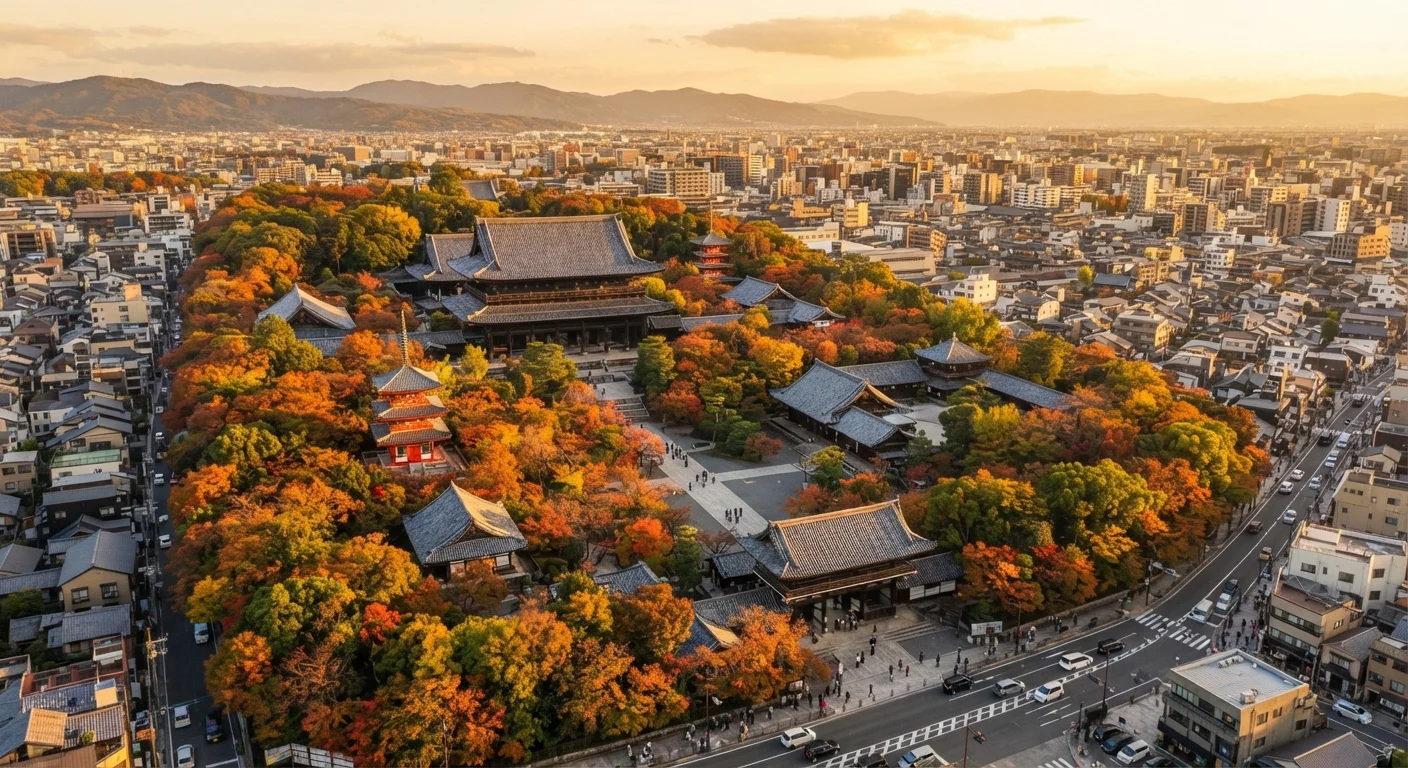
Flights and hotels to Japan fluctuate significantly by season. Peak periods — late March to early April (cherry blossom season) and October to early November (autumn foliage) — bring higher prices and fuller accommodations. Shoulder months such as June, early July, and January through February typically offer lower airfares and easier hotel availability. Summer (late July to August) is hot and humid but draws domestic tourism, keeping prices elevated in resort areas.
Decide on your transport strategy before booking accommodation
Transport is one of the largest variable costs in Japan. If you plan to travel between multiple cities — Tokyo, Kyoto, Osaka, Hiroshima, for example — evaluate whether a Japan Rail Pass makes economic sense for your specific itinerary. The pass is only available for purchase before arrival in Japan and must be used within a set window. Compare the pass cost against individual Shinkansen (bullet train) ticket prices for your planned routes before deciding. For single-city stays, the pass is rarely cost-effective.
Book accommodation by neighborhood, not just city
Accommodation costs in Japan vary sharply by neighborhood. Central districts in Tokyo and Kyoto command premium prices; areas one or two stops outside the tourist core on a major metro line are substantially cheaper and still well-connected. Capsule hotels, guesthouses (often called guesthouses or backpacker hostels), and business hotels all offer clean, functional rooms at predictable prices. Capsule hotels in particular are well-maintained by international standards and an efficient way to minimize lodging spend.
Plan your food budget around local eating habits
Japan's convenience store food culture is genuinely high quality — onigiri, sandwiches, hot foods, and prepared meals at very low prices. Beyond convenience stores, gyudon (beef bowl) chains, ramen shops, and standing sushi bars provide filling meals for a few dollars. Budget roughly half of what you might expect to spend at sit-down restaurants if you eat the way locals eat most of the time. Save table-service restaurants for one or two intentional meals rather than every sitting.
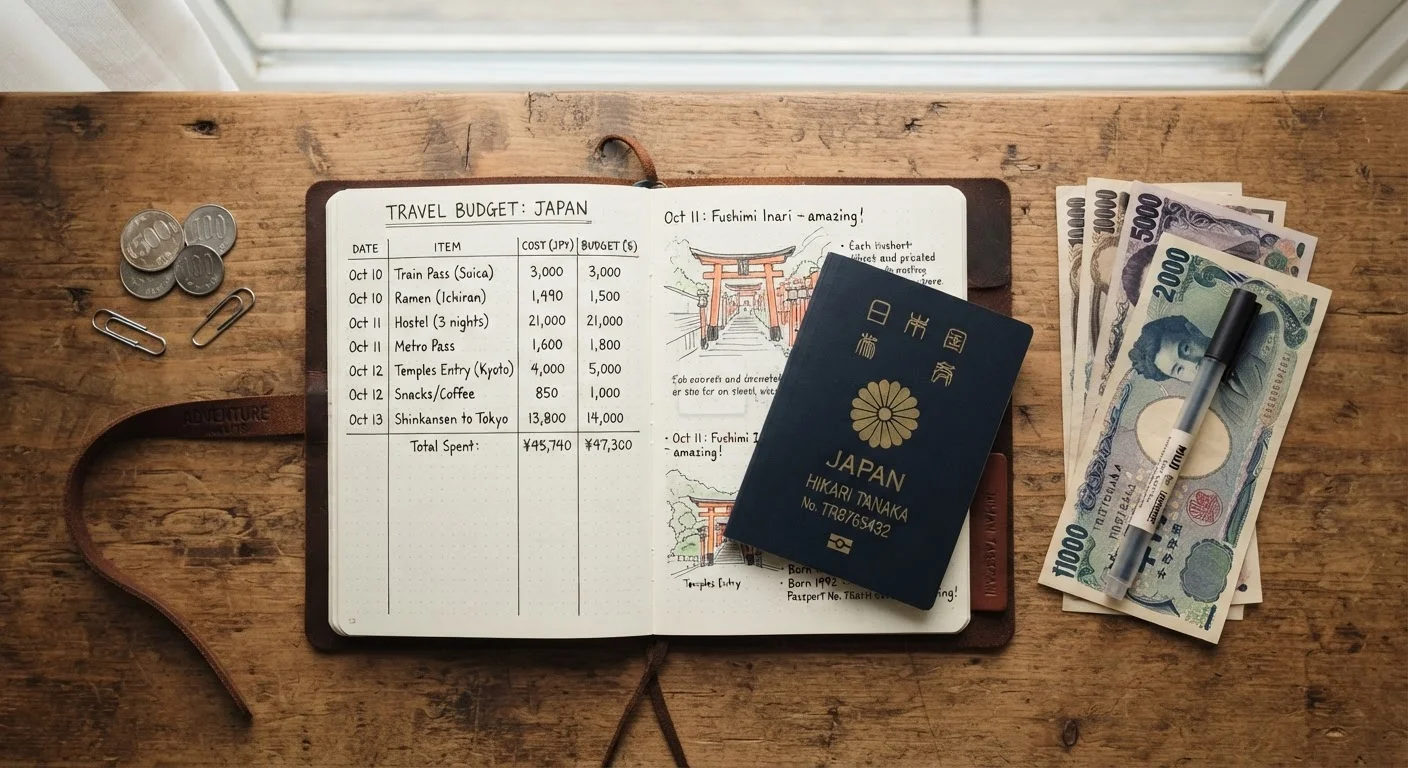
Build in a daily cash spending limit and track it
Set a firm daily cash budget covering food, local transport, entry fees, and incidentals — and track it each day. Japan is a cash-heavy society outside major tourist attractions and chain restaurants, so withdrawing a daily amount from a convenience store ATM and treating it as your spending envelope is an effective control mechanism. Anything left over accumulates as a buffer for larger expenses like day trips or a special meal.
For a broader framework that applies these principles to any destination, see our end-to-end budget travel planning guide.
Verify Entry Requirements Before Booking
Visa requirements, entry rules, and travel advisories for Japan can change. Do not rely on travel blogs or third-party sites for current entry information. Check your own government's official travel advisory page and Japan's official immigration authority website before making any non-refundable bookings.
Keeping Costs Under Control Once You're There
On-the-ground discipline matters as much as pre-trip planning. A few habits make a measurable difference:
- Use IC cards for local transit. Rechargeable transit cards (used across most major cities) are more convenient and marginally cheaper than buying single tickets each time.
- Eat where locals eat. Gyudon chains, standing sushi bars, ramen shops, and convenience store onigiri are not compromises — they are how most Japanese people eat affordably every day.
- Prioritize free experiences. Many of Japan's most visited sites — Shinto shrines, public parks, historic districts, and seasonal festivals — charge little or nothing for entry.
- Withdraw cash from convenience store ATMs. These reliably accept foreign cards; airport and bank ATMs are less consistent. Japan remains heavily cash-dependent outside major tourist areas.
Staying flexible in your itinerary also pays off. Our piece on why rigid day-by-day plans can cost more explains how over-scheduling locks you into pricier options. Once you're back home, the habits and frameworks from building a travel budget that holds up on the road apply to every future trip.
This article is for general informational and planning purposes only. Prices, exchange rates, transport options, and entry requirements change over time — verify current details with official sources and providers before booking.