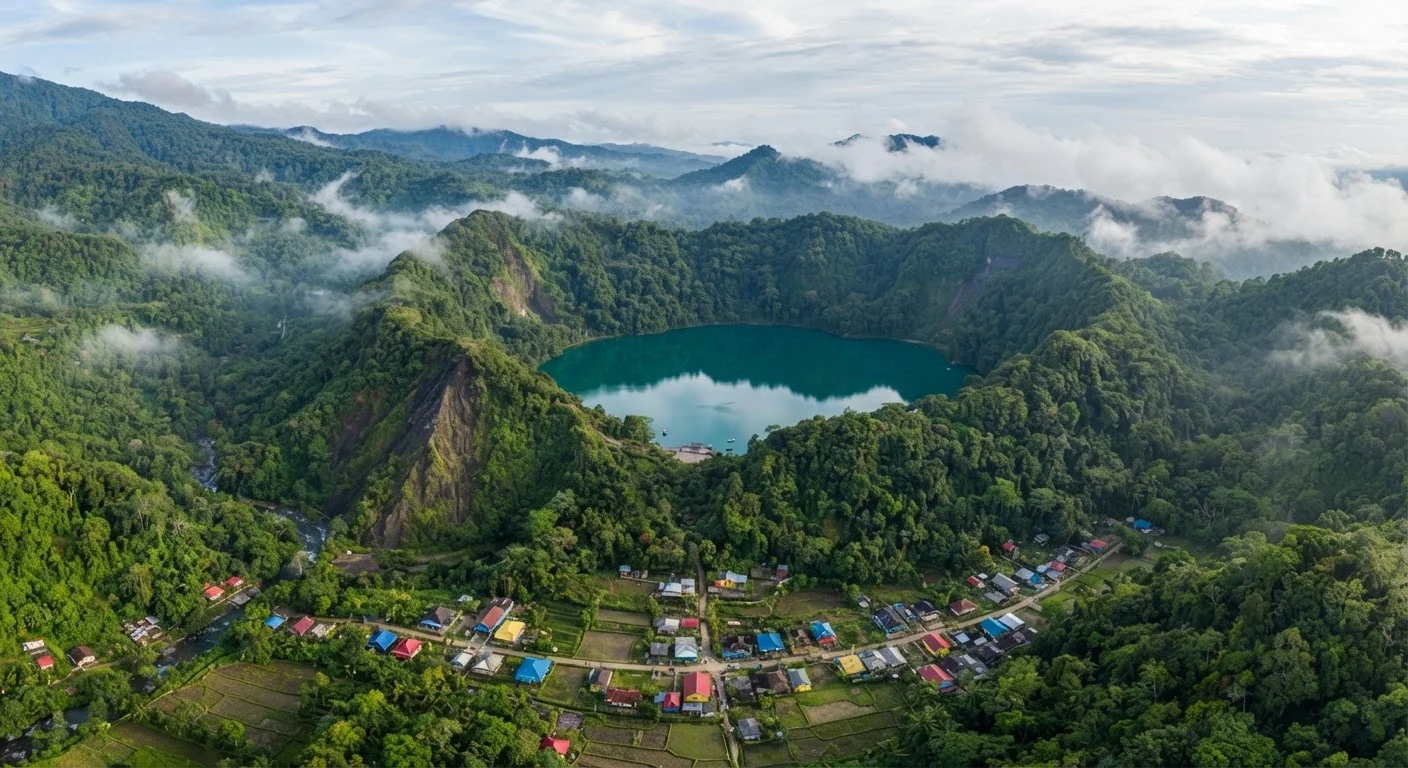
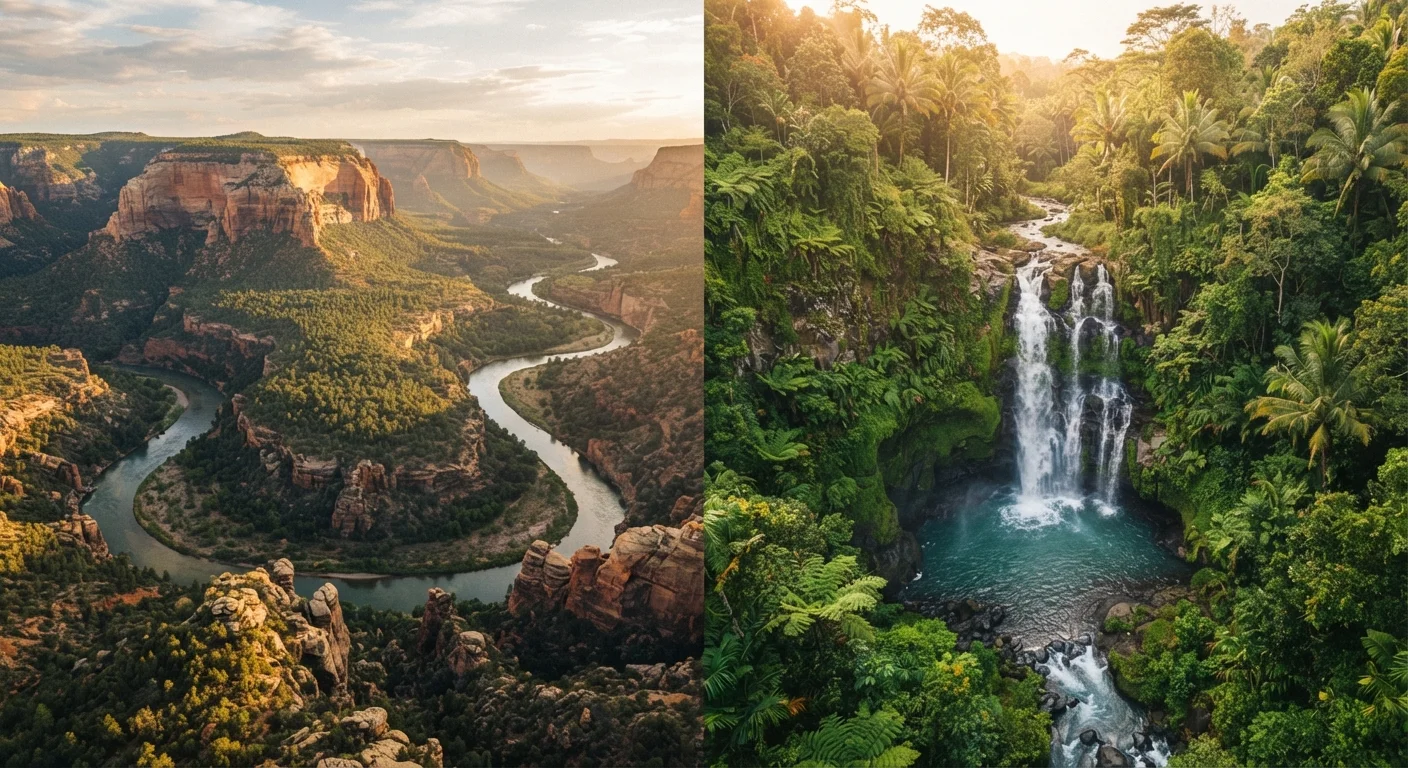
Breaking Down the Real Costs on Each Side
Comparing US national parks to international nature destinations isn't as straightforward as checking two price tags. Total trip cost depends on flights, accommodation, food, and activity fees — and those variables behave very differently depending on which path you take.
US National Parks: Entry fees for most major parks run between $15 and $35 per vehicle. The America the Beautiful annual pass ($80 for most adults, with free versions for seniors, military, and people with disabilities) covers entrance fees at the vast majority of federal recreational sites for one year. That's genuine value if you visit multiple parks. The catch: accommodation costs inside or near popular parks — think Yellowstone, Yosemite, or the Grand Canyon — often rival urban hotel pricing, particularly in summer. Campground spots at heavily visited parks now require advance reservations and sell out months ahead. Food and fuel in gateway towns tend to be priced for tourism, not frugality.
International Nature Destinations: Flight costs are the defining variable. A round-trip domestic flight or a week of gas for a road trip may cost less than international airfare, particularly to Africa or the South Pacific. However, once on the ground in many international nature destinations, daily expenses can drop sharply. Budget accommodation, local food markets, and independently arranged tours in parts of Central America, Southeast Asia, or southern Europe often cost a fraction of US equivalents. For context on regional pricing variation, the Central America destination guide breaks down what different countries offer value-focused nature travelers.
| Criterion | US National Parks | International Nature Destinations |
|---|---|---|
| Entry fees | $15–$35/vehicle or $80 annual pass | Varies widely; often low to moderate |
| Transportation to destination | Drive or domestic flight | International airfare required |
| Daily accommodation cost | Moderate to high near popular parks | Often lower in many regions |
| Passport/visa required | No | Yes (varies by destination) |
| Infrastructure reliability | High — standardized NPS system | Variable by country and region |
| Crowd levels | High at top-tier parks in peak season | Often lower at comparable sites |
| Ecological diversity | High across the US system | Can be exceptional in biodiverse regions |
| Trip planning complexity | Low to moderate | Moderate to high |
Access, Infrastructure, and Hidden Friction
US national parks win on infrastructure reliability. Visitor centers, marked trails, ranger programs, emergency services, and ADA-accessible facilities are standard features of the National Park Service system. You can research conditions in English, pay fees online in US dollars, and generally anticipate what you'll find when you arrive. For first-time nature travelers, that predictability has real worth.
International destinations involve more variables: visa requirements, currency exchange, language barriers, varying standards of trail maintenance, and travel health considerations. Entry requirements and safety conditions change — always verify current rules through official government sources, your airline, and the destination country's tourism authority before booking. Travel insurance becomes a more pressing consideration when you're farther from home.
That said, international destinations often deliver lower friction in a different sense: lower crowds at equivalent natural wonders. Many celebrated nature sites abroad — from the fjords of Slovenia's Triglav National Park to the cloud forests of Central America — see a fraction of the visitors that places like Arches or Zion handle annually. Overcrowding at US parks has become a documented management challenge; timed entry permits are now standard at several high-traffic sites. Traveling off-season can help at both domestic and international destinations, reducing both crowds and costs simultaneously.
Verify Entry and Health Requirements Before You Book
Visa rules, vaccination recommendations, and travel advisories for international destinations can change without much notice. Always check the US Department of State's travel advisories, the destination country's official embassy or tourism site, and your healthcare provider for current entry and health guidance. Do not rely solely on travel blogs or booking platforms for this information.
Making the Decision for Your Specific Trip
The honest answer is that neither option is universally the better financial choice. A one-week trip to a US park accessible by a short drive will almost always cost less in total than a two-week international nature trip requiring transatlantic flights. But a three-week overland journey through a lower-cost international region may ultimately deliver more days of nature experience per dollar than three weeks of domestic lodging in high-demand parks.
A useful framework: calculate your total daily cost (flights amortized over trip length, plus accommodation, food, and activities) for each option rather than comparing only headline entry fees. This often reveals that the gap between domestic and international costs is smaller — or larger — than assumed. For a broader planning methodology, the end-to-end budget travel planning guide walks through exactly this kind of total-cost analysis.
Also consider the non-financial trade-offs: passport logistics, travel time, health precautions, and the value you personally place on cultural immersion versus the comfort of familiarity. Group composition matters too — see how travel party size affects these calculations in the solo vs. group travel financial breakdown. Both paths can deliver outstanding nature experiences; the goal is matching the right choice to your actual constraints and priorities.