
What Is a Raw Pet Diet?
Raw diets — often called BARF diets or 'prey model' diets — typically consist of uncooked muscle meat, raw meaty bones, organ meat, and sometimes raw eggs, dairy, or produce. The underlying premise is that dogs and cats evolved eating whole, unprocessed animals, and that cooking degrades nutrients and enzymes their bodies are designed to use.
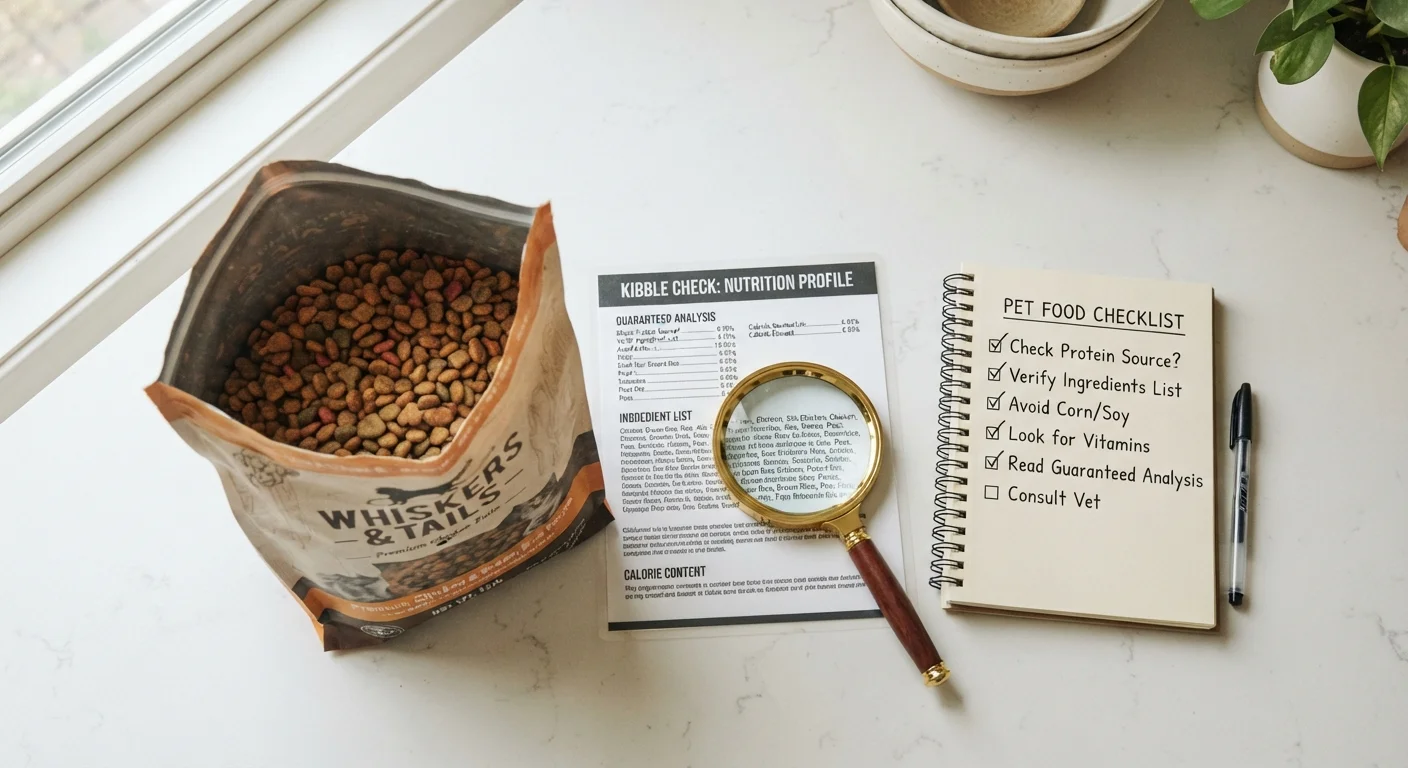
Raw feeding can take two main forms: commercially prepared raw products (frozen or freeze-dried) and home-prepared meals assembled by the owner. Both categories vary enormously in quality, ingredient sourcing, and whether they've been formulated by a qualified professional. For a detailed guide on evaluating any new diet, see our practical pet food evaluation checklist.
AAFCO and Nutritional Standards
The Association of American Feed Control Officials (AAFCO) sets nutrient profiles that commercially sold pet foods should meet. Many raw pet food products have not undergone the feeding trials required to carry an AAFCO 'complete and balanced' statement. When evaluating any raw product, look for whether the label includes an AAFCO nutritional adequacy statement and whether it was established through formulation or actual feeding trials.
The Case For Raw Feeding
Proponents of raw diets point to a range of reported improvements in their pets, and a small body of preliminary research does offer some support for specific claims — though the evidence base is not yet robust enough for broad clinical recommendations.
May improve coat condition and skin health
Many owners report shinier coats and reduced skin irritation after switching to raw. Some researchers attribute this to higher levels of omega fatty acids preserved without heat processing, though controlled studies are sparse.
Higher moisture content supports hydration
Raw meat is naturally high in moisture, which can support kidney and urinary tract health — particularly relevant for cats, who have a naturally low thirst drive and are prone to urinary issues.
Fewer ultra-processed ingredients
Raw diets typically eliminate artificial preservatives, colorings, and fillers found in some lower-quality commercial foods. Reduced processing may preserve certain heat-sensitive nutrients and enzymes.
Raw meaty bones may support dental health
The mechanical action of chewing raw bones can help reduce tartar buildup, a claim supported by some veterinary dental observations — though cooked bones are dangerous and should never be substituted.
Greater owner control over ingredients
Home-prepared raw diets allow owners to select specific protein sources, which can be useful for pets with confirmed food allergies or intolerances when guided by a veterinary nutritionist.
It's worth noting that some of these benefits may reflect the quality and freshness of ingredients rather than the raw nature of the food itself. Understanding what any pet food actually contains is essential — reading pet food labels accurately can help owners make that assessment regardless of diet type.
The Case Against Raw Feeding
Veterinary and public health organizations have raised consistent, evidence-backed concerns about raw diets that owners should weigh seriously before making a switch.
Serious pathogen contamination risk
Studies consistently detect harmful bacteria — including Salmonella and Listeria — in raw pet foods. These pathogens can sicken pets and spread to humans through handling, food surfaces, and pet feces.
Nutritional imbalance is common
Without expert formulation, home-prepared raw diets frequently fail to meet AAFCO nutrient profiles. Deficiencies in calcium, phosphorus, and vitamins D and E have been identified in tested recipes.
High cost and preparation demands
Sourcing quality raw ingredients, maintaining safe storage temperatures, and following strict hygiene protocols requires significant time, space, and financial investment compared to commercial pet food.
Bone-related injury risk
Raw bones, while generally safer than cooked, can still cause tooth fractures, internal lacerations, or intestinal obstruction — risks that vary by bone type, size, and the individual animal.
Not appropriate for all pets
Immunocompromised pets, puppies, kittens, pregnant animals, and senior pets face elevated risks from raw feeding due to higher vulnerability to foodborne illness and greater sensitivity to nutritional imbalances.
Limited clinical evidence for claimed benefits
Despite widespread anecdotal enthusiasm, large-scale, well-controlled studies supporting raw feeding over balanced commercial diets for long-term health outcomes remain largely absent from the peer-reviewed literature.
The American Veterinary Medical Association (AVMA) discourages raw feeding specifically because of the pathogen transmission risks to both animals and humans. These concerns are especially significant in households with children under five, elderly individuals, pregnant people, or anyone with a compromised immune system. Raw diets also sit in a different nutritional landscape than grain-free or plant-based alternatives — for context on those debates, see our comparisons on grain-free pet food and plant-based vs. meat-based diets.
What the Research Actually Shows
The honest answer is that peer-reviewed research on raw pet diets is limited in scale and scope. Most studies are small, short-term, or focused on a single outcome measure like digestibility or fecal microbiome changes. A handful of studies have found improved stool consistency or altered gut bacteria profiles in raw-fed dogs, but these haven't yet translated into clear long-term health outcome data.
74%
Of raw dog foods testing positive for pathogens
A 2018 FDA study of commercially available raw pet food found that 74% of raw dog food samples tested positive for Salmonella or Listeria monocytogenes.
60%+
Of home-prepared raw diets nutritionally incomplete
Research published in the Journal of Nutritional Science (2019) found that the majority of home-formulated raw diets analyzed did not meet minimum AAFCO nutrient recommendations.
What is well-established is the pathogen risk. Multiple studies have detected Salmonella, Listeria monocytogenes, and E. coli in commercial raw pet food products, even those labeled as human-grade. Nutritional adequacy is also a documented concern: a 2019 analysis published in the Journal of Nutritional Science found that a significant proportion of home-prepared raw diets tested did not meet AAFCO nutrient guidelines for one or more essential nutrients.
Owners who are drawn to raw feeding for specific reasons — such as managing food sensitivities — may find that a hydrolyzed protein or limited-ingredient cooked diet, developed with veterinary guidance, achieves similar goals with fewer risks. For broader context on how raw compares to other formats, our overview of wet food vs. dry food nutritional differences covers key variables like moisture and calorie density.
This article is for general informational purposes only and does not constitute veterinary or nutritional advice. Always consult a licensed veterinarian or board-certified veterinary nutritionist before making significant changes to your pet's diet.