Why Grain-Free Diets Became So Popular
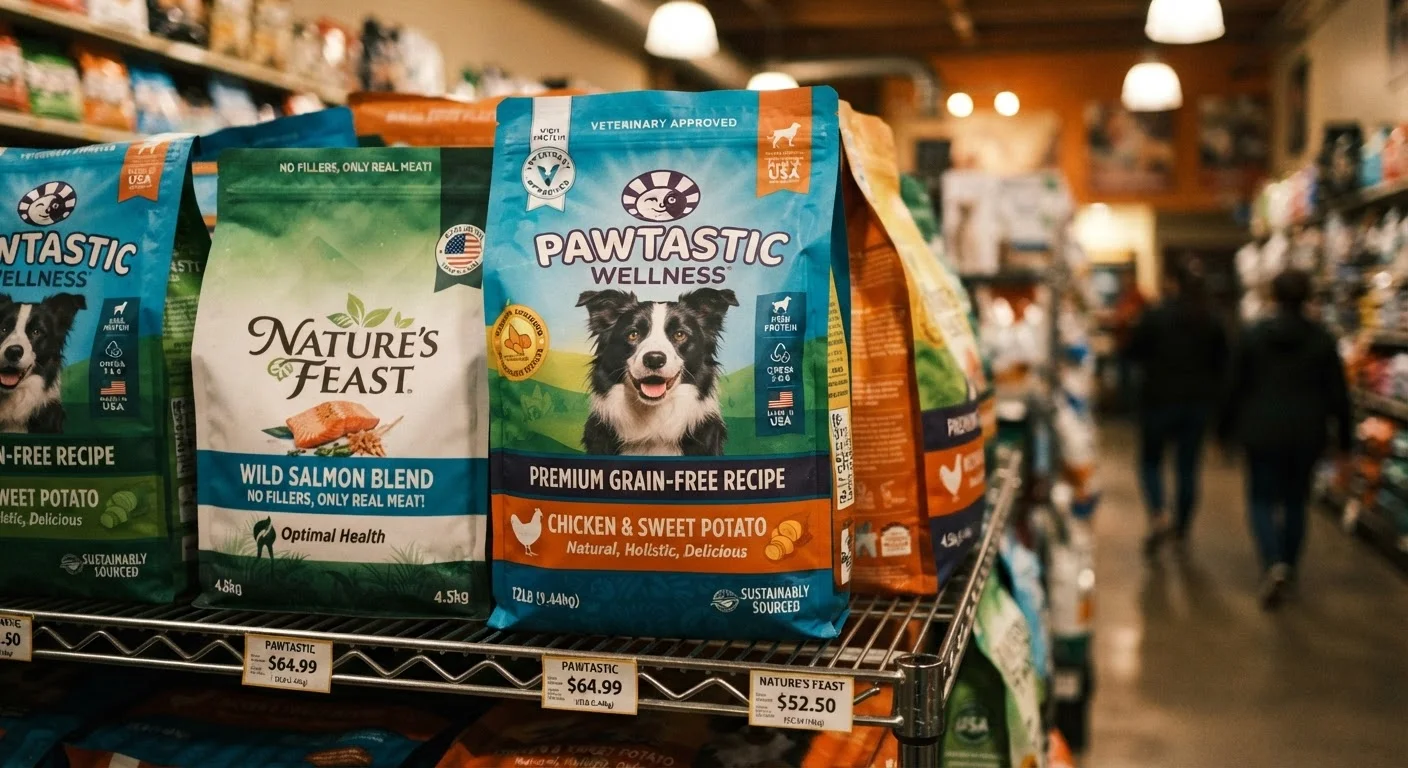
Over the past two decades, grain-free pet food moved from niche health-store shelves to mainstream supermarket aisles. The appeal was straightforward: if ancestral wolves didn't eat corn or wheat, surely removing grains was a step closer to a dog's natural diet. Similar reasoning followed for cats. Marketers leaned in, framing grains as cheap fillers and grain-free formulas as premium, biologically appropriate alternatives.
But popularity is not the same as evidence. Before changing what's in your pet's bowl based on a label claim, it's worth understanding what the research actually shows — and what it doesn't. For a deeper look at how label language can mislead, see how pet food marketing claims rarely mean what you think.
Myth
Grains are just cheap fillers with no nutritional value for pets.
Fact
Whole grains provide digestible carbohydrates, fiber, vitamins, and minerals that contribute meaningfully to a balanced pet diet.
The word "filler" implies an ingredient added purely for bulk without nutritional benefit. In reality, whole grains such as brown rice, oats, and barley supply energy, B vitamins, and dietary fiber that support digestive health. The quality of any ingredient — grain or otherwise — depends on its source, processing, and inclusion level. Refined grains used at high rates are less desirable, but that's a formulation-quality issue, not a grain issue.
Myth
Most pets that do poorly on regular food have a grain allergy.
Fact
True grain allergies in dogs and cats are uncommon; the most frequent dietary allergens are animal proteins such as beef, chicken, and dairy.
Food sensitivities do exist in pets, but peer-reviewed studies consistently show that proteins — not grains — are the most common triggers. A study published in Veterinary Dermatology found beef, dairy, and chicken topping the list of canine food allergens. If your pet shows signs of a food reaction (itching, gastrointestinal upset), a veterinarian-supervised hydrolyzed-protein or novel-protein elimination diet is the diagnostic tool of choice — not a grain-free switch.
Myth
Grain-free diets more closely mirror what dogs and cats eat in the wild.
Fact
Wild canid and feline diets vary considerably, and domesticated pets have physiological differences that make direct wild comparisons unreliable.
Dogs diverged from wolves thousands of years ago and developed adaptations — including additional copies of the amylase gene — that improve starch digestion compared to wolves. Cats are obligate carnivores, but grain-free formulas often substitute legumes and starches that are equally foreign to a wild feline diet. "Ancestral diet" marketing is a simplification; domesticated pets have distinct nutritional needs best addressed by evidence-based formulation, not evolutionary storytelling.
Myth
If a food is grain-free, it must be lower in carbohydrates.
Fact
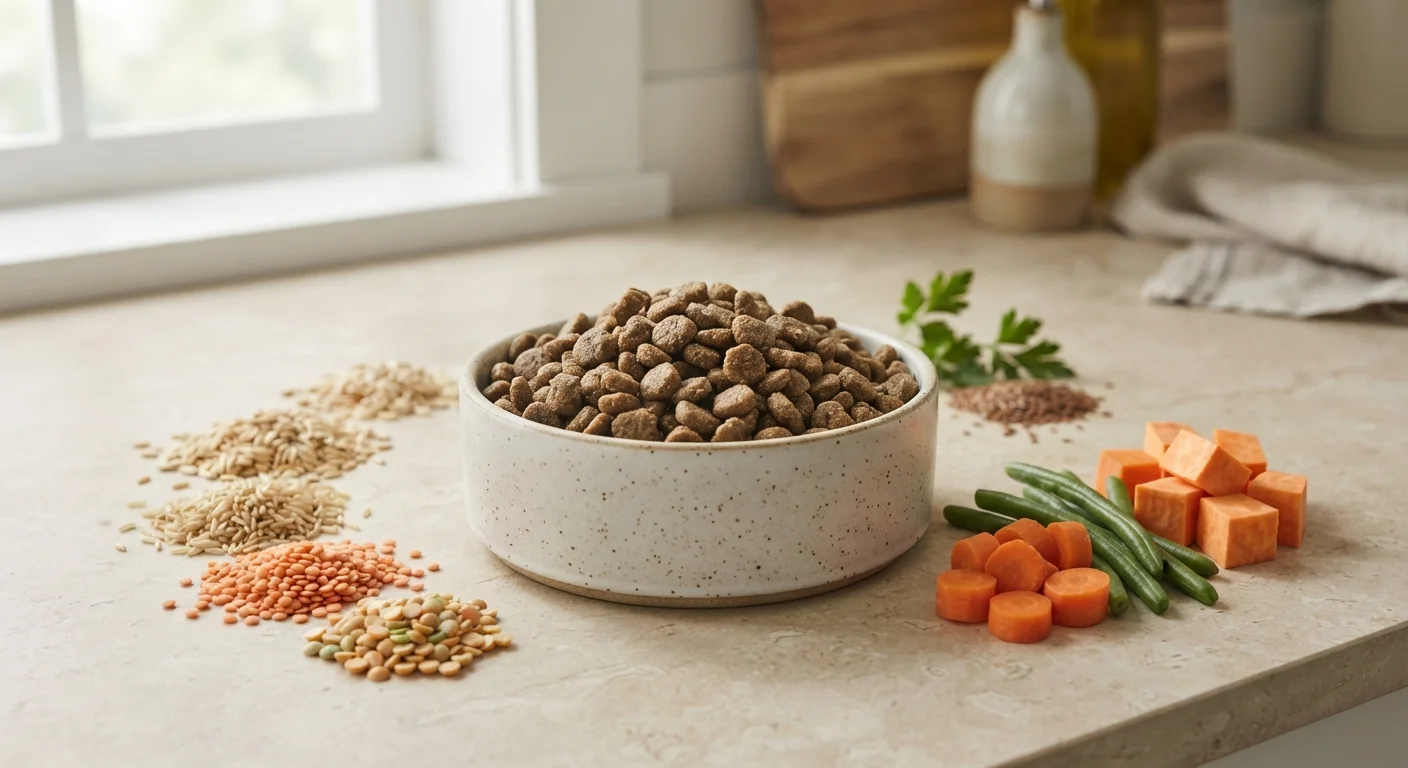
Grain-free formulas frequently replace grains with potatoes, peas, lentils, and other legumes that are equally high — or sometimes higher — in carbohydrates.
Removing oats or rice does not automatically reduce carbohydrate content. Pet food manufacturers must use some binder or starch to form kibble, and legumes and root vegetables are common substitutes. Some grain-free products have carbohydrate levels comparable to grain-inclusive diets. Owners seeking lower-carbohydrate options for specific veterinary reasons should review the guaranteed analysis and speak with their vet, rather than assuming grain-free equals low-carb.
Myth
The FDA confirmed that grain-free food causes heart disease in dogs.
Fact
The FDA identified a potential association worth investigating but has not established a confirmed causal link between grain-free diets and dilated cardiomyopathy.
The FDA's investigation, which began in 2018, noted a signal worth monitoring: a higher-than-expected proportion of DCM cases in dogs eating diets rich in legumes or potatoes. However, association is not causation. The agency explicitly stated that the data were not sufficient to establish a definitive cause. Research into possible mechanisms — including effects on taurine synthesis — is ongoing. This uncertainty is itself a reason for caution, not a confirmed verdict against grain-free feeding.
The FDA Investigation and What It Means
In 2018, the U.S. Food and Drug Administration (FDA) began investigating a potential association between grain-free diets and dilated cardiomyopathy (DCM) — a serious heart condition — in dogs. The agency's reports noted that a disproportionate number of DCM cases involved dogs eating diets high in legumes (such as peas and lentils), potatoes, or both, which are common grain replacements in grain-free formulas.
Talk to Your Vet Before Switching Diets
If you are considering a grain-free diet for your dog, discuss it with your veterinarian — particularly if your dog is a breed predisposed to heart disease (such as Doberman Pinschers, Golden Retrievers, or Boxers). Your vet can help you weigh the potential risks and benefits based on your individual pet's health status, age, and breed. Do not rely solely on marketing claims or online forums for this decision.
Importantly, researchers have not established a confirmed causal link. The investigation remains ongoing, and the mechanism — if one exists — is not yet fully understood. Some hypotheses focus on nutrient bioavailability or taurine metabolism, but no definitive conclusion has been published. What the inquiry does establish is that removing grains introduces other ingredients whose long-term effects at high inclusion rates are still being studied.
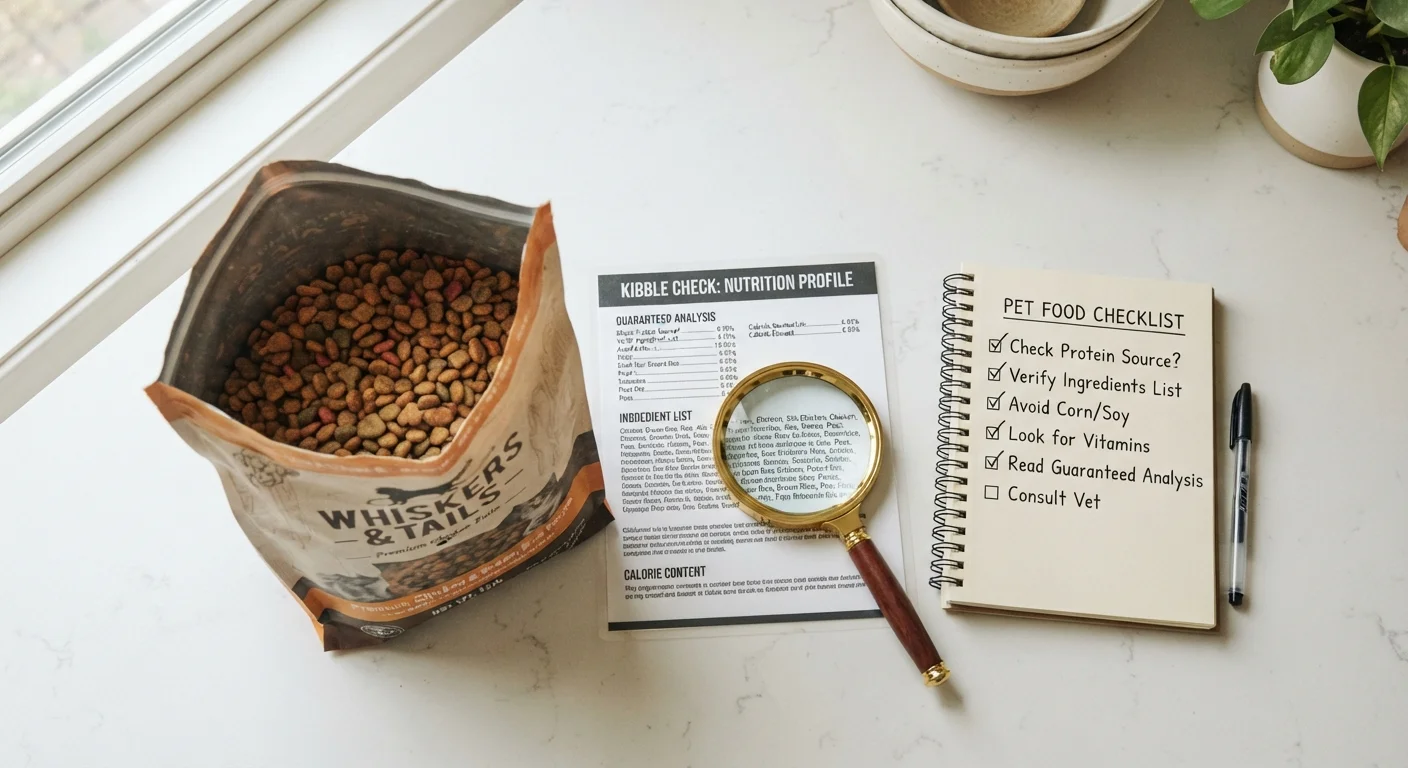
This underscores a core principle of pet nutrition: novel formulations should be evaluated with the same scrutiny as any other dietary change. If you're assessing a new food for your pet, a practical checklist for evaluating new pet foods can help you ask the right questions.
~90%
Food allergy cases involving animal proteins
Veterinary dermatology research consistently finds that the large majority of confirmed pet food allergies involve proteins like beef, chicken, or dairy — not grains.
560+
Dog DCM cases flagged in FDA reports
The FDA's 2019 update on its DCM investigation reported over 560 cases, with a notable proportion linked to diets high in peas, lentils, or potatoes.
Making a Confident, Evidence-Based Choice
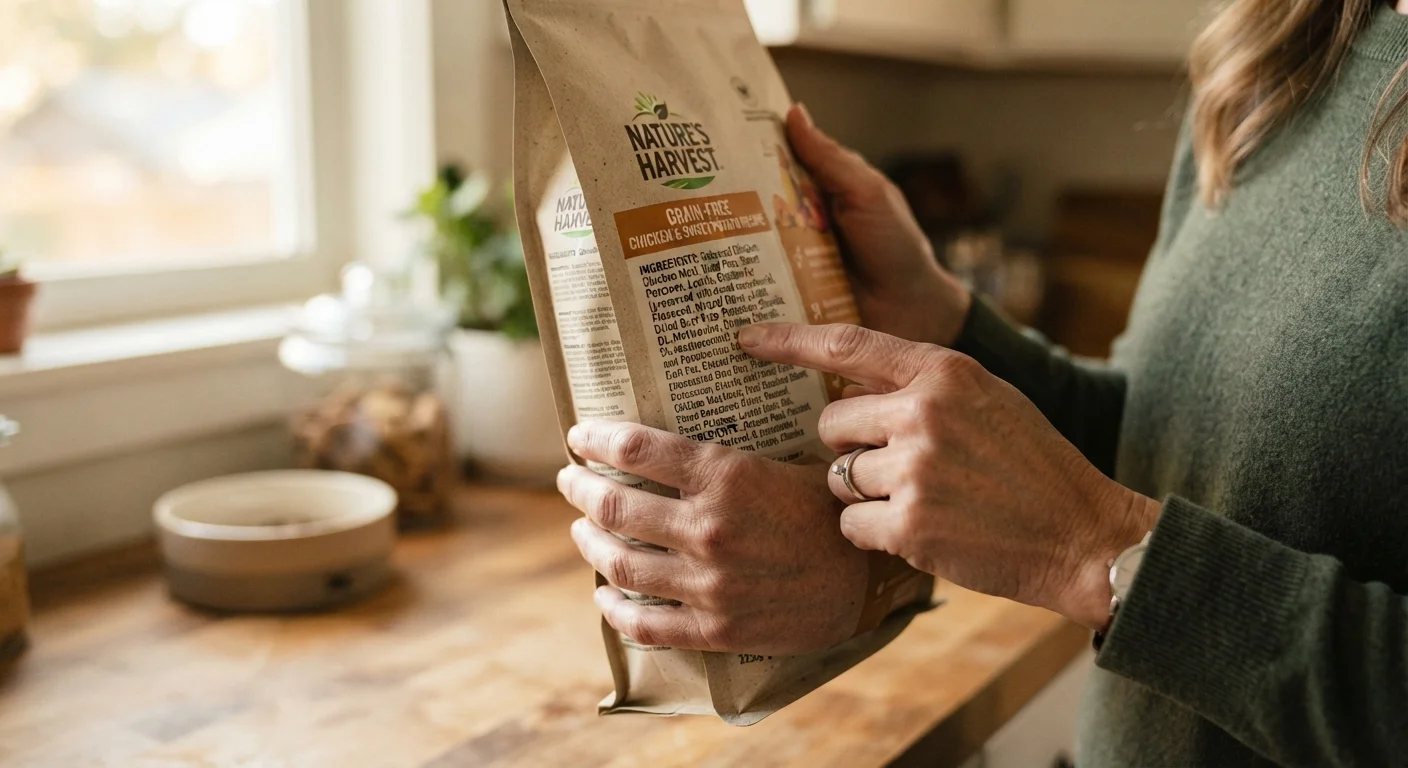
Veterinary nutritionists broadly recommend looking beyond ingredient trends and focusing on nutritional adequacy. A food that carries an AAFCO (Association of American Feed Control Officials) nutritional adequacy statement — especially one backed by feeding trials rather than just formulation — has met established minimum standards. Understanding how to read that statement is half the battle; what pet food labels are actually telling you walks through exactly how.
If your pet has a diagnosed food sensitivity, work with your veterinarian to identify the actual trigger through an elimination diet. The culprit is far more likely to be an animal protein than a grain. For pets with no diagnosed condition, a complete and balanced diet — grain-inclusive or otherwise — formulated by a board-certified veterinary nutritionist is generally a sound choice.
Don't Self-Diagnose Food Allergies
Switching to grain-free food without veterinary guidance is not an effective way to manage suspected food allergies. Only a strict elimination diet — typically using a novel or hydrolyzed protein source for 8–12 weeks — can reliably identify dietary triggers. An unsupervised switch may mask symptoms temporarily without resolving the underlying cause, delaying proper diagnosis and care.
The grain-free debate also intersects with broader questions about how dogs and cats differ metabolically. Dogs are omnivores capable of digesting starches efficiently; cats are obligate carnivores with different carbohydrate needs. For a direct comparison of how diet type affects each species, see plant-based vs. meat-based pet diets.
This article is for general informational purposes only and is not a substitute for professional veterinary advice. Always consult a licensed veterinarian before making significant changes to your pet's diet.