Why Pet Food Labels Can Feel So Hard to Read
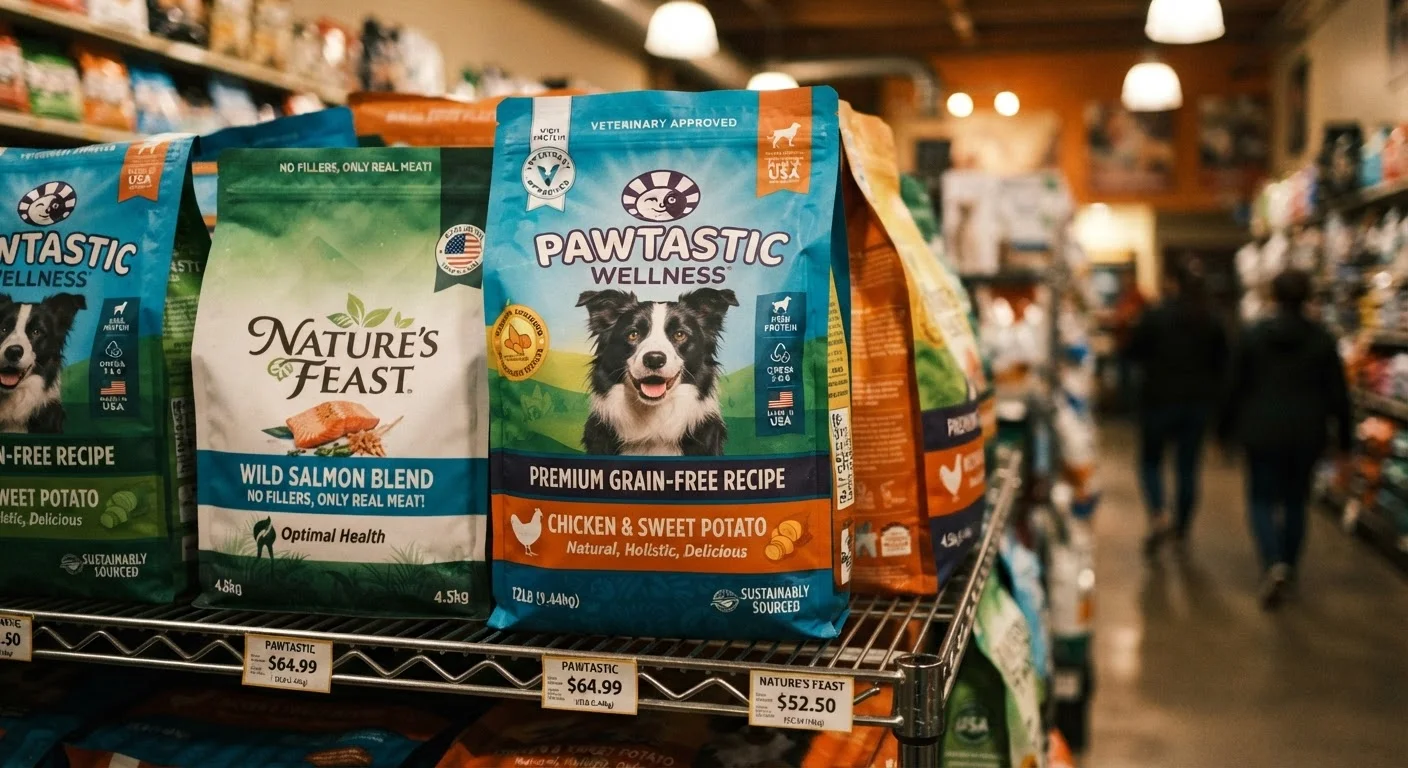
Pet food packaging is designed to sell as much as inform. The front of the bag is marketing territory - phrases like 'holistic,' 'human-grade,' and 'grain-free' are largely unregulated and tell you little about actual nutritional value. The useful information lives on the back or side panel, and once you know what each section does, it becomes much easier to assess what you're actually buying.
In the US, pet food labeling is governed by the FDA at the federal level, with additional oversight from individual state feed control officials who generally follow model regulations developed by AAFCO. For a closer look at how those standards are constructed, see our article on what AAFCO standards actually mean.
AAFCO Does Not 'Approve' Pet Foods
A common misconception is that AAFCO certifies or approves individual pet food products. It does not. AAFCO publishes model regulations and nutrient profiles that state agencies and manufacturers use as a reference framework. When a label says a food 'meets AAFCO nutritional profiles,' that claim is made by the manufacturer and may be reviewed by state feed control officials.
Breaking Down the Ingredient List
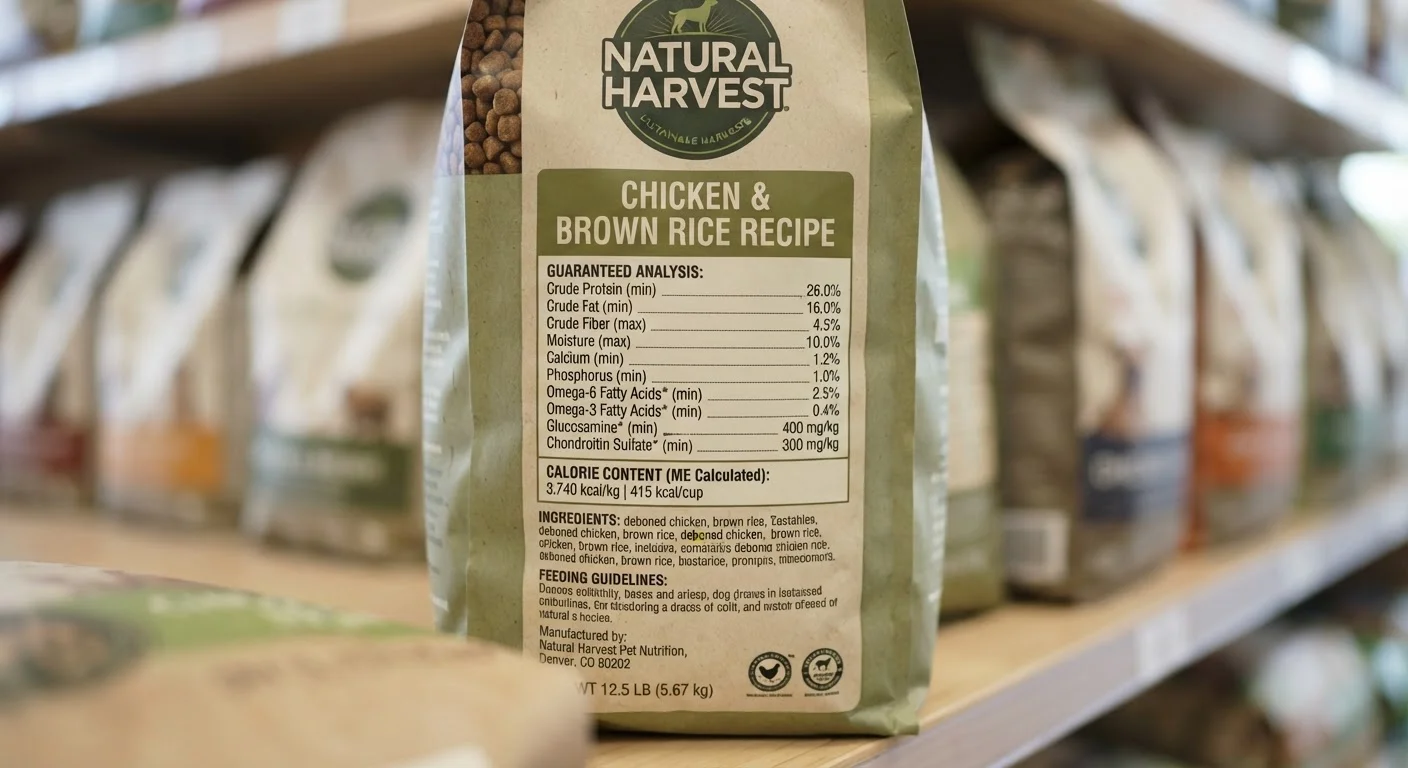
Ingredients must be listed in descending order by weight - including their moisture content - before processing. This matters because whole meats like chicken breast are roughly 70% water. After cooking, the actual dry contribution of that ingredient shrinks considerably, which can make a meat-first label somewhat misleading.
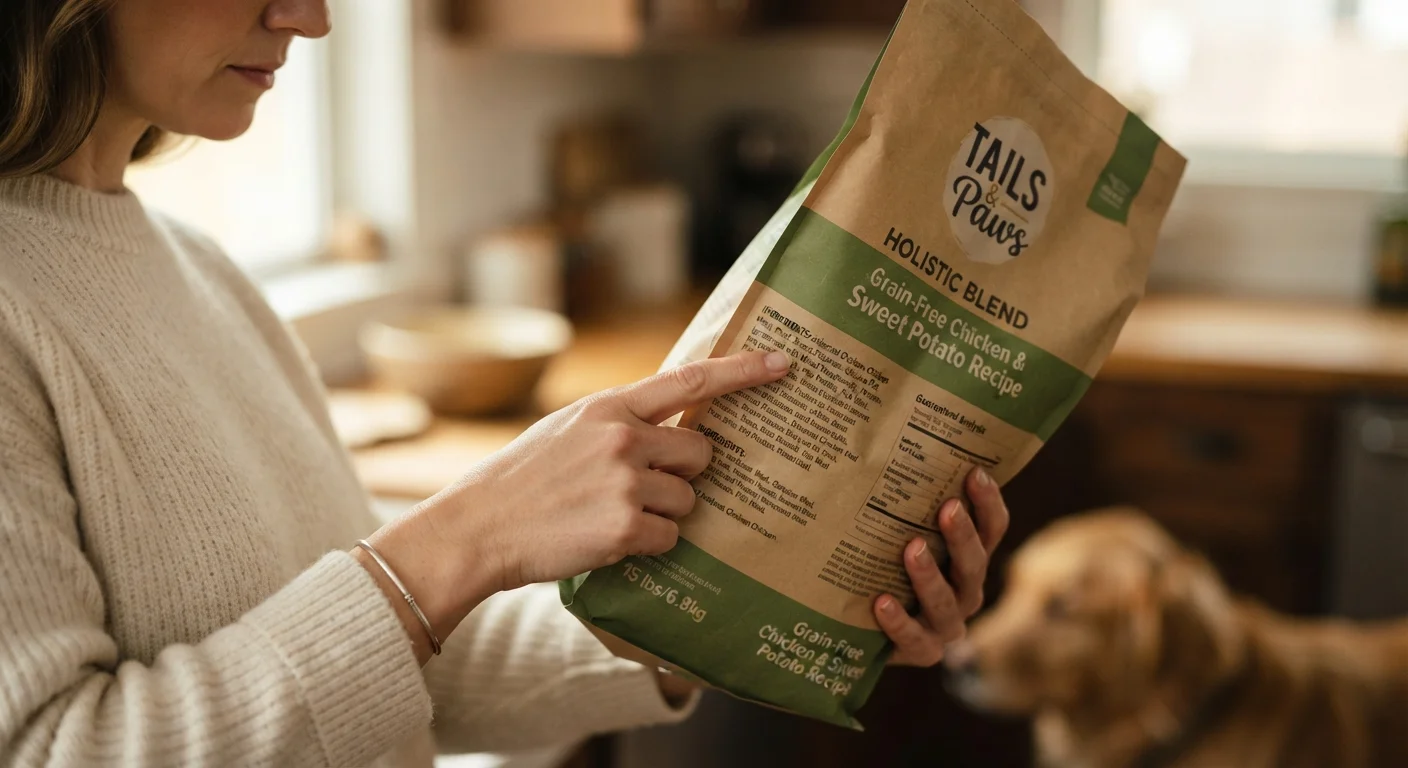
Watch for ingredient splitting, a practice where a single ingredient (say, peas) appears multiple times under slightly different names - pea protein, pea flour, pea fiber - pushing each entry further down the list and making other ingredients appear more prominent than they really are.
By-products, preservatives, and added vitamins are not automatically red flags. Organ meats are nutrient-dense; approved synthetic preservatives like mixed tocopherols (a form of vitamin E) are generally considered safe. Rather than reacting to unfamiliar names, look up any ingredient you're unsure about using a credible veterinary source. The marketing claims guide covers which front-of-bag terms are actually regulated.
The Guaranteed Analysis Panel Explained
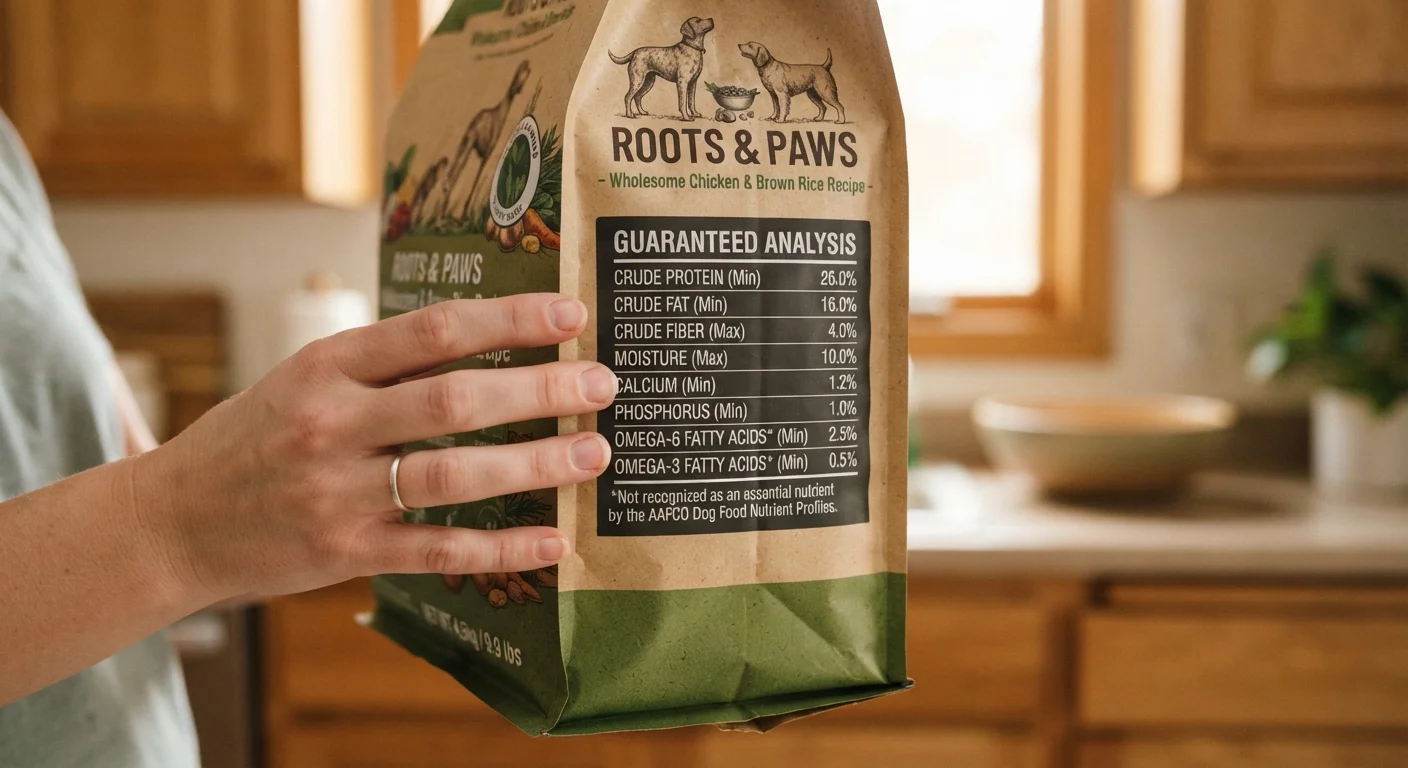
The guaranteed analysis panel is required by law and lists four core values: minimum crude protein, minimum crude fat, maximum crude fiber, and maximum crude moisture. Note the qualifiers - minimums and maximums, not exact amounts. A food guaranteeing 'minimum 26% crude protein' could contain significantly more.
One important caveat: comparing wet and dry foods directly using these percentages is misleading because moisture content varies so dramatically. A wet food with 78% moisture and a dry food with 10% moisture need to be compared on a dry matter basis - stripping out moisture mathematically before comparing nutrients. Our breakdown of the guaranteed analysis panel walks through how to do that calculation. You can also explore how moisture affects the comparison in our piece on wet food versus dry food nutrition.
4
Required fields in every guaranteed analysis panel
US regulations require pet food labels to declare minimum crude protein, minimum crude fat, maximum crude fiber, and maximum moisture - per AAFCO model regulations.
~70%
Water content of raw chicken by weight
Because ingredients are listed by pre-processing weight, high-moisture ingredients like fresh meat may contribute less dry matter than their position on the list implies.
2
Ways to substantiate an AAFCO nutritional adequacy claim
Manufacturers can either formulate to AAFCO nutrient profiles or conduct an AAFCO-protocol feeding trial - the latter being a more rigorous real-world test.
The AAFCO Nutritional Adequacy Statement
This is arguably the most important sentence on the entire package. It tells you whether the food is formulated to be nutritionally complete and balanced - and for which life stage. AAFCO recognizes three life stage categories: growth (puppies and kittens), adult maintenance, and all life stages.
A food labeled for 'all life stages' must meet the higher nutrient requirements of growth, making it acceptable for puppies and kittens but potentially higher in calories and certain nutrients than an adult pet needs. A food labeled 'for supplemental feeding only' is not nutritionally complete on its own and should not be used as a primary diet without veterinary guidance.
There are two ways a manufacturer can substantiate this claim: by formulating to meet AAFCO nutrient profiles, or by completing an AAFCO feeding trial. Feeding trials are generally considered a stronger form of evidence because they demonstrate real-world digestibility and palatability, not just calculated nutrient content.
Before switching your pet to a new food, use our practical checklist for evaluating a new pet food to run through the key questions.
“The ingredient list tells you what's in the food, but not how much of each nutrient the animal actually absorbs. That's why the guaranteed analysis and the nutritional adequacy statement are so important - they bring you closer to the nutritional reality of what's in the bowl.”
— Veterinary Nutrition Advisory, General guidance from veterinary nutrition education resources
This article is for informational purposes only and does not constitute veterinary or nutritional advice. Always consult a licensed veterinarian before making significant changes to your pet's diet.