Who Is AAFCO and What Does It Actually Do?
The Association of American Feed Control Officials is a non-governmental, voluntary membership body made up of state and federal regulatory officials who oversee the sale and distribution of animal feed and pet food. AAFCO's core contribution to pet food regulation is publishing nutrient profiles — detailed tables specifying the minimum (and, for some nutrients, maximum) levels of proteins, fats, vitamins, and minerals required in a diet for dogs or cats at different life stages.
Crucially, AAFCO does not have the authority to approve, certify, or recall pet food products. That enforcement role falls to individual state feed control officials, who adopt AAFCO's model regulations as the legal framework in their jurisdictions. Think of AAFCO as the standard-setter and the states as the enforcers. Understanding this distinction matters: seeing 'formulated to meet AAFCO nutrient profiles' on a bag tells you about the standard used, not who verified it.
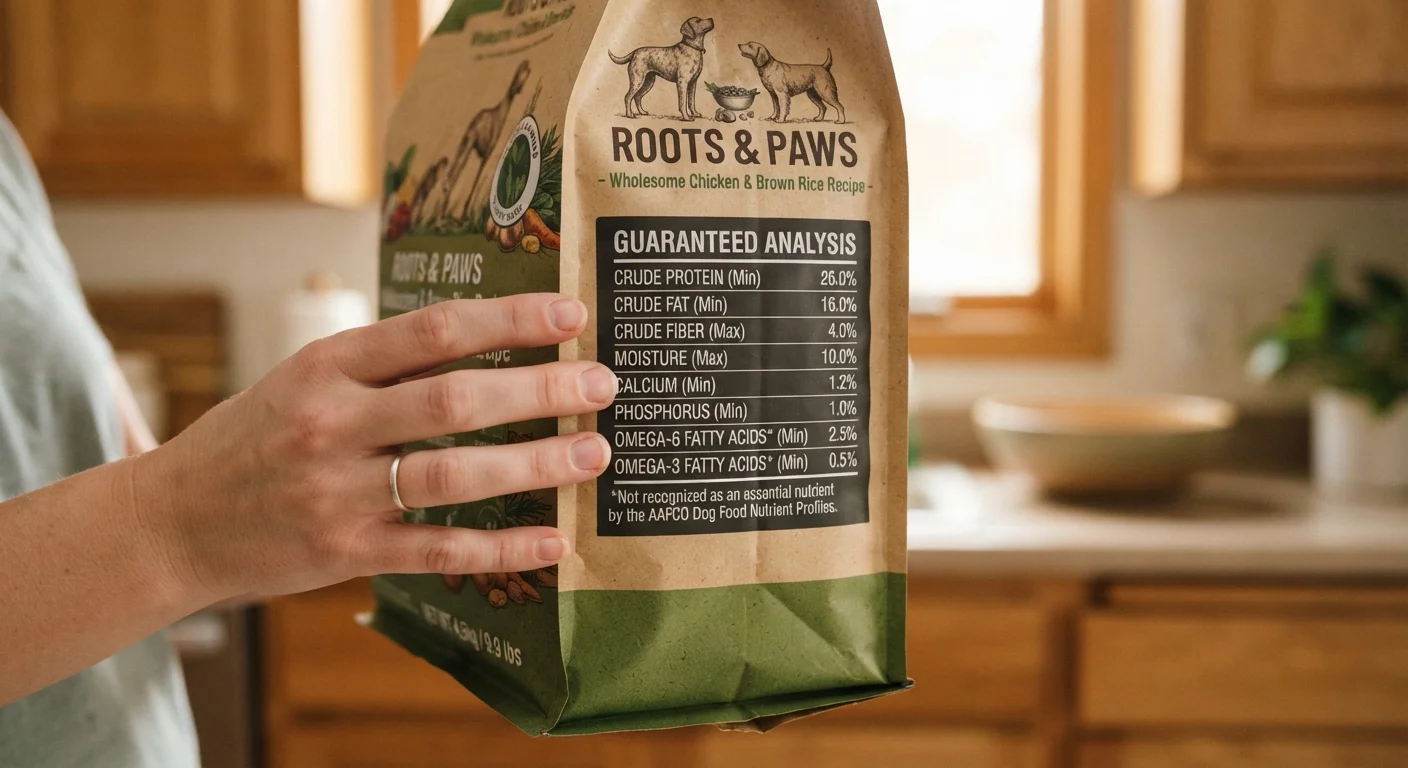
For a broader look at how label language works together, see our guide on what pet food labels are actually telling you.
AAFCO Is Not a Federal Regulator
AAFCO is a voluntary, non-governmental organization — it has no direct enforcement authority. Federal oversight of pet food comes primarily from the FDA under the Federal Food, Drug, and Cosmetic Act, while day-to-day product regulation is handled at the state level. AAFCO's nutrient profiles and model regulations are tools that state officials use, not mandates from a federal body.
Two Ways to Claim 'Complete and Balanced'
A manufacturer can substantiate a 'complete and balanced' claim using one of two methods, and the method used must be disclosed on the label — though it's often printed in small type near the AAFCO statement.
Nutrient Profile Formulation
The manufacturer either formulates the recipe to meet AAFCO's nutrient levels on paper, or sends a finished sample to a laboratory for chemical analysis. If the nutrient levels fall within AAFCO's specified ranges for the target life stage, the claim is substantiated. This is the more common and less expensive approach.
Feeding Trials
Under AAFCO's feeding trial protocols, the food is fed to a group of animals for a specified period. Blood work and clinical observations are used to confirm the animals remain in good health. This method tests whether nutrients in the food are actually absorbed and used by the body — a question chemical analysis alone cannot answer. Foods that have passed feeding trials often state something like 'animal feeding tests using AAFCO procedures substantiate that provides complete and balanced nutrition.'
Neither method is a guarantee of optimal nutrition for every individual pet, but feeding trial substantiation is generally considered stronger real-world evidence by many veterinary nutritionists.
How to Find the Substantiation Method
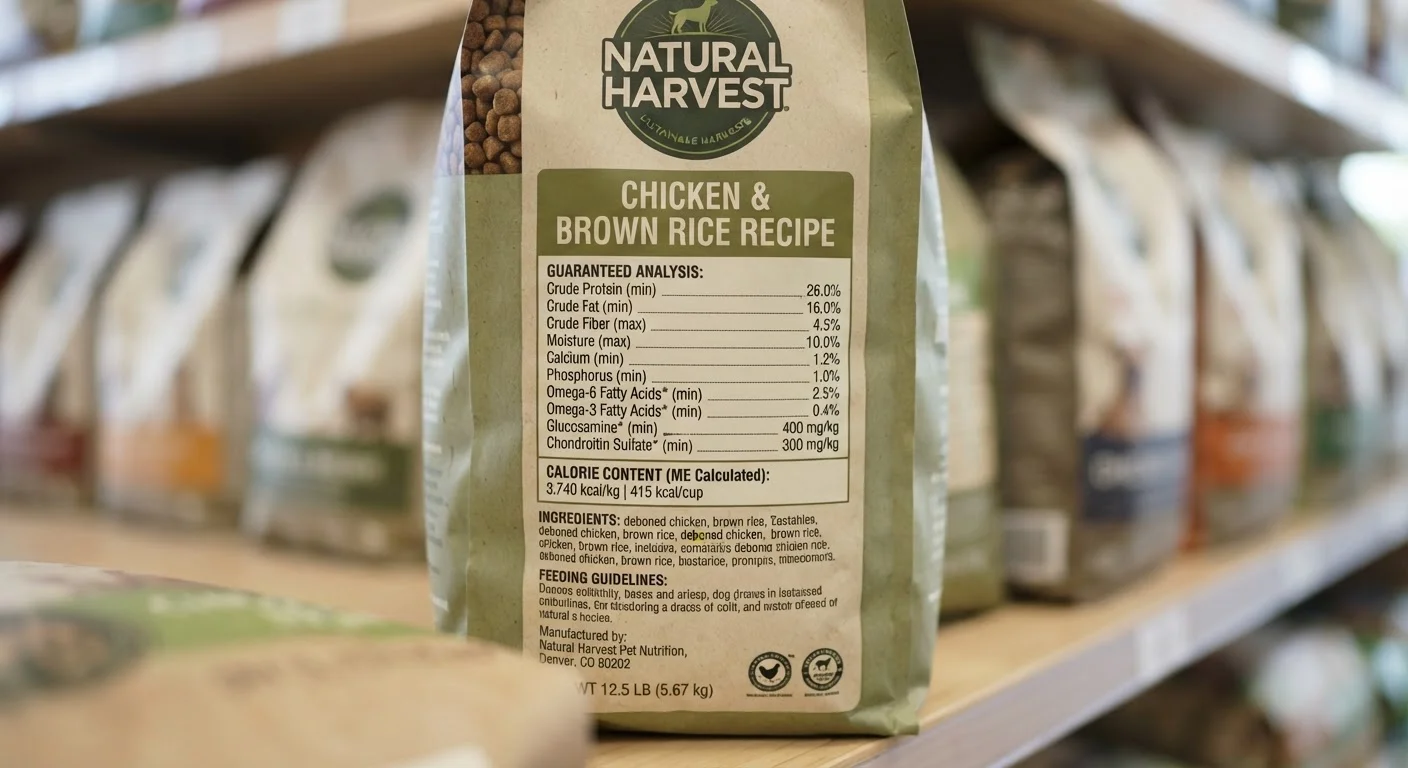
Look for the AAFCO statement on the back or side panel of the food packaging, usually near the ingredient list or feeding guidelines. It will either reference 'formulated to meet' a nutrient profile or mention 'animal feeding tests.' If you can't find either phrase, the food may not carry a complete and balanced claim at all — which means it should not be used as a sole diet.
Life Stage Matters: Reading the Fine Print
Every AAFCO 'complete and balanced' statement must specify a life stage. The main categories are: growth (for puppies or kittens), adult maintenance, reproduction (for pregnant or lactating animals), and all life stages. A food labeled for adult maintenance is not required to contain enough calcium, phosphorus, or certain vitamins to support a growing puppy — and feeding it to one could result in nutritional deficiencies over time.
'All life stages' foods meet the most demanding profile (growth and reproduction), which means they typically contain higher levels of certain nutrients than an adult-only pet needs. For most healthy adult pets, this is not harmful, but it may not be ideal either. Your veterinarian is the right person to help assess whether a specific food's nutrient profile fits your pet's current life stage and health status.
To understand the specific numbers behind a label's nutritional claims, our breakdown of reading the guaranteed analysis panel walks through each figure in plain terms.
2
AAFCO substantiation methods for 'complete and balanced'
Manufacturers may use either nutrient profile formulation or AAFCO-protocol feeding trials — and the method used must be disclosed on the label.
4
Life stage categories in AAFCO dog and cat profiles
AAFCO defines nutrient profiles for growth, adult maintenance, reproduction, and all life stages — and a food's claim applies only to the stage listed.
What AAFCO Standards Don't Guarantee
Meeting AAFCO standards means a food clears a defined nutritional floor — it is not a signal that the food is optimal, premium, or free of quality concerns. AAFCO profiles do not address ingredient sourcing, manufacturing hygiene, palatability, or how well a particular animal absorbs a given food's nutrients (known as bioavailability).
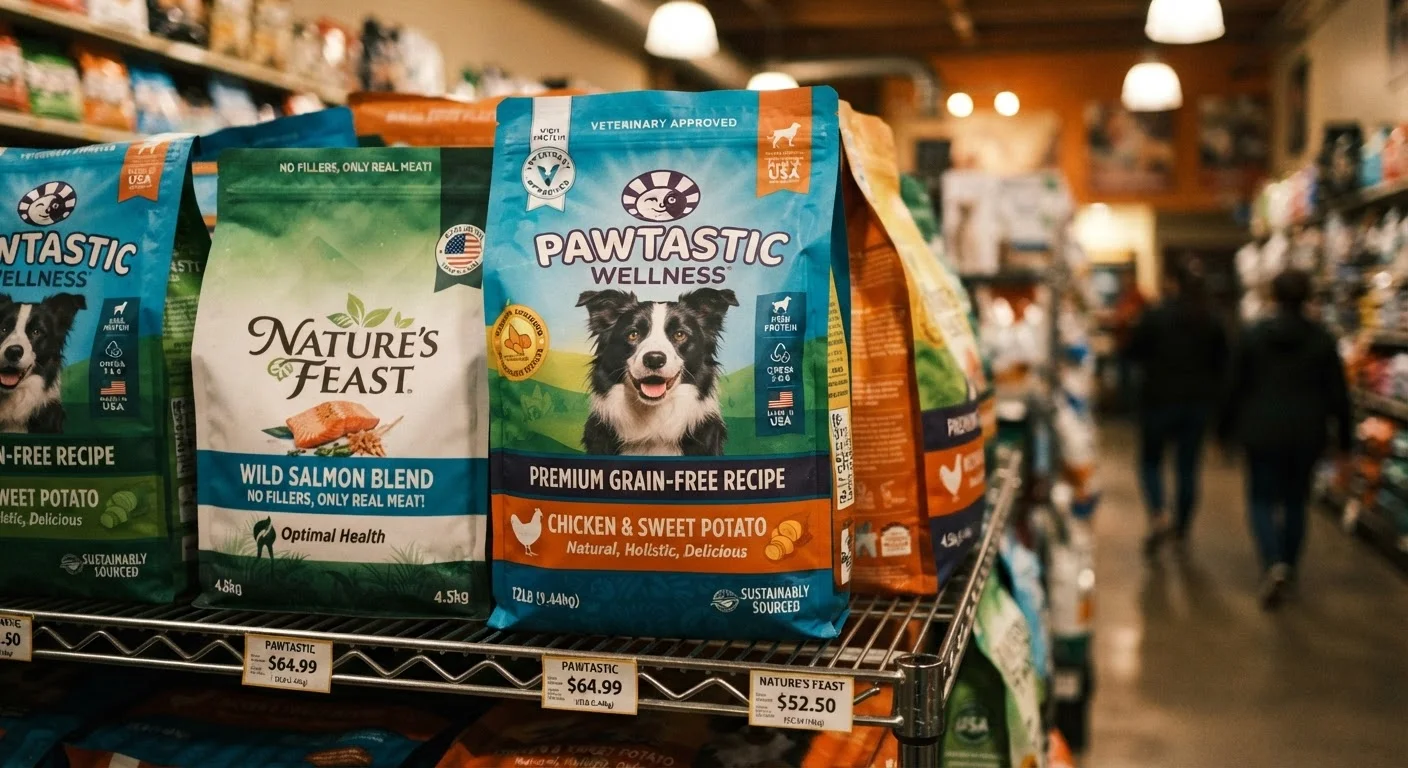
Marketing language can obscure this reality. Terms like 'holistic,' 'natural,' or 'human-grade' carry little or no regulatory definition and say nothing about whether a product meets AAFCO nutritional standards. For a closer look at those terms, see our article on marketing claims on pet food that rarely mean what you think.
AAFCO standards are also periodically updated as nutritional science evolves, so a profile that was current a decade ago may not reflect the latest research. When evaluating a new food, consulting a veterinarian or board-certified veterinary nutritionist — particularly for pets with health conditions — provides context that a label alone cannot offer. Our practical checklist for evaluating a new pet food can also help you structure that assessment.
This article is for informational purposes only and is not a substitute for professional veterinary advice. Always consult a qualified veterinarian for guidance specific to your pet's health and dietary needs.