What Sets Native and Ornamental Plants Apart
A native plant is one that evolved naturally in a specific region - without human introduction - and developed relationships with local insects, birds, soil microbes, and climate patterns over thousands of years. An ornamental import is a species (or cultivar) brought from another region or country, selected primarily for visual appeal: unusual flower color, striking foliage, or a growth habit not found in local flora.
Neither category is monolithic. Natives vary enormously by region - a plant native to the Pacific Northwest may be as foreign to Texas as any European import. Ornamental imports range from well-behaved garden staples that stay put to aggressive spreaders that overwhelm local ecosystems. Understanding these distinctions is the first step toward making a choice that works for your specific yard.
For a broader framework on reducing yard effort through smart plant selection, see our guide to low-maintenance yard design.
Maintenance Demands: A Side-by-Side View
Maintenance is often where homeowners feel the difference most directly.
Native plants, once past their establishment period (typically one to two growing seasons), are adapted to local rainfall cycles and rarely need supplemental fertilizer. Their root systems often run deep, improving drought tolerance and reducing the need for irrigation. Pest pressure also tends to be lower because local predator insects have co-evolved alongside them.
Ornamental imports frequently require more active support: supplemental watering during dry spells, periodic fertilization, and sometimes pest management for insects they have no natural resistance to. Some imports also need deadheading, staking, or winter protection that native species simply don't.
That said, some ornamental imports - particularly those from climates similar to your own - can settle in with minimal fuss. Matching a plant's origin climate to your local conditions is a useful screening tool.
| Native Plants | Ornamental Imports | |
|---|---|---|
| Water needs (established) | Low - adapted to local rainfall | Moderate to high - often needs supplemental irrigation |
| Fertilizer requirements | Minimal - suited to local soils | Often needed for optimal performance |
| Pest resistance | Generally higher - co-evolved with local insects | Variable - may lack local predator support |
| Wildlife and pollinator value | High - supports native bee, bird, butterfly species | Generally lower for specialist species |
| Invasive risk | None by definition | Varies widely - check state invasive lists |
| Aesthetic variety | Strong regionally, may be limited for specific looks | Wide range of colors, forms, and bloom times |
| Establishment period | 1-2 seasons before low-input performance | Varies by species and climate match |
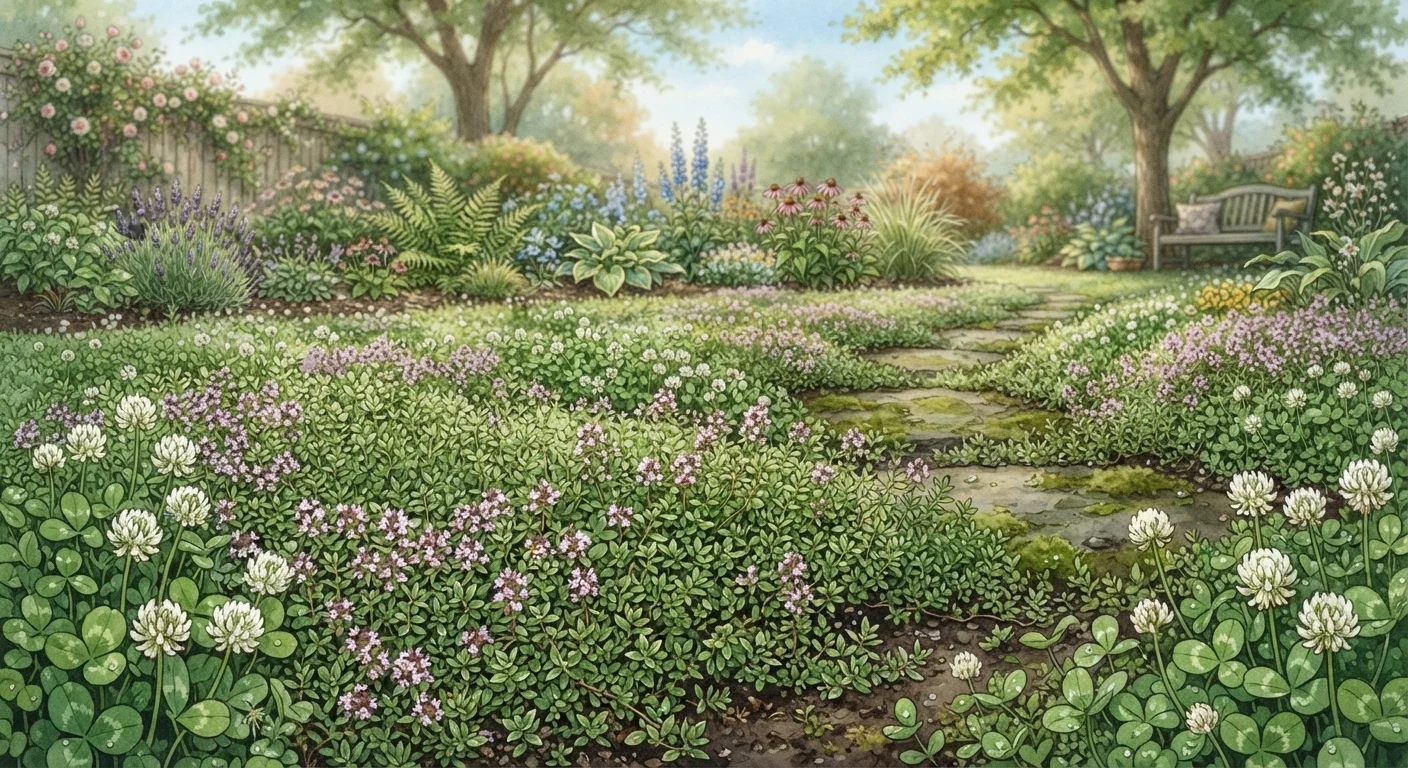
For ground-level plantings that reduce mowing effort, our article on ground covers that replace grass covers several native and near-native options worth considering.
Ecological Impact: Habitat, Pollinators, and Invasive Risk
Plants don't exist in isolation - they interact with soil, water, insects, and birds in ways that ripple through a neighborhood ecosystem. This is where the native vs. import distinction carries the most weight.
Research in the field of urban ecology consistently finds that native plants support significantly higher numbers of native bee, butterfly, and bird species than ornamental imports do. This is partly because many specialist insects can only complete their life cycles on specific plant genera they evolved with. Planting natives - even in a modest garden bed - can meaningfully contribute to local food webs.
The ecological concern with some ornamental imports is their potential to spread beyond the garden. Species that reproduce prolifically or disperse seeds widely can establish in natural areas and out-compete native vegetation. Each US state maintains its own invasive species list, and what's benign in one state may be regulated in another. Checking your state's invasive plant council resources before purchasing is a practical habit, not an overreaction.
Check State Invasive Lists Before You Plant
Many ornamental species sold at garden centers are listed as invasive in at least some US states. Before buying an unfamiliar import, search your state's invasive plant council website or your local cooperative extension service. This takes only a few minutes and can prevent years of unwanted spreading. When in doubt, ask a local nursery that specializes in native plants.
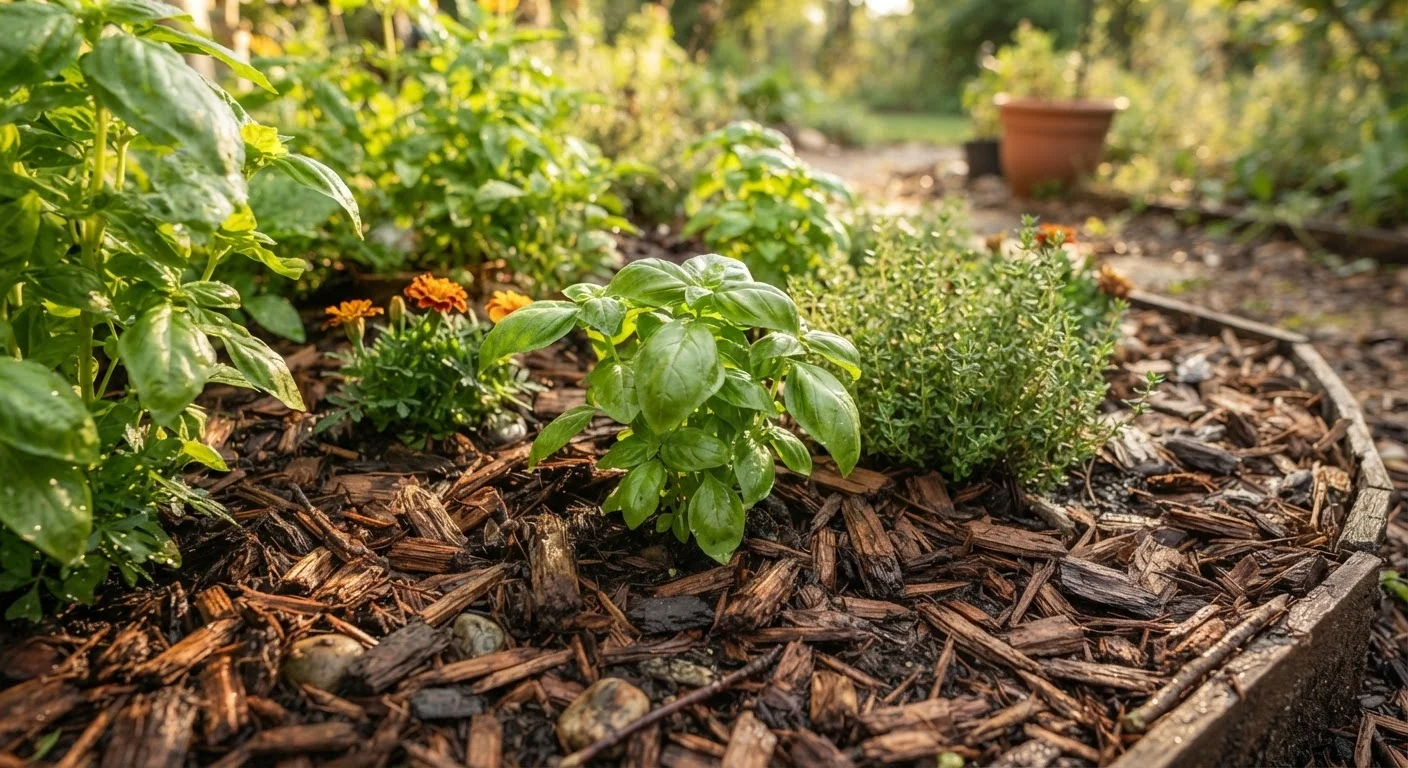
Good mulching practices can help suppress volunteers and escapees from garden beds - our guide to mulching garden beds walks through the methods that actually work.
Choosing What Belongs in Your Yard
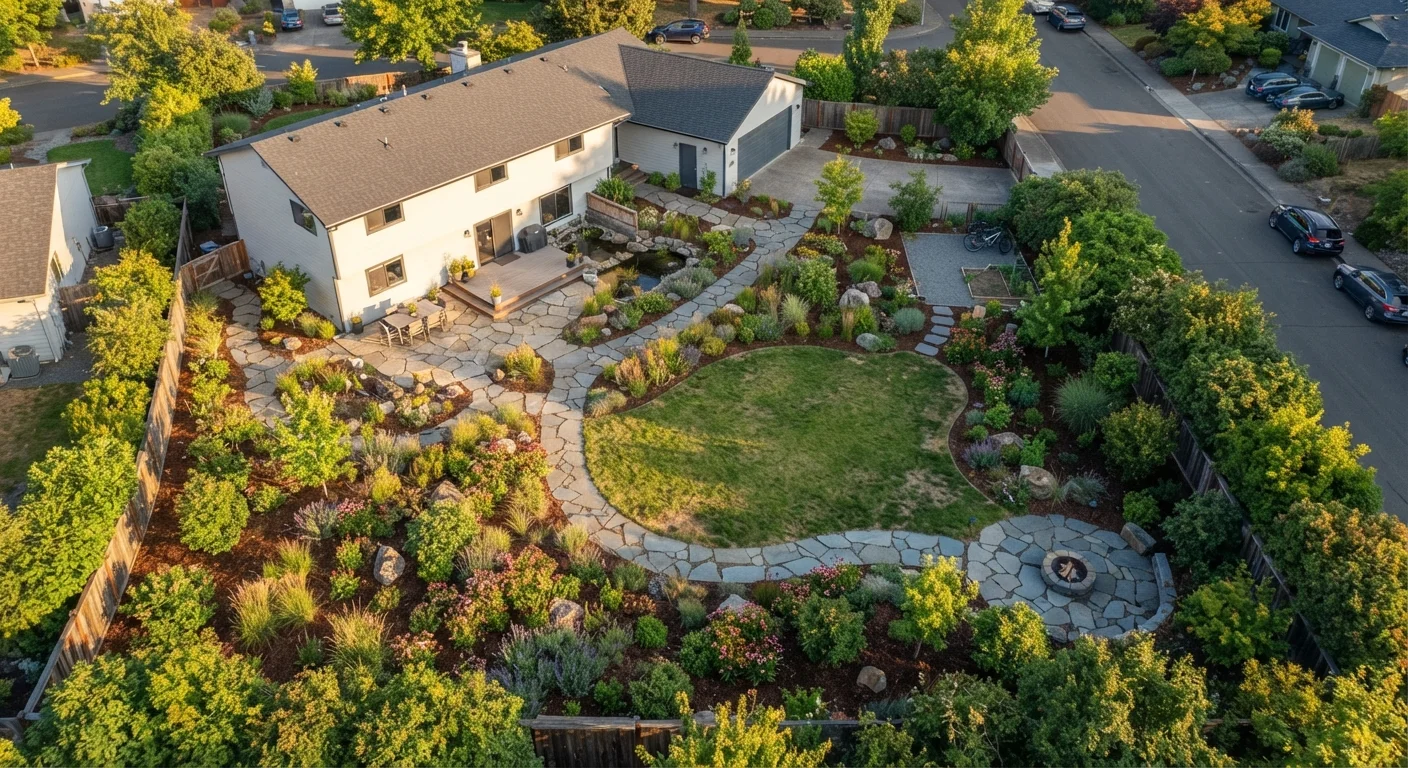
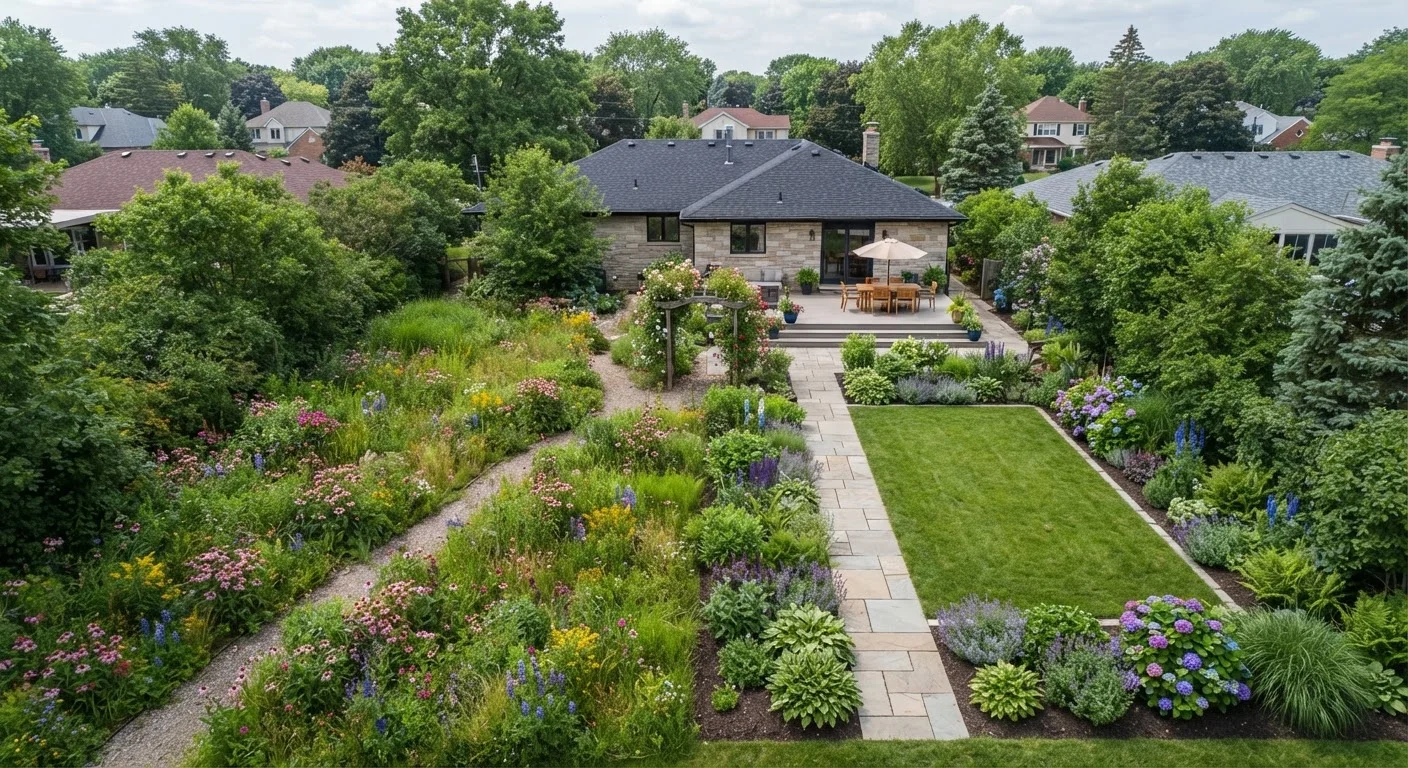
For most US homeowners, the most practical approach is a native-forward foundation with selective ornamentals. This means using regionally native trees, shrubs, and perennials as the structural backbone of your yard - the plants that fill large areas, anchor borders, and provide seasonal interest year-round. Ornamental imports can then serve as deliberate accents where a specific aesthetic goal isn't achievable with local species.
A few practical principles:
- Start with your region's plant palette. Native plant societies in most states publish regionally specific lists organized by soil type, sun exposure, and moisture level.
- Avoid invasive species regardless of aesthetics. A beautiful plant that spreads aggressively creates long-term problems that outweigh short-term visual appeal.
- Think about the whole plant year. Many natives offer fall color, interesting seed heads, or winter structure that ornamentals don't match.
- Budget for establishment. Even natives need watering during their first summer. Plan accordingly rather than assuming zero care from day one.
If you're rethinking your planting beds from the ground up, our comparison of raised beds vs. in-ground planting can help you decide which growing structure best suits your goals before you commit to a plant palette.