
Why the First Year Is the Riskiest
Passing a driving test is a meaningful milestone, but it marks the beginning of real learning, not the end. The structured environment of lessons - a dual-control car, a watchful instructor, predictable test routes - provides no equivalent to the variability of solo driving. Night conditions, highway merges, unpredictable cyclists, and adverse weather all arrive without a safety net.
The result is a well-documented pattern: collision rates are highest in the months immediately following licensure, then gradually decline as experience accumulates. Understanding the specific misjudgements that drive this pattern is the most direct route to shortening it.
~3x
Crash risk for drivers aged 16-19 vs. adults
According to the CDC, teen drivers aged 16-19 are nearly three times more likely to be involved in a fatal crash per mile driven than drivers aged 20 and older.
56%
Teen crashes involving driver error
The AAA Foundation for Traffic Safety has found that driver error - including distraction, speeding, and misjudging gaps - is a factor in a majority of serious crashes involving teen drivers.
The Most Common Mistakes - and How to Correct Them
The errors below are not signs of carelessness or bad character. They are predictable consequences of inexperience, and every driver who has put in the miles has navigated through most of them. Recognising them in advance gives new drivers a meaningful advantage.
Misjudging speed and following distance, especially on faster roads.
Why it happens: Test routes rarely include extended highway or high-speed driving, so new drivers lack calibrated instinct for how quickly distance closes at 65 mph.
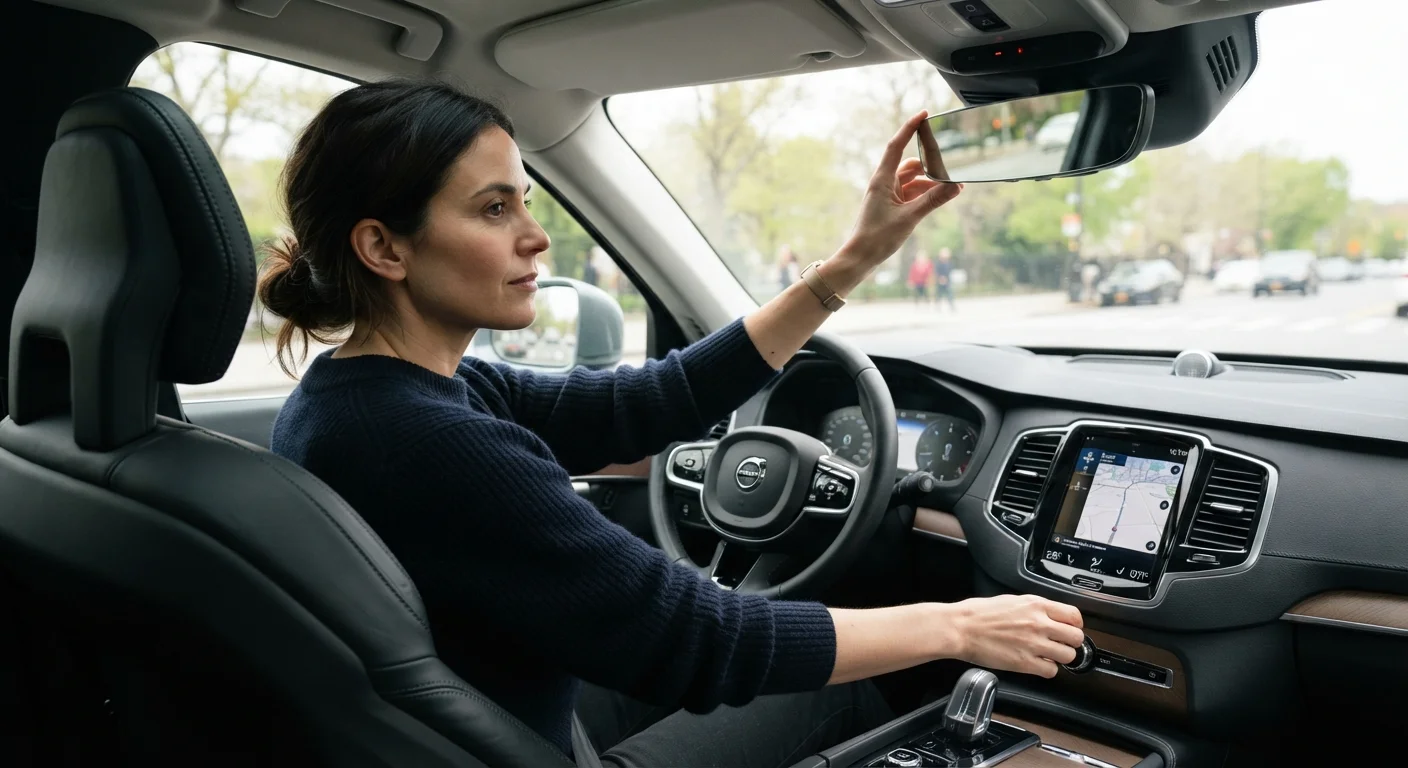
Neglecting mirrors and blind-spot checks during lane changes and turns.
Why it happens: Under examiner pressure, mirror checks become deliberate; without that accountability, they shrink into habit-bypassing glances.
Ignoring basic vehicle maintenance checks until a warning light appears.
Why it happens: Many new drivers have never owned or maintained a vehicle before, and the assumption is that warning systems will catch any problem in time.
Underestimating rural roads and overestimating motorway danger.
Why it happens: High-speed motorways feel intimidating, so new drivers approach them cautiously. Rural roads feel familiar and slower, which breeds complacency despite their higher collision rates per mile.
Hesitating or making impulsive decisions at junctions and roundabouts.
Why it happens: Without an instructor guiding the approach, new drivers either rush to close gaps or freeze, creating unpredictable behaviour for other road users.
Using a phone or other device while driving, even briefly.
Why it happens: New drivers have grown up with constant device connectivity, and the habit of checking notifications persists even behind the wheel.
New Drivers Face Disproportionate Crash Risk
Research consistently shows that newly licensed drivers face a substantially elevated crash risk in their first year compared with more experienced motorists. This is not primarily about poor test performance - it is about the limits of any training environment. Awareness of this risk is not meant to alarm, but to encourage deliberate, unhurried habit-building from day one.
Building Habits That Last Beyond Year One
The goal is not perfect driving - it is consistent, self-aware driving. Habits formed in the first year tend to persist for decades, which means the effort invested early pays lasting dividends. A few principles make the biggest difference:
- Stay deliberate. Avoid the temptation to 'relax' your checks simply because a journey feels familiar. Routine breeds complacency faster than any other factor.
- Know your vehicle. Understanding what you're driving - its braking distance, blind spots, and maintenance needs - is part of being a responsible driver, not just a responsible owner.
- Refresh your road knowledge. Road signs you may have already forgotten are a surprisingly common gap even in the first months post-test.
Passengers Can Increase Distraction Risk
Carrying multiple passengers - particularly peers - is associated with increased distraction and risk-taking among new drivers. Some US states restrict the number of passengers a newly licensed driver may carry during a probationary period. Check your state's graduated driver licensing (GDL) rules, and consider limiting passengers voluntarily even where the law does not require it.
The first year is demanding, but it is also the period of fastest improvement. Approach it with curiosity rather than anxiety, and the habits formed now will serve you for every mile ahead.