Why Distraction Is More Than Just Your Phone
Smartphone use dominates public awareness of distracted driving, and for good reason - it combines all three distraction types at once. But limiting the conversation to phones obscures the full picture. Distraction is a spectrum, and many routine driver behaviours land on it.
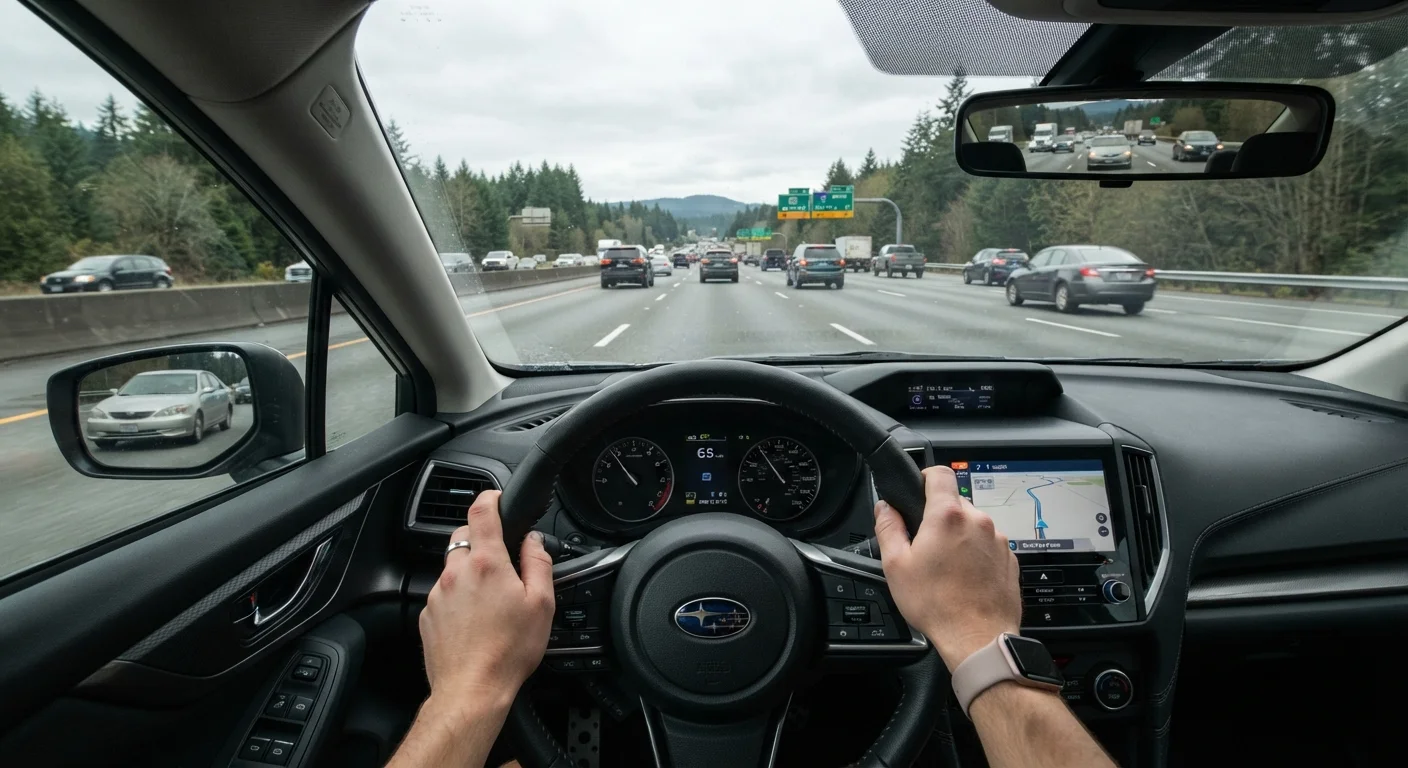
Visual distractions pull your eyes from the road: reading a billboard, checking a mirror for too long, or glancing at a passenger. Manual distractions take your hands off the wheel: eating, adjusting climate controls, or reaching for something in the back seat. Cognitive distractions occupy your mental bandwidth: a stressful phone call, a heated passenger conversation, or getting absorbed in an audiobook at a critical moment.
The most dangerous scenarios involve all three simultaneously - which is exactly what composing a text message does. But even a single distraction type, sustained for just a few seconds, can be enough to miss a hazard that demands an immediate response.
Hands-Free Doesn't Mean Distraction-Free
Many drivers assume that switching to a hands-free device fully resolves phone distraction. It removes the manual and visual components, but the cognitive distraction of an active conversation persists. If the topic is emotionally charged or mentally demanding, the cognitive load can be comparable to a handheld call. The safest option for any call that requires real mental engagement is to stop the vehicle in a safe location first.
For a broader framework on how skilled drivers manage attention and anticipate hazards, see our explainer on defensive driving principles.
The Cognitive Science Behind the Risk
The human brain is not well-suited to multitasking. What feels like parallel processing is actually rapid task-switching - and each switch carries a cognitive cost. When driving demands compete with another mentally engaging activity, processing capacity for both degrades.
Inattention blindness is one of the most striking demonstrations of this limitation. Studies using eye-tracking technology have shown that drivers can look directly at a hazard - a pedestrian stepping out, a red light - without consciously registering it, simply because their cognitive attention is elsewhere. Their eyes were open; their brain wasn't fully processing what it saw.
This is why cognitive distraction is so deceptive. A driver might believe they are monitoring the road because their eyes are pointed forward, while their mental model of the traffic environment is several seconds out of date. At highway speeds, those seconds translate into meaningful distance - and meaningful danger.
~5 sec
Average time eyes leave road during a text
According to the National Highway Traffic Safety Administration (NHTSA), sending or reading a text takes an average of five seconds - at 55 mph, that's the equivalent of driving the length of a football field with eyes closed.
~25%
Of crashes involve driver distraction
The NHTSA has estimated that distraction is a factor in roughly one in four motor vehicle crashes reported in the United States each year.
4x
Increased crash risk when using a handheld phone
Research published in epidemiological studies and cited by road safety bodies has found that handheld phone use while driving approximately quadruples crash risk compared to undistracted driving.
Underestimated Sources of Distraction
Beyond phones, a number of distraction sources receive far less attention than they warrant.
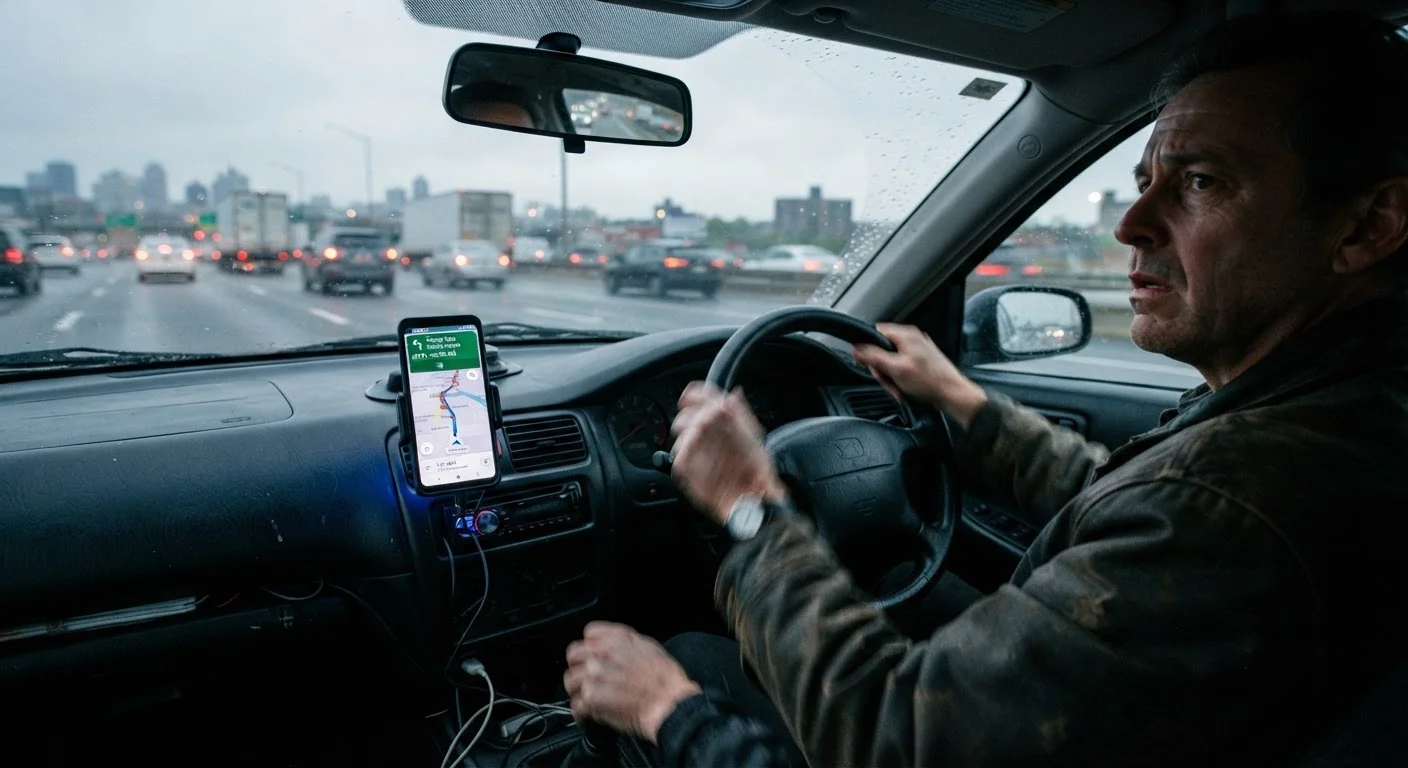
- Audio navigation systems: Following turn-by-turn instructions demands periodic cognitive engagement, particularly in unfamiliar environments or complex junctions. The voice prompt itself can distract at exactly the wrong moment.
- Eating and drinking: A common habit on commutes, eating requires manual attention and momentary focus away from driving - frequently at variable, unpredictable intervals.
- Emotional state: Driving while angry, anxious, or distressed narrows attentional focus and reduces hazard perception, even without any external distraction present. Internal mental states are a distraction form that no technology policy fully addresses.
- Passengers: Adult passengers generally help by acting as a second set of eyes, but emotionally demanding conversations - arguments, stressful news - can consume the same cognitive resources as a phone call.
Related conditions like highway hypnosis show how even the absence of external distraction can erode attentional quality on long, monotonous stretches of road.
Building Habits That Reduce Distraction Before It Starts
The most reliable defence against distraction is removing opportunities for it before the journey begins. Reactive strategies - deciding mid-drive not to check your phone - are far less effective than preventive ones.
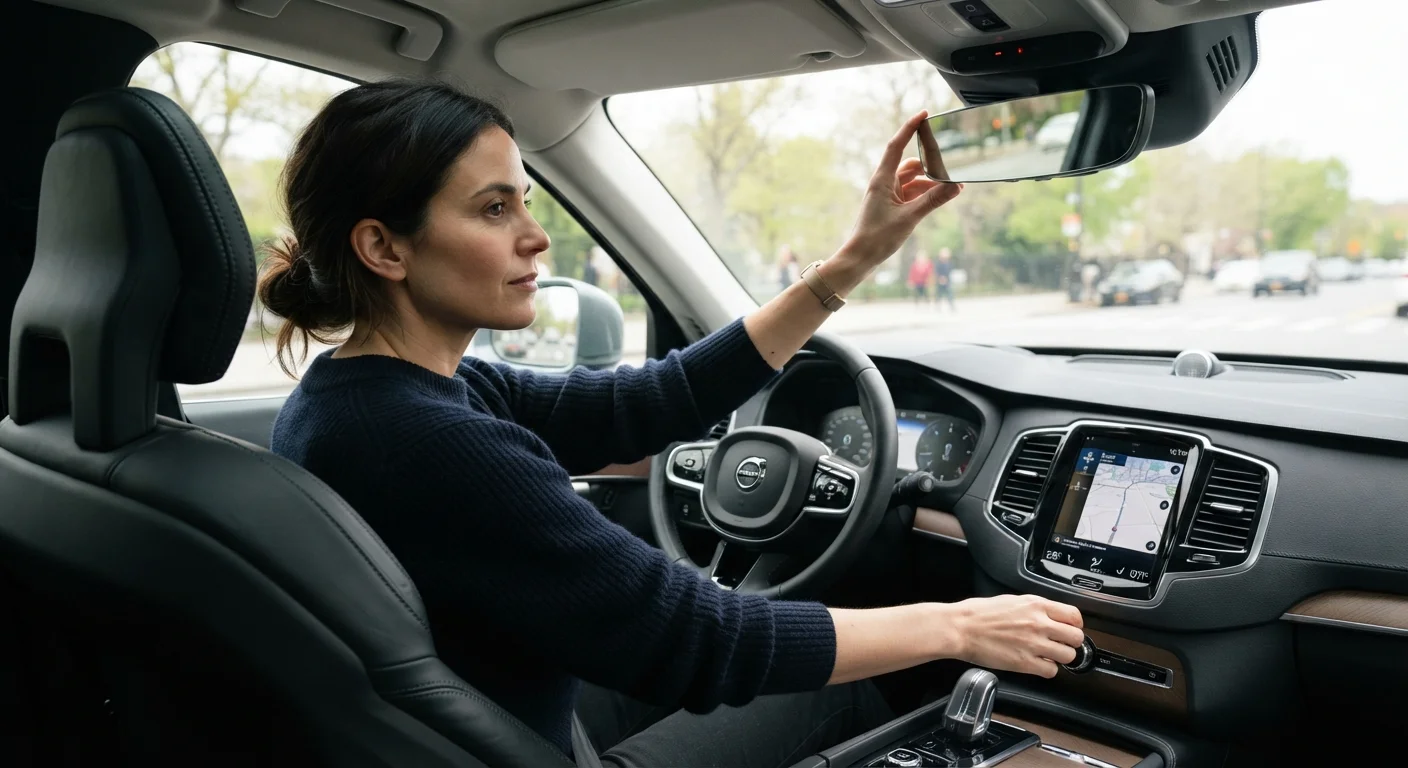
Pre-drive preparation matters more than most drivers realise. Adjusting seat position, mirrors, and climate controls before moving eliminates manual distractions that would otherwise occur in traffic. Setting a navigation route and choosing audio content in advance removes decision points that compete with driving attention once underway.
Phone management is the highest-impact single habit. Placing a device on do-not-disturb or using a dedicated driving mode removes the behavioural trigger of notification sounds and screen flashes. If a call or message genuinely cannot wait, pulling safely off the road before engaging is always the appropriate response - not slowing slightly while still in traffic.
Set Up Before You Set Off
Take two minutes before starting your engine to programme navigation, choose your audio, adjust your mirrors, and enable driving mode on your phone. Decisions made in a stationary, unhurried state are far safer than the same decisions made at speed in traffic. This single habit removes a significant share of in-journey distraction opportunities.
Night conditions compound distraction risk. Our guide to night driving habits covers how reduced visibility and fatigue interact with attention lapses after dark.