Why Night Driving Is Riskier Than Most People Assume
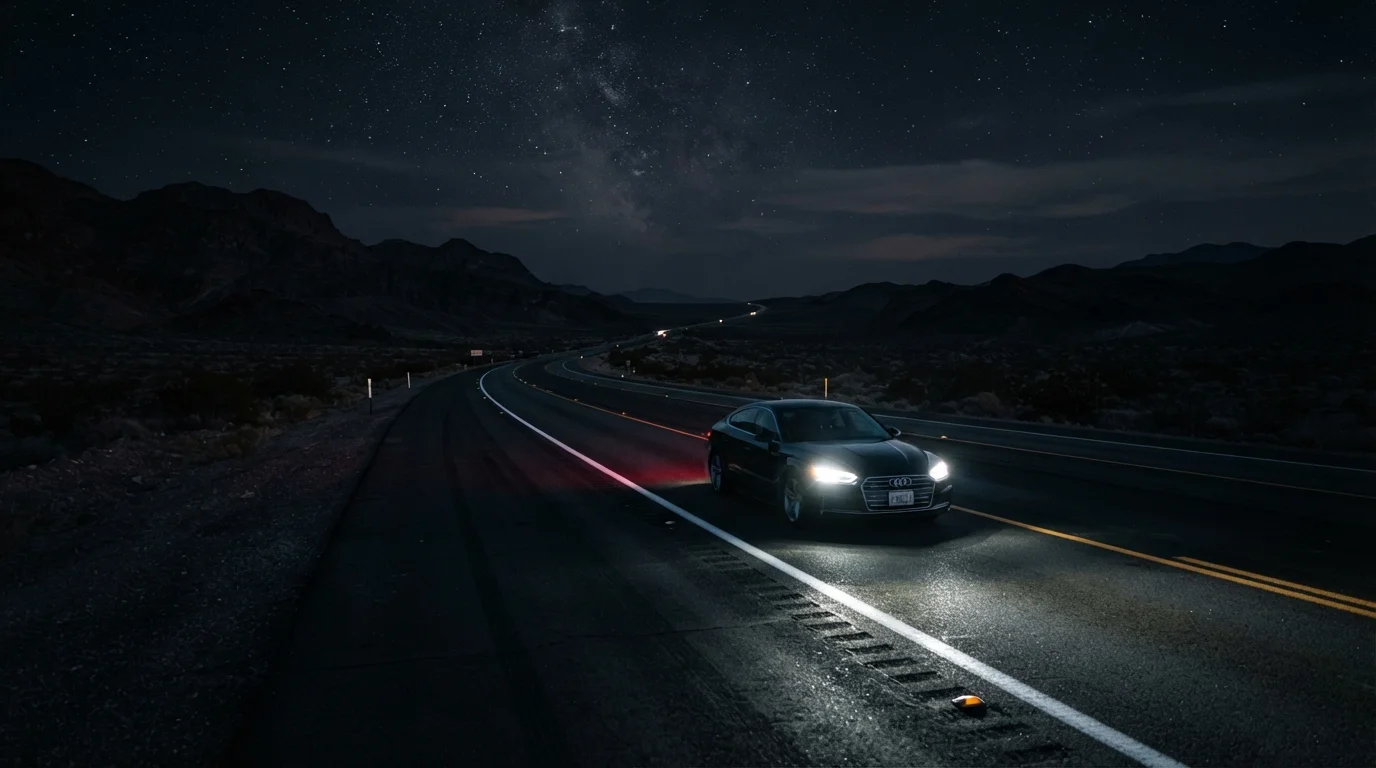
Roughly half of all traffic fatalities in the United States occur at night, despite significantly fewer vehicles being on the road during those hours. That disparity isn't random - it reflects how fundamentally darkness changes the driving environment. Peripheral vision narrows, depth perception degrades, and color recognition becomes unreliable, all without drivers necessarily feeling impaired.
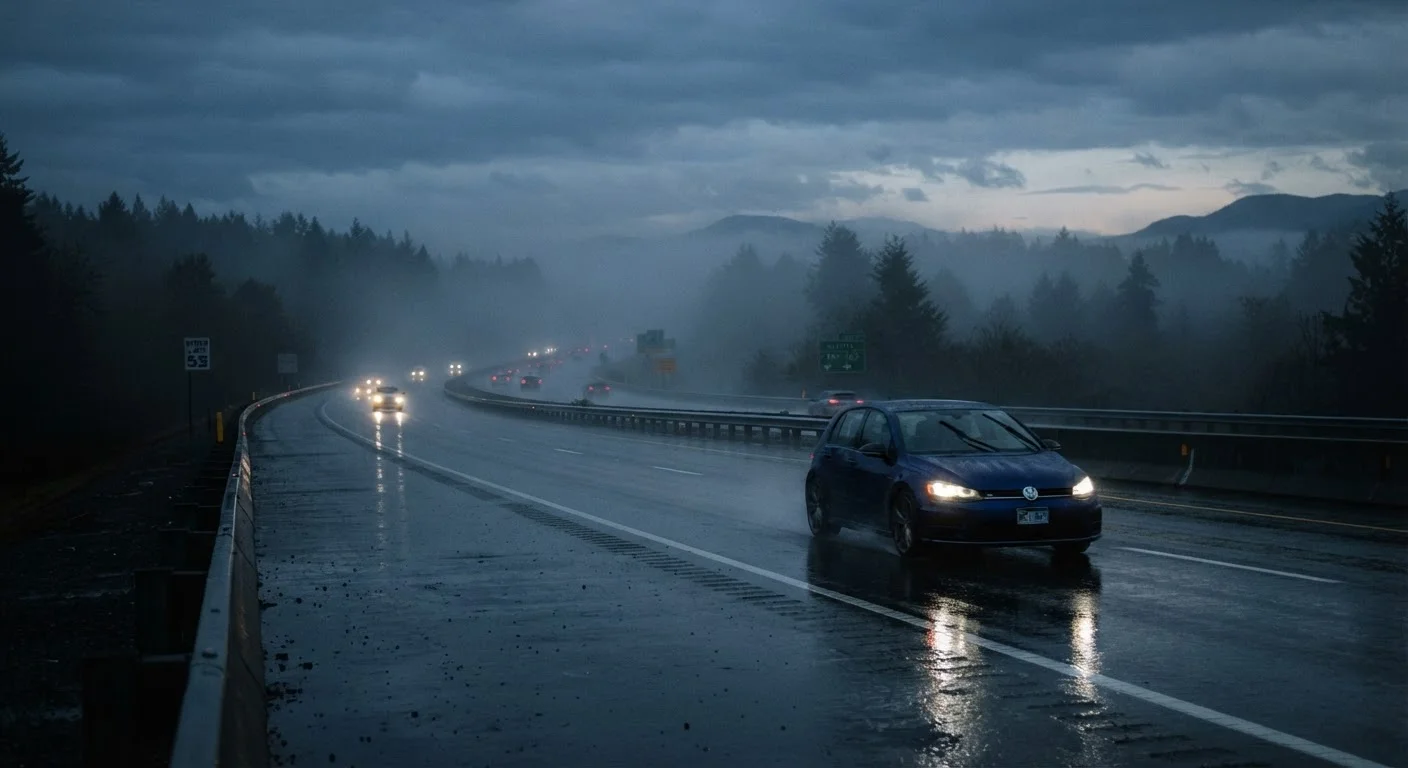
The habits covered below address real, documented vulnerabilities. Many are skipped not out of recklessness but simply because drivers don't realize they exist. Whether you're commuting home late or heading out on a long road trip after dark, these practices are worth building into your routine. For how darkness interacts with additional hazards like rain or fog, see our guide on how conditions change the rules.
Let your eyes fully adapt before you drive
Human eyes can take up to 30 minutes to complete dark adaptation - the process by which pupils dilate and rod cells in the retina become active. Most drivers skip this entirely, stepping from a brightly lit house or store directly into the car and pulling away immediately.
A practical habit: avoid looking at bright screens, overhead lights, or your phone for at least 10-15 minutes before a night drive. If you need to check your phone before leaving, dim the screen brightness significantly. Even partial adaptation meaningfully improves your ability to detect low-contrast hazards like unlit pedestrians or animals at the roadside.
Eyes can take up to 30 minutes to fully adapt to darkness - most drivers skip this window entirely.
Clean your headlights and check their aim
Oxidized, yellowed headlight lenses - common on vehicles more than five years old - can reduce light output by as much as 80% compared to new lenses, according to automotive safety research. That's not a minor inconvenience; it fundamentally shrinks how far ahead you can see.
Cleaning plastic lenses with a restoration kit is a straightforward task that can restore significant output. Equally important is beam aim: headlights that point too low or are misaligned to one side create blind spots while also potentially blinding oncoming drivers. A qualified mechanic or service center can check and adjust beam aim during a routine visit - it's often overlooked at standard oil changes.
Yellowed headlight lenses can cut your light output by up to 80%, shrinking your effective vision dramatically.
Slow down to match your actual sight distance
Standard low-beam headlights illuminate roughly 160-200 feet ahead. At 60 mph, a vehicle travels approximately 88 feet per second - meaning your stopping distance, including reaction time, can easily exceed what your headlights reveal. This is called overdriving your headlights, and it's a recognized contributor to nighttime collisions with stationary objects and pedestrians.
The practical fix is straightforward: reduce speed enough that you can stop within the distance your headlights illuminate. On unfamiliar rural roads without streetlights, this may mean slowing significantly below the posted limit. Speed limits are set for conditions, not guarantees of safety in all situations.
At 60 mph, your stopping distance can easily exceed what your headlights actually illuminate ahead.
Increase your following distance
The two-second following-distance rule is a daytime baseline. At night, reaction time doesn't get faster - if anything, the lower contrast environment means hazards take a fraction longer to register consciously. Many driving safety experts recommend adding at least one to two extra seconds of following distance after dark.
A longer gap ahead also reduces the chance that a stopped or slow-moving vehicle - one you may not see until your headlights reach it - leaves you with insufficient space to stop. This is especially relevant on highways where vehicles sometimes pull over with minimal lighting.
Night driving warrants at least one to two extra seconds of following distance beyond the standard daytime rule.
Dim your dashboard and interior lights
Interior lighting - including dashboard brightness, infotainment screens, and backseat dome lights - creates a competing light source that impairs the eye's adaptation to the dark environment outside. Your brain prioritizes the brighter source, effectively reducing your sensitivity to lower-light objects on the road.
Most vehicles allow dashboard brightness to be adjusted using a dedicated dial or through the infotainment settings. Setting it to its lowest comfortable level is a simple step. Navigation apps on phones or built-in systems should also be set to night mode, which shifts to a darker color scheme and reduces glare in your peripheral vision.
Bright dashboard screens create competing light that reduces your sensitivity to hazards in the dark outside.
Recognize fatigue before it controls you
Fatigue and darkness amplify each other. The body's circadian rhythm naturally promotes sleepiness in the late evening and early morning hours - the same windows when many people drive home from events or start long overnight journeys. Warning signs include difficulty focusing, frequent yawning, lane drift, and the sensation of "missing" portions of the route.
The only genuinely effective response to fatigue is rest. Brief stops - even 10-20 minutes - can partially restore alertness. Caffeine can provide a temporary buffer, though it doesn't substitute for sleep and typically begins wearing off within 3-4 hours. Planning rest stops before you feel tired is more effective than reacting once fatigue has already set in. Our piece on highway hypnosis covers the cognitive mechanisms behind drowsy driving in more detail.
Planning rest stops before fatigue sets in is far more effective than waiting until you feel tired.
Look slightly to the right of oncoming headlights
When bright oncoming headlights hit your eyes directly, the resulting glare can temporarily reduce your vision - an effect sometimes called flash blindness. A practical and widely recommended technique is to shift your gaze slightly to the right edge of the road, using the lane marking as a guide, rather than looking directly at the approaching lights.
This keeps you oriented without allowing the oncoming beams to directly stimulate your central vision. Anti-glare glasses marketed for night driving have mixed evidence on effectiveness and can sometimes distort color perception; consulting an eye care professional before using them is advisable if glare is a persistent problem for you.
Shifting your gaze slightly right of oncoming headlights reduces glare impact without disorienting your path.
Making These Habits Stick
Night driving risks are cumulative - no single habit eliminates them, but combining several creates meaningful protection. The most commonly skipped habits on this list share something in common: they require a small action before you feel any danger, which is exactly why they get bypassed. Fatigue is especially insidious because it erodes the judgment you'd use to recognize you're impaired. Our article on highway hypnosis and long-drive awareness explores this dynamic in depth.
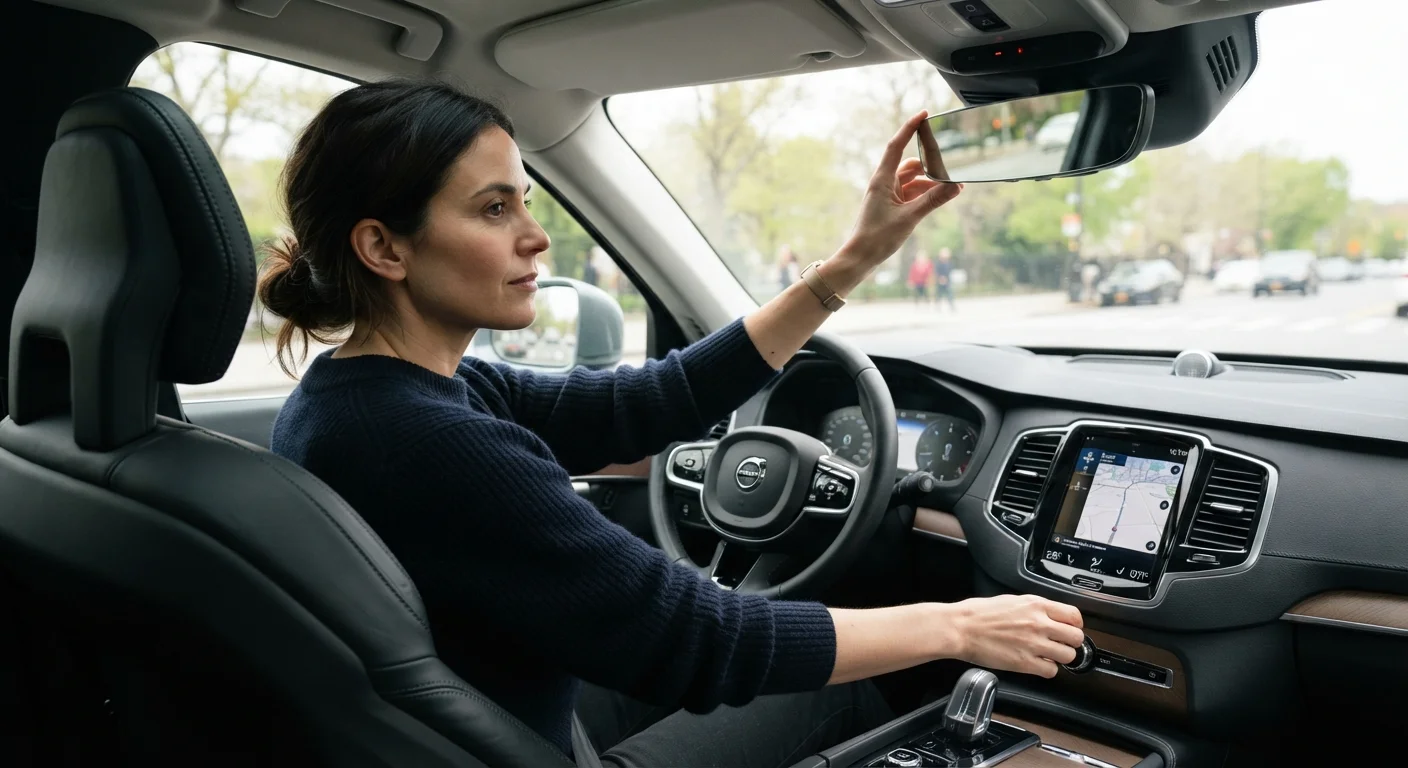
Think of these as a pre-night-drive checklist rather than a list of rules. Once they become habitual, they cost almost no extra effort - and the protection they offer compounds over time. Getting the physical setup of your vehicle right before you set off also helps; correct seat position and mirror alignment matter even more when visibility is reduced.
Check Your Mirrors Before Dark Trips
Mirrors adjusted for daytime driving can cause significant glare at night as headlights from vehicles behind you reflect directly into your eyes. Most rearview mirrors have a manual night-mode tab (or automatic dimming on newer vehicles) that reduces this reflection. Flipping it before you drive can meaningfully reduce eye strain on nighttime trips.