Why Conditions Change the Rules
The posted speed limit tells you the legal ceiling for a dry, clear day with normal traffic. It says nothing about how fast you should be moving when the road is glazed with ice or when visibility drops to 50 feet in dense fog. Understanding this distinction is one of the most important habits a driver can develop.
The physics of driving change dramatically when road surfaces and sightlines are compromised. Traction - the grip your tires maintain against the road - is what allows you to steer, accelerate, and stop. Anything that reduces traction or the time you have to react to hazards requires a corresponding adjustment in speed, following distance, and technique. See our guide to safe speed vs. posted limits for a deeper look at this principle.
Rain, fog, and snow each create different hazards - and each requires its own response.
Driving in Rain: Traction, Hydroplaning, and Following Distance
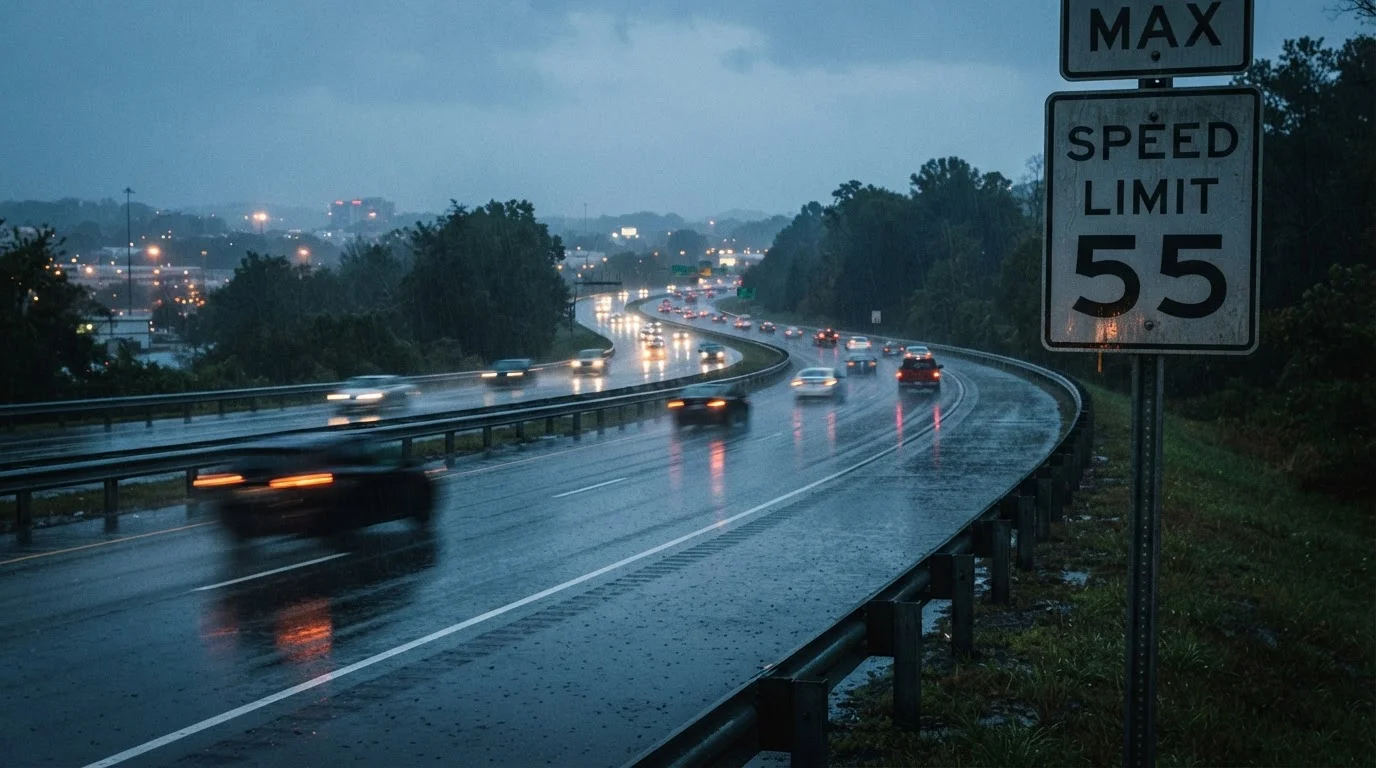
Rain makes roads slippery in two ways. First, water mixes with road grime and oil residue to create a slick film - particularly dangerous in the first 20-30 minutes of rainfall when that buildup is released before being washed away. Second, at higher speeds, tires can ride on top of a thin layer of water rather than gripping the road - a phenomenon called hydroplaning. When this happens, steering and braking control are lost almost entirely.
~70%
U.S. roads in snowy regions annually
According to the U.S. Federal Highway Administration, approximately 70% of the U.S. road network is located in regions that receive more than 5 inches of annual snowfall.
3-4×
Longer stopping distance on packed snow vs. dry pavement
Research published by the AAA Foundation for Traffic Safety and other road safety bodies consistently indicates stopping distances multiply several times over on packed snow compared to dry asphalt.
21%
Of annual U.S. crash fatalities linked to weather
The Federal Highway Administration estimates approximately 21% of vehicle crashes each year are weather-related, with rain, snow, and fog each contributing significantly.
Key rain-driving adjustments:
- Reduce speed: Even 5-10 mph below your normal pace gives your tires more time to push water away and maintain contact with the surface.
- Increase following distance: Standard advice calls for a 3-second gap in dry conditions. In rain, extend this to at least 4-5 seconds.
- Avoid sudden inputs: Brake, steer, and accelerate smoothly. Sudden movements overwhelm wet-surface traction quickly.
- Turn on headlights: Many states legally require headlights when wipers are in use. Regardless of the law, being seen matters as much as seeing.
- Avoid flooded roads: Moving water even a few inches deep can sweep a vehicle off course. If you cannot see the road surface, do not proceed.
If you feel your steering go light - a sign of hydroplaning - ease off the accelerator gently and steer straight until you feel grip return. Do not brake hard.
Driving in Fog: Visibility, Speed, and Light Settings
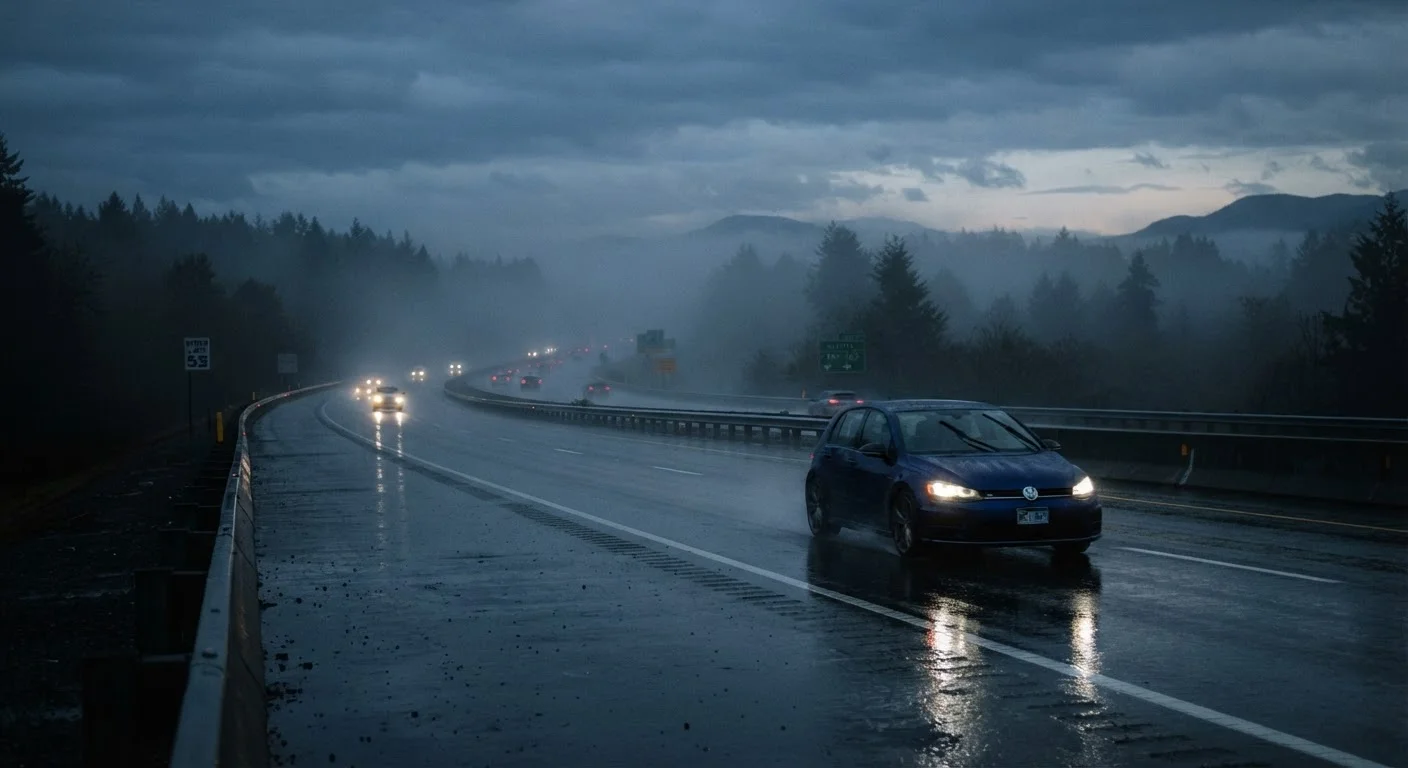
Fog is deceptive. It can appear to thin out ahead while actually remaining dense, encouraging drivers to speed up before visibility truly clears. The core risk is overdriving your sight distance - traveling fast enough that you cannot stop before reaching an obstacle you can see.
Never Overdriving Your Sight Distance in Fog
A practical rule: if you cannot see at least 200 feet ahead, your speed should be low enough that you could stop in under 200 feet. This typically means travelling well below normal highway or arterial speeds. Fog patches can appear suddenly, especially in valleys and near bodies of water, so maintain reduced speed through any foggy stretch rather than accelerating when it seems to thin.
Rules for fog driving:
- Use low-beam headlights: High beams reflect off fog droplets and bounce light back at the driver, reducing visibility further. Low beams illuminate the road surface more effectively.
- Use fog lights if equipped: Front fog lights are positioned lower on the vehicle and cast a wide, flat beam under the fog layer. Use them in genuine low-visibility conditions, not light drizzle.
- Slow to a speed where you can stop within your visible range: If you can see 100 feet ahead, you should be able to stop in under 100 feet.
- Do not use hazard lights while moving: In most U.S. states, hazard lights while driving confuse other drivers about your intentions and may be illegal on moving vehicles.
- Pull over if visibility becomes dangerous: If fog thickens to near-zero visibility, exit the roadway completely - not just onto the shoulder - and wait for conditions to improve.
Driving in Snow and Ice: Technique, Traction, and Technology
Snow and ice reduce available traction more severely than rain or fog. On packed snow, stopping distances can be three to four times longer than on dry pavement. On ice, particularly black ice - a thin, nearly invisible glaze on the road - traction may effectively disappear.
The guiding principle for winter driving is smoothness. Abrupt inputs - hard braking, sharp steering, rapid acceleration - overwhelm whatever grip remains and can cause a spin or slide.
Brake earlier and more gently than you would on dry roads
Ice and packed snow extend stopping distances dramatically. Beginning to slow down sooner gives ABS and traction control time to work within available grip limits, rather than overwhelming them. Threshold braking on ice often results in sliding, even with modern safety systems active.
Accelerate slowly from a stop to avoid wheelspin
Spinning driven wheels on ice generates heat that can actually melt a thin layer of ice beneath the tire, reducing grip further. Gentle throttle application allows tires to find traction progressively.
Increase your following distance to at least 6-8 seconds in snow or ice
The 3-second rule is designed for dry pavement. When stopping distances triple or quadruple, your following gap must expand proportionally to give you any realistic chance of stopping before reaching a car ahead.
Steer into a skid, not away from it
When a vehicle begins to slide sideways, the instinct is to steer sharply in the opposite direction - which usually worsens the skid. Steering in the direction of the slide helps re-align the front wheels with the direction of travel and restores control.
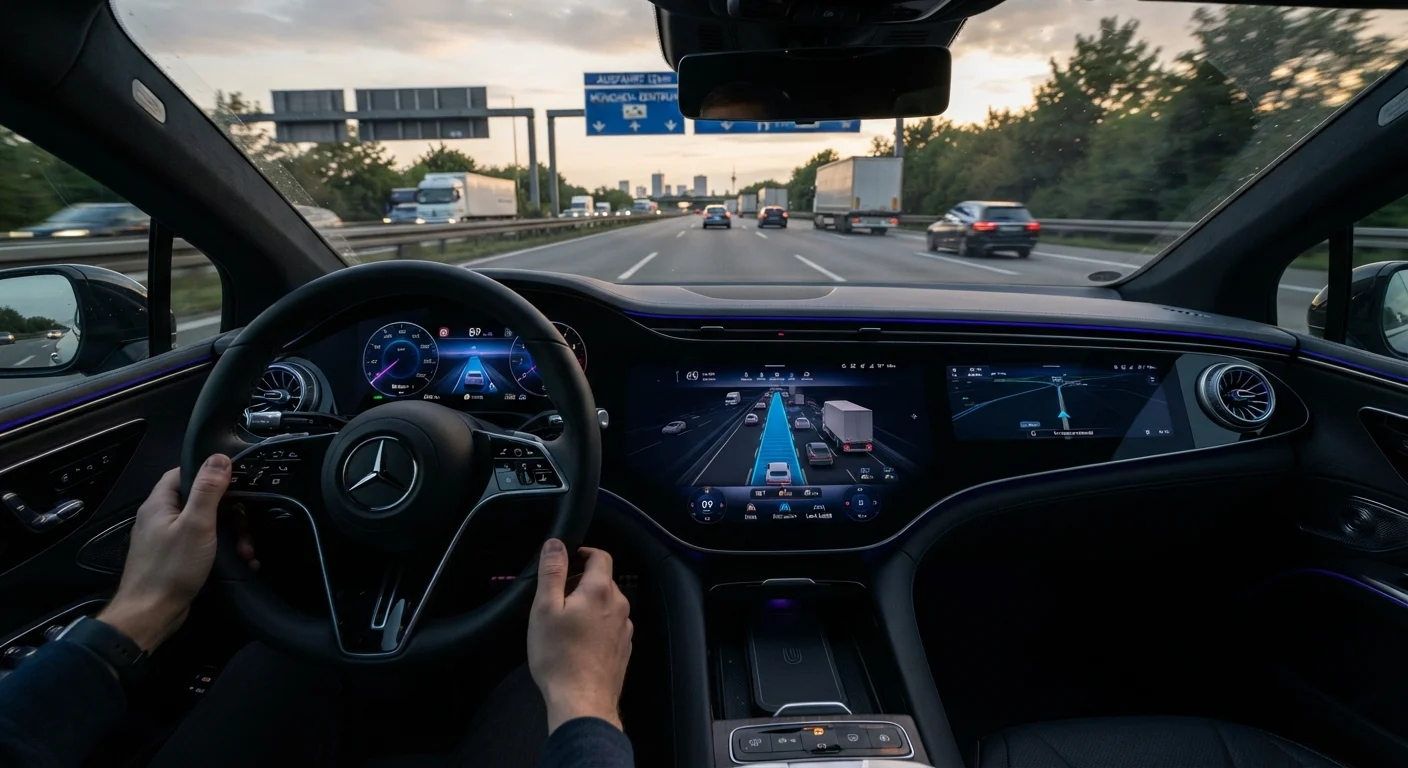
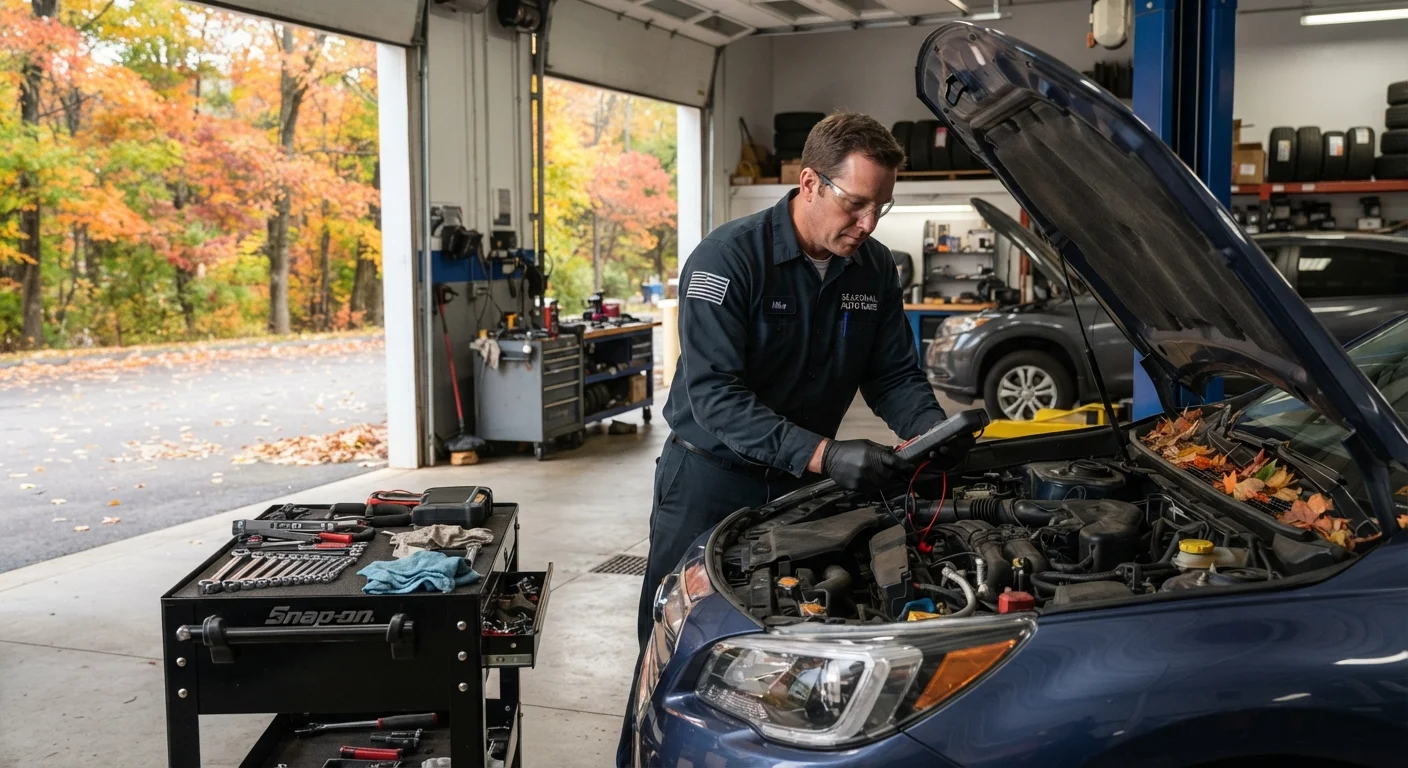
Modern vehicles equipped with anti-lock braking systems (ABS) and electronic stability control (ESC) provide meaningful help on slippery surfaces, but they cannot create traction that isn't there. See our primer on driver-assistance systems for what these technologies can and cannot do. Equally important is having your vehicle properly prepared before winter arrives - seasonal maintenance checks covering tire tread depth, battery condition, and brake performance are essential groundwork.
Quick Actions Before You Drive in Bad Weather
Preparation before setting off is just as important as in-vehicle technique. A few minutes spent checking your vehicle and planning your route can meaningfully reduce risk.
Also consider whether the trip is necessary. Postponing non-essential travel until conditions improve is always a legitimate choice - and often the safest one. For more on building sound driving habits from the ground up, see our guide to safer driving fundamentals.